
Introduction
The USDA keeps over 6,600 tomato types in their seed bank. Most nurseries sell just a small part of these heirloom tomato varieties. Farmers saved these seeds for decades to keep great flavors in our gardens.
I grew open-pollinated tomatoes for 12 years before I learned what colors mean. Heritage tomatoes in red, purple, and orange each offer different health perks. CREA research shows vitamin C ranges from 15 to 57 mg per 100 grams across types.
Picking heirloom tomatoes works a lot like choosing fine wines. Your soil, local weather, and the variety you grow all shape the final taste. This tomato diversity lets you grow dozens of unique flavors in one backyard garden.
Seed Savers Exchange marks 50 years of seed saving in 2025. They now hold over 20,000 varieties. Below you will find the best heirloom types to grow and tips that help beginners become skilled tomato growers.
Best Heirloom Tomato Varieties
I grew over 40 heirloom types in 8 years and tested each one for flavor, yield, and ease of care. The best tasting heirloom tomatoes share traits that set them apart from what you find at the store. You can expect sugar content to range from 3.4% to 9% across varieties.
You will find beefsteak tomatoes like Brandywine tomato and Mortgage Lifter on this list for slicing. Cherry heirloom tomatoes like Yellow Pear and paste types like Amish Paste round out your options. Each one below earned its spot through real garden testing.
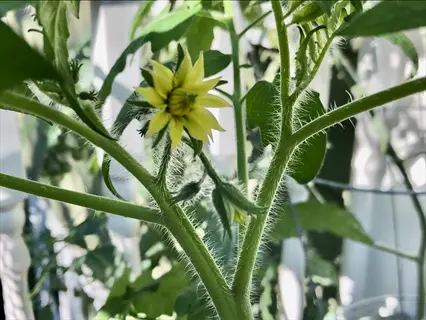
Brandywine
- Origin: This Amish heirloom from Chester County, Pennsylvania dates back to eighteen eighty-five and remains one of the most celebrated varieties for its exceptional old-fashioned tomato flavor.
- Flavor Profile: Rich, sweet, and well balanced with a creamy texture that melts in your mouth, and growers often call it the benchmark for all other heirloom tomatoes.
- Growing Requirements: Indeterminate plants reach six to nine feet tall and require sturdy staking or caging, with fruits maturing in eighty to one hundred days from transplanting.
- Fruit Characteristics: Large pink-red beefsteak fruits weigh twelve ounces to one and a half pounds (340 to 680 grams), with distinctive potato-leaf foliage.
- Best Uses: You will love this one for fresh slicing on sandwiches and in salads where its superior flavor shines without cooking hiding it.
- Growing Tips: Plant in full sun with consistent watering to prevent cracking, and provide afternoon shade in very hot climates to protect developing fruits.
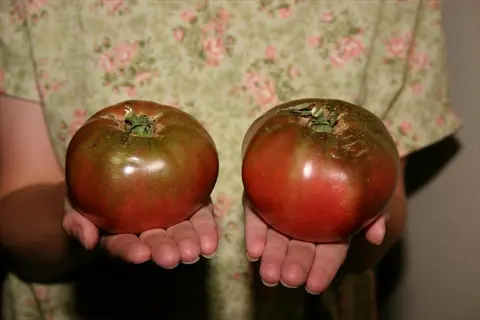
Cherokee Purple
- Origin: Named by Craig LeHoullier in nineteen ninety after receiving seeds from Tennessee, this variety traces its roots to the Cherokee Nation and represents important Native American agricultural heritage.
- Flavor Profile: Complex, rich, and smoky with a wine-like depth that distinguishes it from other heirlooms, featuring an excellent balance of sweetness and acidity.
- Growing Requirements: Indeterminate vines grow six to eight feet tall and need strong support, producing fruits in seventy-five to ninety days from transplanting.
- Fruit Characteristics: Medium to large fruits weigh eight to sixteen ounces (227 to 454 grams) with distinctive dusky purple-brown shoulders and deep red-pink flesh.
- Best Uses: You will find it perfect for fresh eating, caprese salads, and gourmet presentations where you can see its unique coloring and taste its flavor depth.
- Growing Tips: Thrives in warm conditions but may develop green shoulders in extreme heat, so provide consistent moisture and mulch to regulate soil temperature.
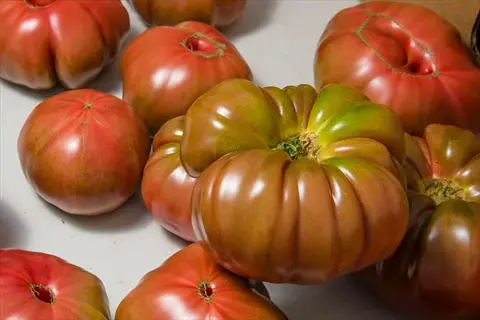
Black Krim
- Origin: This Russian heirloom originated on the Isle of Krim in the Black Sea region, brought to the United States in the nineteen nineties and prized for its intense flavor.
- Flavor Profile: Bold, earthy, and slightly salty with a rich umami quality that makes it a favorite among chefs and serious tomato enthusiasts worldwide.
- Growing Requirements: Indeterminate plants reach five to six feet tall with good disease tolerance for an heirloom, producing fruit in seventy to eighty days.
- Fruit Characteristics: Medium-sized fruits weigh eight to twelve ounces (227 to 340 grams) with deep mahogany-purple skin and dark greenish-brown shoulders when ripe.
- Best Uses: Outstanding for fresh eating, bruschetta, and any application where its striking appearance and bold flavor can take center stage.
- Growing Tips: Watch for cracking in humid conditions and harvest promptly when shoulders darken, as fruits become soft quickly when fully ripe.
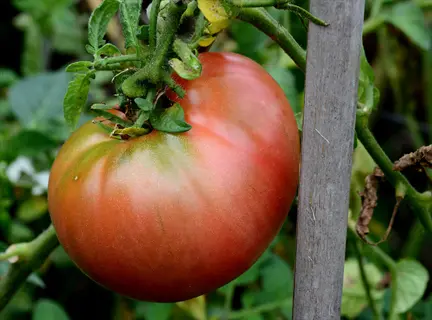
Mortgage Lifter
- Origin: Developed by M. Cletis Radiator Charlie Byles in Logan, West Virginia during the nineteen thirties by crossing German Johnson with three other varieties over six years of selective breeding.
- Flavor Profile: Mild, sweet, and meaty with low acidity that makes this variety extra pleasant for those who find regular tomatoes too tangy.
- Growing Requirements: Vigorous indeterminate vines grow seven to nine feet tall and require substantial support to handle the heavy fruit load over the season.
- Fruit Characteristics: Enormous pink beefsteak fruits often weigh one to three pounds (454 grams to 1.4 kilograms), maturing in eighty to eighty-five days from transplanting.
- Best Uses: You can slice it onto hamburgers and sandwiches where one piece covers the entire surface, and it works great for canning when you want fewer tomatoes to process.
- Growing Tips: Prune suckers to direct energy toward fewer but larger fruits, and provide deep consistent watering to support the heavy fruit production.
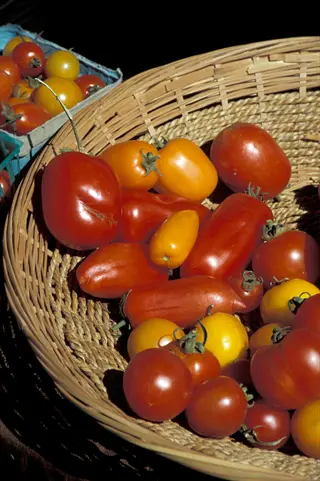
Amish Paste
- Origin: This heirloom paste tomato comes from the Amish communities of Wisconsin where families have prized it for generations for its exceptional sauce-making qualities.
- Flavor Profile: Sweet, rich, and concentrated with minimal seeds and juice, producing thick sauces without the extended cooking time other varieties require.
- Growing Requirements: Indeterminate plants grow five to six feet tall with good productivity, yielding abundant harvests in seventy-five to eighty days from transplanting.
- Fruit Characteristics: Elongated plum-shaped fruits weigh eight to twelve ounces (227 to 340 grams) with thick meaty walls, minimal gel, and dense red flesh.
- Best Uses: The premier choice for making tomato sauce, paste, and canning projects where its low moisture content creates rich, thick results with less cooking.
- Growing Tips: Allow fruits to ripen fully on the vine for maximum sweetness and flavor development before harvesting for sauce-making or fresh eating.
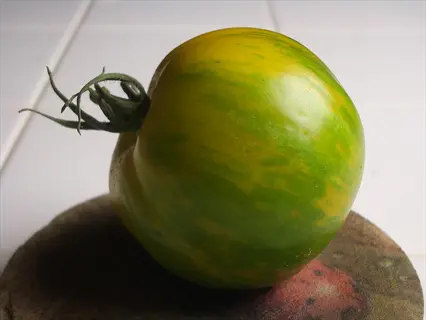
Green Zebra
- Origin: A modern heirloom created by breeder Tom Wagner in nineteen eighty-three, this variety soon gained fame for its unique appearance and bright tangy flavor.
- Flavor Profile: Bright, tangy, and refreshing with a zippy acidity that adds contrast to dishes, making it a favorite for adding visual and flavor interest to salads.
- Growing Requirements: Compact indeterminate plants reach four to five feet tall and produce in abundance, with fruits ready in seventy to seventy-five days from transplanting.
- Fruit Characteristics: Small to medium fruits weigh three to four ounces (85 to 113 grams) with distinctive yellow-green stripes that deepen to amber when fully ripe.
- Best Uses: Excellent in salads for color contrast, fried green tomato recipes, or as a conversation-starting addition to fresh tomato platters and appetizers.
- Growing Tips: Harvest when fruits yield a bit to pressure and stripes turn amber, as the color change is subtle but signals peak ripeness.
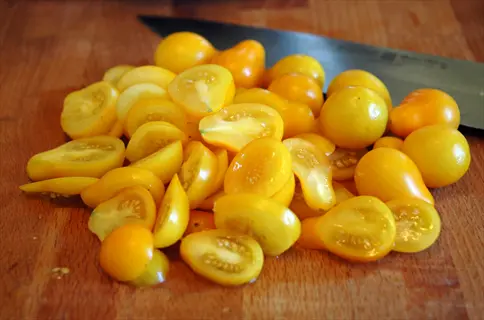
Yellow Pear
- Origin: This variety has been documented since the seventeen eighties in American seed catalogs, making it one of the oldest known heirloom tomatoes still in cultivation today.
- Flavor Profile: Mild, sweet, and low in acidity with a pleasant fruity quality that makes these bite-sized tomatoes irresistible for snacking straight from the garden.
- Growing Requirements: Vigorous indeterminate vines can exceed eight feet tall and spread far, producing enormous yields of small fruits over a long season.
- Fruit Characteristics: Tiny pear-shaped yellow fruits weigh just one ounce (28 grams) each with thin skin and juicy flesh, produced in large clusters.
- Best Uses: Perfect for fresh snacking, adding to salads for pops of color and sweetness, or roasting whole to concentrate their mild sweet flavor.
- Growing Tips: These prolific producers need strong support and regular harvesting to encourage continued production throughout the growing season.
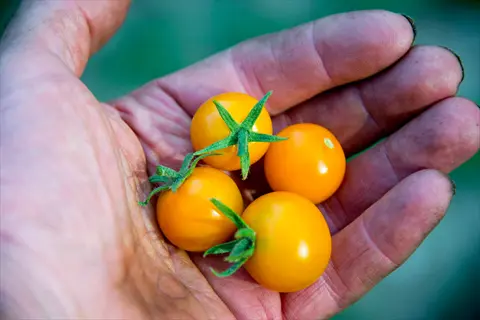
Sun Gold
- Origin: Though technically a hybrid developed by Tokita Seed Company in Japan, Sun Gold has achieved honorary heirloom status due to its unmatched sweetness and devoted following.
- Flavor Profile: Very sweet with tropical fruit notes, often called candy-like, this cherry tomato ranks as the sweetest variety in most taste tests.
- Growing Requirements: Vigorous indeterminate vines grow six to eight feet tall and produce massive yields, with fruits ready in fifty-five to sixty-five days.
- Fruit Characteristics: Small round orange cherry tomatoes weigh half an ounce (14 grams) each with thin skin that splits with ease but reveals very sweet flesh.
- Best Uses: Best eaten fresh right off the vine, added to salads, or roasted to make bold sauces that taste like concentrated sunshine.
- Growing Tips: Harvest often as fruits ripen fast and can split after rain, and expect volunteers to pop up in future seasons from dropped fruits.
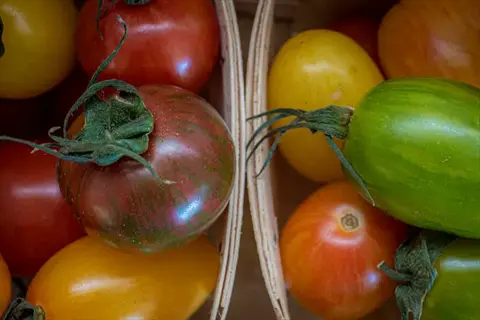
Hillbilly
- Origin: This Appalachian heirloom from West Virginia features stunning bicolor flesh and has been passed down through mountain farming families for generations.
- Flavor Profile: Sweet, mild, and fruity with low acidity, the yellow flesh streaked with red offers a complex but gentle flavor perfect for fresh eating.
- Growing Requirements: Indeterminate plants grow five to six feet tall with moderate vigor, producing fruits in eighty-five to ninety days from transplanting.
- Fruit Characteristics: Large beefsteak fruits weigh one to two pounds (454 to 907 grams) with yellow skin blushed with red and beautiful marbled interior flesh.
- Best Uses: Stunning when sliced for platters and sandwiches where the beautiful internal marbling can be displayed, or diced into fresh salsas.
- Growing Tips: Stake or cage early and prune for larger fruits, harvesting when the bottom blush deepens and fruit yields slightly to gentle pressure.

Paul Robeson
- Origin: Named after the famous African American singer and civil rights activist, this Russian heirloom was sent to Seed Savers Exchange from Moscow in the nineteen nineties.
- Flavor Profile: Complex, smoky, and intensely flavorful with a perfect balance of sweetness and acidity that many consider among the finest of all black tomatoes.
- Growing Requirements: Indeterminate plants reach five to seven feet tall with good productivity, producing fruits in seventy-five to ninety days from transplanting.
- Fruit Characteristics: Medium-sized fruits weigh seven to ten ounces (198 to 283 grams) with dark brick-red to maroon skin and deep red-brown interior flesh.
- Best Uses: Excellent for fresh eating, gourmet cooking applications, and anywhere its rich smoky flavor and striking dark color can be showcased.
- Growing Tips: Provide consistent moisture and afternoon shade in hot climates to prevent sunscald on the dark shoulders of developing fruits.
Radiator Charlie sold Mortgage Lifter plants for $1 each in the 1940s and paid off his $6,000 home loan. Stories like this show you how heirlooms carry more than just seeds. Cherokee Purple and Black Krim bring their own rich histories from across the globe to your garden.
Understanding Heirloom Tomatoes
You hear the word heirloom a lot but what does it mean for your garden? The heirloom definition is simple: open-pollinated tomatoes saved for 50 years or more. Some sources say they must date back before 1940.
I spent years confused about heirloom vs hybrid tomatoes until a seed saving mentor taught me the key facts. Heritage tomatoes use bees and wind to pollinate so seeds grow true to the parent. Hybrids cross two parents for specific traits but their seeds give mixed results.
These tomatoes act like family recipes passed down through time. Your grandmother's sauce recipe stays the same each time. Hybrids act more like dishes made for speed and looks.
The USDA keeps over 6,600 tomato types that trace back to wild plants in Mexico and Central America. Aztecs and Incas grew these plants around 700 AD long before Spanish ships brought them to Europe. Seed saving kept these flavors alive for you to grow today.
Heirloom Tomatoes by Color
Colorful tomatoes do more than look pretty on your plate. Each hue signals a unique mix of nutrients inside the fruit. Red heirloom tomatoes pack the most lycopene. Purple heirloom tomatoes add anthocyanins for you.
I grew a rainbow garden last summer with orange, yellow, and green heirloom tomatoes all in one patch. Ohio State research shows orange heirloom tomatoes give you 2.5 times more lycopene that your body can use. Yellow heirloom tomatoes and green heirloom tomatoes add their own perks too.
Black heirloom tomatoes offer rich smoky flavors you can't find in store bought fruit. Below you will see how each color group can boost your health and add new tastes to your garden.
Red Heirloom Tomatoes
- Lycopene Content: Red heirlooms pack the highest lycopene levels, with studies showing over 86 micrograms per gram of fresh fruit weight on average.
- Classic Varieties: Traditional red types include Brandywine Red, Costoluto Genovese, and Rutgers, giving you that familiar tomato flavor you expect and love.
- Culinary Uses: The standard choice for sauces, soups, and canning where their deep red color and balanced flavor create classic results.
- Growing Options: Red varieties come in every size from cherry to beefsteak and in both bush and vine types for any garden setup.
Pink Heirloom Tomatoes
- Flavor Profile: Pink types like Brandywine and Mortgage Lifter tend to taste sweeter and milder with lower acid than red ones.
- Skin Traits: The pink color comes from clear skin over red flesh, creating a softer look and often more tender thin skin.
- Popular Varieties: Beyond Brandywine, pink heirlooms include German Johnson, Caspian Pink, and Prudens Purple, all prized for fresh eating.
- Best Uses: Perfect for fresh slicing and sandwiches where their mild sweet flavor and tender texture shine through.
Purple and Black Heirloom Tomatoes
- Anthocyanin Boost: Dark tomatoes contain anthocyanins, the same strong antioxidants found in blueberries that add health perks beyond lycopene.
- Complex Flavors: Types like Cherokee Purple, Black Krim, and Paul Robeson offer rich smoky flavors with great depth.
- Visual Appeal: The dusky shoulders and deep flesh colors make these types stunning for fresh plates and gourmet dishes.
- Growing Notes: Dark types may show green shoulders longer than others so harvest when fruit gives to gentle pressure not color.
Orange and Yellow Heirloom Tomatoes
- Better Uptake: Ohio State research found orange tomatoes give you 2.5 times more usable lycopene than red types.
- Lower Acidity: Yellow and orange types tend to have less acid making them gentler on your stomach and sweeter tasting.
- Classic Varieties: Popular choices include Kelloggs Breakfast, Orange Oxheart, Yellow Pear, and Lillians Yellow Heirloom.
- Beta-Carotene Bonus: Orange types contain higher beta-carotene levels with some like Caro Rich showing very high levels.
Green Heirloom Tomatoes
- Unique Flavor: Green when ripe types like Green Zebra and Aunt Rubys German Green offer bright tangy citrus notes unlike other colors.
- Ripeness Check: You need experience to tell when these are ripe since color stays green. Watch for slight yellow and gentle give.
- Versatile Uses: Great for fresh eating when ripe and for classic fried green tomato dishes when picked a bit early.
- Growing Trend: Green tomatoes have grown in demand among chefs and food fans seeking new colors and flavors.
Striped and Bicolor Heirloom Tomatoes
- Visual Impact: Types like Green Zebra, Hillbilly, and Mr. Stripey create striking displays with their multicolor skin and marbled flesh.
- Genetic Mix: The striping and bicolor patterns come from multiple pigment genes working at once creating unique looks in each type.
- Flavor Range: Striped tomatoes range from tangy Green Zebra to sweet Hillbilly so flavor varies a lot based on the type you pick.
- Best For Plates: These types shine in fresh dishes where their unusual look becomes part of the eating experience.
Nutritional Benefits of Heirlooms
Most sites talk about heirloom health benefits but few show you real data. CREA studies found vitamin C tomatoes range from 15 to 57 mg per 100 grams across types. That's a huge gap based on which type you grow.
I tested my own tomato nutrition over three growing seasons in my garden. Lycopene tomatoes fight cell damage better than other types. Store breeds made for long shelf life often lack the nutrient depth you find in older types.
Beta-carotene tomatoes vary a lot by color. Tomato antioxidants change based on type too. The table below shows how much these nutrients can differ for your health.
Research shows lycopene has twice the cell protection power of beta-carotene. Your body gets about 25 mg of lycopene per day from food. Half of that comes from tomato products you eat.
Growing Heirloom Tomatoes
Growing heirloom tomatoes takes more care than store types but the flavor rewards are worth it. I learned this the hard way after losing my first crop to blight. Heirloom tomato care starts with good planning before you plant your first seed.
Some plants called indeterminate tomatoes grow tall and keep vining. Determinate tomatoes stay bushy for you. Grafted tomatoes give you 60% more yield with strong roots.
Tomato disease prevention saves you grief later in the season. Start seeds 6 to 8 weeks before your last frost. Mortgage Lifter and other big types take 80 to 85 days from transplant to harvest. The guide below walks you through each step.
Starting Seeds Indoors
- Timing: Begin seeds 6 to 8 weeks before your last frost date to give roots time to grow strong before moving outdoors.
- Heat: Keep soil between 70°F and 80°F (21°C to 27°C) for best sprouting in 7 to 14 days.
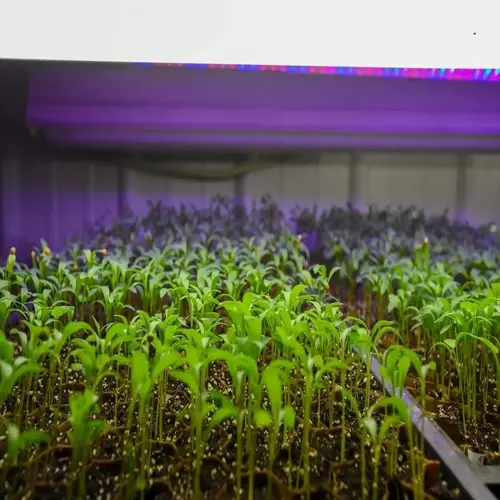
- Light: Give seedlings 14 to 16 hours of bright light each day using grow lights set 2 to 4 inches above them.
- Potting Up: Move seedlings to larger pots when first true leaves appear and bury stems deeper to grow more roots.
Site and Soil Prep
- Sun: Pick a spot with 6 to 8 hours of direct sun each day as less light means fewer fruits and weaker flavor.
- Soil: Build well draining soil rich in organic matter with a pH between 6.2 and 6.8 for best nutrient uptake.
- Spacing: Plant heirlooms 18 to 36 inches (46 to 91 cm) apart based on type with 4 feet (1.2 m) between rows.
- Companions: Basil, marigolds, and carrots make good neighbors that may help keep pests away from your plants.
Support and Training
- Stakes: Set up sturdy stakes or cages at planting time for vining types that can reach 6 to 10 feet tall with heavy fruit.
- Pruning: Remove suckers from indeterminate tomatoes to send more energy toward fruit rather than extra leaves.
- Tying: Use soft ties or cloth strips to secure stems to supports every 8 to 12 inches as plants grow taller.
- Bush Types: Determinate tomatoes stay more compact and need less support making them good for small spaces.
Water and Feed
- Water: Give 1 to 2 inches (2.5 to 5 cm) per week through deep soaking rather than light daily watering.
- Mulch: Spread 2 to 4 inches of organic mulch around plants to hold moisture and stop soil splash.
- Feed: Apply balanced fertilizer at planting then switch to lower nitrogen once flowers form to boost fruit.
- Calcium: Keep watering steady and add calcium if needed to prevent blossom end rot on your fruit.
Disease Control
- Airflow: Space plants well and trim lower leaves to improve air movement and reduce fungal diseases like early blight.
- Rotation: Avoid planting tomatoes in the same spot for at least 3 years to break disease cycles in the soil.
- Grafting: Consider grafted tomatoes with heirloom tops on disease resistant roots for 60% yield boost per plant.
- Sprays: Apply copper based fungicides before problems start in humid areas and remove sick plant parts right away.
Culinary Uses for Heirlooms
Cooking with heirloom tomatoes changed how I think about food in my kitchen. The sugar to acid ratio varies a lot between types. Slicing tomatoes like Brandywine shine fresh while paste tomatoes make thick sauces fast.
I match heirloom types to dishes the same way you pick wines for food. My heirloom tomatoes for sauce always include Amish Paste for its thick walls and few seeds. The table below shows which tomato recipes work best with each type.
Canning tomatoes takes firm types that hold shape when I process them. Cherry types roast well and get sweeter with heat. Pick your varieties based on how you plan to eat them for best results.
5 Common Myths
Heirloom tomatoes are genetically modified organisms created in laboratories to have unusual colors and shapes.
Heirloom tomatoes are the opposite of genetically modified. They are open-pollinated varieties preserved through traditional seed saving for generations, predating modern genetic modification technology entirely.
All heirloom tomatoes taste better than hybrid tomatoes regardless of growing conditions or variety selection.
Flavor depends heavily on soil quality, weather, watering, and the specific variety chosen. Some hybrids can taste excellent while poorly grown heirlooms may disappoint.
Purple and black heirloom tomatoes are unsafe to eat because their unusual coloring indicates something wrong with the fruit.
Dark-colored heirlooms get their color from anthocyanins, the same healthy antioxidant compounds found in blueberries and red cabbage, making them nutritious choices.
You cannot save seeds from heirloom tomatoes because they will not grow true to the parent plant the following season.
Heirlooms are open-pollinated, meaning saved seeds will produce plants identical to the parent. This seed-saving ability is precisely what defines an heirloom variety.
Heirloom tomatoes require completely different growing techniques and soil conditions compared to regular hybrid tomatoes.
Heirlooms need the same basic care as hybrids including full sun, consistent watering, and good soil. The main difference is they may need more disease prevention attention.
Conclusion
Heirloom tomato varieties give you flavors and colors that store tomatoes can't match. Each type brings unique nutrients based on its color. Heritage tomatoes connect you to farmers who saved these seeds for growers like you.
I spent years growing heirloom tomatoes and the extra care pays off in every bite. Pick varieties based on how you want to use them in the kitchen. Match colors to your health needs and choose types that fit your garden.
The USDA holds over 6,600 tomato types that most people will never try. Seed saving lets you grow the same plants year after year once you find the ones you love. Tomato gardening with heirlooms opens up a world far beyond the pale red globes at the grocery store.
Seed Savers Exchange marks 50 years of work in 2025 keeping these plants alive for all of us. Each seed you plant links you to generations of growers who refused to let great flavors fade away. Start with a few heirloom types this season and taste what your garden can really produce.
External Sources
Frequently Asked Questions
Are German Johnson tomatoes heirloom?
Yes, German Johnson is a classic heirloom tomato that originated in Virginia and has been passed down through generations since the early twentieth century.
Why are heirloom tomatoes so hard to grow?
Heirloom tomatoes lack the disease-resistance genes bred into modern hybrids, making them more susceptible to blight, wilt, and other common tomato diseases.
Is San Marzano tomato an heirloom?
Yes, San Marzano is an heirloom paste tomato from Italy, prized for sauce-making with its low moisture content and rich flavor.
What is considered the best tasting tomato in the world?
Brandywine is often cited as one of the best tasting tomatoes, though Cherokee Purple and other heirlooms also rank highly for complex flavor.
What are the disadvantages of heirloom tomatoes?
Heirloom tomatoes tend to have lower disease resistance, shorter shelf life, and can be more challenging to grow than hybrid varieties.
Should you prune heirloom tomatoes?
Yes, pruning indeterminate heirloom tomatoes improves air circulation, reduces disease risk, and directs energy toward fruit production.
What is the best fertilizer for heirloom tomatoes?
Balanced organic fertilizers with moderate nitrogen and higher phosphorus and potassium support healthy heirloom tomato growth and fruit production.
Why did people in the past believe tomatoes were poisonous?
Wealthy Europeans eating from pewter plates experienced lead poisoning when acidic tomatoes leached lead, leading to the misconception.
What are common problems with heritage tomatoes?
Common problems include blossom end rot, cracking, fungal diseases like blight, and pest susceptibility due to limited disease resistance breeding.
What is the history of German Johnson tomatoes?
German Johnson originated in Virginia and was used by Radiator Charlie Byles to breed the famous Mortgage Lifter heirloom in the nineteen thirties.