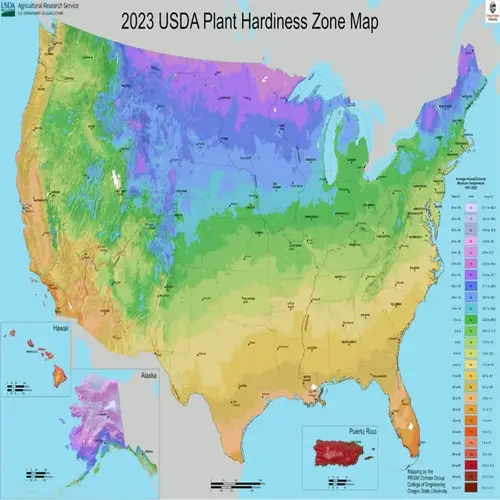

To prepare hydrangea for winter you need to consider your plant type and climate zone before taking any action. Bigleaf and oakleaf hydrangeas need the most protection since their flower buds form in fall and can freeze in cold winters. Panicle and smooth types need little to no winter prep in most areas.
Winterizing hydrangeas starts in late fall before the ground freezes but after your plant drops its leaves. You want to wait until the plant goes dormant so you don't trap moisture against active growth. Most gardeners in zones 5 and 6 should aim for mid to late November to begin their prep work.
I've grown bigleaf hydrangeas in zone 6 for over ten years and tested many protection methods. The most effective approach involves building a cage around the plant and filling it with dry leaves. This method saved my flower buds through winters that dropped below -10°F (-23°C).
For hydrangea cold protection that works, create a cylinder of chicken wire or hardware cloth around your shrub. Make it tall enough to cover the entire plant with 4 to 6 inches of extra height above the tips. Fill this cage with dry oak leaves or straw and top it with burlap to keep things in place.
The UNH Extension recommends this leaf-filled cage method as one of the best ways to protect old wood bloomers. The leaves trap air and create insulation that keeps temperatures stable around your plant. Wet leaves pack down and lose their insulating power so use dry material when you fill your cage.
Mulch forms the base layer of your hydrangea winter care routine. Apply 4 to 6 inches of shredded bark or leaf mulch around the base of your plants after the ground starts to freeze. This protects the root zone from temperature swings that can damage plants even when the tops survive.
I learned the hard way not to cut back my bigleaf hydrangeas in fall like I do my other shrubs. Those stems hold next year's flower buds and cutting them off means no blooms come spring. Leave all the dried flower heads in place since they add some frost protection to the buds below.
Stop feeding your hydrangeas by August so they have time to harden off before cold weather hits. Late fertilizer pushes new growth that won't survive winter and wastes energy your plant needs for dormancy. Water well through fall until the ground freezes to keep roots from drying out.
Panicle and smooth hydrangeas need far less winter prep since they bloom on new wood each year. A good layer of mulch over the roots is enough for most climates. These types can die back to the ground and still produce flowers the next summer.
Remove your winter protection in early spring once temperatures stay above freezing at night. Take down the cage and pull back the mulch from plant stems as new growth begins. Leaving protection too long can trap moisture and cause rot as your plant wakes up.
Check your hardiness zone before you invest time in winter prep work. Some newer bigleaf varieties like Endless Summer handle cold better than older types. Matching the right plant to your climate makes winter care much simpler for you and gives you better results overall.
My friend in zone 7 does nothing special for her bigleaf hydrangeas and they bloom great each year. I would lose all my flowers if I skipped protection in my colder zone 6 garden. Know your local climate and adjust your care routine based on what you learn about your area over time.
Read the full article: How to Prune Hydrangeas for Maximum Blooms