
Your vegetable watering frequency should aim for about 1 inch of water per week. This baseline works for most gardens with average soil. You may need to water more often in hot spells or sandy ground. Water less often in clay soil or during cool weather.
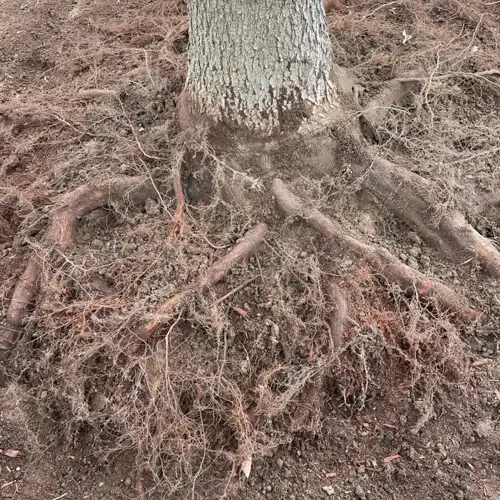
I used to water my garden every day with a quick sprinkle from the hose. My plants looked fine on top but had weak roots that stayed near the surface. When I switched to deep watering twice a week, my tomatoes grew roots that reached down over a foot. Those deeper roots helped my plants survive dry spells that killed my neighbor's garden.
How much water vegetables need changes based on what's growing in your beds. Tomatoes and peppers need steady moisture to avoid cracked fruit and blossom end rot. Lettuce has small roots that dry out fast in hot weather. Root crops like carrots want even water so they don't split. Match your watering to each crop's needs.
Your soil type plays a big role in your garden watering schedule too. Sandy soil drains fast and may need 2 inches per week to keep plants happy. Clay soil holds water longer and can drown roots if you overdo it. Loamy soil sits in the middle and works best with that standard inch per week.
Check your soil before you turn on the water. Push your finger 2 to 3 inches into the ground near your plants. If the soil feels dry at that depth, your vegetables need water. If it still feels damp, wait another day and check again. This simple test stops you from both over and under watering.
Water your garden in the morning when you can. Morning watering gives leaves time to dry before night falls. Wet leaves at night invite fungal diseases that spread fast in your garden. Your plants will stay healthier with this one timing change to your routine.
Add 3 to 4 inches of mulch around your plants to cut your watering in half. Mulch blocks the sun from baking moisture out of your soil. It also keeps soil cooler on hot days when plants stress from heat. I mulch my entire garden every spring and watch my water bill drop.
Set up a drip system or soaker hose if you want to save time and water. These tools put water right at the roots where your plants need it most. No water gets wasted on leaves or paths. Put your system on a timer and your vegetables get the right amount of water even when you forget.
Read the full article: 10 Best Vegetable Garden Layout Ideas