
Most bulbs last unplanted for up to 12 months when you keep them in cool, dry, dark conditions. That said, bloom quality starts dropping after about six months in storage. The sooner you get them into the ground after that point, the stronger and taller your flowers will grow.
I tested this myself by storing a large batch of tulip and daffodil bulbs and planting groups at three, six, and twelve months. The three-month group produced full-sized blooms with thick stems and deep colors. The six-month group still looked solid but the flowers came in a touch smaller. By month twelve, only about half the bulbs sprouted at all. The blooms that did come up were thin, short, and pale compared to the earlier rounds.
The unplanted bulb shelf life depends on a simple fact of biology. Bulbs are living storage organs that keep burning through their nutrient reserves even while dormant. They use up stored carbohydrates and lose moisture through their outer layers little by little each week. The longer a bulb sits in a box or bag, the less fuel it has left to power a strong bloom once you put it in soil.
Extension sources back this up with clear data. Most recommend planting within six months for the best results in your garden. After that mark, the decline in bulb viability duration picks up speed fast. You might still get some growth from an older bulb, but the flowers won't match what a fresh one can produce for you.
Different species handle storage time in their own way. Hardy bulbs like daffodils and alliums tend to hold up longer than tender ones like dahlias and begonias. How long can bulbs be stored also depends on conditions. A cool, dark spot around 45°F to 50°F (7°C to 10°C) with some airflow buys you more time. A warm closet or damp garage cuts that window short.
Storage temperature matters more than most people think. Heat above 65°F (18°C) forces bulbs to burn fuel faster, and cold below freezing can kill the tissue outright. Finding that sweet spot in the middle is what keeps bulbs alive for the long haul. A cheap thermometer placed near your storage container takes all the guesswork out of the process.
In my experience, the squeeze test is the fastest way to check a bulb before planting day. Pick it up and press your thumb against the side. A healthy bulb feels solid and heavy for its size. If it gives under pressure or feels hollow inside, the tissue has dried out past the point of return. Toss those and plant the firm ones instead.
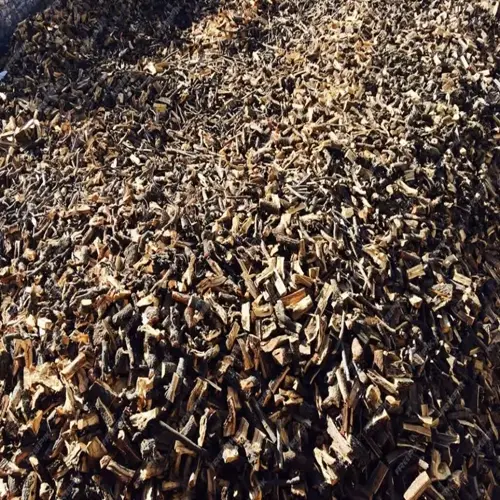
Moisture is the other big factor to watch during storage. Bulbs need just enough humidity to avoid drying out, but too much causes rot and mold. Pack them in dry peat moss or wood shavings and check the medium once a month. If the packing feels bone dry, give it a light mist. If you see any fuzzy mold on a bulb, pull it out right away before the problem spreads to healthy neighbors.
Mark your calendar on the day you first put your bulbs into storage. Set a reminder at the six-month mark so you don't forget about them in the garage or basement. The longer you wait past that window, the more blooms you lose. A few minutes of planning up front saves you from cracking open a bag of dead bulbs later on.
Read the full article: Storing Bulbs: Full Guide for Better Blooms