
Introduction
This is your How to Plant Sunflowers: Expert Guide for Vibrant Blooms and it covers all the steps you need to know. Sunflowers turn any yard into a bold display of color with very little work. They grow fast in most climates and reward you with bright blooms. You can even eat the seeds when the season wraps up.
I've grown sunflowers in 4 different climate zones over the past 8 years. The biggest lesson I picked up is that science beats guesswork every single time. Most blogs say "plant after the last frost" and stop there. That vague tip cost me 2 full rows of seeds my first spring. My soil was too cold and the seeds rotted before they ever broke the surface.
This sunflower planting guide digs deeper than the basics on most sites. You'll learn the right soil temp for germination from real university studies. You'll also get the proper depth for planting sunflower seeds by variety type. Sunflower roots reach 4 feet deep and pull water from layers that other garden plants can't tap into. Beginners love how forgiving they are. Experts love the spectacular blooms they produce each summer.
Global sunflower production hit 51.46 million metric tons in recent years, and there's a good reason for that number. These flowers are one of the most rewarding crops you can grow at home or on a farm. They give you food, beauty, and wildlife value all at the same time from a single packet of seeds.
Growing sunflowers is like following a recipe with flexible ingredients. The core steps are simple and hard to mess up. But knowing the science behind soil temp and spacing turns good results into stunning garden displays. Below you'll find variety picks and care schedules. Harvest timing and frost data are all covered too. The data comes from NDSU, Texas A&M, and other top university programs.
8 Sunflower Varieties by Purpose
Your choice of sunflower varieties shapes your whole garden this season. You'll find dwarf sunflowers for your patio and giant sunflower varieties past 12 feet. You'll find colors from pale white to deep red. The best sunflowers for beginners are the ones that fit your space and match your goals.
I've tested dozens of sunflower cultivars over the years and sorted these 8 by what they do best for you. Some are built for edible seed production while others shine as cut flower sunflowers in your vases. Branching types need 18 to 24 inches of spacing between your plants. Single stem types can sit closer together in your rows.
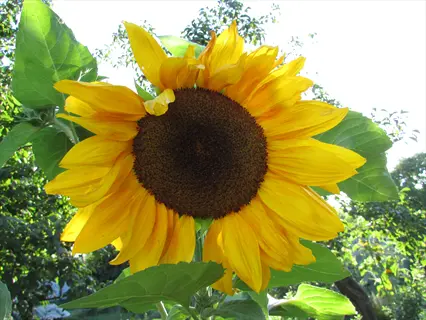
Mammoth Russian (Giant)
- Height: Mammoth Russian sunflowers grow 10 to 15 feet (3 to 4.6 meters) tall, making them among the tallest sunflower varieties available for home gardens and one of the most popular giant types worldwide.
- Bloom Size: Each plant produces a single massive flower head measuring 10 to 14 inches (25 to 36 centimeters) across, packed with large edible seeds perfect for snacking or saving for next year.
- Days to Bloom: Expect flowers approximately 80 to 100 days after planting, with the exact timing depending on soil warmth, sunlight hours, and consistent moisture during the vegetative growth phase.
- Spacing: Plant seeds 24 inches (61 centimeters) apart in rows to give each stalk room for its extensive root system and to prevent competition for sunlight between neighboring plants.
- Best For: Edible seed production and dramatic garden backdrops. These giants work well along fence lines and property borders where their height creates natural privacy screens.
- Growing Tip: Stake plants once they exceed 5 feet (1.5 meters) tall using bamboo poles or garden stakes, as strong winds can snap unsupported stems carrying heavy seed heads.
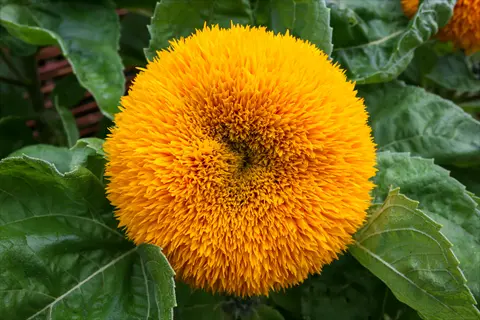
Teddy Bear (Dwarf)
- Height: Teddy Bear sunflowers reach only 2 to 3 feet (61 to 91 centimeters) tall, making them ideal for container gardens, borders, and small spaces where taller varieties would overwhelm the planting area.
- Bloom Style: These compact plants produce fluffy, fully double golden blooms that look like pom-poms. Each flower head measures 4 to 6 inches (10 to 15 centimeters) across with dense, layered petals.
- Days to Bloom: Teddy Bear sunflowers flower in about 75 to 80 days from direct sowing, which is faster than most standard and giant varieties, allowing earlier enjoyment in the growing season.
- Container Friendly: Thrive in pots as small as 12 inches (30 centimeters) in diameter with drainage holes. Use quality potting mix rather than garden soil for best results in container culture.
- Best For: Children's gardens, patio containers, and front border plantings where their compact size and cheerful appearance create visual interest without blocking sight lines or shading nearby plants.
- Growing Tip: Pinch back the main growing tip when the plant reaches 12 inches (30 centimeters) tall to encourage bushier growth and more flower buds on each individual plant.
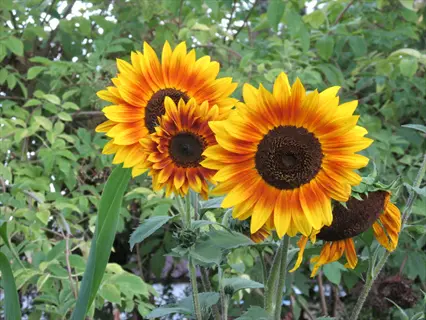
Autumn Beauty (Fall Colors)
- Height: Autumn Beauty sunflowers grow 5 to 7 feet (1.5 to 2.1 meters) tall with multiple branching stems, producing several flower heads per plant rather than the single bloom typical of giant varieties.
- Color Range: These multi-colored sunflowers display blooms in shades of gold, bronze, burgundy, mahogany, and bicolor patterns, proving that sunflowers extend far beyond the classic yellow most people expect.
- Days to Bloom: Flowers appear roughly 80 to 90 days after planting. The branching habit means new blooms continue opening over several weeks, extending the display period compared to single-stem types.
- Spacing: Space plants 18 to 24 inches (46 to 61 centimeters) apart to allow room for their branching growth habit and to ensure air circulation that helps prevent fungal problems like powdery mildew.
- Best For: Garden borders, mixed flower beds, and creating warm-toned fall displays. The range of colors on a single plant makes bouquets visually striking without needing other flower species.
- Growing Tip: Deadhead spent blooms regularly to redirect the plant's energy toward producing new flowers rather than forming seeds, extending the total blooming period by several additional weeks.
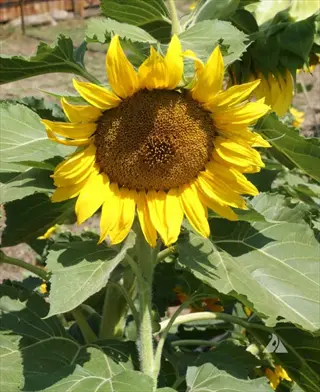
Sunspot (Compact Edible)
- Height: Sunspot sunflowers grow only 2 to 3 feet (61 to 91 centimeters) tall but produce surprisingly large flower heads up to 10 inches (25 centimeters) across, combining dwarf stature with giant-sized blooms.
- Seed Production: Despite their compact height, these plants produce plump, edible seeds comparable in size to those from full-height varieties, making them the top choice for seed harvest in small garden spaces.
- Days to Bloom: Expect blooms approximately 70 to 80 days after planting, which places Sunspot among the faster-maturing varieties available and well suited for shorter growing seasons in northern zones.
- Container Friendly: Well suited for large containers of 14 inches (36 centimeters) or wider. Support the heavy flower head with a small stake as the bloom develops to prevent stem bending or breaking.
- Best For: Gardeners who want edible seeds but lack space for giant varieties. Sunspot delivers the harvest appeal of Mammoth Russian in a package that fits raised beds and patio containers.
- Growing Tip: Feed with a balanced fertilizer once flower buds appear to support the energy demands of producing both a large flower head and a heavy seed load on a compact stem.
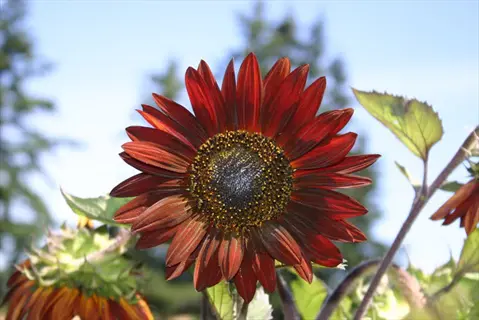
Velvet Queen (Cut Flower)
- Height: Velvet Queen sunflowers reach 5 to 6 feet (1.5 to 1.8 meters) tall with sturdy branching stems that produce multiple blooms per plant, making them highly productive for repeated cutting throughout the season.
- Bloom Color: Rich, deep crimson and dark mahogany petals surround a nearly black center disk, creating a dramatic and sophisticated look that pairs well with lighter flowers in professional and home bouquets.
- Days to Bloom: Flowers open approximately 85 to 90 days after sowing. Successive plantings every 2 to 3 weeks ensure a continuous supply of cut-ready stems from midsummer through early fall.
- Vase Life: Cut stems last 7 to 10 days in fresh water when harvested in the morning as the first petals lift away from the center disk, before the flower fully opens and begins dropping pollen.
- Best For: Cut flower gardens and floral arrangements where the unusual dark coloring adds depth. These blooms sell well at farmers markets and look stunning in autumn-themed event decorations.
- Growing Tip: Harvest stems early in the morning when water content is highest, and immediately place cut ends in cool water. Strip all leaves that would fall below the waterline in the vase.
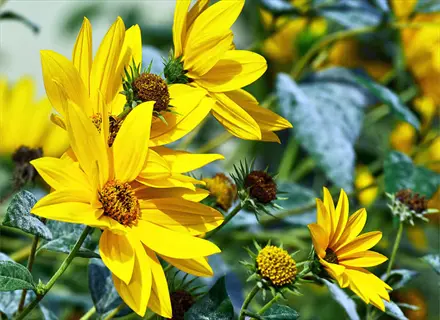
Lemon Queen (Pollinator)
- Height: Lemon Queen sunflowers grow 5 to 7 feet (1.5 to 2.1 meters) tall with multiple branching stems that produce dozens of smaller flower heads throughout the season, creating a pollinator paradise in any garden.
- Bloom Style: Soft, pale lemon-yellow petals surround dark brown center disks that are rich in both pollen and nectar, making this variety one of the top choices for attracting bees, butterflies, and beneficial insects.
- Days to Bloom: First flowers open around 80 to 90 days after planting, with new buds continuing to develop on side branches for 4 to 6 weeks after the initial bloom, extending the pollinator feeding season.
- Wildlife Value: Research shows Lemon Queen attracts a wider range of pollinator species than most other sunflower varieties, including native bees, honeybees, and hover flies that also help control garden aphids.
- Best For: Wildlife gardens, pollinator habitats, and gardeners who want both beauty and ecological function. Plant in groups of 5 or more for maximum pollinator attraction across your garden space.
- Growing Tip: Allow spent flower heads to remain on the plant through fall so finches and other seed-eating birds can feed naturally, turning your sunflower patch into a winter bird feeding station.
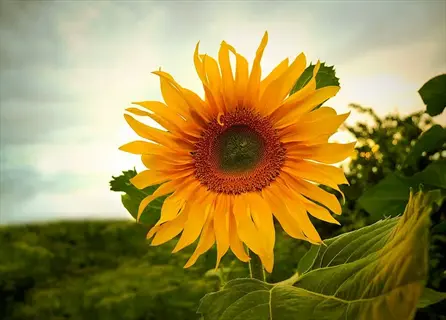
ProCut Series (Pollenless)
- Height: ProCut sunflowers grow 4 to 6 feet (1.2 to 1.8 meters) tall and produce single stems with one large bloom each, bred specifically for the cut flower industry with uniform growth and predictable timing.
- Pollenless Advantage: These hybrids produce no pollen, which means clean tabletops, no staining on clothing or linens, and a longer vase life since the flower expends no energy producing reproductive material.
- Days to Bloom: ProCut varieties are among the fastest blooming sunflowers at 50 to 60 days from sowing, allowing multiple succession plantings within a single season for continuous cut flower supply.
- Color Options: Available in classic gold, bicolor (yellow with dark centers), orange, and lemon shades. Each color variant maintains the same pollenless, single-stem growth habit for consistent bouquet quality.
- Best For: Florists, wedding arrangements, and indoor displays where pollen would create mess or trigger allergies. These are the professional standard for sunflower cut flowers at events and floral shops.
- Growing Tip: Sow seeds every 10 to 14 days from late spring through midsummer to maintain a steady harvest schedule, and plant in blocks rather than rows for easier cutting and harvest management.
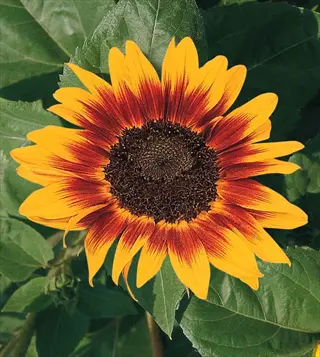
Ring of Fire (Bicolor)
- Height: Ring of Fire sunflowers grow 4 to 5 feet (1.2 to 1.5 meters) tall with a single sturdy stem supporting one dramatic bicolor flower head that creates a striking focal point in any garden setting.
- Bloom Pattern: Each flower features golden-tipped petals that transition through a fiery ring of red and mahogany toward a dark center disk, creating the flame-like pattern that gives this variety its name.
- Days to Bloom: Blooms appear approximately 80 to 85 days after sowing. The moderate height and single-stem habit make this variety easier to stake and manage than taller branching types in windy locations.
- Flower Size: Flower heads measure 5 to 6 inches (13 to 15 centimeters) across, sized perfectly for mid-scale bouquets and table arrangements where giant varieties would be too large and overwhelming.
- Best For: Garden focal points, mixed borders, and arrangements where the unique bicolor pattern adds visual drama. Plant in groups of 3 to 5 for a concentrated burst of warm autumn-toned color.
- Growing Tip: Provide consistent moisture during bud development to ensure the most vivid color contrast in the petals. Water stress during this stage can result in muted tones and smaller flower heads.
Your best bet as a new grower is Teddy Bear or Mammoth Russian since both are tough to kill. Teddy Bear gives you quick blooms in small spaces. Mammoth Russian gives you the classic giant sunflower look that everyone loves to see in a yard.
Planting Sunflower Seeds
Knowing when to plant sunflowers starts with your soil, not your calendar. The soil temperature for sunflowers needs to hit at least 50°F before you put seeds in the ground. Seeds can sprout at 42°F but Texas A&M research shows that 50°F gives you much more uniform stands. A 2023 MDPI Agriculture study found the best germination happens at 77°F with a viable range from 59°F to 95°F.
I check my soil temp with a cheap kitchen thermometer pushed 2 inches deep. I do this for 3 mornings in a row and that tells me if the ground is warm enough. In my experience, direct sowing sunflowers works better than starting them inside. Their long taproots hate being moved to a new spot. You'll see sprouts pop up in 7 to 10 days when conditions are right.
Your sunflower planting depth should be 1 to 2 inches below the soil surface. Push each seed in with your finger and cover it with loose soil. For sunflower seed spacing, give dwarf types 6 to 12 inches and give giants 18 to 24 inches between each plant. Planting sunflower seeds too close together leads to thin stems and small blooms that fall over in the wind.
The table above gives you a starting point for your zone. But always test your soil temp before you sow because microclimates vary from yard to yard. A south facing bed can be ready 2 weeks before a shaded north side spot in the same garden.
Sunflower Care and Feeding
Good sunflower care changes with each stage of growth, and I learned that the hard way my first season. Watering sunflowers the same amount from seed to bloom is one of the most common mistakes I see new growers make. NDSU Extension data shows these plants use about 19 inches of water across a full season with peak use in July and August.
Below you'll find tips on fertilizing sunflowers and staking sunflowers by growth stage. Mulching sunflowers and sunflower weed control are covered too. WVU Extension says you need about 1 inch of water per week. The real key is the 20 day window before and after flowering when stress hits hardest.
Seedling Stage (Weeks 1 to 3)
- Watering: Keep soil consistently moist but not waterlogged during the first three weeks after germination. Seedlings have short roots and dry out faster than older plants, so check moisture daily.
- Thinning: Once seedlings reach 3 to 4 inches (8 to 10 centimeters) tall, thin to the recommended spacing by snipping extra plants at soil level rather than pulling them to avoid disturbing nearby roots.
- Weed Control: Remove weeds by hand within a 6-inch (15-centimeter) radius around each seedling. Young sunflowers compete poorly with weeds, and research shows uncontrolled weeds reduce yield by 60% to 90%.
- Protection: Shield seedlings from slugs, snails, and birds using lightweight row covers or individual plant collars made from cardboard tubes. Remove covers once plants exceed 6 inches (15 centimeters) in height.
Vegetative Growth (Weeks 4 to 8)
- Watering: Transition to deep watering sessions of 1 inch (2.5 centimeters) per week, delivered in one or two thorough soakings rather than daily light sprinkles that encourage weak root development.
- Fertilizing: Apply a balanced granular fertilizer or compost side-dressing when plants reach 12 inches (30 centimeters) tall. Avoid high-nitrogen fertilizers late in growth, which promote leaves at the expense of blooms.
- Staking: Install stakes or garden ties beside plants that will exceed 5 feet (1.5 meters) tall before they need support. Placing stakes early avoids damaging the expanding root system later in the season.
- Mulching: Apply 2 to 3 inches (5 to 8 centimeters) of organic mulch around the base of plants to retain soil moisture, suppress weeds, and regulate soil temperature during hot summer afternoons.
Bud and Bloom (Weeks 9 to 13)
- Critical Watering: The 20-day period before and after flowering is the most water-sensitive stage. Moisture stress during this window directly reduces bloom size, seed fill, and overall plant health.
- Feeding Pause: Stop fertilizing once flower buds appear. Additional nitrogen at this stage can delay blooming and redirect energy from flower and seed development into unnecessary leaf production.
- Head Support: Heavy flower heads on tall varieties may bend or snap the stem. Tie the stem loosely to a stake using soft garden twine positioned just below the flower head for gentle support.
- Pest Watch: Monitor flower heads daily for sunflower moths, aphid colonies, and seed weevils. Handpick larger insects and apply insecticidal soap for aphid outbreaks to protect developing seeds.
Maturation and Seed Set (Weeks 14+)
- Reduced Watering: Gradually decrease watering as the back of the flower head turns from green to yellow and eventually brown. Excess moisture at this stage promotes head rot and mold growth on developing seeds.
- Bird Protection: Cover ripening seed heads with breathable mesh bags or cheesecloth to prevent birds and squirrels from stripping seeds before you are ready to harvest them for eating or replanting.
- Leaf Drop: Lower leaves will yellow and drop naturally during seed maturation. This is normal nutrient redistribution, not a sign of illness, as the plant channels resources into seed development.
- Harvest Timing: Seeds are ready to harvest when the back of the head turns completely brown and seeds feel firm when pressed. Cut the head with 12 inches (30 centimeters) of stem attached for drying.
Companion Plants for Sunflowers
Choosing the right sunflower companion plants can boost your whole garden's output. Most people don't think about sunflower garden design beyond just the sunflowers. But the plants that grow well with sunflowers can share the space and even help each other thrive. I've tested dozens of pairings and the list below shows what works in a real sunflower garden layout.
NDSU Extension research shows sunflower roots reach 4 feet deep and pull resources from well below other plant root zones. That means your companions won't compete for the same water and nutrients. But sunflowers do release chemicals that can hurt certain plants nearby. Picking the right pairings matters just as much as picking the right varieties.
Squash and Cucumbers
- Shade Benefit: Tall sunflowers create afternoon shade that protects heat-sensitive squash and cucumber leaves during peak summer temperatures, reducing wilting and extending the productive harvest window for these vine crops.
- Pollinator Sharing: Both sunflowers and cucurbits rely on bee pollination. Planting them together creates a concentrated pollinator destination that increases visit rates and improves fruit set on squash and cucumber plants.
- Spacing Strategy: Plant squash or cucumbers 18 to 24 inches (46 to 61 centimeters) from sunflower stems and allow vines to spread outward from the sunflower row rather than competing directly at the base.
Lettuce and Leafy Greens
- Living Shade: Sunflower stems create dappled shade that extends the growing season for cool-weather lettuce, spinach, and other leafy greens that bolt quickly in direct summer heat and full afternoon sun exposure.
- Root Zone Separation: Lettuce roots stay in the top 6 inches (15 centimeters) of soil while sunflower taproots reach 4 feet (1.2 meters) deep, meaning these plants draw water and nutrients from entirely separate soil layers.
- Succession Timing: Plant lettuce seeds around sunflower seedlings in spring. By the time sunflowers grow tall enough to cast meaningful shade, lettuce will be at the stage where it benefits most from reduced light intensity.
Basil and Herbs
- Pest Deterrent: Basil's strong essential oils help repel aphids, whiteflies, and some beetle species that commonly target sunflowers, creating a natural pest management partnership without chemical treatments.
- Space Efficiency: Compact herbs like basil, oregano, and thyme fill the ground level beneath sunflower stalks, maximizing garden productivity per square foot while suppressing weeds through living ground cover.
- Planting Distance: Set herb transplants 8 to 12 inches (20 to 30 centimeters) from sunflower stems where they receive morning sun but benefit from light afternoon shade that preserves their aromatic oil production.
Plants to Keep Separate
- Allelopathic Risk: Sunflowers release chemicals from their roots and decomposing plant material that can inhibit seed germination and growth of nearby sensitive plants including beans, potatoes, and pole beans.
- Heavy Feeders to Avoid: Do not plant corn directly beside sunflowers since both are heavy feeders that compete aggressively for the same soil nutrients, resulting in reduced performance from both crops.
- Spacing Buffer: Maintain at least 3 feet (91 centimeters) between sunflower rows and sensitive companion plants to minimize allelopathic effects while still allowing beneficial insect movement between plantings.
Harvesting Sunflower Seeds
Harvesting sunflower seeds at the right time gives you the plumpest, most flavorful seeds from your garden. Texas A&M research says you should harvest 30 to 45 days after peak bloom for the best results. I missed that window my first year and lost half my seeds to birds and rain rot before I could cut the heads down.
You'll know when to harvest sunflowers by watching for 3 clear signs. The back of the flower head shifts from green to yellow and then to brown. The petals dry up and fall off on their own. The seeds feel firm and plump when you press them with your thumb. If the head starts drooping toward the ground, you're in the sweet spot for cutting.
Cut the head off with about 12 inches of stem still attached. Hang it upside down in a dry spot with good air flow. You can wrap the head in a mesh bag or cheesecloth to catch seeds that fall as they dry. Drying sunflower seeds takes about 1 to 2 weeks in a warm, dry room. You'll know they're done when the seeds pop out of the head with a light rub.
Saving sunflower seeds for next year is as simple as storing the dried seeds in a paper bag in a cool, dark spot. For eating sunflower seeds, soak them in salt water overnight and then roast at 300°F for about 30 minutes. The sunflower seed nutrition profile is impressive with 20% protein and 31% healthy fats plus vitamins E and B. Each tablespoon packs 51 calories and 2 grams of protein.
I keep some seeds for my garden and roast the rest for snacking all winter long. Growing your own food from a single packet of seeds is one of the most rewarding parts of gardening. The taste of fresh roasted sunflower seeds from your own yard beats anything you'll find in a store bag.
Frost Tolerance by Growth Stage
Sunflower frost tolerance changes as your plants grow, and most gardening blogs skip this fact. NDSU Extension research shows seedlings can handle much colder temps than plants in the bud stage. These numbers help you decide when to plant sunflowers based on your USDA hardiness zones sunflowers grow best in. In my experience, this data let me push planting dates 2 weeks earlier without losing a single crop to frost.
The sunflower temperature range for survival depends on the growth stage your plant is in right now. Young seedlings with 1 to 3 true leaves can survive down to 26°F while flowering plants take damage at just 30°F. Your sunflower growing conditions matter most during the bud and bloom stage when frost risk is highest for your crop.
Check your local forecast against the table above before you plant or when a cold snap is in the forecast. If your seedlings face a night below 26°F, cover them with a cloth or bucket. Once they reach the flowering stage, even a light frost at 30°F can ruin your seed set for the whole season.
5 Common Myths
Sunflowers always face the sun throughout their entire life, following it from east to west each day without stopping.
Only young sunflowers track the sun through heliotropism. Once mature, sunflower heads permanently face east to warm up faster in the morning and attract more pollinators.
Sunflowers drain all the nutrients from the soil and make the ground useless for other plants nearby.
While sunflowers are heavy feeders, their deep taproots actually break up compacted soil and can draw nutrients from 4 feet (1.2 meters) below the surface, benefiting future plantings.
You must start sunflower seeds indoors weeks before the last frost to get them to bloom on time.
Sunflowers strongly prefer direct sowing outdoors. Their long taproots make transplanting stressful, and direct-sown seeds in warm soil germinate in just 7 to 10 days.
Sunflowers need constant watering every day to grow tall and produce large flower heads throughout the season.
Sunflowers are moderately drought tolerant thanks to root systems reaching 4 feet (1.2 meters) deep. They need about 1 inch (2.5 centimeters) of water per week, not daily soaking.
All sunflowers grow extremely tall and are not suitable for small gardens, patios, or container planting.
Dwarf sunflower varieties like Teddy Bear and Sunspot grow only 2 to 3 feet (61 to 91 centimeters) tall and thrive in containers as small as 12 inches (30 centimeters) across.
Conclusion
You now have all the tools you need for growing sunflowers that stand tall and bloom strong. This sunflower planting guide covered the key steps from seed to harvest. Wait for your soil to hit 50°F, plant seeds 1 to 2 inches deep, and give them 6 to 8 hours of sun each day. You'll see sprouts in 7 to 10 days and blooms in 85 to 95 days.
Knowing how to plant sunflowers comes down to a few core ideas. Pick a variety that fits your garden size and goals. Water deep instead of often, and pay extra attention during the 20 day window around flowering. Use the frost table and zone chart to time your planting sunflower seeds for the best results in your area.
In my experience, the growers who get the best results are the ones who try new varieties each season and adjust based on what they learn. Your first round of sunflowers teaches you more about your soil and microclimate than any blog post can. Trust the process and lean on the data when you're not sure.
Try succession planting every 2 to 3 weeks for blooms that last from summer into fall. Mix a few dwarf types in pots with some giants along your fence line. Each round gives you fresh flowers, fresh seeds, and a reason to get back outside. Your garden is ready for sunflowers and this guide will be here when you need it.
External Sources
Frequently Asked Questions
What is the best time to plant sunflowers?
Plant sunflower seeds outdoors after the last frost when soil temperature reaches at least 50°F (10°C), typically mid-April through June depending on your region.
What is the right method for planting sunflower seeds?
Sow seeds directly into the ground 1 to 2 inches (2.5 to 5 centimeters) deep, spaced 6 to 24 inches (15 to 61 centimeters) apart depending on variety, in well-drained soil with full sun exposure.
Do sunflowers grow as perennial plants?
Most garden sunflowers (Helianthus annuus) are annuals that complete their life cycle in one season, though some species like Helianthus maximiliani are true perennials.
Will sunflower seeds require soaking before planting?
Soaking sunflower seeds before planting is optional. Seeds germinate well without soaking in 7 to 10 days when soil conditions are right, though a brief soak can speed germination.
How much daily sunlight do sunflowers need?
Sunflowers perform best with 6 to 8 hours of direct sunlight each day. They are heliotropic plants that track the sun during their growing phase.
Which mistakes should I avoid when watering sunflowers?
Overwatering established sunflowers is the most common error, which causes root rot. Provide about 1 inch (2.5 centimeters) of water per week and water deeply rather than frequently.
What is the best way to protect sunflowers from pests?
Use physical barriers for deer and birds, handpick larger insects, apply neem oil for aphids, and rotate planting locations yearly to reduce soil-borne pathogens.
Is it okay to grow sunflowers in containers?
Yes, dwarf sunflower varieties that grow 2 to 3 feet (61 to 91 centimeters) tall thrive in containers at least 12 inches (30 centimeters) in diameter with good drainage.
Which soil conditions do sunflowers prefer?
Sunflowers prefer well-drained loamy soil with a pH between 6.0 and 7.0, enriched with compost. They tolerate poor soil but produce better blooms in fertile ground.
How long before sunflowers bloom after planting?
Most sunflower varieties bloom 85 to 95 days after planting, with the full range spanning 70 to 120 days depending on variety and growing conditions.