
Introduction
You want to know how to grow walnuts: 7 essential steps for healthy trees is what this guide covers in full detail. A single mature walnut tree grows about 50 feet tall with an equal spread across your yard. Once it hits full output, that same tree pumps out 50 to 80 pounds of nut kernels each year for your family to enjoy. Few other backyard nut trees come close to that kind of return on a small patch of your own land.
I planted my first walnut tree over 12 years ago, and that one choice changed how I look at my whole yard. Think of planting a walnut tree like opening a savings account that pays you back for the rest of your life. These trees can live 200 or more years, so what you put in the ground today will still be feeding people long after you are gone. That kind of long term return makes the wait worth every single season you care for the tree.
California grows 99% of the U.S. walnut crop, but home growers in USDA zones 4 through 9 can produce healthy walnut trees with a solid walnut tree care plan. Growing walnut trees starts with picking the right variety for your climate zone and soil type. Then you need to give the tree what it needs during those first few key years to build a strong root system. Get that base right and the tree does the heavy lifting on its own for decades to come. Your land gains value and your kitchen gains a fresh supply of one of the best nuts on earth.
Below you will find 7 clear steps that use data from top schools and the USDA. You will learn about soil prep, smart pruning, and pest control that keep your trees strong. Each step builds on the last one so you can follow along from your very first planting day all the way through your first big fall harvest.
7 Steps to Grow Healthy Walnuts
This walnut tree growing guide breaks the whole process into 7 clear steps from variety to harvest. Each step draws on data from top university research so you get real methods that work. USU Extension confirms nut production begins at 7 to 8 years with full output at about 15 years. Treat each step as part of a long care plan that pays off for decades.
I have walked dozens of new growers through planting walnut trees on their land over the years. The ones who follow all 7 steps in order always end up with stronger trees than those who skip ahead. Your walnut tree soil requirements, sunlight needs, and walnut tree spacing all need to line up before you put anything in the ground.
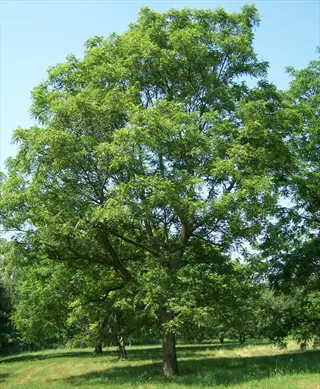
Choose Your Walnut Variety
- Selection Criteria: Match your walnut variety to your USDA hardiness zone and available space, as tree size ranges from 20 feet for dwarf types to 80 feet for black walnut in optimal conditions.
- English Walnut: Juglans regia is the most popular choice for home orchards due to thinner shells, milder flavor, and smaller mature size of 40 to 60 feet (12 to 18 meters).
- Black Walnut: Juglans nigra produces high-value hardwood and bold, distinct nuts but requires 40 to 80 feet (12 to 24 meters) of spacing and releases more juglone.
- Cold Climate Options: Carpathian walnut varieties are bred for USDA zones 4 and 5, tolerating winter temps down to minus 30 degrees Fahrenheit (minus 34 degrees Celsius).
- Regional Picks: OSU Extension recommends Franquette for Oregon, while Chandler and Howard perform best in California growing conditions.
- Grafted vs Seedling: Grafted trees produce nuts 2 to 3 years sooner than seedling-grown trees and maintain consistent variety characteristics.
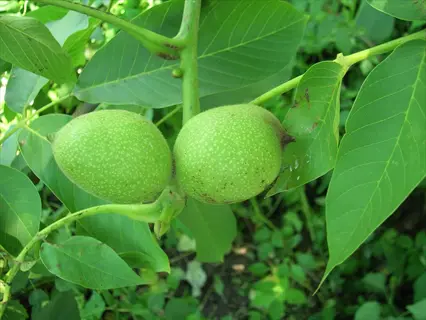
Select the Right Planting Site
- Sunlight: Walnut trees need at least 6 to 8 hours of direct walnut tree sunlight each day for proper nut growth and canopy spread.
- Soil Depth: OSU Extension specifies a minimum soil depth of 6 feet (1.8 meters) because walnut trees develop deep taproots that anchor the tree and access groundwater.
- Drainage: Well-drained loamy soil prevents root rot, which is the leading cause of walnut tree death in poorly drained clay soils.
- Soil pH: Maintain a pH between 6.0 and 7.5, as verified by CDFA and USU Extension sources, by testing soil before planting and amending with sulfur or lime as needed.
- Air Circulation: Choose a site with good air movement to reduce walnut blight risk, especially in humid regions where bacterial infection pressure is highest.
- Spacing: Plan 20 to 40 feet (6 to 12 meters) between English walnut trees and 40 to 80 feet (12 to 24 meters) for black walnuts to allow full canopy development.
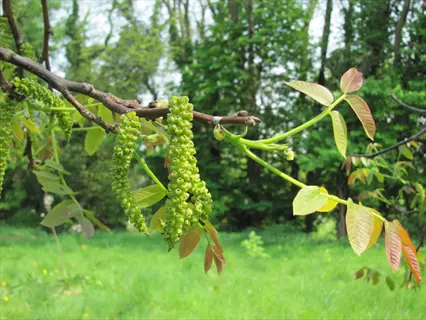
Plant at the Right Time
- Best Window: Plant bare-root walnut trees in late winter to early spring while the tree is still dormant. This is most often February through April based on your region.
- Fall Option: Container-grown trees can also be planted in fall, at least 6 weeks before the first expected frost to allow root establishment before winter.
- Hole Preparation: Dig a planting hole twice the width of the root ball and deep enough so the graft union sits 2 inches (5 centimeters) above the soil line.
- Root Handling: Soak bare-root trees in water for 12 to 24 hours before planting and trim any broken or circling roots with clean pruning shears.
- Backfill Method: Fill the hole with native soil mixed with compost and press it down tight to remove air pockets that can dry out roots and slow growth.
- Initial Mulch: Apply 2 to 3 inches (5 to 8 centimeters) of organic mulch over the root zone, keeping it 4 inches away from the trunk to prevent bark rot.
Water Consistently
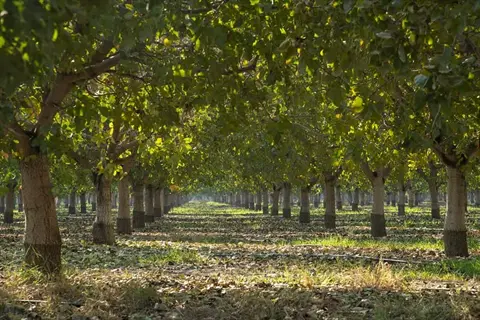
- Weekly Amount: Provide 1 to 1.5 inches (2.5 to 3.8 centimeters) of water per week during the growing season through rainfall or supplemental irrigation.
- Young Trees: Water new trees with deep soaks twice per week for the first two growing seasons to push roots down rather than keeping them near the surface.
- Irrigation Method: Drip irrigation is the best method for walnut trees, sending water straight to the root zone while keeping foliage dry to cut blight risk.
- Established Trees: Reduce watering frequency but increase volume as trees mature, focusing on deep soaking that reaches the full root depth of 6 or more feet (1.8 or more meters).
- Drought Stress Signs: Watch for wilting leaves, premature leaf drop, and small undersized nuts as indicators that the tree needs more water during dry periods.
- Fall Reduction: Cut back watering in late September to help the tree harden off before winter dormancy. This prevents late season growth that is prone to frost damage.
Fertilize Based on Soil Tests
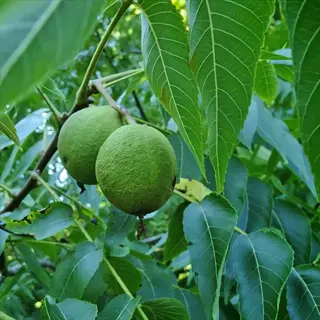
- Nitrogen Priority: CDFA research shows mature walnut trees remove about 40 pounds of nitrogen per ton of harvested in-shell walnuts, making nitrogen the most critical nutrient.
- First Year Rate: Apply 0.2 to 0.3 pounds of nitrogen per tree during the first growing season, increasing each year until you reach 75 to 150 pounds per acre by year five.
- Timing Window: Apply nitrogen fertilizer from early April through late July, as applications outside this window reduce uptake efficiency and can promote late-season frost-vulnerable growth.
- Leaf Analysis: Test leaf tissue in July to August, targeting nitrogen levels of 2.2% to 3.2% dry weight; levels below 2.1% indicate a deficiency that needs correction.
- Potassium Needs: Watch for pale leaves with upward-folding edges in early summer, which signal potassium deficiency requiring 240 pounds of K2O per acre on sandy soils.
- Boron Attention: OSU Extension identifies boron as the second most deficient nutrient in walnut orchards after nitrogen, requiring annual monitoring through leaf tissue testing.
Manage Pests and Diseases
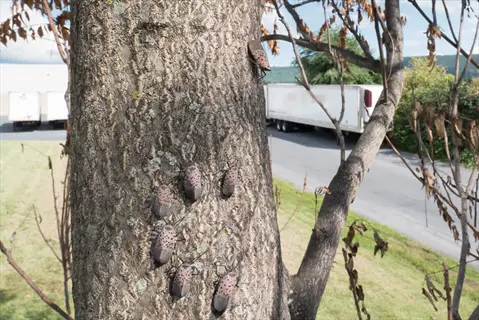
- Scope of Threats: UC IPM documents 19 key invertebrate pests and 13 fungal and bacterial diseases that can affect walnut trees across a year-round management cycle.
- Top Insect Threat: Walnut husk fly is the most common insect pest per USU Extension, with maggots damaging hulls and causing black staining that reduces nut quality.
- Critical Disease: Thousand cankers disease is nearly 100% fatal in black walnut within 2 to 4 years, caused by the walnut twig beetle carrying Geosmithia morbida fungus.
- Blight Control: Apply copper sprays three times during the bloom period per OSU Extension guidelines, though resistance to copper products has been documented in California.
- IPM Approach: Follow a seven-phase seasonal program covering dormancy, delayed dormancy, budbreak, bloom, nut development, harvest, and postharvest monitoring stages.
- Root Rot Prevention: Armillaria root rot cannot be treated once established, so prevention through proper drainage, resistant rootstocks, and avoiding planting in previously infected soil is essential.
Harvest and Store Properly
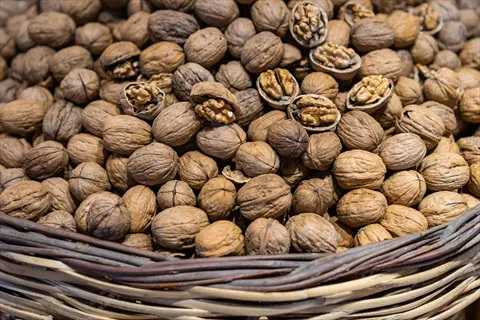
- Harvest Timing: Collect walnuts when the green outer hull cracks and pulls away from the shell. This happens most often in late September through October based on your variety.
- Gathering Method: Pick up fallen nuts each day to prevent mold and squirrel damage, or give branches a light shake and collect from a tarp placed under the tree.
- Hull Removal: Remove the green hull within 24 hours of harvest to prevent staining and off-flavors from tannins soaking through the shell into the kernel.
- Drying Process: Dry walnuts at 95 to 105 degrees Fahrenheit (35 to 41 degrees Celsius) per OSU Extension, spreading them in a single layer with good airflow for 2 to 3 weeks.
- Storage Duration: USU Extension data shows dried walnuts store 3 to 6 months at room temperature, up to 1 year below 32 degrees Fahrenheit (0 degrees Celsius), and 2 or more years below 0 degrees Fahrenheit (minus 18 degrees Celsius).
- Yield Expectations: A mature home orchard tree produces 50 to 80 pounds (23 to 36 kilograms) of kernels per year per USU Extension, with Oregon trees averaging about 100 pounds per OSU data.
The first 5 years of walnut tree care set the tone for everything that comes after. CDFA data shows first season nitrogen starts at just 0.2 to 0.3 pounds per tree and ramps up to 75 to 150 pounds per acre by year five. Get that feeding schedule right and your trees build the root mass they need to produce nuts for a lifetime.
Walnut Varieties by Region
Your walnut cultivar selection is the single biggest choice you make as a grower. Pick the wrong type of walnut tree for your area and no amount of good care will fix it. I have seen growers waste 5 or more years on a variety that was never going to thrive in their zone.
The table below compares the top walnut tree varieties and links each one to the U.S. region where it does best. English walnut, black walnut, and Carpathian walnut all have sweet spots based on your zone. OSU Extension picks Franquette for Oregon growers. Chandler and Howard do best in California's warm climate.
If you live in a cold climate, Carpathian walnut types give you the best shot at a real crop. You won't lose your tree to harsh winters with these cold tough varieties. Growers in warm zones get more from the Howard or Chandler types of walnut trees. Both bear fruit sooner and put out more nuts each season.
Soil and Nutrition Science
Most guides skip the soil science, but your walnut tree soil requirements make or break your harvest over time. I tested my own soil 3 times before planting because the wrong walnut soil pH can stunt a tree for years. You need a pH between 6.0 and 7.5 and at least 6 feet of well drained soil depth for roots to grow down deep.
The right walnut tree fertilizer plan uses real data instead of guesswork. Jones et al. found that late summer feeding boosted nut output by 32% over spring fed trees. Trees with no walnut tree nitrogen at all produced 34% fewer nuts. The list below breaks down each key nutrient so you can spot problems fast and apply the right soil amendments for walnut trees.
Nitrogen Management
- Removal Rate: Mature walnut trees remove about 40 pounds of nitrogen per ton of harvested in-shell walnuts per CDFA guidelines.
- Leaf Test Standard: Good nitrogen levels measure 2.2% to 3.2% dry weight in July leaf tissue samples. Levels below 2.1% mean a deficiency that needs fixing.
- Deficiency Signs: Pale and small leaves with weak shoot growth in spring tell you the tree needs more nitrogen right away.
- Application Rate: Apply 0.2 to 0.3 pounds of nitrogen per tree in year one, then ramp up each year to 75 to 150 pounds per acre by the fifth growing season.
Potassium Requirements
- Soil Removal: Walnut harvests remove about 15 pounds of K2O per ton of nuts, so you need to put it back each year to keep the tree in good shape.
- Deficiency Symptoms: Pale leaves with edges that fold upward in early summer signal a potassium shortage that hurts nut growth.
- Sandy Soil Fix: Apply 240 pounds of K2O per acre on sandy soils where potassium washes through the root zone fast.
- Clay Soil Fix: Clay and silt loam soils may need up to 900 pounds of K2O per acre because potassium locks onto clay and won't release.
Boron and Micronutrients
- Second Most Lacking: OSU Extension calls boron the second most lacking nutrient after nitrogen in walnut orchards, so test for it each year.
- Phosphorus Rarity: Phosphorus shortages are rare in most walnut areas and show up most often on volcanic soils in the western United States.
- Leaf Tissue Testing: Get your leaf tissue tested in July through August for the best snapshot of what your tree needs and what it is missing.
- Organic Options: Aged compost and composted manure give your trees slow release micronutrients that also feed the soil biology around the roots.
Fertilization Timing
- Application Window: Apply nitrogen from early April through late July for the best uptake per CDFA research.
- Late Summer Benefit: Jones et al. found late summer feeding boosted nut output by 32% over trees that got fed in spring alone.
- Avoid Late Doses: Nitrogen after August pushes new growth that is prone to early frost damage and winter cold injury.
- Split Applications: Divide your total nitrogen rate into 2 or 3 doses across the April to July window for better uptake and less runoff.
Start with a full soil test before you plant and retest every 2 to 3 years after that. Leaf tissue tests in midsummer give you the most accurate read on what the tree still needs. Most walnut growers I know who skip this step end up guessing wrong and either over feed or under feed their trees for years.
Watering and Irrigation Guide
Walnut tree watering is about depth, not how often you turn on the hose. Think of it like filling a tall bucket slow and steady rather than splashing water into a wide pan over and over. Your walnut roots reach 6 or more feet into the ground, so surface sprinkling does almost nothing for them.
I learned this the hard way when my second walnut tree started dropping leaves in July. The soil looked wet on top but was bone dry at root level. Established trees need 1 to 1.5 inches of water per week during the growing season. Young trees need deep watering walnut soaks twice a week for the first 2 years to push those roots down deep where they belong.
Drip irrigation walnut setups work best because they send water right to the roots without wetting the leaves. Wet foliage invites walnut blight, so keep that canopy dry. USU Extension also confirms that 2 to 3 inches of mulch over the root zone cuts water loss and blocks weeds from stealing moisture.
Your walnut tree irrigation schedule should shift with the seasons. Water hard from May through August when the tree is growing fast and nuts are forming. Cut back in September to let the tree harden off before winter. Walnut tree drought tolerance is decent once the roots go deep. But water stress during nut fill leads to small, shriveled kernels that aren't worth cracking.
Watch out for too much water as well. Armillaria root rot thrives in soggy soil and cannot be treated once it takes hold per UC IPM research. Good drainage matters just as much as getting enough water to the roots. If your soil stays wet for days after rain, you may need to raise your planting site or add drainage tiles before you put a walnut tree in the ground.
Pruning and Tree Training
Walnut tree pruning scares a lot of new growers, but it doesn't have to be hard if you know when to prune walnut trees and what to cut. The biggest mistake I see people make is pruning in late winter like they would with apple trees. Walnut trees bleed sap when you cut them during dormancy, and that sap flow opens the door to bacterial infections.
The best walnut pruning time is late summer through early fall while the tree still has leaves. Cuts heal faster in warm weather and the sap flow is much lower during this window. I switch all my corrective pruning walnut work to August and September and the difference in healing speed is clear.
USU Extension recommends central leader training walnut trees from year one. This means you pick one strong upright shoot as the main trunk and remove branches that compete with it. Space your scaffold branches 18 to 24 inches apart along the trunk so each one gets full sun and good air flow.
In year one, focus on keeping that single leader straight and strong. Remove any forks or double leaders as soon as you spot them. By year 2 and 3, start picking your first scaffold branches and remove the rest. In years 4 and 5, thin out crowded spots and keep the canopy open enough for light to reach the inner branches.
After year 5, your pruning shifts from training to upkeep. Remove dead, damaged, or crossing branches each fall to keep the tree healthy. A well trained walnut tree needs less work each year as it grows. The structure you built early on guides the growth pattern for decades to come.
Pest and Disease Prevention
Walnut tree pests and walnut tree diseases can wreck a good tree fast if you don't catch them early. UC IPM has documented 19 key insect pests and 13 fungal and bacterial diseases that target walnuts. I lost a whole branch on one of my black walnut trees to walnut blight before I learned the signs.
Good walnut pest management starts with a plan. Your integrated pest management walnut plan should cover 7 phases through the year. You start scouting at dormancy and keep going through postharvest cleanup. The table below ranks the top threats by how much damage they cause. Walnut husk fly, thousand cankers disease, and walnut blight need your closest watch.
Copper sprays have been the go to treatment for walnut blight for years, but copper resistance has been seen in California per UC IPM. That means growers may need to rotate products or add other tools to their spray plan. Keep your orchard clean by removing old nuts and fallen debris each fall to cut down the pest load for next season.
5 Common Myths
Walnut trees grow too slowly to be worth planting in a home garden or backyard orchard.
While walnut trees take 7 to 8 years for first nuts, a single mature tree can produce 50 to 80 pounds (23 to 36 kilograms) of kernels annually for decades.
All walnut trees release juglone that kills every plant growing within their root zone.
English walnuts produce far less juglone than black walnuts, and many plants including beans, squash, corn, and most grasses are juglone-tolerant.
Walnut trees do not need any fertilizer because they are large and established enough to find their own nutrients.
Mature walnut trees remove approximately 40 pounds of nitrogen per ton of harvested nuts, and unfertilized trees produce up to 34 percent fewer nuts.
You should prune walnut trees in late winter just like most other fruit and nut trees.
Walnut trees bleed sap heavily when pruned in late winter or early spring, so late summer to early fall pruning is recommended to reduce sap loss and disease risk.
Black walnuts and English walnuts require identical growing conditions and management practices.
Black walnuts need 40 to 80 feet (12 to 24 meters) of spacing and tolerate colder zones, while English walnuts need 20 to 40 feet (6 to 12 meters) and prefer milder climates.
Conclusion
The 7 steps in this walnut growing guide give you a clear path to grow walnuts at home with real results. Match your variety to your region, prep deep and well drained soil, and commit to solid walnut tree care in the first 5 years. Those early choices set the stage for a tree that feeds you for a lifetime.
Your walnut tree yield won't come right away, and that's fine. USU Extension data shows trees start making nuts at 7 to 8 years and hit full output around year 15. Once they get there, you can expect 50 to 80 pounds of kernels from each healthy walnut tree every single year. That is a huge return for a few years of building healthy walnut trees on your land.
Walnut trees can live 200 or more years, which means the tree you plant this spring could still be producing long after your great grandchildren are born. California grows 99% of the U.S. crop, so home growers in other states fill a real gap in their own food supply while adding lasting value to their land.
When I look back at my first walnut planting, I wish I had this walnut growing guide to save me from the mistakes I made early on. Pick your variety, test your soil, and get that first tree in the ground this planting season. The best time to start was years ago. The second best time is right now.
External Sources
Frequently Asked Questions
What is the typical timeline for growing a walnut tree from seed?
Growing a walnut tree from seed takes 3 to 4 months for germination after cold stratification, with first nut production beginning around 7 to 8 years after planting.
Is it possible to grow a walnut tree from a store-bought nut?
Yes, you can grow a walnut tree from a store-bought nut if the shell is intact and the nut has not been roasted or processed with heat.
Do walnut trees require cross-pollination?
Most walnut trees are self-fertile but produce significantly higher yields when a second compatible variety is planted within 200 feet (61 meters) for wind pollination.
Which pests commonly attack walnut trees?
Common walnut tree pests include walnut husk fly, codling moth, navel orangeworm, walnut twig beetle, and fall webworm, with 19 key invertebrate pests documented.
How can you tell when walnuts are ready to harvest?
Walnuts are ready to harvest when the green outer hull begins to crack and separate from the shell, usually in late September through October.
Which plants cannot grow near walnut trees?
Tomatoes, peppers, potatoes, eggplant, azaleas, and blueberries are among the plants most sensitive to juglone, the allelopathic compound released by walnut tree roots.
How much water should walnut trees get?
Established walnut trees need 1 to 1.5 inches (2.5 to 3.8 centimeters) of water per week during the growing season, with young trees requiring more frequent watering.
Is it possible to eat walnuts straight from the tree?
You can eat walnuts from the tree after removing the green hull, cracking the shell, and drying the kernels at 95 to 105 degrees Fahrenheit (35 to 41 degrees Celsius).
Which climate for walnut trees is ideal?
Walnut trees grow best in USDA hardiness zones 4 through 9, with warm summers, cold winters providing sufficient chilling hours, and low humidity during harvest.
Can walnut farming be profitable?
Walnut farming can be profitable after the initial 7 to 15 year investment period, with California orchards averaging 4,263 inshell pounds per acre in 2023.