
Introduction
You spend hours planting and feeding your garden only to watch weeds take over every open inch of soil. Learning how to prevent weeds: 12 expert-backed strategies gives you a solid plan to stop the problem before it starts. Oklahoma State University reports that weeds cause $10 to $12 billion in U.S. crop losses each year. Your backyard faces the same fight on a smaller scale.
I spent over 8 years testing weed prevention strategies in my own raised beds, flower borders, and lawn. One fact changed the way I garden forever. USDA research shows a single weed plant can produce over 10 million seeds. That number made me realize that pulling weeds after they sprout is a losing game. You have to stop them before they grow.
Think of weed prevention like home security. No single lock stops every intruder, but layers of defense make your garden tough to invade. Research shows there are 5 weed control groups that matter for your garden. You get the best results when you mix methods from all of them. Most gardening blogs skip this idea, but it's the base of every weed-free garden I've built.
This guide walks you through 12 proven strategies backed by real research and field data. You won't find vague tips here. Each method includes real numbers and timing tips. You'll also learn the science behind why it works. These weed prevention strategies will cut your weeding time and give your plants room to thrive.
12 Weed Prevention Strategies
I tested dozens of weed prevention methods over the years. These 12 strategies stood out above all the rest. Each one comes with real data from university studies. You'll find options for organic weed control, pre-emergent herbicide use, and mulch for weed prevention. Cover crops for weed prevention, landscape fabric, natural weed control, and no-till gardening round out the list.
Some of these methods work great on their own, but the real power comes when you stack them together. UC IPM data shows that 2 to 3 inches of fine organic mulch blocks light and stops weed seeds from sprouting. A 2024 meta study found that cover crops cut weed growth by 62.6% on average. Pick the strategies that fit your garden and start building your defense system today.
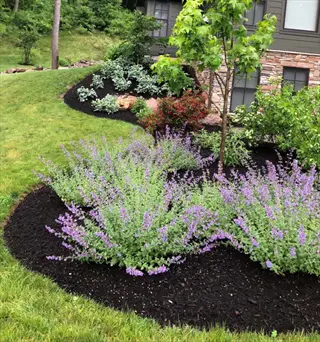
Thick Organic Mulching
- Effectiveness: University of California research confirms that 2 to 3 inches (5 to 7.6 centimeters) of fine organic mulch blocks light from reaching weed seeds and prevents germination.
- Best materials: Shredded hardwood bark, straw, and composted leaves all perform well, with wood chip mulches containing natural allelochemicals outperforming those without.
- Application depth: Use 2 to 3 inches (5 to 7.6 centimeters) for fine materials like compost and shredded bark, or 3 to 6 inches (7.6 to 15.2 centimeters) for coarse materials like wood chips.
- Timing: Apply mulch in late spring after soil warms up and again in fall to maintain depth as organic materials decompose throughout the growing season.
- Bonus benefit: Organic mulch improves soil structure, feeds beneficial organisms, retains moisture, and reduces the need for supplemental watering during dry periods.
- Research backing: A 2023 Frontiers in Agronomy study found that silver-brown film mulch achieved 96.3 to 100% weed biomass reduction in controlled trials.
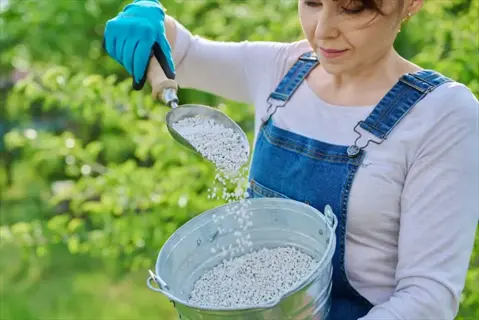
Pre-Emergent Herbicide Application
- How it works: Pre-emergent herbicides form a chemical barrier in the top half inch (1.3 centimeters) of soil that prevents weed seedlings from establishing roots after germination.
- Timing trigger: Apply in early spring when soil temperatures reach 50 to 55 degrees Fahrenheit (10 to 12.8 degrees Celsius) measured at 2 inches (5 centimeters) deep.
- Activation requirement: These products require rainfall or irrigation to move the active ingredient into the soil zone where weed seeds germinate, according to UC IPM.
- Second application: Apply a second round in late summer when soil temperatures drop to 70 degrees Fahrenheit (21.1 degrees Celsius) to prevent winter annual weeds.
- Limitation: Pre-emergent herbicides only prevent new weed seedlings and have no effect on established weeds, perennial weeds, or weeds that spread through root systems.
- Important note: Oklahoma State University Extension emphasizes that proper application timing is the most important factor in an effective weed control program.

Cover Cropping
- Effectiveness: A 2024 meta-analysis published in MDPI Sustainability found that cover crop treatments led to a 62.6% reduction in weed biomass across multiple studies.
- Suppression mechanisms: USDA NRCS identifies three suppression pathways: direct competition for sunlight and water, physical barrier blocking germination, and chemical suppression through allelopathy.
- Top performer: Cereal rye has the strongest potential to suppress weeds due to superior biomass accumulation and allelopathic effects lasting up to 6 weeks after termination.
- Combination power: Research shows that cover crops combined with herbicide treatments reduced Palmer amaranth by 100% and annual grasses by 93% in field trials.
- Winter options: Plant winter cover crops like Austrian winter field peas, cereal rye, or crimson clover in fall to suppress weeds through the dormant season and build soil.
- Summer options: Sudangrass and buckwheat work as fast-growing summer cover crops that outcompete warm-season weeds and can be terminated before planting fall crops.
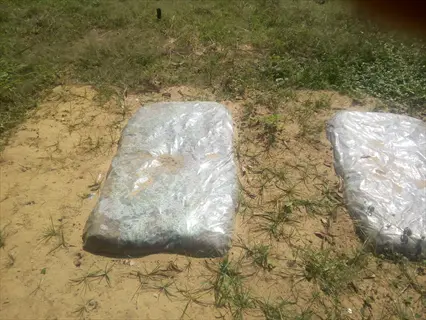
Soil Solarization
- How it works: Clear plastic sheeting traps solar heat in the top inches of soil, raising temperatures high enough to kill annual weed seeds, pathogens, and nematodes.
- Duration needed: University of California IPM recommends covering soil with clear plastic for 4 to 6 weeks during the hottest months for maximum weed seed kill.
- Best timing: University of Maryland Extension specifies July and August as optimal months when solar intensity is strong enough to heat soil to lethal temperatures.
- Key detail: Use clear plastic rather than black plastic because clear sheeting allows more solar radiation to pass through and heat the soil to higher temperatures.
- Coverage area: Solarization works best on prepared and leveled beds where the plastic makes full contact with the soil surface without air pockets that reduce heat transfer.
- Gap opportunity: Almost no gardening blog covers this proven university-recommended technique, making it a powerful addition to your weed prevention toolkit.
Dense Planting and Spacing
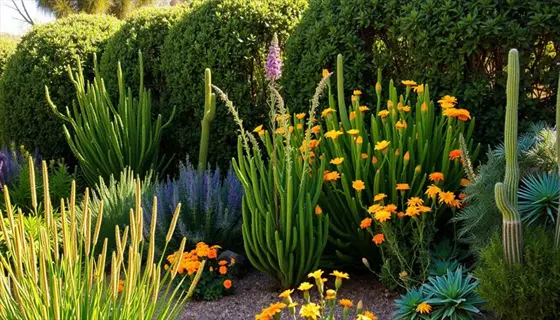
- Concept: Planting crops, flowers, or ground covers close together creates a living canopy that shades the soil and blocks light from reaching weed seeds below.
- Gardenary approach: Professional garden designer Nicole Burke's intensive planting method fills every square inch of bed space, leaving no bare soil for weed establishment.
- Ground cover options: Low-growing plants like creeping thyme, clover, and sedum spread to fill gaps between taller plants, forming a living mulch that prevents weed access.
- Vegetable gardens: Square foot gardening and intensive raised bed layouts place plants at minimum spacing to create full canopy coverage within weeks of transplanting.
- University backing: Oregon State University lists crop competition as one of five fundamental weed control categories, confirming that vigorous desired plants outcompete weeds.
- Added value: Dense planting also conserves soil moisture through shading, reduces erosion, and creates habitat for beneficial insects that contribute to garden health.
Targeted Drip Irrigation
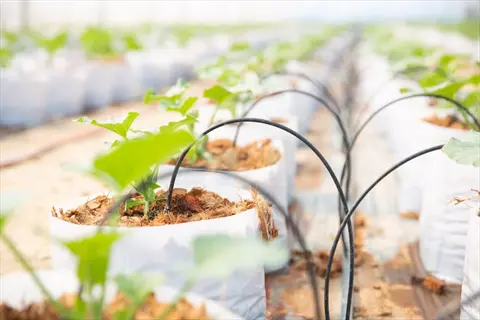
- Strategy: Delivering water straight to the root zones of desired plants through drip lines or soaker hoses starves surrounding weed seeds of the moisture they need to germinate.
- Water savings: Drip systems use 30 to 50% less water than overhead sprinklers while keeping inter-row spaces dry and less hospitable to weed seed germination.
- Recommended amount: Maintain 1 to 1.5 inches (2.5 to 3.8 centimeters) of water per week delivered to plant root zones rather than broadcasting water across entire garden beds.
- Weed science connection: Weed seeds in dry soil between rows remain dormant because they lack the moisture trigger needed to break dormancy and begin germination.
- Installation tip: Place drip lines right at the base of desired plants and cover them with mulch to further reduce evaporation and discourage surface weed growth.
- Long-term benefit: Combining drip irrigation with mulching creates a double prevention layer where weeds receive neither water from above nor light from the surface.
Stale Seedbed Technique
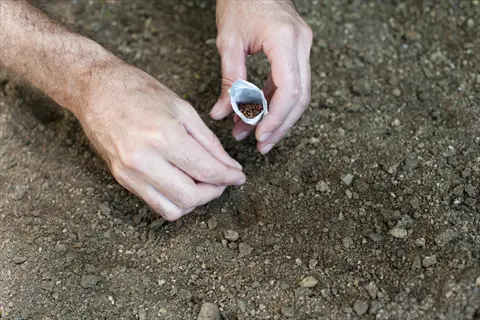
- Concept: Prepare the planting bed several weeks early, irrigate to trigger weed seed germination, then do a light cultivation or flame weeding of the emerged seedlings before planting your crops.
- Depth limit: University of Maryland Extension advises limiting cultivation depth to 2 inches (5 centimeters) to avoid bringing deeper-buried weed seeds to the surface where they germinate.
- Timing: Start the stale seedbed process 2 to 4 weeks before your intended planting date to allow at least one full flush of weed germination and removal.
- Multiple flushes: For heavily infested beds, repeat the irrigation and light cultivation cycle two or three times to deplete the surface weed seed bank before planting.
- Why it works: Each cycle reduces the number of viable weed seeds in the top soil layer, giving your desired plants a significant head start with less weed competition.
- Best use case: This technique is especially effective for direct-seeded crops like carrots, lettuce, and root vegetables that grow slowly and struggle to compete with weeds.
Landscape Fabric Installation
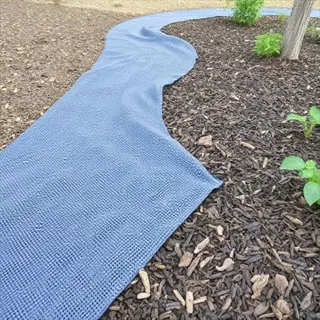
- Best applications: Landscape fabric works well under permanent plantings like shrubs, trees, and perennial beds where you will not need to disturb the soil for years.
- Material choice: Commercial-grade woven geotextile fabric allows water and air to pass through while blocking light, unlike cheap plastic sheeting that suffocates soil life.
- Proper installation: Overlap fabric edges by at least 6 inches (15.2 centimeters), secure with landscape staples every 12 inches (30.5 centimeters), and cover with 2 to 3 inches of mulch.
- Limitations: Wind-blown seeds and organic debris accumulate on top of fabric over one to two seasons, creating a growing medium for new weeds on the surface.
- Avoid for annuals: Fabric is a poor choice for annual vegetable or flower beds because frequent planting and soil amendment changes require removing and replacing it each season.
- Pro tip: Competitor analysis shows that both Gardenary and Savvy Gardening question fabric's long-term value, and professionals use it in select spots rather than everywhere.
Proper Mowing Height
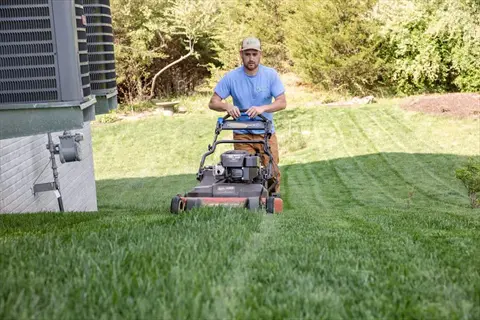
- Recommended height: Extension weed specialists recommend mowing at 3 to 4 inches (7.6 to 10.2 centimeters) because taller grass shades the soil and prevents weed seed germination.
- One-third rule: Never remove more than one-third of the grass blade length in a single mowing session to avoid stressing the lawn and creating openings for weeds.
- Shade effect: Taller grass blades cast more shade on the soil surface, blocking the light that weed seeds like crabgrass and dandelion require to break dormancy.
- Root depth connection: Grass cut higher develops deeper root systems that compete better with weed roots for water and nutrients throughout the growing season.
- Expert backing: Extension weed specialist Leslie Beck from New Mexico State University confirms that a lawn under stress is most susceptible to weed invasion.
- Seasonal adjustment: Raise mowing height a bit during summer heat stress and during drought periods to help grass maintain density and resist weed encroachment.
No-Till Gardening
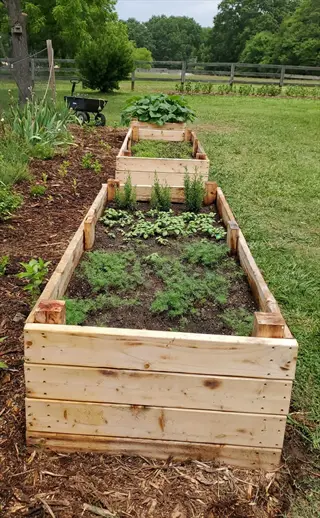
- Core principle: Avoiding soil disturbance keeps buried weed seeds in the dark where they remain dormant, since many species require light exposure to trigger germination.
- USDA method: USDA NRCS promotes organic no-till systems using roller crimpers that terminate cover crops while preserving residue as green mulch that suppresses weeds.
- Depth science: University of Maryland Extension data shows that weed seeds buried deeper than 2 inches (5 centimeters) rarely germinate, so leaving soil undisturbed keeps them trapped.
- Bed preparation: Build new beds by layering cardboard, compost, and mulch on top of existing soil rather than tilling, creating a weed-free planting surface.
- Long-term benefit: Each year of no-till practice further depletes the surface seed bank as existing seeds germinate and are removed while no new seeds are brought up.
- Companion practice: Combine no-till with cover cropping and mulching to create a comprehensive prevention system that improves soil structure while suppressing weeds.
Biological Weed Control
- Definition: Oregon State University identifies biological control as using living organisms including insects, grazing animals, and disease agents to suppress specific weed populations.
- Grazing animals: Sheep help manage tansy ragwort in pastures, while goats are used for brush control, reducing weed pressure without chemicals or mechanical equipment.
- Beneficial insects: Cinnabar moths and Chrysolina beetles have been used with great success to control St. John's Wort in rangeland and agricultural settings.
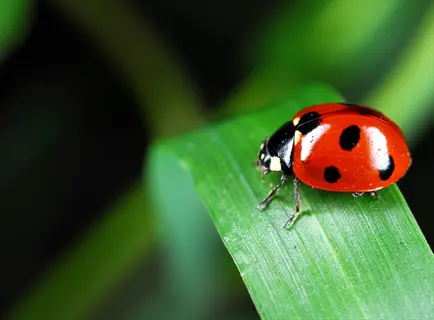
- Home garden scale: Encourage ground beetles, which eat weed seeds, by maintaining mulched pathways and avoiding broad-spectrum pesticides that kill beneficial insects.
- Mycoherbicides: Research into fungal-based biological herbicides is expanding, with several products targeting specific weed species without harming desired plants.
- Gap advantage: No competitor blog covers biological weed control methods, making this a significant differentiator for gardeners seeking ecological pest management approaches.
Weed-Free Sourcing Practices
- Seed inspection: Oregon State University lists using certified weed-free seed as a primary preventive measure, since contaminated seed mixes introduce new weed species to your garden.
- Compost quality: Purchase compost and manure from trusted suppliers who maintain high-temperature composting processes that kill weed seeds during decomposition.
- Nursery pot check: Inspect the soil surface of nursery transplants before planting because potted plants often arrive with weed seedlings or seeds in their growing media.
- Equipment cleaning: Cleaning tools, mowers, and tillers between garden areas prevents transferring weed seeds from infested sections to clean beds in your garden.
- Irrigation filtration: Oregon State University recommends filtering irrigation water to prevent water-borne weed seeds from entering your garden through overhead sprinkler systems.
- Animal management: University of Maryland Extension identifies white-tailed deer and birds as effective weed seed dispersers, so managing wildlife access reduces seed introduction.
You don't need to use all 12 methods at once. Start with 2 or 3 strategies that match your garden type and build from there. Most gardeners I've worked with see major weed reduction in their first season just by adding mulch and switching to drip lines.
Mulch Types and Effectiveness
Not all mulch works the same way for weed prevention. I've tested 6 types of organic mulch and found that the right mulch depth and material choice make all the difference. A 2023 Frontiers in Agronomy study showed film mulches reached 96.3 to 100% weed reduction. Black fabric hit 74.6 to 95.9% in the same tests.
The best mulch to prevent weeds depends on your garden setup. Wood chip mulch with natural weed fighting compounds beats plain chips every time. This table breaks down each mulch for weed prevention type so you can pick the right one for your beds, paths, or veggie garden.
Some gardeners avoid organic mulch because they heard it causes problems. The truth is that mulch type and quality matter far more than skipping it. I keep 3 inches of shredded bark on my flower beds and top it off each fall. My weed pulling time dropped by about 80% after the first year of using this method.
Cover Crops for Weed Control
Cover crops for weed prevention changed the way I manage my garden beds between seasons. Instead of leaving soil bare and open to weed seeds, I plant a living mulch that fights weeds in 3 ways. USDA NRCS says cover crops fight weeds 3 ways. They compete for sunlight and water, form a barrier that blocks germination, and release chemicals that stop weeds from growing.
The cereal rye cover crop stands out as the top performer. A 2024 MDPI study found it has the best biomass and releases weed fighting compounds for up to 6 weeks after you cut it down. Simple cover crop mixes can reach 81 to 85% weed suppression. Think of them as green manure that feeds your soil while doing your weeding work for you. Winter cover crops and summer options each have their best fits as the list below shows.
Cereal Rye (Fall/Winter)
- Weed suppression: Cereal rye produces dense biomass that blocks light and releases compounds that stop weed seed germination for up to 6 weeks after you cut it down.
- Planting window: Sow cereal rye in early to mid fall, about 4 to 6 weeks before the first expected frost in your area, at a rate of 2 to 3 pounds per 1,000 square feet.
- Termination method: USDA NRCS suggests using a roller crimper for organic no-till systems, which flattens the rye into a green mulch mat that keeps suppressing weeds.
Crimson Clover (Fall/Winter)
- Dual benefit: Crimson clover fixes nitrogen from the air into the soil while producing dense ground cover that shades out cool season weeds through winter and early spring.
- Planting window: Sow crimson clover 6 to 8 weeks before the first expected frost at a rate of 1 to 1.5 pounds per 1,000 square feet.
- Pollinator support: Crimson clover produces bright red flowers in spring that draw in helpful pollinators and predator insects to your garden before you cut it back.
Buckwheat (Summer)
- Fast growth: Buckwheat sprouts in 3 to 5 days and reaches full canopy in 3 to 4 weeks, shading out warm season weeds between spring and fall crop rotations.
- Short cycle: Buckwheat matures in just 30 to 45 days, making it ideal for filling short gaps between main crop plantings when beds would sit bare and open to weeds.
- Pollinator magnet: Dense white flowers attract helpful insects including predator wasps and hoverflies that help control garden pests during summer growing season.
Sudangrass (Summer)
- Biomass champion: Sudangrass grows fast to 5 to 7 feet tall, producing massive amounts of organic matter that smothers weeds and builds soil when you cut it down.
- Weed fighting effect: UC IPM lists sudangrass as a summer cover crop option because its root compounds and residue stop weed seed germination in the soil.
- Best for large areas: Sudangrass works great for cleaning up bad weed patches or getting new growing areas ready that need heavy weed seed bank reduction.
Austrian Winter Field Peas (Fall/Winter)
- Nitrogen fixation: Austrian winter peas fix nitrogen from the air, cutting fertilizer needs while growing dense vining leaves that cover soil and block weed access.
- Combination planting: Mix with cereal rye for a strong pair that gives you both grass type and legume type weed suppression, reaching 81 to 85% weed reduction.
- Cold tolerance: Austrian winter peas handle temperatures down to 10°F, providing winter soil coverage in most growing zones across the country.
I plant winter cover crops right after pulling summer vegetables. Summer covers go in as soon as spring beds get cleared. The key is to never leave soil bare for more than a week or two. Weeds will always fill empty space faster than you'd expect.
Solarization and Seedbed Prep
You can fight weeds without any sprays using soil solarization and the stale seedbed technique. Most gardening guides skip both of these methods, but university research backs them up. I use them every year to clean out problem beds before planting. They stop weed seed germination before it starts, which is the key to chemical-free weed management.
Solarization uses clear plastic and summer heat to cook weed seeds in the top inches of soil. UC IPM says 4 to 6 weeks under clear plastic during July and August kills most annual weed seeds. Occultation works with black tarps instead, smothering weeds in as little as 4 weeks for annuals or up to 1 year for tough perennials. The stale seedbed technique takes a different path by tricking weeds into sprouting early so you can kill them before your crops go in. This table shows how each method stacks up.
I solarize at least one bed every summer during peak heat. After 6 weeks under plastic, that bed stays almost weed free through your entire fall growing season. These methods give you a real edge without any sprays or chemicals. Try starting with your worst weed bed and see the results for yourself.
Lawn Care for Fewer Weeds
Your lawn is your first line of defense against weeds. As weed specialist Leslie Beck says, a stressed lawn is the most open to weed invasion. Lawn weed prevention starts with building thick, healthy grass that leaves no room for invaders. Every step below targets a different stress factor that opens the door to weeds.
I learned this lesson after watching dandelions take over a thin patch in my front yard. Soil testing revealed a soil pH and weeds connection I had missed for years. Once I fixed the soil, matched my grass type to my climate zone, and dialed in proper mowing height, my lawn thickened up in one season. A weed-free lawn isn't magic. It comes from doing these basics right. Lawn aeration and overseeding are your best friends for filling weak spots before weeds move in.
Mow at the Right Height
- Recommended height: Keep grass at 3 to 4 inches (7.6 to 10.2 centimeters) tall to create a dense canopy that shades soil and blocks light from reaching weed seeds below the grass blades.
- One-third rule: Never cut more than one-third of the grass blade in a single mowing session, because removing too much stresses the plant and opens gaps for weeds to establish.
- Seasonal adjustment: Raise the mowing deck a bit during summer heat waves and drought periods to help grass maintain deeper root systems and resist weed competition.
Test and Adjust Soil pH
- Optimal range: Most lawn grasses thrive at a soil pH between 6 and 7, and keeping this range gives grass a competitive advantage over many common weed species.
- Testing frequency: Submit soil samples for testing every 2 to 3 years through your local university extension office to track pH changes and nutrient levels over time.
- Amendment options: Apply lime to raise pH in acidic soils or elemental sulfur to lower pH in alkaline conditions, following test guidelines for the right application rates.
Aerate and Dethatch Regularly
- Thatch threshold: Remove thatch when it exceeds 0.5 inch (1.3 centimeters) thick, because a dense thatch layer blocks water and nutrients from reaching grass roots while holding weed seeds.
- Aeration timing: Core aerate in early fall for cool season grasses or late spring for warm season grasses when the turf is growing strong and can bounce back fast.
- Compaction relief: Aeration reduces soil compaction, improves drainage, and helps grass roots grow deeper, building a stronger lawn that beats weeds for resources.
Overseed Bare Spots Promptly
- Why it matters: Bare patches in lawns are open doors for weed seeds to sprout because they get full sunlight, moisture, and zero competition from grass roots.
- Best grass choice: Pick grass types matched to your climate zone. Cool season grasses like fescue work for northern regions and warm season grasses like bermudagrass fit southern areas.
- Timing: Overseed cool season lawns in early fall when soil is warm but air temps are dropping, giving grass seedlings the best conditions to get strong before winter.
Fixing your soil health does more for lawn weed prevention than any spray or product you can buy. Water 1 to 1.5 inches per week, keep the right pH, and mow high. Your grass will fill in and push weeds out on its own.
Physical Barriers Compared
Picking the right weed barrier saves you money and headaches down the road. I've used every type of barrier from landscape fabric to a simple cardboard weed barrier and each one has a clear best use case. A Frontiers in Agronomy study found that black weed barrier fabric cut weeds by 74.6 to 95.9% in controlled tests. But that number drops fast if you pick the wrong material for your setup.
Biodegradable weed barrier options like cardboard and builder's paper break down over time and feed your soil. Landscape fabric lasts longer but creates problems when leaf debris piles up on top of it. Garden edging also helps stop weeds from creeping in along bed borders. Use this table to match the right barrier to your garden type so you get the best results without wasting time or cash.
My favorite combo is cardboard under 3 inches of mulch for new beds. The cardboard kills existing weeds and breaks down in about a year, leaving rich soil behind. I use heavy geotextile for permanent paths and gravel areas because it lasts over a decade.
5 Common Myths
Landscape fabric permanently stops all weeds from growing in your garden beds and pathways forever.
Landscape fabric degrades over time, and wind-blown seeds germinate in debris that accumulates on top of the fabric within one to two seasons.
Pouring vinegar on weeds is a safe and effective long-term replacement for commercial herbicides.
Household vinegar only burns leaf tissue on contact without killing roots, so perennial weeds regrow quickly, and concentrated vinegar damages soil biology.
Pulling every single weed by hand is the most effective way to achieve a weed-free garden.
Hand-pulling disturbs soil and brings buried seeds to the surface, and a prevention-first approach using mulch and cover crops is far more effective long-term.
Adding more soil or compost on top of weeds will smother them and prevent all future weed growth.
Weeds with deep root systems push through added soil layers, and imported compost or topsoil often contains new weed seeds if not properly sourced.
Chemical herbicides are the only reliable method to control weeds in large garden and lawn areas.
University research shows that integrated methods including mulching, cover crops, and solarization reduce weeds by 62 to 100 percent without any chemicals.
Conclusion
You now have 12 proven weed prevention strategies from real university research. The numbers speak for themselves. Cover crops cut weed growth by 62.6% and film mulches block up to 100% of weeds. One weed plant can drop over 10 million seeds into your soil. Prevention beats removal every single time. UC IPM confirms that prevention is the most important factor in how to prevent weeds from taking over your space.
Take a look at your garden and figure out where weeds hit the hardest. Match those problem areas to the right strategies from the 5 control groups. For most gardeners, I suggest starting with mulching and dense planting because they give you the biggest results with the least effort. Add cover crops or a weed barrier next season to build your integrated weed management system one layer at a time.
A weed-free garden doesn't mean zero weeds ever. It means you've built a system that keeps weeds at manageable levels so you grow food and flowers instead of pulling invaders all day. When I first tested these methods in my garden, I still found a stray weed here and there. But my weeding time dropped from hours each week to minutes once I started stacking these methods.
Pick 2 or 3 weed prevention strategies from this guide and put them to work this season. Your garden will reward you with cleaner beds, stronger plants, and a lot more free time to enjoy what you've grown.
External Sources
Frequently Asked Questions
What is the best way to prevent weeds from overtaking my garden?
Combine mulching, dense planting, cover crops, and targeted irrigation to create multiple barriers that block weed seed germination and outcompete weeds for resources.
Could weeds be permanently eliminated?
Complete permanent elimination is unrealistic because weed seeds remain dormant in soil for decades and arrive through wind, birds, and water, but consistent prevention reduces them to manageable levels.
Can professional landscapers use special weed barriers?
Professional landscapers often use commercial-grade landscape fabric, geotextile membranes, and layered mulch systems combined with pre-emergent herbicides for lasting results.
Which natural solutions stop weeds without chemicals?
Effective natural solutions include thick organic mulch, cover crops, soil solarization, flame weeding, boiling water, dense planting, and hand cultivation at shallow depths.
Will pulling weeds make the problem worse?
Pulling weeds can worsen the problem if it disturbs soil deeper than 2 inches (5 centimeters), bringing buried seeds to the surface where light triggers germination.
What is the best way to stop weeds in gravel pathways?
Install a weed barrier membrane beneath gravel, maintain 3 to 4 inches (7.6 to 10 centimeters) of gravel depth, and remove debris that creates a growing medium for wind-blown seeds.
Can salt be effective for weed control?
Salt kills weeds but also damages soil structure, harms beneficial organisms, and prevents future plant growth in treated areas, making it a poor long-term choice.
What causes weeds return after treatment?
Weeds return because dormant seeds in the soil bank germinate when exposed to light, and new seeds arrive continuously from wind, animals, and contaminated materials.
Is it better to mow weeds or pull them?
Mowing prevents seed production and is best for large areas, while pulling removes the entire root system and works better for isolated perennial weeds in garden beds.
Which time works best for applying weed preventers?
Apply pre-emergent weed preventers in early spring when soil temperatures reach 50 to 55 degrees Fahrenheit (10 to 12.8 degrees Celsius) and again in late summer for winter weeds.