
The right garden bed depth for vegetables ranges from 6 to 24 inches based on what you want to grow. Short-rooted crops like lettuce need just 6 inches of soil. Deep feeders like tomatoes do best with 18 to 24 inches of growing room for their roots.
I built my first raised beds at 12 inches deep and thought that would work for everything. My tomatoes proved me wrong that summer. When I pulled them out in fall, their roots had hit the bottom and started growing sideways. The next year I built 24-inch beds for my tomatoes and watched them grow twice as large.
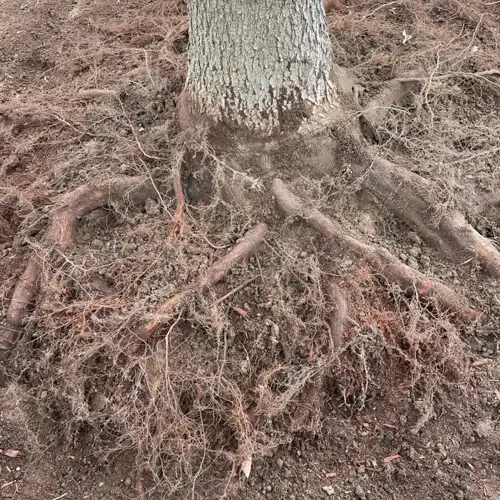
Your vegetables send roots much deeper in the ground than most people think. Research shows tomato roots can reach 6 feet down in open soil. Raised beds limit this natural growth, so your raised bed soil depth matters more than it would for in-ground gardens. You need to match your bed depth to the crops you plan to grow.
Learning about vegetable root depth requirements helps you build beds that give each plant what it needs. Lettuce and radishes have small root systems that stay in the top few inches of soil. Beans and peppers reach medium depths. Tomatoes, squash, and melons send roots deep into the ground looking for water and food.
You can grow deep-rooted crops in shorter beds if you prepare the soil underneath first. Remove any hardpan or compacted layers below your raised bed. This lets roots push through the bed bottom into native soil below. Your plants get the depth they need without building taller frames.
Add extra compost and organic matter to thin beds to boost their growing power. Rich soil holds more water and nutrients in less space. A 12-inch bed packed with compost can grow better tomatoes than a 24-inch bed filled with poor soil. Quality beats quantity when your raised bed soil depth is limited by budget or space.
I also tested growing lettuce in my deep tomato beds and found they wasted the extra space. Those short roots never went past the first 6 inches. Now I group my low-root crops together in shorter beds and save the deep soil for plants that will use it. This saves you money on soil and lumber costs.
Build your beds at 18 inches if you want one depth that works for most vegetables. This gives you room for medium and deep rooted crops while leaving extra space for small root systems. You can always mound soil higher for crops that need more room or plant low-root crops along the edges where depth matters less.
Check your soil every spring to make sure it stays loose and deep. Beds settle over time and lose inches of depth as organic matter breaks down. Top up your beds with 2 to 3 inches of fresh compost each year to keep the growing depth your vegetables need for strong root systems and heavy harvests.
Read the full article: 10 Best Vegetable Garden Layout Ideas