
Introduction
This guide on How to Grow Peppers: Expert Harvest Tips will change the way you think about your garden. Peppers trace their roots back thousands of years to southern Mexico and Central America. Today U.S. producers harvest over 31,000 acres of bell peppers alone. Chile peppers add another 10,000 acres on top of that, and the combined value sits above $536 million each year.
I started growing peppers at home over 8 years ago in a small raised bed with more hope than skill. My first crop gave me a handful of stunted bells and a lot of hard lessons. Since then I've tested dozens of varieties across different soils and setups. Think of pepper plants like a sun loving pet. They thrive on warmth, steady meals, and just the right amount of water. Get those 3 things right and your plants will pay you back.
This guide gives you pepper harvest tips backed by real university research. You'll learn which varieties match your goals and how to start seeds on the right timeline. I also cover the exact watering and feeding schedule your plants need. On top of that, I break down myths about Epsom salt and coffee grounds with actual science.
Whether you're new to peppers or want a bigger crop this year, everything below comes from real tests and trusted sources. Let's get your pepper garden off to a strong start.
Best Pepper Varieties to Grow
Picking the right pepper varieties makes or breaks your whole season. The U.S. grows over 70,000 acres of peppers each year, and more than a third go to fresh markets. In my experience, the variety you choose matters more than the soil brand or the fertilizer. Cornell even bred 5 new bell pepper varieties for tunnel growing in the Northeast.
I sort the best peppers to grow by what I want to cook that week. Need stuffing peppers? Go with a thick walled bell. Want salsa heat? Try jalapenos or serranos for that kick. Planning to dry your harvest for spice blends? Cayenne wins every time. Below you'll find sweet pepper types and hot pepper types side by side so you can pick the right match.
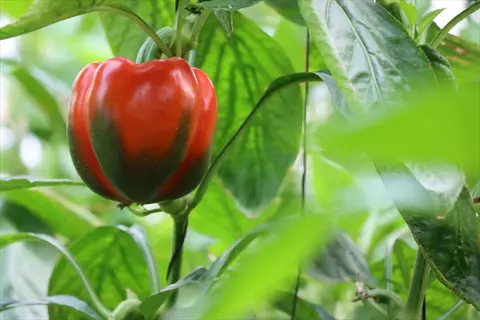
California Wonder Bell Pepper
- Days to Maturity: This classic bell pepper matures in about 70 to 75 days from transplant and produces thick-walled green to red fruits weighing 6 to 8 ounces (170 to 227 grams) each.
- Best For: Ideal for stuffing, grilling, and eating raw in salads thanks to its blocky shape, mild sweet flavor, and generous interior cavity.
- Growing Conditions: Thrives in full sun with soil temperatures above 65°F (18°C) and consistent watering of 1 to 2 inches (2.5 to 5 centimeters) per week.
- Plant Size: Compact bushy plants grow 24 to 30 inches (61 to 76 centimeters) tall, making them suitable for both garden beds and large containers of at least 5 gallons (19 liters).
- Yield Potential: Expect 5 to 8 large fruits per plant when given proper spacing of 18 to 24 inches (46 to 61 centimeters) between plants.
- Beginner Rating: One of the easiest peppers for first-time growers because of its disease tolerance, predictable growth habit, and forgiving nature in variable conditions.
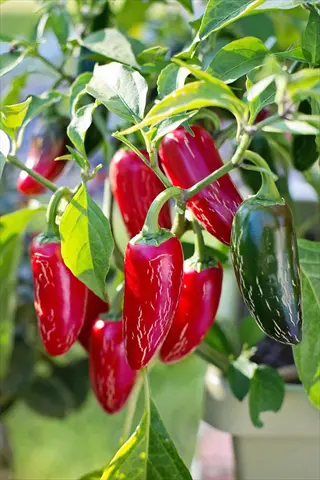
Jalapeno Pepper
- Days to Maturity: Jalapenos reach harvest size in 65 to 75 days from transplant, producing plump 3-inch (7.6 centimeter) fruits with moderate heat of 2,500 to 8,000 Scoville units.
- Best For: Perfect for salsas, poppers, pickling, and adding a moderate kick to any recipe without overwhelming heat levels.
- Growing Conditions: Prefers daytime temperatures of 70 to 85°F (21 to 29°C) and at least 6 hours of direct sunlight daily for best production.
- Plant Size: Sturdy compact plants reach 24 to 36 inches (61 to 91 centimeters) tall and may need staking once heavy with fruit to prevent branch breakage.
- Yield Potential: One of the most productive pepper varieties with 25 to 35 peppers per plant in good conditions, providing plenty for fresh use and preserving.
- Beginner Rating: Excellent choice for new growers because the thick walls resist sunscald, the plants tolerate minor watering inconsistencies, and fruit sets reliably.
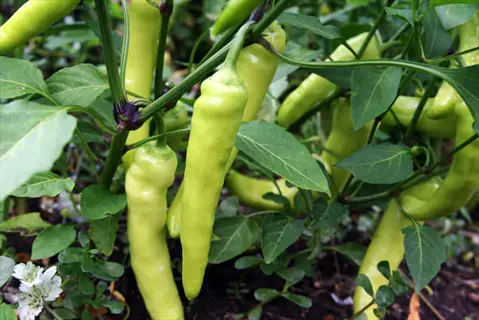
Sweet Banana Pepper
- Days to Maturity: Banana peppers mature quickly in 60 to 70 days from transplant, producing elongated 6-inch (15 centimeter) fruits that turn from yellow to orange to red.
- Best For: Wonderful for sandwiches, pizza toppings, pickling, and frying due to their mild tangy flavor and thin crisp walls.
- Growing Conditions: Tolerates slightly cooler conditions than many pepper types and performs well in northern gardens where the growing season is shorter.
- Plant Size: Plants grow 18 to 24 inches (46 to 61 centimeters) tall and spread about 18 inches (46 centimeters) wide, fitting neatly in smaller garden spaces.
- Yield Potential: Prolific producers that yield 20 to 30 peppers per plant throughout the season when harvested regularly to encourage continuous fruit set.
- Beginner Rating: Very forgiving plants that produce early and abundantly, making them one of the most rewarding varieties for gardeners who want quick results.
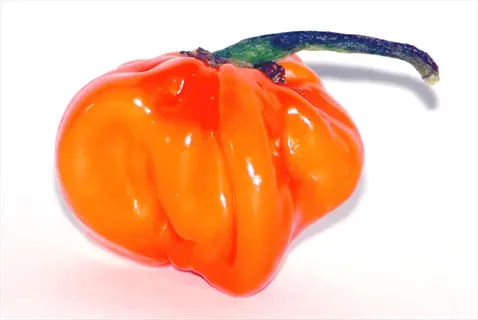
Habanero Pepper
- Days to Maturity: Habaneros require a longer season of 90 to 120 days from transplant, producing wrinkled lantern-shaped fruits with intense heat of 100,000 to 350,000 Scoville units.
- Best For: Used in hot sauces, salsas, jerk seasoning, and Caribbean-style dishes where a fruity intense heat and tropical aroma are desired.
- Growing Conditions: Needs consistently warm temperatures above 70°F (21°C) and benefits from starting seeds 10 to 12 weeks before the last frost date.
- Plant Size: Plants reach 24 to 36 inches (61 to 91 centimeters) tall and produce dozens of small 1 to 2 inch (2.5 to 5 centimeter) fruits that ripen to bright orange.
- Yield Potential: A single healthy plant can produce 30 to 50 or more peppers per season, providing a large supply even from just one or two plants.
- Beginner Rating: More challenging due to the long growing season and heat requirements, but rewarding for gardeners willing to start seeds early and provide warm conditions.
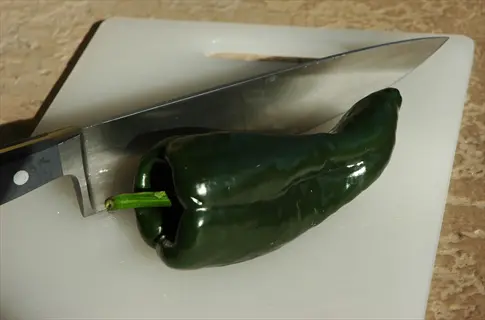
Poblano Pepper
- Days to Maturity: Poblanos mature in 65 to 80 days from transplant, producing large heart-shaped fruits measuring 4 to 6 inches (10 to 15 centimeters) with mild heat of 1,000 to 2,000 Scoville units.
- Best For: The pepper of choice for chiles rellenos, mole sauces, and roasting because of its thick walls, large cavity, and rich earthy flavor when cooked.
- Growing Conditions: Performs best in warm soil above 65°F (18°C) with 8 hours of sunlight and consistent moisture throughout the growing season.
- Plant Size: Large plants grow 24 to 36 inches (61 to 91 centimeters) tall with a wide branching habit that benefits from staking or caging for support.
- Yield Potential: Expect 6 to 10 large peppers per plant, with dried poblanos called ancho peppers commanding premium prices at farmers markets.
- Beginner Rating: Moderately easy to grow with good disease resistance, though the large plant size means they need more space than compact varieties.
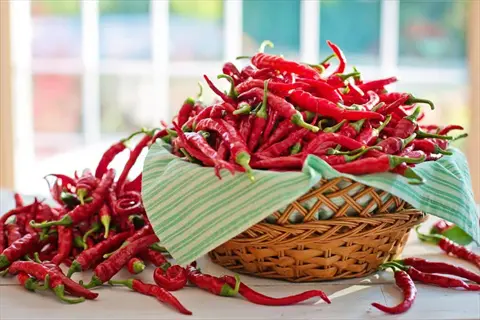
Cayenne Pepper
- Days to Maturity: Cayenne peppers mature in 70 to 80 days from transplant, producing slender curved fruits 4 to 6 inches (10 to 15 centimeters) long with heat of 30,000 to 50,000 Scoville units.
- Best For: Excellent for drying into flakes, making hot sauce, and adding heat to any dish because the thin walls dehydrate quickly and evenly.
- Growing Conditions: Heat-loving plants that perform best when daytime temperatures stay between 75 and 90°F (24 and 32°C) with full direct sunlight.
- Plant Size: Upright plants grow 24 to 36 inches (61 to 91 centimeters) tall and look ornamental with dozens of red pendulous fruits hanging from the branches.
- Yield Potential: Among the highest yielding hot peppers with 20 to 40 fruits per plant, and the dried peppers store for a year or longer in airtight containers.
- Beginner Rating: Good option for intermediate growers who want a reliable hot pepper that dries easily, stores well, and produces heavily without special care.
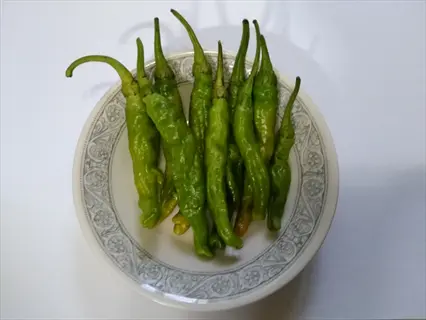
Shishito Pepper
- Days to Maturity: Shishitos are ready to pick in just 60 to 70 days from transplant, producing wrinkled thin-walled fruits about 3 inches (7.6 centimeters) long that are mostly mild.
- Best For: A trending restaurant favorite served blistered in a hot skillet with oil and flaky salt, where roughly one in ten peppers delivers a surprising spicy bite.
- Growing Conditions: Adaptable to a range of conditions and performs well in containers of at least 3 gallons (11 liters), making them perfect for patio and balcony gardens.
- Plant Size: Compact bushy plants grow 18 to 24 inches (46 to 61 centimeters) tall and produce fruit prolifically from midsummer through the first frost of fall.
- Yield Potential: Extremely productive with 30 to 50 or more peppers per plant, especially when fruits are picked regularly at the green stage to encourage new growth.
- Beginner Rating: Outstanding choice for beginners because they mature fast, produce abundantly, grow well in pots, and resist most common pepper diseases.
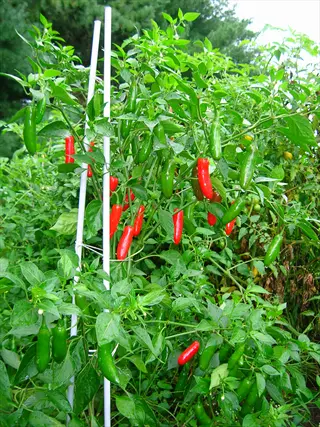
Serrano Pepper
- Days to Maturity: Serranos mature in 75 to 85 days from transplant, producing small 2-inch (5 centimeter) fruits with bright clean heat of 10,000 to 25,000 Scoville units.
- Best For: The traditional choice for pico de gallo, fresh salsas, and Thai-inspired dishes where you want sharper heat than a jalapeno without habanero intensity.
- Growing Conditions: Needs warm soil above 65°F (18°C), at least 6 hours of direct sunlight, and 18 inches (46 centimeters) of spacing between plants.
- Plant Size: Upright bushy plants reach 24 to 36 inches (61 to 91 centimeters) tall and produce clusters of small peppers that are easy to pick by hand.
- Yield Potential: Very productive plants yielding 30 to 50 peppers per season, with the small fruit size making them ideal for drying, freezing, or using fresh in bulk.
- Beginner Rating: Straightforward to grow with minimal pest problems, though the small fruit size means you will need multiple plants if you use hot peppers frequently.
Your best bet is to grow at least 2 or 3 different bell pepper varieties along with 1 or 2 hot pepper types. This mix gives you a range of flavors for the kitchen and spreads out your harvest window across the full season.
Planting Peppers From Seed
Planting peppers from seed opens up far more choices than your local garden center carries. I start peppers indoors every year about 8 to 10 weeks before my last frost date. The plants need warm soil and a long head start to produce well. Seeds sprout best in soil between 70 and 90°F (21 and 32°C), so a heat mat under your trays makes a real difference.
Your pepper seedlings should be 5 to 8 inches tall with 6 to 9 true leaves before you move them outside. I learned this the hard way when I transplanted small, weak starts that took weeks to recover from the shock. Hardening off peppers over 7 to 10 days before transplanting peppers outside cuts down on wilting and stress. The table below maps out the full seed starting timeline week by week.
When you transplant, work no more than 1 inch of compost per 100 square feet into the top soil layer. Too much compost at once can burn tender roots. Keep the soil moist but not soggy for the first 2 weeks and your new transplants will settle in fast.
Sunlight and Temperature Needs
Pepper sunlight requirements are simple but strict. Your plants need 6 to 8 hours of full sun every single day to set fruit and grow strong stems. I've watched shaded plants produce half the peppers of ones in direct light, even when I gave them the same water and food. Full sun peppers put their energy into fruit instead of stretching for light.
Pepper temperature requirements matter just as much as light. The sweet spot sits between 70 and 85°F (21 and 29°C) during the day and 60 to 70°F (16 to 21°C) at night. When temps drop below 55°F (13°C), your flowers fall off the plant because pollen stops working. Push past 90°F (32°C) and you see the same flower drop temperature problem from heat stress.
Northern growers can use black plastic mulch and row covers for frost protection peppers need in cool springs. Southern growers should add 30 to 50% shade cloth when summer heat spikes above 90°F. I use shade cloth every July in my garden and it keeps my plants setting fruit right through the worst heat waves.
Watering and Feeding Peppers
Watering pepper plants the right way prevents most problems growers blame on bad soil or weak seeds. Your peppers need 1 to 2 inches of water each week at the base of the plant. Skip the overhead sprinklers. In my experience, wet leaves invite bacterial leaf spot and other diseases that can ruin your crop in days.
Fertilizing peppers takes good timing more than big doses. Nitrogen for peppers drives leaf and stem growth early on, but too much late in the season steals energy from your fruit. The biggest mistake I see is growers who skip the mid season feeding and then wonder why their plants stop producing. Soil pH between 6.0 and 7.0 keeps nutrients available so your pepper plant food works the way it should.
Blossom end rot shows up as dark sunken spots on the bottom of your peppers. Most people think calcium deficiency peppers need more calcium in the soil. But USU Extension says the real cause is inconsistent watering that blocks calcium from reaching the fruit. Mulching pepper plants with 2 to 3 inches of organic mulch keeps moisture steady and solves this issue.
At Transplanting Time
- Soil Preparation: Mix 1 inch (2.5 centimeters) of compost per 100 square feet (9.3 square meters) into the top 6 inches (15 centimeters) of soil before planting for organic matter and micronutrients.
- Starter Fertilizer: Apply a balanced fertilizer at the label rate or use a transplant solution with phosphorus to help roots establish quickly in their new location.
- Soil pH Check: Test soil pH and adjust to the 6.0 to 7.0 range because peppers cannot absorb nutrients efficiently in overly acidic or alkaline conditions.
Four Weeks After Transplanting
- Nitrogen Side Dress: Apply a side dressing of nitrogen fertilizer 4 inches (10 centimeters) from the stem to support rapid vegetative growth and strong branch development.
- Watering In: Water thoroughly after applying fertilizer to move nutrients into the root zone and prevent fertilizer burn on the roots and lower stems.
- Mulch Application: Add 2 to 3 inches (5 to 7.6 centimeters) of organic mulch around plants to retain moisture, regulate soil temperature, and reduce weed competition.
Eight Weeks After Transplanting
- Second Nitrogen Application: Apply another nitrogen side dressing at the same rate to sustain fruit production as the plant shifts energy from growing leaves to ripening peppers.
- Calcium Monitoring: Watch for blossom end rot which appears as dark sunken spots on the bottom of fruit caused by inconsistent watering disrupting calcium transport.
- Reduce Nitrogen Later: Avoid additional nitrogen after this point because excess nitrogen late in the season promotes leafy growth at the expense of fruit development.
Ongoing Weekly Watering
- Water Amount: Deliver 1 to 2 inches (2.5 to 5 centimeters) of water per week through deep soaking at the base of the plant rather than overhead sprinkling.
- Soil Check Method: Insert your finger 2 inches (5 centimeters) into the soil near the plant, and water when the soil feels dry at that depth.
- Morning Watering: Water early in the morning so foliage dries quickly in the sun, reducing the risk of bacterial leaf spot and other moisture-related diseases.
Pruning and Supporting Plants
Pruning pepper plants gives you bushier growth and stronger branches that hold more fruit without breaking. When I first tested pinching pepper plants at the top growing tip around 12 inches tall, the difference was clear in weeks. This sends energy into side branches and creates a wider, sturdier frame. Topping pepper plants works best on varieties like bells and poblanos that benefit from a compact bushy shape instead of tall thin growth.
Removing first flowers is one tip most new growers skip. When you pick off the first round of blooms, your plant puts that energy into roots and stems for 2 to 3 more weeks before setting fruit. I lost a full season of bells once because I let tiny transplants keep their flowers. The plants stayed small and gave me undersized peppers all summer. Peppers take 35 to 45 days from flower to full color. So every week you delay flowering past the first month cuts into your harvest window.
Bottom pruning means trimming leaves and small branches off the lowest 6 to 8 inches of the stem. This stops soil from splashing onto leaves during rain or watering. It helps prevent bacterial leaf spot and fungal issues that ruin crops. I prune the bottom of every plant about 3 weeks after transplanting and it cuts my disease problems way down.
Supporting pepper plants keeps heavy branches from snapping when the fruit gets large. Staking pepper plants with a single bamboo stake works well for jalapenos and serranos. For bigger varieties like bells and poblanos, I prefer a small tomato cage or wire ring that supports the whole canopy. Tie stems to stakes with soft cloth strips rather than wire so you don't cut into the plant as it grows thicker.
An unpruned pepper plant often ends up tall and leggy with fruit that drags on the ground. A plant you prune and support looks full and upright, with fruit hanging clean off the branches where air can flow around it. That air flow matters because it dries leaves faster and keeps disease at bay all season long.
Harvesting and Storing Peppers
Knowing when to harvest peppers makes a huge difference in flavor and shelf life. You can pick most peppers at the green stage and eat them right away. But letting them ripen through the full pepper ripening stages to red, yellow, or orange boosts sweetness and vitamins. USU Extension says to expect about 75 pounds of fruit per 100 feet of row from a good planting.
I test for ripeness using 3 simple checks. First, press the fruit with your thumb. A ripe pepper feels firm with just a little give under the skin. Second, look at color. The deeper and more even the shade, the riper the pepper. Third, snap it off the stem. A ready pepper breaks clean with a crisp snap sound. If it bends or tears, give it a few more days on the vine.
Harvesting peppers on time matters because overripe fruit left on the plant tells it to slow down production. I pick every 3 to 4 days during peak season to keep my plants pushing out new blooms. Once you bring them inside, storing peppers the right way extends your harvest for months. Drying peppers, freezing peppers, and pickling peppers each work best for different types. The table below breaks down every storage method with shelf life for each one.
Penn State Extension says fresh peppers last 14 to 21 days at 47 to 55°F with 90 to 95% humidity. Don't store them in a regular fridge for long. Cold temps below 45°F cause chilling injury that turns your peppers soft and pitted fast.
5 Common Myths
Adding Epsom salt to your pepper garden will always boost growth and prevent blossom end rot in every situation.
University of Minnesota Extension warns that adding Epsom salt to soil with sufficient magnesium can actually inhibit calcium uptake and worsen blossom end rot.
Pepper plants need to be watered every single day to produce the biggest and most flavorful fruit possible.
Extension sources recommend 1 to 2 inches (2.5 to 5 centimeters) of water per week through deep, infrequent watering rather than daily shallow watering.
Spreading fresh coffee grounds directly around pepper plants gives them a nitrogen boost and improves soil quality.
Research published on ScienceDirect found that direct application of spent coffee grounds greatly reduces plant growth due to high acidity and phenol content; composting first is recommended.
Hot peppers planted near sweet peppers will cross-pollinate and make the sweet peppers taste spicy during that same growing season.
Cross-pollination only affects the seeds inside the fruit, not the flesh of the current season pepper; the fruit you harvest will taste as expected for its variety.
You must wait until peppers turn their final color before harvesting because green peppers have no nutritional value at all.
Green peppers are fully edible and nutritious, though allowing peppers to ripen to red, yellow, or orange increases vitamin C content and sweetness.
Conclusion
You now have every pepper harvest tips and grow peppers strategy you need to pull a strong crop this season. Start your seeds 8 to 10 weeks before last frost, give your plants 6 to 8 hours of sun each day, and water 1 to 2 inches per week at soil level. Side dress with nitrogen at weeks 4 and 8 after transplanting for the best pepper plant care results. These basics alone put you ahead of most home growers.
With good care, USU Extension says you can pull 75 pounds of fruit from just 100 feet of row. That's a lot of peppers from a small space. Your fruit needs 35 to 45 days from bloom to full color, so mark your calendar for seed starting, transplanting, and your first expected harvest date. Growing peppers at home works best when you plan the full timeline before you plant a single seed.
U.S. pepper production tops $536 million a year for good reason. These plants want to produce for you when you give them the right setup. When I first started, I went from zero peppers to freezer bags full of habaneros in one season. New growers who follow these steps see the same kind of results every time.
Your pepper garden is about to pay you back in fresh salsa, stuffed bells, and dried spice blends you can't buy at any store. Get your seeds started and give your plants what they need. The harvest is worth every bit of effort you put into the soil this spring.
External Sources
Frequently Asked Questions
What helps most with growing peppers?
The key is providing warm soil above 60 degrees Fahrenheit, full sun exposure, consistent watering at soil level, and properly timed nitrogen fertilizer applications.
How can beginners grow peppers?
Beginners should start with transplants from a nursery, plant in well-drained soil after the last frost, and provide at least 6 hours of sunlight daily.
What effect does Epsom salt have on pepper plants?
Epsom salt provides magnesium sulfate, but adding it to soil that already has enough magnesium can inhibit calcium uptake and harm plants.
Would it be better to grow peppers in pots or ground?
Both methods work well, but ground planting offers more root space while pots provide better temperature control and portability.
Why are peppers grow better?
Consistent moisture, warm soil temperatures, full sun, balanced fertilizer with nitrogen side dressing, and proper spacing of 18 to 24 inches all improve growth.
Can you pinch out the tops of pepper plants?
Pinching the growing tip can encourage bushier growth and more side branches, but it may delay fruit set by a few weeks.
How many peppers can one plant produce?
A healthy bell pepper plant typically produces 5 to 10 peppers per season, while hot pepper varieties can yield 20 to 50 or more fruits.
Can coffee grounds help peppers grow?
Research shows that applying spent coffee grounds directly to soil can reduce plant growth due to high acidity and phenol content; composting them first is safer.
Is it better to bury the stem when transplanting peppers?
Unlike tomatoes, peppers do not reliably produce adventitious roots from buried stems, so planting at the same depth as the nursery pot is generally recommended.
How frequently should I water pepper plants?
Water pepper plants deeply once or twice per week to deliver 1 to 2 inches of water, adjusting for temperature and soil drainage.