
Five factors makes peppers grow better than anything else. Those five are warm soil, full sun, consistent water, timed fertilizer, and proper spacing. Get all five right and your plants will produce more fruit than you can eat. Miss even one and your harvest drops fast.
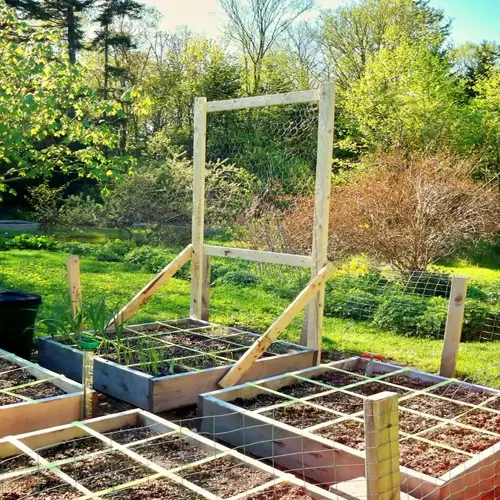
I proved this to myself last summer with two raised beds side by side. One bed had drip irrigation on a timer and black mulch. The other got hand-watered whenever I thought about it, which was not often enough. The well-maintained bed gave me 40% more peppers by weight at the end of the season. That gap showed me how much small habits improve pepper growth over a full growing season.
Warm soil matters because heat activates root enzymes that pull nutrients from the ground. Roots in cold soil below 60°F (15.5°C) sit idle even if you give them perfect water and food. Black plastic mulch raises soil temp by 8 to 12 degrees and is the fastest way to improve pepper growth in spring. Lay it down two weeks before you plant and let the sun do the warming.
Peppers need 6 to 8 hours of direct sunlight every day to power strong growth. Sun drives the process that turns light into sugars inside the leaves. Less sun means fewer sugars, slower growth, and smaller fruit. If your garden has partial shade, pick the sunniest spot you can find and save the shady areas for lettuce.
Consistent water prevents one of the most common pepper problems: blossom end rot. This happens when uneven watering blocks calcium from reaching the fruit. A drip line or soaker hose set to deliver 1 to 2 inches per week keeps soil moisture steady. I haven't had a single case of blossom end rot since I switched from hand watering to a drip system 3 years ago.
Feed at the Right Time
- Side dress with nitrogen: Apply at 4 weeks and again at 8 weeks after transplanting to fuel strong leaf and stem growth.
- USU benchmark: Aim for 75 pounds of peppers per 100 feet of row with proper feeding and care throughout the season.
- Avoid early overfeeding: Too much nitrogen at planting pushes leaves at the cost of flowers and fruit set.
Space Plants for Airflow
- Standard spacing: Plant peppers 18 to 24 inches apart in rows to give each plant enough room for light and air.
- Disease prevention: Good airflow between plants dries leaves faster and reduces fungal problems after rain or watering.
- Yield impact: Crowded plants compete for resources and produce fewer, smaller peppers per plant.
Remove Early Flowers
- Why it works: Picking the first round of flowers sends the plant's energy into roots and branches instead of fruit.
- More branches, more fruit: A bushier plant has more sites for flowers later, which leads to a bigger total harvest.
- Timing: Remove flowers for the first 2 to 3 weeks after transplanting, then let the plant fruit as it pleases.
Test your soil pH once a year with a simple kit or send a sample to your local extension office. Peppers grow best in soil with a pH between 6.0 and 6.8. Outside that range, nutrients lock up in the soil and your plants can't access them no matter how much you fertilize.
Mulch is the quiet hero of a good pepper garden. A 2-inch layer of straw or shredded leaves around each plant locks in soil moisture, keeps roots cool during hot spells, and stops weeds from stealing nutrients. I add mulch right after transplanting and top it off once more in mid-summer.
These pepper plant growth tips work together as a system. Warm soil sets the stage, sun and water keep growth moving, and timed feeding gives the plant what it needs at each phase. Put all the pieces in place and your pepper bed will reward you with a heavy harvest that lasts well into fall.
Read the full article: Growing Peppers: Expert Harvest Advice