You can grow peppers in pots or ground and get great results with either method. Both produce plenty of fruit when you give the plants enough sun, water, and warmth. The right choice depends on your space, climate, and how much time you want to spend watering.
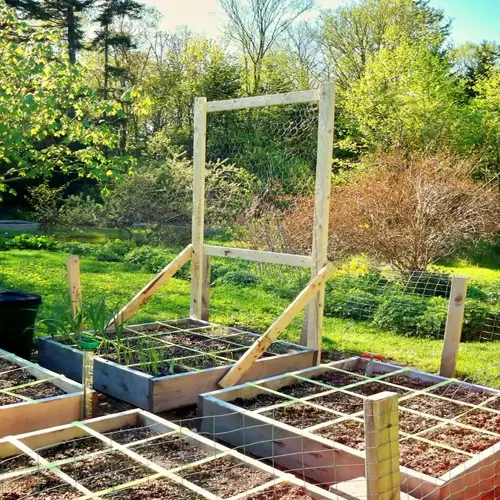
I tested this side by side last season with California Wonder bell peppers. One plant went into a 5-gallon black pot on my patio. Its twin went into a raised garden bed. Container pepper growing took more of my time. The potted plant needed water almost every day in July. The ground plant went 3 days between waterings without wilting at all.
At harvest time, my ground-planted pepper gave me 10 full-size bells while the container plant produced 7 slightly smaller fruits. Container pepper growing works well, but the limited root space means the plant can't spread out the way it does in open soil. Roots hit the pot walls and circle around instead of reaching outward for water and nutrients.
Ground planting gives roots plenty of room to spread out. This larger root network pulls in more water and nutrients, which feeds bigger plants. Soil moisture stays more even underground. You won't face the daily watering battle that pots bring during hot stretches. I set up a soaker hose on a timer last year and my ground-planted peppers needed almost no hands-on care for weeks at a time.
Pots give you one huge advantage: you can move them. Short growing season? Start your pots indoors and wheel them outside when frost passes. Cold snap in October? Roll them back into the garage for the night. This control over temperature helps a lot in cooler climates where spring weather changes fast.
Use dark-colored pots to absorb extra warmth from the sun. Black or dark brown containers keep soil 5 to 8 degrees warmer than light-colored ones in spring. Peppers love warm roots, so this small detail speeds up early growth. Just watch out in peak summer because those same dark pots can overheat and cook roots if you skip a watering.
Drainage holes in your container matter just as much as pot size. Peppers hate sitting in water. If the pot bottom stays soggy, root rot will set in within days during warm weather. Drill 3 to 4 extra holes in the base of any container that doesn't drain fast after you water it.
For ground planting, space your peppers 18 to 24 inches apart in rows and add 2 inches of mulch around each plant. Mulch holds moisture in the soil and keeps roots cool when air temps rise above 90°F (32°C). I lost a ground-planted row to sunscald one year because I skipped the mulch step. The soil dried out too fast and stressed the plants.
My neighbor grows all her peppers in 10-gallon fabric pots on a sunny deck and pulls in a harvest that rivals my garden bed. She mixes in slow-release fertilizer at planting and uses a drip line on a timer. This setup takes the guesswork out of container pepper growing and keeps her plants fed without daily fuss.
When comparing peppers in pots vs ground, the bottom line is simple. Choose pots if you have a patio, balcony, or short growing season where moving plants matters. Choose ground if you have garden space and want the biggest harvest with less watering effort. Either way, your peppers will grow strong as long as they get 6 to 8 hours of sun and steady water.
Read the full article: Growing Peppers: Expert Harvest Advice