
Introduction
You planted mint in your garden bed last spring and now it owns half your vegetable patch. Growing mint in pots solves this problem because you control where the roots go. Mint spreading through underground runners takes over garden beds fast. A container stops this aggressive habit in its tracks.
I learned this lesson the hard way when mint invaded my raised beds. University experts call it one of the most invasive culinary herbs you can grow. They all recommend container gardening as the smart fix for controlling mint growth.
The good news is that potted mint plants thrive with little effort. This hardy perennial survives cold down to -20°F and grows on windowsills, patios, or balconies. You can enjoy fresh mint all year whether you live in an apartment or have acres of land.
Think of mint as a guest who needs clear limits to be a good companion in your garden. A sturdy pot gives mint the structure it needs while you get fresh leaves for tea and recipes. Below you will find everything needed to grow thriving mint plants.
Best Pots for Growing Mint
The pot you choose sets the stage for everything that follows. Get the mint container size right and your plant will reward you with years of fresh leaves. A pot between 12 and 16 inches across works best for growing mint in pots.
Pot size for mint matters more than most people think. I have watched plants struggle in small pots and then explode with growth after moving to bigger containers. A pot too small leads to root bound plants that dry out fast and produce fewer leaves.
Drainage holes are the one feature you cannot skip when picking the best containers for mint. This herb handles almost anything except soggy roots. Standing water causes root rot fast and kills plants that would otherwise live for years. Make sure any pot you pick has holes in the bottom that let excess water escape.
In my experience, terracotta pots breathe well but dry out faster in hot weather. Plastic pots hold moisture longer and work great for forgetful waterers. Fabric pots offer excellent drainage for roots but need more frequent watering than other options.
Planting Mint in Containers
Getting your mint into its new pot takes just a few minutes when you follow the right steps. How to plant mint comes down to good soil, proper depth, and a bit of water. Skip any one of these and your plant may struggle in its first weeks.
Start with the right plant material. Mint does not grow true from seed, so save yourself the trouble and skip the seed packets. Buy a transplant from your local garden center or get a cutting from a friend who grows mint. Both methods give you a plant that matches what you expect in flavor and growth habit.
Mint soil requirements are simple. Use a quality potting mix for mint that drains well but holds some moisture. A pH between 6.0 and 7.0 works best for strong growth. I test my soil with a cheap meter from the garden store to make sure the level sits in the right range.
When planting mint in its new container, set the plant at the same depth as its nursery pot. Burying the stem too deep invites rot at the base. Space plants 12 to 18 inches apart for good mint spacing.
In my experience, mint transplanting works best in spring when growth kicks into gear. That said, container mint can start any time of year if you grow it indoors. Water your new plant well after planting and keep the soil moist for the first few weeks while roots settle in.
Mint Care Essentials
Once your mint settles into its pot, the real fun begins. Mint care comes down to three basics: water, light, and feeding. Get these right and your plant will produce fresh leaves for years.
Multiple studies show that mint thrives on consistent moisture and moderate light. In my years of growing container herbs, mint has proven one of the most forgiving plants. It bounces back fast even when I forget to water for a few days.
Learning how to care for mint helps you avoid common mistakes. Most problems come from either too much water or too little light. Below you can learn about watering mint and fertilizing mint.
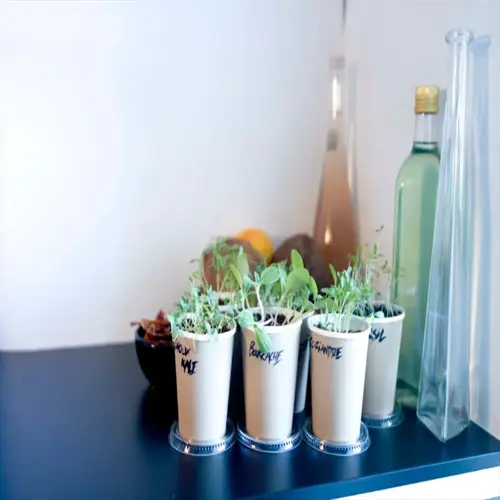
The mint sunlight requirements are simple. A sunny windowsill gives your mint the 4 to 6 hours of light it needs to thrive. This setup is perfect for indoor mint growing.
Watering Schedule
- Frequency: Water container mint 2-3 times per week during active growth, checking when the top inch (2.5 cm) of soil feels dry to the touch.
- Amount: Provide enough water to moisten the entire root zone, allowing excess to drain from the bottom holes to prevent waterlogging.
- Signs of Need: Wilting leaves that perk up after watering indicate the plant needs more frequent attention to the watering schedule.
Light Requirements
- Ideal Exposure: Position mint where it receives 4-6 hours of direct sunlight daily, with morning sun and afternoon shade being optimal in warm climates.
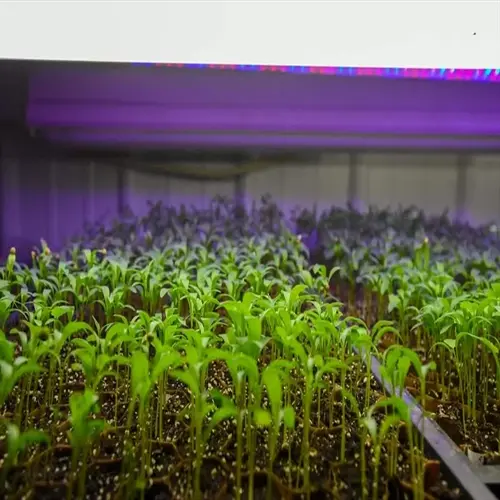
- Indoor Growing: Place potted mint on south or west-facing windowsills, or supplement with grow lights running 12-14 hours for best indoor results.
- Too Much Sun: Watch for leaf scorch (brown, crispy edges) which signals the need to move the pot to a shadier location during peak summer heat.
Feeding Program
- Fertilizer Type: Apply a balanced liquid fertilizer (10-10-10 or similar) diluted to half strength every 4-6 weeks during the growing season.
- Organic Option: Top-dress with compost or aged manure in spring to provide slow-release nutrients without risk of fertilizer burn.
- Caution: Avoid over-fertilizing as excessive nitrogen produces lush growth with reduced essential oil concentration and less flavorful leaves.
Temperature and Location
- Optimal Range: Mint thrives in temperatures between 59-77°F (15-25°C), making it suitable for most indoor and outdoor growing environments.
- Cold Hardiness: Container mint survives winter outdoors in USDA zones 3-8 but benefits from moving to a sheltered location against a south-facing wall.
- Heat Stress: When temperatures exceed 85°F (29°C), increase watering frequency and provide afternoon shade to prevent wilting and leaf damage.
Popular Mint Varieties for Pots
The genus Mentha includes 25 to 30 species with over 600 named types of mint to choose from. For most home growers, four mint varieties stand out as the best picks for container growing.
I tested dozens of different mints over the years and found that spearmint and peppermint work best for first time growers. Both handle the stress of pot life well and bounce back fast from neglect. Once you master these basics, you can move on to specialty mints with unique flavors.
Spearmint adds a soft touch to savory dishes. Peppermint brings bold cooling power to desserts. Chocolate mint and apple mint offer fun twists too. Spearmint is often the best mint for cooking.
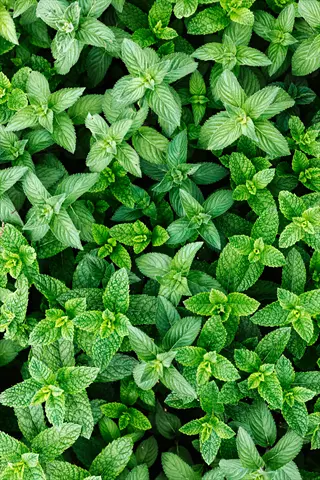
Spearmint (Mentha spicata)
- Flavor Profile: Sweet, mild flavor with subtle cooling sensation, making it the preferred culinary mint for Mediterranean and Middle Eastern dishes, fresh salads, and cocktails like mojitos.
- Growing Habit: Reaches 12-24 inches (30-60 cm) tall with bright green, pointed leaves that have serrated edges and a slightly fuzzy texture on the underside.
- Container Performance: Extremely adaptable to pot culture, tolerating slightly drier conditions than other mints while still producing abundant harvests throughout the growing season.
- Best Uses: Ideal for cooking applications including mint sauce, tabbouleh, lamb dishes, and fresh beverages where a gentle mint flavor enhances without overwhelming other ingredients.
- Cold Hardiness: Hardy in USDA zones 3-8, surviving winter temperatures to -20°F (-29°C) when container is protected or moved to sheltered location.
- Beginner Rating: Excellent choice for first-time mint growers due to its forgiving nature, vigorous growth, and versatility in both culinary and ornamental applications.
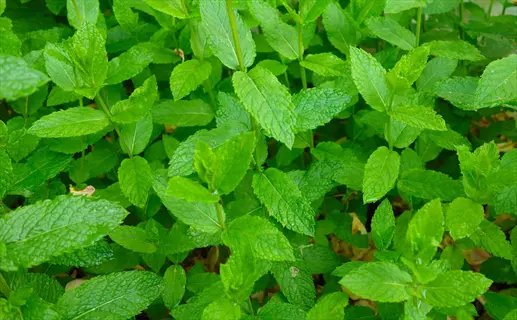
Peppermint (Mentha x piperita)
- Flavor Profile: Strong, intensely cooling flavor with high menthol content (18-58%) that provides the classic sharp mint taste familiar in candies, teas, and medicinal applications.
- Growing Habit: Grows 12-36 inches (30-90 cm) tall with dark green to purple-tinged leaves on reddish stems, spreading vigorously via underground runners.
- Container Performance: Thrives in containers where its aggressive spreading habit is contained, preferring consistently moist soil and partial shade during hot afternoon hours.
- Best Uses: Perfect for mint tea, chocolate desserts, ice cream, after-dinner treats, and aromatherapy applications where a strong, refreshing mint impact is desired.
- Cold Hardiness: Extremely hardy through USDA zones 3-8, with PMC research showing optimal growth at 70-79°F (21-26°C) for best essential oil production.
- Beginner Rating: Good choice for beginners seeking bold mint flavor, though requires slightly more attention to moisture levels than spearmint.
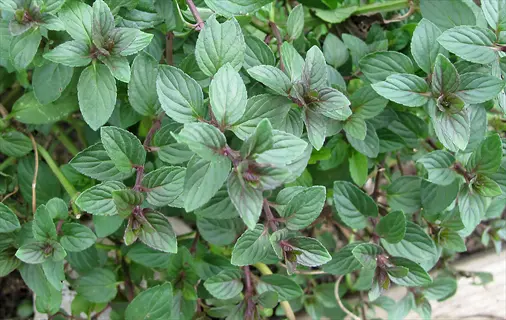
Chocolate Mint (Mentha x piperita)
- Flavor Profile: Distinctive chocolate undertones combined with classic peppermint cooling, creating a unique flavor reminiscent of mint chocolate chip ice cream or after-dinner mints.
- Growing Habit: Grows 12-24 inches (30-60 cm) with dark green leaves featuring bronze or chocolate-colored stems that add ornamental interest to container gardens.
- Container Performance: Well-suited to pot culture with moderate water needs, producing best chocolate notes when grown in partial shade rather than full sun conditions.
- Best Uses: Exceptional in desserts, hot chocolate, brownies, ice cream toppings, and specialty cocktails where the chocolate-mint combination enhances sweet recipes.
- Cold Hardiness: Hardy in USDA zones 5-9, slightly less cold-tolerant than standard peppermint but still reliable for most temperate climate gardeners.
- Beginner Rating: Moderate difficulty as it requires more shade than other mints to develop its signature chocolate aroma and prevent the flavor from becoming generic.
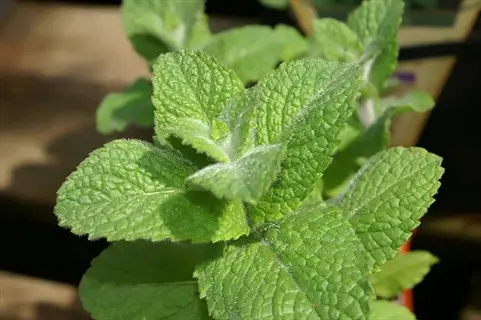
Apple Mint (Mentha suaveolens)
- Flavor Profile: Mild, fruity mint flavor with subtle apple undertones, providing a gentler taste that works well in fruit salads, jellies, and lighter culinary applications.
- Growing Habit: Reaches 24-36 inches (60-90 cm) tall with distinctive fuzzy, rounded leaves covered in soft downy hairs that give the plant a grayish-green appearance.
- Container Performance: More drought-tolerant than other mints, making it forgiving of occasional missed waterings while still producing generous harvests in standard containers.
- Best Uses: Excellent for fruit-based dishes, apple desserts, mild herbal teas, and garnishes where the woolly texture and subtle flavor add visual and culinary interest.
- Cold Hardiness: Hardy in USDA zones 5-9, performs well in both cooler and warmer climates with good adaptability to various growing conditions.
- Beginner Rating: Good choice for gardeners in hot climates or those prone to under-watering, as it handles drought stress better than spearmint or peppermint.
Propagating Mint from Cuttings
Propagating mint gives you free plants from the ones you already have. You can fill every pot on your patio without spending a dime at the garden center. The process works so well that even total beginners see 85 to 90% success rates with their first attempts.
I use two methods for growing mint from cuttings: water rooting and soil rooting. Rooting mint in water lets you watch the roots form through the glass which makes it fun for kids and first timers. Soil rooting skips a step and gives you plants that adapt faster once they start growing.
For best results, take your mint cuttings from new growth at the stem tips. These young stems have more natural rooting hormones than older woody growth. Cut a 4 to 6 inch piece just below a leaf node where the roots will emerge.
Strip the leaves from the bottom half of each cutting. Place the bare stem in a jar of clean water or push it into moist potting mix. Roots appear in 7 to 14 days when you keep the cuttings in a warm spot with bright light.
Older plants that fill their pots do well with dividing mint. In my experience, you lift the root ball out, split it into sections with a clean knife, and replant each piece in fresh soil. Each division grows into a full plant within weeks.
Mint propagation lets you preserve the exact flavor and traits of your favorite plant. Seeds produce random results since mint does not grow true from seed. Cuttings and divisions give you exact copies of the parent every time.
Common Mint Problems and Fixes
Even the toughest plants run into trouble from time to time. Mint pests, mint diseases, and growing issues all have simple fixes when you catch them early. Most problems come from too much water or not enough light.
In my experience, mint bounces back fast once you fix the root cause. I tested fixes for every issue on this list over my years of growing mint. Yellowing mint leaves, leggy mint, and pest problems all respond well to quick action.
Root rot mint and fungal issues need quick attention since they spread fast in wet conditions. Aphids on mint show up when plants get stressed. So do spider mites.
Yellowing Leaves
- Common Cause: Overwatering that saturates roots and prevents oxygen uptake, causing leaves to turn yellow starting from the bottom of the plant upward.
- Quick Fix: Allow the top 1-2 inches (2.5-5 cm) of soil to dry between waterings and ensure drainage holes are not blocked by roots or debris.
- Prevention: Use well-draining potting mix with perlite and check that the pot has adequate drainage before planting to avoid future water retention issues.
Leggy, Sparse Growth
- Common Cause: Insufficient light causing the plant to stretch toward available light sources, resulting in tall stems with widely spaced leaves.
- Quick Fix: Move the container to a brighter location with 4-6 hours of direct sunlight, or supplement with grow lights running 12-14 hours daily.
- Prevention: Pinch growing tips often to encourage branching, and harvest from the top to promote bushy, compact growth habit.
Aphids and Spider Mites
- Identification: Aphids appear as small green, black, or white insects clustered on new growth, while spider mites create fine webbing on leaf undersides.
- Quick Fix: Spray plants with a strong stream of water to dislodge pests, or apply insecticidal soap to affected areas every 5-7 days until controlled.
- Prevention: Maintain good air circulation around plants, avoid over-fertilizing which produces soft growth attractive to pests, and check plants often.
Mint Rust Disease
- Identification: Orange or brown powdery spots on leaf undersides that cause leaves to yellow, wither, and drop from the plant over time.
- Quick Fix: Remove and destroy all affected leaves right away, avoid wetting foliage when watering, and improve air circulation around the plant.
- Prevention: Water at soil level rather than overhead, give plants enough room, and divide overcrowded containers to reduce humidity around foliage.
Root Rot
- Identification: Plant wilts despite moist soil, roots appear brown and mushy when checked, and the base of stems may show soft, darkened tissue.
- Quick Fix: Remove plant from pot, trim away all rotted roots with clean scissors, repot in fresh well-draining soil, and water less until the plant recovers.
- Prevention: Never let containers sit in standing water, ensure all pots have drainage holes, and use potting mix containing perlite for improved drainage.
5 Common Myths
Mint needs full sun all day to grow properly and produce flavorful leaves for cooking and tea making.
Mint actually prefers 4-6 hours of sunlight and thrives with partial afternoon shade, especially in hot climates where too much sun causes leaf scorch.
You cannot grow mint indoors because it requires outdoor conditions and natural rainfall to survive.
Mint grows excellently indoors on sunny windowsills or under grow lights, making it one of the easiest herbs to cultivate inside year-round.
Mint plants grown from seeds produce identical flavors and characteristics to their parent plants.
Mint does not grow true from seed, meaning plants may differ significantly from parents. Cuttings or divisions are the only way to preserve specific variety traits.
Small decorative pots work perfectly fine for growing mint since it is a compact herb.
Mint has vigorous root systems requiring at least 10-12 inch (25-30 cm) diameter pots. Small containers restrict growth and cause the plant to become root-bound quickly.
Watering mint once a week is sufficient because herbs are drought tolerant and prefer dry conditions.
Mint requires consistently moist soil and may need watering 2-3 times weekly, especially in warm weather. The soil should never dry out completely.
Conclusion
Growing mint in pots gives you full control over this spreader while keeping fresh mint within reach at all times. Your container mint stays where you want it. It rewards you with abundant harvests for years to come without taking over your garden beds.
The basics we covered in this guide set you up for real herb gardening success. Good drainage, proper pot size, and consistent watering keep your potted mint plants thick and full of flavor through the whole growing season. These simple steps make all the difference between weak plants and ones that thrive.
Mint counts among the easiest herbs to grow for both new and seasoned gardeners alike. In my experience, following the guide basics leads to success almost every time. Just 1 to 2 plants provide more than enough fresh cuttings for your daily use in the kitchen.
Your mint will thrive for many years with simple division every 3 to 4 years to maintain its energy and vigor. Each time you divide, you get new plants to share with friends or fill more pots around your home.
Nothing beats picking your own leaves for morning tea and summer drinks. Mint rewards even complete beginners with big harvests and the joy of growing fresh herbs at home.
External Sources
Frequently Asked Questions
Does mint like sun or shade?
Mint grows best with 4-6 hours of sunlight but tolerates partial shade, especially in hot climates where afternoon shade prevents leaf scorch.
Does mint grow back every year in pots?
Yes, mint is a hardy perennial that returns each year in USDA zones 3-8, surviving temperatures as low as -20F (-29C) when properly protected.
How do you trim mint so it keeps growing?
Cut stems just above a set of leaves, removing no more than one-third of the plant at a time to encourage branching and continuous growth.
Do coffee grounds help mint plants?
Coffee grounds can slightly acidify soil and add nitrogen, but should be used sparingly as mint prefers a pH of 6.0-7.0 rather than highly acidic conditions.
Does mint repel insects?
Mint's strong aroma naturally deters many insects including mosquitoes, ants, and aphids, making it useful as a companion plant and natural pest deterrent.
What is the lifespan of a mint plant?
Individual mint plants can live 5-10 years or longer, though container plants perform best when divided every 3-4 years to maintain vigor.
How to get mint to grow bushy?
Regular harvesting, pinching growing tips, and pruning before flowering encourages lateral branching for fuller, bushier mint plants.
What happens if you don't prune mint?
Unpruned mint becomes leggy, woody at the base, and produces fewer flavorful leaves as the plant directs energy toward flowering and seed production.
Where does mint grow best?
Mint thrives in moist, well-draining soil with a pH of 6.0-7.0, receiving morning sun and afternoon shade in most climates.
Can mint get too much light?
Yes, excessive direct sunlight, especially in hot climates, can cause leaf scorch, wilting, and reduced oil production in mint plants.