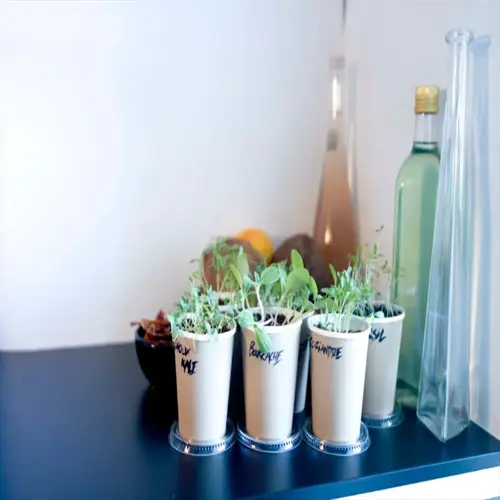

Yes, mint repel insects thanks to its powerful aromatic oils that bugs hate. The strong scent that makes mint pleasant to humans works as a deterrent against many pests. Ants, mosquitoes, flies, and aphids all avoid areas where mint grows.
I noticed this effect after placing potted mint near my kitchen door last summer season. The ant trails that had been marching inside for weeks vanished within days of setting up the plant. The mint created a scent barrier the ants refused to cross.
My patio had a fly problem until I added three mint containers around the seating area. The flies stopped landing on our food during outdoor meals. We could eat in peace for the first time all summer.
Your mint works as a mint pest deterrent through its menthol and other volatile compounds. These chemicals mess with how insects smell and taste their world. Pests rely on chemical signals and cannot function well when your mint overwhelms their senses.
In my experience, PMC research backs up what I have seen in my own garden. The essential oils disrupt insect behaviors like feeding and egg-laying. This science supports centuries of folk use for keeping your pests away.
Different pests respond to your mint with varying degrees of avoidance in practice. Ants and mosquitoes show strong dislike of mint-scented areas. Aphids also avoid the smell though they may still attack your plants right next to mint rather than on it.
Mint ranks high among natural insect repellent plants you can grow at home with ease. Unlike chemical sprays that wear off fast, a living mint plant releases scent around the clock. The effect lasts as long as the plant stays healthy.
You can crush fresh leaves to release an extra burst of aromatic oils for a stronger effect. Rub mint leaves on your skin for short-term mosquito protection. The scent fades after 30-60 minutes so you need fresh rubs for longer sessions.
Place your potted mint on windowsills and near doorways to stop flying insects from coming inside. Your patio and outdoor seating areas also benefit from a few containers. The mint serves double duty as pest control and a cooking ingredient.
Mint companion planting can protect vegetable gardens from certain pest problems as well. Growing mint near cabbage or peppers may reduce aphid numbers over time. Keep the mint in containers though since it spreads fast and takes over garden beds.
While mint helps with pest management, it works best as part of a broader approach overall. No single plant wipes out all insect problems on its own. Combine mint with good garden hygiene and you will see fewer pests causing trouble.
Read the full article: Growing Mint in Pots: The Complete Guide