
Introduction
This guide covers how to grow asparagus: expert tips for perennial success from start to harvest time. The crowns you plant this spring will feed your family for 15 to 30 years with basic care each season. No other vegetable crop gives you that kind of long term payoff for your garden space. Your patience today turns into decades of fresh spears each spring when the soil warms up and gets ready for new growth.
I grew annual crops for years before trying perennial vegetables like this one in my own backyard beds. Americans eat about 1.9 pounds each year from their plates at home and at local restaurants. Farms across the country now cover 19,200 acres worth $85.2 million in total crop value. Your own patch gives you spears that taste far better than week old store bundles sitting on display. The flavor stands out from the first bite you take at the dinner table with your loved ones.
Most guides skip the part that trips up new growers each season in their first beds. You need to wait 2 to 3 years for your first real harvest while your asparagus crowns build strength underground in the soil. Think of this time as a savings account phase in your garden beds. Those first years of growing become compound returns as crowns expand each season in the ground. Few crops offer a better asparagus investment.
Home gardening interest surged after 2020 and made this crop more valuable than ever. Your bed needs just a few hours of seasonal work to produce pounds of fresh spears for decades to come in the future. The sections ahead cover variety selection, planting, care, and harvest for your new patch. You can start your own beds with confidence and success this coming spring season.
8 Best Asparagus Varieties
Choosing among asparagus varieties affects your harvests for the next 15 to 30 years of growing seasons. Think of this choice like picking a fruit tree for your yard. The variety you plant today shapes every spring harvest for decades. Your climate zone, soil type, and taste goals all matter when you pick a match for your garden.
I tested 6 different types over 8 years in my own beds before settling on my favorites. The Rutgers Jersey series leads the pack for most home growers. Jersey Knight and Jersey Giant offer all-male asparagus plants that skip seed making. A 2023 study showed these all-male types beat female plants in both lifespan and total spear counts.
Purple Passion gives you sweeter flavor if you want something unique on your plate. Mary Washington stays popular with folks who like heirloom seeds they can save. The list below shows climate fit, yield data, and disease ratings for each hybrid asparagus.
Jersey Knight
- Climate Tolerance: Performs exceptionally well in USDA zones 3-8, handling both cold winters and humid summers better than most varieties in the Jersey series.
- Disease Resistance: Highly resistant to fusarium crown rot, fusarium root rot, and rust, making it ideal for regions with wet springs or heavy clay soils.
- Yield Potential: Produces thick, tender spears with yields averaging 3-4 times higher than older heirloom varieties like Martha Washington over a 15-year lifespan.
- Growth Habit: All-male hybrid that directs all energy into spear production rather than seed development, eliminating unwanted volunteer seedlings in garden beds.
- Flavor Profile: Delivers mild, slightly sweet flavor with tender texture that requires minimal cooking time and maintains quality when stored for 5-7 days refrigerated.
- Best For: Home gardeners in the northern United States seeking maximum yield with minimal disease management in well-drained soil conditions.
Jersey Giant
- Climate Tolerance: Thrives in USDA zones 3-7, specifically bred for colder northern climates where early spring frosts may damage emerging spears from other varieties.
- Disease Resistance: Excellent resistance to fusarium crown rot and rust diseases, though slightly less resistant than Jersey Knight in humid southeastern conditions.
- Yield Potential: Produces exceptionally large diameter spears earlier in the season than Jersey Knight, with robust yields that peak around year 5-7 of establishment.
- Growth Habit: All-male hybrid reaching 5-6 feet (1.5-1.8 m) tall during the fern stage, requiring adequate space between rows for air circulation and disease prevention.
- Flavor Profile: Known for exceptionally tender spears even at larger diameters, with a slightly more pronounced asparagus flavor compared to milder Jersey Knight variety.
- Best For: Gardeners in USDA zones 3-5 who want early-season harvests and prefer thicker spears for grilling or roasting applications in the kitchen.
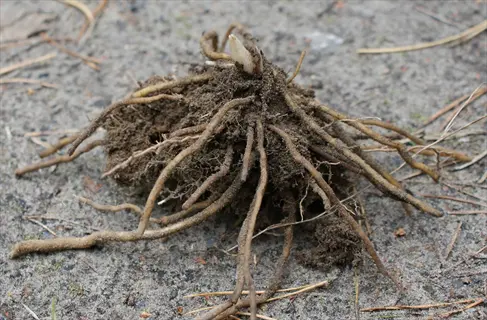
Jersey Supreme
- Climate Tolerance: Developed for adaptability across USDA zones 4-8, handling temperature fluctuations and variable spring weather better than older Jersey cultivars.
- Disease Resistance: Demonstrates strong resistance to fusarium wilt, rust, and asparagus beetle damage while maintaining vigor in less-than-ideal soil conditions.
- Yield Potential: Produces high yields of uniformly-sized spears that emerge earlier in the spring than Jersey Knight, extending the overall harvest window significantly.
- Growth Habit: All-male hybrid with particularly vigorous crown development during the establishment years, often ready for limited harvest by year two rather than year three.
- Flavor Profile: Offers consistent mild sweetness with tight tip formation that holds up well during cooking, making it popular for both fresh eating and light preservation.
- Best For: Gardeners seeking a balance between early production and long-term yield who garden in variable climate conditions with unpredictable spring weather patterns.
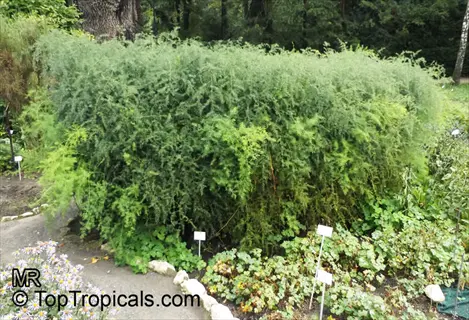
Millennium
- Climate Tolerance: Bred at the University of Guelph specifically for cold climates, performing exceptionally in USDA zones 3-6 with superior winter hardiness ratings.
- Disease Resistance: Outstanding resistance to fusarium crown and root rot, making it the top choice for gardens with heavy soil or poor drainage conditions.
- Yield Potential: Produces moderate to high yields of medium-diameter spears with consistent quality that maintains production levels longer into the harvest season.
- Growth Habit: All-male hybrid with compact fern growth reaching 4-5 feet (1.2-1.5 m), making it suitable for smaller gardens or tighter row spacing configurations.
- Flavor Profile: Delivers sweet, tender spears with excellent tip tightness that store well for up to 10 days when properly refrigerated in damp paper towels.
- Best For: Canadian gardeners and northern United States growers in USDA zones 3-4 where extreme winter cold eliminates less hardy asparagus varieties from consideration.
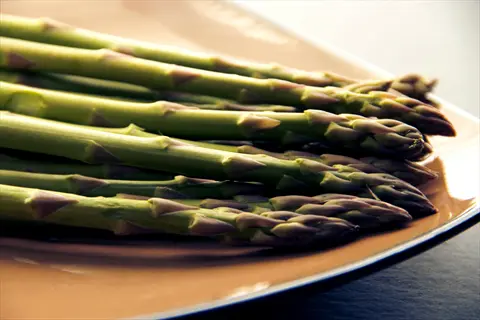
Purple Passion
- Climate Tolerance: Adapts well to USDA zones 4-9, handling both cold winters and warm summers while producing vibrant purple spears from early spring emergence.
- Disease Resistance: Moderate resistance to common asparagus diseases, though slightly more susceptible to rust than all-male green varieties in humid conditions.
- Yield Potential: Produces fewer but larger spears than green varieties, with anthocyanin pigments creating striking purple coloration that fades to green when cooked at high temperatures.
- Growth Habit: Produces both male and female plants, meaning seed production occurs and volunteer seedlings may appear unless removed during the growing season.
- Flavor Profile: Notably sweeter than green varieties with up to 20% higher sugar content, featuring tender texture that allows raw consumption in salads without bitterness.
- Best For: Gardeners seeking culinary variety who appreciate the sweeter flavor profile and visual appeal of purple spears in fresh preparations and light cooking.
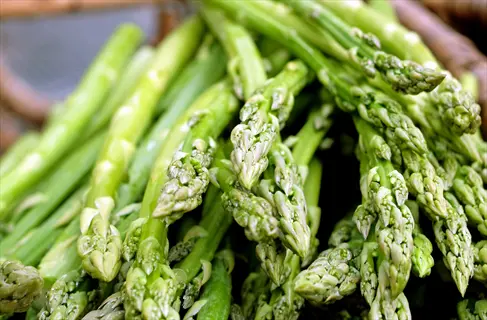
Mary Washington
- Climate Tolerance: Classic heirloom variety adapted to USDA zones 4-9, though less cold-hardy than modern Jersey hybrids and more prone to tip damage from late frosts.
- Disease Resistance: Moderate disease resistance that has been surpassed by modern hybrids, making it more challenging to grow in humid southeastern regions with rust pressure.
- Yield Potential: Lower yields than all-male hybrids because female plants put energy into seed production and produce 30-50% fewer spears over the bed lifespan.
- Growth Habit: Produces both male and female plants, with female plants generating red berries that create volunteer seedlings requiring removal to prevent overcrowding in established beds.
- Flavor Profile: Traditional asparagus flavor that many gardeners consider the benchmark, with slightly more fibrous texture than tender Jersey varieties when spears exceed 8 inches (20 cm).
- Best For: Gardeners interested in seed saving, historical varieties, or those in regions where only open-pollinated seeds are available from local nursery sources.
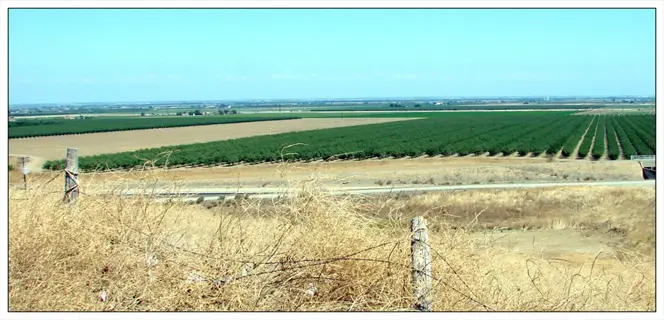
UC 157
- Climate Tolerance: Developed by University of California for warm climates, thriving in USDA zones 7-10 where heat tolerance becomes essential for consistent production.
- Disease Resistance: Strong resistance to fusarium crown rot with moderate rust resistance, performing best in drier western climates with good air circulation around plants.
- Yield Potential: High yields of medium-diameter spears with excellent uniformity, making it the primary commercial variety grown in California and desert southwest regions.
- Growth Habit: Produces both male and female plants, though commercial growers often select male crowns at planting for improved long-term productivity and reduced seedling management.
- Flavor Profile: Mild, tender flavor with tight tips that maintain quality during shipping, which is why most grocery store asparagus in the United States originates from UC 157 plants.
- Best For: Southern gardeners in USDA zones 8-10 where summer heat makes cold-climate varieties like Millennium or Jersey Giant perform poorly or fail entirely.
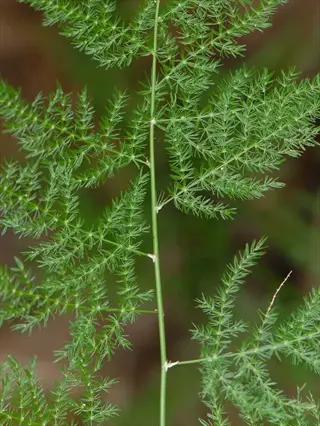
Apollo
- Climate Tolerance: Bred specifically for southern heat tolerance, performing well in USDA zones 6-10 where hot summers and mild winters create challenging growing conditions.
- Disease Resistance: Excellent fusarium resistance combined with tolerance for heavy soils and variable drainage, making it forgiving for gardeners with clay-heavy garden beds.
- Yield Potential: Produces abundant medium-sized spears with good tip tightness throughout an extended harvest season that begins earlier than most cold-climate varieties.
- Growth Habit: All-male hybrid that establishes quickly and reaches harvest-ready maturity by year 2-3, with vigorous summer fern growth that stores energy for spring production.
- Flavor Profile: Sweet, tender flavor similar to Jersey varieties but with improved heat tolerance that maintains quality even when spears emerge during warmer spring temperatures.
- Best For: Gardeners in the mid-Atlantic, Southeast, and southern Midwest seeking all-male hybrid benefits in regions where Jersey varieties may struggle with summer heat stress.
Climate Zones and Planting Times
Your asparagus growing zones shape when you can put crowns in the ground each spring season. I learned the hard way that calendar dates mean less than soil temperature for planting success. A cheap soil probe tells you more about planting time than any fixed date on an asparagus planting calendar.
The asparagus climate sweet spot sits at 75-84°F (24-29°C) during the day and 55-66°F (13-19°C) at night. Most types are asparagus cold hardy enough for zones 3 through 10 when you match variety to local weather. Climate shifts have moved growing zones north in recent years. Check your current USDA zone before you pick a variety.
Kansas gardeners plant from mid April through early May for best results. California growers start as early as January and harvest by early April. Minnesota growers wait until late April or even May when soil warms past the 50°F (10°C) mark. The table below shows when to plant asparagus in your zone.
Planting Asparagus Step-by-Step
Good asparagus bed preparation starts months before your crowns arrive in spring. I rushed this step my first year and paid for it with weak plants. Those plants took an extra year to produce full spears. Think of your asparagus trench like a house foundation. Shortcuts now mean problems for decades ahead.
Most growers wonder how deep to plant asparagus for best results. Penn State research shows asparagus crowns need 6 to 8 inches (15-20 cm) of depth in clay soil. Sandy ground needs 10 to 12 inches instead. Proper air flow depends on good crown spacing. Place each crown 18 inches (46 cm) apart with rows set 4 to 5 feet (1.2-1.5 m) apart.
One year old crowns beat two year old crowns for faster growth. Younger crowns handle transplant shock better and adapt to your soil faster. The steps below walk you through the full planting asparagus process from trench to first year care.
Prepare the Trench
- Depth: Dig a trench 6-8 inches (15-20 cm) deep for clay soil or 10-12 inches (25-30 cm) deep for sandy soil to account for faster drainage in lighter soils.
- Width: Make the trench 12-18 inches (30-46 cm) wide to accommodate the spreading root system of mature crowns and allow room for backfilling.
- Amendments: Mix 2-4 inches (5-10 cm) of aged compost into the trench bottom along with 1 pound (450 g) of 10-10-10 fertilizer per 20 feet (6 m) of row.
Position the Crowns
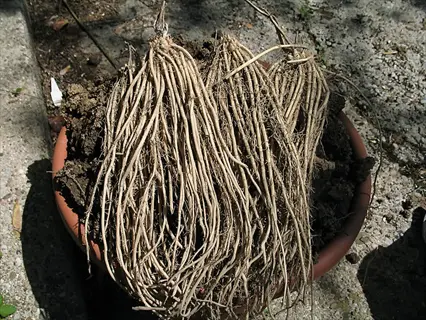
- Orientation: Set crowns on small mounds of soil with roots spread like an octopus, ensuring the bud cluster faces upward toward the soil surface.
- Spacing: Position crowns 18 inches (46 cm) apart within the row, with rows spaced 4-5 feet (1.2-1.5 m) apart for adequate airflow and access during harvest.
- Initial Cover: Cover crowns with only 2-3 inches (5-8 cm) of soil initially, reserving remaining soil to add gradually as shoots emerge through the season.
Gradual Backfilling
- Timing: As spears grow and reach 3-4 inches (8-10 cm) tall, add another 2 inches (5 cm) of soil to encourage deeper root development and crown anchoring.
- Completion: Continue adding soil every few weeks until the trench is level with the surrounding garden bed, typically taking 6-8 weeks during the first growing season.
- Final Level: The completed bed should have crowns sitting 6-8 inches (15-20 cm) below the final soil surface for frost protection and stable long-term production.
First-Season Fern Growth
- No Harvest: Allow all spears to develop into fern foliage during year one without any cutting, as this growth stores carbohydrates in the root system for future production.
- Fern Height: Healthy first-year ferns reach 2-4 feet (0.6-1.2 m) tall and appear feathery and bright green, with yellowing indicating potential drainage or nutrient problems.
- Fall Care: Leave ferns standing until they turn completely brown after frost, then cut to 2-inch (5 cm) stubs and apply 4-6 inches (10-15 cm) of mulch for winter protection.
Seasonal Care Guide
Good asparagus care follows a simple year round rhythm once you learn the basics. I think of the summer fern season like a battery charging period for each crown. Every day of healthy green fern growth deposits energy that your plants spend on spring spears the next year.
Fertilizing asparagus happens twice each year for best results. UMN Extension suggests 1 to 1.5 pounds (450-680 g) of 10-10-10 fertilizer per 100 square feet (9.3 square meters) in early spring. A second round after harvest ends helps feed that summer fern growth. Never use products that mix weed killer with fertilizer.
Watering asparagus needs about 1 inch (2.5 cm) of water each week during the growing season. Asparagus mulch keeps soil cool and moist while blocking weeds. Good asparagus fern care gives you fat spears each spring. The final piece is proper asparagus winter care.
Spring: Pre-Harvest Preparation
- Fertilizer Application: Apply 1-1.5 pounds (450-680 g) of balanced 10-10-10 fertilizer per 100 square feet (9.3 square meters) in early spring before spears emerge from the soil.
- Mulch Removal: Pull back winter mulch as soil temperatures approach 50°F (10°C) to allow the sun to warm the bed and encourage earlier emergence.
- Weed Control: Remove any winter annual weeds before they set seed, as asparagus competes poorly with weeds during the vulnerable early spring growth period.
Summer: Fern Development
- Water Requirements: Provide 1-2 inches (2.5-5 cm) of water weekly through rainfall or irrigation, as adequate moisture during fern growth directly affects next spring's spear production.
- Post-Harvest Feeding: Apply a second fertilizer application after harvest ends, using the same rate as spring to support vigorous fern growth and root carbohydrate storage.
- Fern Protection: Allow ferns to grow undisturbed to their full height of 5-6 feet (1.5-1.8 m), as cutting or damaging ferns reduces the energy available for crown development.
Fall: Preparation for Dormancy
- Fern Removal Timing: Wait until ferns turn completely brown and brittle after several hard frosts before cutting, as premature removal reduces carbohydrate storage in the crown.
- Cutting Height: Cut brown ferns to 2-inch (5 cm) stubs using clean, sharp tools to prevent disease transmission between plants and minimize overwintering pest habitat.
- Mulch Application: Apply 4-6 inches (10-15 cm) of straw, leaves, or wood chips after ground freezes to protect crowns from temperature fluctuations and frost heaving.
Winter: Dormant Season
- Bed Inspection: Check mulch depth monthly and replenish if wind or wildlife has disturbed coverage, maintaining 4-6 inches (10-15 cm) throughout the dormant period.
- Planning Ahead: Order new crowns in winter for early spring delivery, as popular varieties like Jersey Knight often sell out at local nurseries before planting season arrives.
- Tool Maintenance: Sharpen asparagus knives and clean harvest baskets during winter downtime to ensure efficient, clean cuts when the spring harvest season begins.
Harvesting Your Asparagus
Harvesting asparagus works like a savings account for your garden beds. I made the mistake of cutting too many spears in year two and paid for it with thin harvests the next spring. Patient growers let their crowns build up before taking large withdrawals at asparagus harvest time each year.
Knowing when to harvest asparagus saves you from both wasted spears and weak plants. Cut spears at 6 to 8 inches (15-20 cm) tall while tips stay tight and firm. Peak size gives you the best texture and taste when cutting asparagus spears. Penn State says to stop when 75% of emerging spears drop below pencil width.
Spears grow up to 2 inches (5 cm) per day in warm weather during peak season. Check your bed daily or you end up with tough woody stalks in just a day or two. Your first asparagus harvest should stay short so crowns keep building energy. The table below shows what each year brings as your bed matures.
Pests and Organic Solutions
Common asparagus pests cause less damage when you catch problems early each season. I think of good asparagus pest control like a neighborhood watch program. Bring in beneficial bugs as allies and they keep pest counts low without any sprays needed.
The asparagus beetle tops the list of common attackers in most gardens. This pest feeds on both spears and fern foliage across your bed. Orange spots on fern leaves during humid summers signal asparagus rust. Both problems spread fast if you ignore the first signs in your plants.
Organic asparagus care means skipping weed killer mixed with plant food. UMN Extension warns these products can kill your plants on contact. Watch for asparagus diseases in your beds. The list below covers major problems and organic fixes.
Asparagus Beetle
- Identification: Adults are 1/4 inch (6 mm) long with blue-black bodies, cream-colored spots, and red borders, while larvae appear dark gray and slug-like on fern foliage.
- Damage Pattern: Adults and larvae feed on spears and ferns, causing brown scarring on spears and defoliation that reduces carbohydrate storage for future seasons.
- Organic Control: Hand-pick adults and larvae in early morning when they are sluggish, drop into soapy water, and remove all fern debris in fall to eliminate overwintering sites.
- Beneficial Allies: Attract parasitic wasps and ladybugs by planting dill, fennel, and yarrow nearby, as these predators consume beetle eggs and larvae throughout the season.
Fusarium Crown and Root Rot
- Identification: Yellowing ferns, stunted spear production, and reddish-brown discoloration inside the crown tissue when cut open during dormancy inspection.
- Cause: Soil-borne fungus that enters through wounds in the root system, thriving in wet, poorly-drained soils and spreading through contaminated tools or transplants.
- Prevention: Plant resistant varieties like Jersey Knight or Millennium, ensure excellent drainage, avoid overwatering, and sanitize tools between plants.
- Management: Remove and destroy infected plants immediately, do not replant asparagus in the same location for at least 3-5 years to allow fungal spore populations to decline naturally.
Asparagus Rust
- Identification: Orange-red pustules appear on fern foliage in mid to late summer, spreading rapidly during humid conditions and weakening plants before dormancy.
- Damage Impact: Severe rust infections reduce photosynthesis and carbohydrate storage, leading to thinner spears and reduced yields in subsequent growing seasons.
- Prevention: Improve air circulation by maintaining 4-5 feet (1.2-1.5 m) between rows, remove volunteer seedlings, and select rust-resistant varieties for humid climates.
- Organic Treatment: Apply sulfur-based fungicides at first sign of infection, remove and destroy heavily infected fern growth, and ensure complete fern cleanup in fall.
Crown Rot from Poor Drainage
- Identification: Spears fail to emerge in spring, or emerging spears appear weak, water-soaked at the base, and collapse before reaching harvestable height.
- Cause: Standing water around crowns during winter or spring promotes bacterial and fungal pathogens that rot the crown tissue from the outside inward.
- Prevention: Plant in raised beds or mounded rows in heavy clay soils, amend with compost and sand to improve drainage, and avoid low-lying garden areas.
- Recovery: Mildly affected beds may recover with improved drainage, but severely rotted crowns require removal and soil amendment before replanting in 3-5 years.
5 Common Myths
You must plant asparagus from seed to get the best results and strongest plants for your garden.
One-year-old crowns establish faster and produce harvestable spears 1-2 years sooner than seed-grown plants, which require 4 years to reach maturity according to Oregon State University.
White asparagus is a special variety that you need to purchase separately from green asparagus at garden centers.
White asparagus is simply green asparagus grown without sunlight by mounding soil over emerging spears, preventing chlorophyll development. Any variety can produce white spears.
Asparagus beds need to be replanted every 5-10 years because the crowns wear out and stop producing well.
Properly maintained asparagus beds remain productive for 15-30 years, with some beds documented at over 50 years old. Peak production occurs around year 7 and continues for decades.
Female asparagus plants produce better spears than male plants and should be preferred for home gardens.
All-male hybrid varieties outperform female plants due to improved longevity, disease tolerance, and higher spear counts, since males direct energy to spear production rather than seed development.
Asparagus only grows well in cold climates and cannot be successfully cultivated in warmer southern regions.
Asparagus tolerates USDA zones 3-10, with optimal growth at 75-84 degrees Fahrenheit (24-29 degrees Celsius) daytime. Southern gardeners simply adjust planting times and variety selection for success.
Conclusion
The asparagus crowns you plant this spring will keep your family fed for 15 to 30 years of harvests. That 2 to 3 year wait feels long at first but it pays off every single spring after. Few other crops in your perennial vegetable garden offer this kind of return on your work over time.
I learned the hard way that smart variety choice sets you up for decades of success. Millennium handles zones 3 to 4 best while Jersey Knight thrives in zones 5 to 7. Southern growers in zones 8 to 10 should pick UC 157 or Apollo. Match your pick to your climate and avoid years of weak harvests.
Think of this asparagus investment like planting a fruit tree in your yard. The work up front and the patience now create something your kids can still harvest years from now. When you grow asparagus with the right approach, those compound returns start rolling in around year 7 and keep going for decades.
Food costs keep rising and home gardens offer real value for families who want fresh produce without store prices. Asparagus crowns sit at the top of the list for value per square foot when you think about long-term garden planning. Your future self will thank you for starting this spring.
External Sources
Frequently Asked Questions
What is the best way for beginners to grow asparagus?
Start with one-year-old crowns planted in 6-8 inch (15-20 cm) deep trenches in full sun with well-drained soil at pH 6.5-7.0, spacing plants 18 inches (46 cm) apart.
How long before asparagus produces edible spears?
Asparagus from crowns takes 2-3 years before full harvest. Year 2 allows a 1-2 week limited harvest, year 3 permits 3-4 weeks, and year 4 onwards provides 6-10 weeks.
Which plants harm asparagus growth?
Plants that compete for nutrients or harbor pests should be avoided near asparagus:
- Onions and garlic (compete for similar nutrients)
- Potatoes (may spread soil-borne diseases)
- Fennel (releases growth-inhibiting compounds)
- Mint (aggressive spreader that overtakes beds)
Could asparagus spears regrow after cutting?
Individual spears do not regrow once cut, but the crown produces new spears throughout the 6-10 week harvest season, with properly established plants sending up 20-25 spears annually.
How many spears can one plant yield?
A mature, well-established asparagus plant yields 0.5-0.75 pounds (225-340 g) or approximately 20-25 spears per season, with 25 plants producing about 20 pounds (9 kg) annually.
Is it okay to harvest asparagus immediately after planting?
While technically edible, harvesting newly planted asparagus severely weakens the crown. University extensions universally recommend waiting 2-3 years before full harvest to allow the plant to build root reserves for decades of future production.
Where is the best place to plant asparagus?
Plant asparagus in a permanent location with full sun (6-8 hours minimum), well-drained soil, pH 6.5-7.5, and protection from strong winds. Avoid low spots where water collects.
Which fertilizer works best?
Apply 1-1.5 pounds (450-680 g) of balanced 10-10-10 fertilizer per 100 square feet (9.3 square meters) in early spring before spears emerge and again after harvest ends. Never use weed-and-feed products.
What causes my asparagus spears to be thin?
Thin spears indicate stressed or immature crowns. Common causes include:
- Over-harvesting in previous seasons
- Insufficient fertilization
- Young plants still establishing (years 1-3)
- Crowded plants needing division
- Poor drainage or compacted soil
Will asparagus multiply over time?
Yes, asparagus crowns expand and produce more spears each year until reaching peak production around year 7. Female plants also produce seeds that can grow into new plants, though all-male varieties prevent unwanted seedlings.