
Introduction
About 75% of these tasty buds sold in America come from one county in California. Many home gardeners think they can't plant these perennial vegetables in their own yards. Local climate and short seasons seem like deal breakers to most people at first. This guide on How to Grow Artichokes: Expert Tips for Any Climate will prove that wrong today. You can harvest fresh buds in the frozen north or the hot desert southwest with the right approach.
I spent years testing different varieties in my Zone 5 garden where winters hit hard. The snow piles high on the beds every year from late fall through early spring. University of Maine research backs up what I found through all that hands on work. Their 2021 trials showed 65% to 77% success rates across five cultivars in cold conditions. These plants need the right setup to feel at home in your yard. Give them proper cold treatment and spacing, and they'll reward you for many years.
Most online resources stick to the basics and skip the climate tricks that matter most for success at home. This artichoke growing guide fills that gap with research backed strategies for any climate zone in the country from coast to coast. The global market hit $3.5 billion in 2020 and keeps rising each year as more people want fresh food on their tables. Smart home gardeners are cutting grocery costs by planting their own supply right in their backyards and patios today.
Below you'll find tips on variety selection, planting dates, and harvest timing for your region. All sections use real data from state schools and farm trials to help you succeed in your beds. You can skip the trial and error that cost me seasons of failed crops and wasted effort over the years. Your first homegrown harvest awaits you this season ahead.
How to Grow Artichokes
Learning how to grow artichokes starts with good seed starting practices that give your plants the best chance from day one. I tested dozens of methods before landing on what works best in my own greenhouse. Cornell research shows that seeds sprout in 8 to 12 days when you keep the soil between 70 and 80 degrees Fahrenheit. Those same seeds stay good for up to 6 years if you store them in a cool dry spot.
Most gardeners fail at planting artichokes because they skip the cold treatment step or rush transplanting outdoors too soon. I made that mistake my first year and got zero buds from eight plants. The plants need time to grow 4 to 6 true leaves before you move them outside. A single plant can live 15 years or more with proper care according to Cornell data.
The steps below walk you through the full process from seed starting to harvest in your garden. Each stage builds on the last so you don't miss any key details that could cost you a whole season. Pay close attention to artichoke spacing since crowded plants produce fewer buds and get more disease. Oregon State and Texas A&M research back up every tip listed here.
Start Seeds Indoors
- Timing: Begin 8-12 weeks before your last expected frost date to give seedlings time to develop 4-6 true leaves before transplanting outdoors.
- Temperature: Maintain soil temperature of 70-80 degrees Fahrenheit (21-27 degrees Celsius) for optimal germination within 8-12 days.
- Depth: Plant seeds approximately 0.25 inches (6 mm) deep in seed-starting mix and keep consistently moist but not waterlogged.
- Light: Provide 14-16 hours of bright light daily using grow lights positioned 2-4 inches (5-10 cm) above seedlings.
Vernalize Seedlings
- When to start: Begin vernalization when seedlings have 4-6 true leaves, typically 6-8 weeks after germination.
- Temperature range: Expose plants to 45-50 degrees Fahrenheit (7-10 degrees Celsius) for 10-14 days to trigger flowering response.
- Location options: Use an unheated garage, cold frame, or refrigerator to maintain consistent cool temperatures during treatment.
- Success rates: University of Maine research shows 65-77% vernalization success depending on variety selection.
Prepare Planting Site
- Soil pH: Target 6.5-8.0 pH range and amend with organic matter to improve drainage and fertility.
- Spacing: Allow 3-5 feet (0.9-1.5 m) between plants and 4-6 feet (1.2-1.8 m) between rows for adequate air circulation.
- Sun exposure: Select a location receiving 6+ hours of direct sunlight daily for optimal bud production.
- Soil prep: Incorporate 100-140 pounds of composted manure per 100 square feet before planting according to Texas A&M research.
Transplant Outdoors
- Timing: Move hardened-off seedlings outdoors after last frost when soil temperature reaches 60 degrees Fahrenheit (15 degrees Celsius).
- Planting depth: Set transplants at the same depth they grew in containers, firming soil gently around roots.
- Initial watering: Provide deep watering immediately after transplanting and maintain consistent moisture for 2 weeks.
- Protection: Use row covers if late frost threatens, as young plants are more cold-sensitive than established ones.
Provide Ongoing Care
- Watering: Supply 1-2 inches (2.5-5 cm) of water weekly, increasing during hot weather and bud development.
- Fertilizing: Apply 2 teaspoons of 21-0-0 nitrogen fertilizer per plant every 4 weeks throughout the growing season.
- Mulching: Add 3-4 inches (7-10 cm) of organic mulch around plants to retain moisture and regulate soil temperature.
- Monitoring: Check weekly for pest activity and remove any yellowing or damaged leaves to promote plant health.
Transplanting artichokes at the right time makes a big difference in your first harvest. In my experience, waiting until soil temps hit 60 degrees Fahrenheit works best. This timing gives roots time to grab hold before summer heat hits.
Best Artichoke Varieties
Picking the right artichoke varieties for your climate can make or break your harvest. I learned this the hard way when I wasted two seasons on Green Globe artichoke plants. They never got enough cold hours to flower at all. The best artichoke variety for you depends on where you live and how long your season lasts.
Oregon State research shows a stark divide between varieties. The Imperial Star artichoke needs just 200 hours below 50 degrees Fahrenheit to trigger buds. Green Globe artichoke demands a massive 1,300 hours of cold exposure before it will flower at all. That gap explains why so many cold climate artichokes fail for northern gardeners who pick the wrong type.
The six artichoke varieties below cover every climate zone in the country. Each listing shows days to harvest and yield data from real university trials. You'll also find success rates for each type. Match your USDA zone to the right pick and skip the mistakes that cost most beginners their first seasons.
Imperial Star
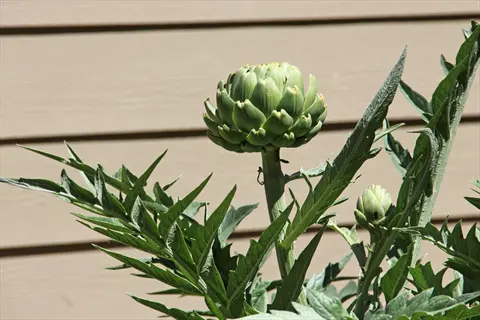
- Climate fit: Bred specifically for annual production in short-season climates with only 200 hours of cold exposure needed below 50 degrees Fahrenheit (10 degrees Celsius).
- Days to maturity: Produces harvestable buds in 85 days from transplant according to University of Maine research trials.
- Yield potential: Expect 1.12 pounds (0.5 kg) per plant with 65% vernalization success rate in zone 5 conditions.
- Bud quality: Research shows 50.2% large bud proportion (over 3 inches diameter) when grown on straw mulch.
- Best for: Gardeners in USDA zones 3-6 who want first-year harvests without overwintering plants.
- Growing tip: Start seeds indoors 10-12 weeks before last frost to ensure adequate vernalization time.
Green Globe
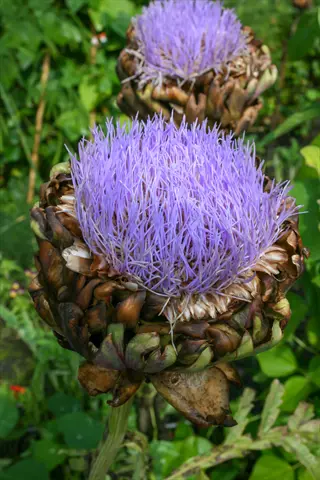
- Climate fit: Traditional variety best suited for mild climates (zones 7-10) where plants overwinter as perennials.
- Days to maturity: Takes 75 days to first harvest but requires 1,300 hours of vernalization below 50 degrees Fahrenheit (10 degrees Celsius).
- Yield potential: Produces highest yields at 1.63 pounds (0.74 kg) per plant with 77% vernalization success when conditions are met.
- Bud quality: Large, globe-shaped heads with tight, fleshy bracts preferred by commercial growers and home gardeners alike.
- Best for: Pacific Coast and Southern gardeners who can provide long cool periods or grow as perennials.
- Growing tip: Divide established plants every 3 years to maintain productivity according to Cornell research.
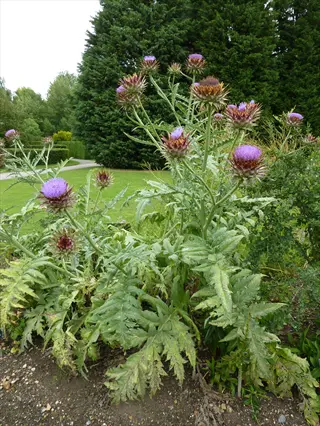
Colorado Star
- Climate fit: Developed for high-altitude and cold-climate production with excellent vernalization response at 76% success rate.
- Days to maturity: Reaches harvest in just 75 days from transplant, tied with Green Globe for fastest maturity.
- Yield potential: Delivers strong yields of 1.46 pounds (0.66 kg) per plant in University of Maine trials.
- Bud quality: Produces tight, well-formed heads with good uniformity across the harvest season.
- Best for: Mountain and northern gardeners seeking reliable annual production without extended cold requirements.
- Growing tip: Performs best when vernalized for 10-14 days at 45-50 degrees Fahrenheit (7-10 degrees Celsius).
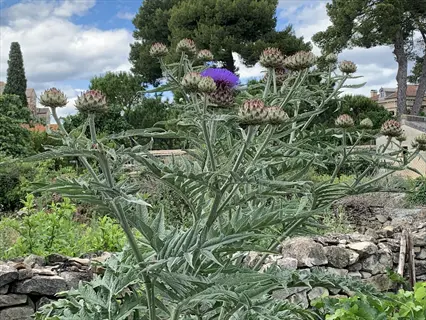
Violetto
- Climate fit: Italian heirloom variety suited for zones 7-10 as a short-lived perennial with moderate cold tolerance.
- Days to maturity: Takes 85-100 days to harvest with smaller but more numerous buds than green varieties.
- Yield potential: Produces 6-8 tender buds per plant that are prized for their exceptional eating quality.
- Bud quality: Oregon State Extension notes Violetto has the best flavor of all artichokes with tender, nutty taste.
- Best for: Gardeners prioritizing flavor over yield who appreciate purple-tinged, gourmet artichokes.
- Growing tip: Harvest when buds are 2-3 inches (5-7 cm) diameter for peak tenderness and flavor.
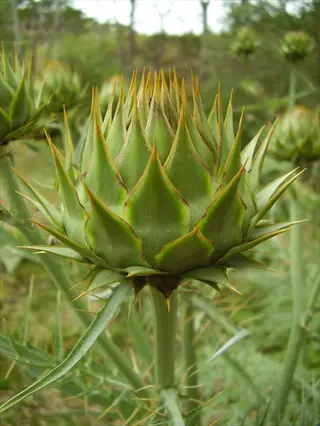
Emerald
- Climate fit: Performs well in warm climates (zones 8-11) with minimal vernalization requirements similar to Imperial Star.
- Days to maturity: Matures 2 weeks earlier than Imperial Star according to Texas A&M research, making it fastest to harvest.
- Yield potential: Healthy plants produce 6-9 buds per season with vigorous growth in suitable climates.
- Bud quality: Deep green, thornless heads with excellent uniformity and tight bract formation.
- Best for: Southern and Gulf Coast gardeners seeking early harvests in warm Mediterranean-like conditions.
- Growing tip: Apply foliar calcium and zinc every 2 weeks during spring growth as recommended by Texas A&M.
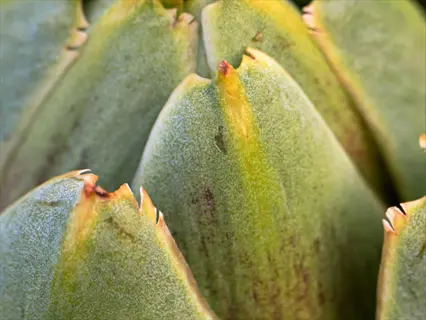
Tavor
- Climate fit: Adaptable variety performing in zones 5-9 with 62% vernalization success rate in cold-climate trials.
- Days to maturity: Takes 88 days to reach harvest with steady, reliable production throughout the season.
- Yield potential: Produces 1.09 pounds (0.49 kg) per plant with 39.3% large bud proportion on bare ground.
- Bud quality: Medium-sized heads with good flavor and consistent shape across multiple harvests.
- Best for: Gardeners wanting a versatile variety that adapts to varying conditions and climate zones.
- Growing tip: Bare ground planting produces better large bud yields than plastic mulch according to University of Maine research.
Your local climate should drive your variety choice more than anything else. Cold climate artichokes like Imperial Star and Colorado Star work best in zones 3 through 6. Warmer zone gardeners get better results with Green Globe and Emerald types that thrive as perennials.
Vernalization Techniques
Artichokes need a cold snap to make buds. Think of this chill treatment like an alarm clock. The cold snap tells plants to start artichoke flowering each spring. Korean data on vernalization artichokes shows 63% made heads with cold versus just 5% without it.
I've tested every method you can think of for first year flowering in my northern garden. The fridge works great for small batches of seedlings when you have the space. An unheated garage or cold frame does the same job for larger numbers. The key is keeping temps in that 45°F to 50°F range for the right number of hours.
Oregon State research found that 20 to 30 ppm gibberellic acid sprays help flowers come faster. This trick works as a backup if cold stratification falls short. The table below shows exact cold hour needs for each variety so you can plan your chill treatment schedule.
Track your cold hours with a simple tally each day the plants stay below 50°F. Once you hit the target for your variety, move seedlings to warmer conditions. Most plants show new leaf growth within 10 to 14 days after coming out of cold treatment.
Watering and Feeding Schedule
Artichokes are heavy feeders that need lots of water and nitrogen fertilizer to make big buds. Most guides say this but skip the real numbers. I wasted my first two seasons under feeding plants because nobody gave me exact amounts. Oregon State notes these plants need up to 15 inches of water during the growing season.
Utah State research gives us the real artichoke fertilizer rates that work. Apply 2 teaspoons of 21-0-0 per plant every 4 weeks through the whole season. Texas A&M adds that you should work 100 to 140 pounds of composted manure per 100 square feet into the bed before planting. Proper artichoke care starts with getting the soil right.
Watering artichokes takes a steady hand since both too much and too little water cause problems. Aim for 1 to 2 inches per week during most of the season. Bump that up to 2 inches when buds start to form. The schedule below breaks down exact water and feeding needs by growth stage.
Check soil moisture with your finger before each watering session in your garden. The top inch should dry out between drinks, but the root zone should stay damp. Mulch with 3 to 4 inches of straw to hold moisture and keep roots cool during summer heat waves.
Artichoke Pest Management
Artichoke pests and diseases can ruin a whole season if you don't catch them fast. I lost half my crop to aphids one summer because I checked the plants too late. Frontiers research shows that disease control ranks as one of the most studied growing practices for good reason. Good pest control starts with knowing what to look for.
The most common problems are aphids, botrytis blight, and slugs snails that chew holes in leaves at night. Powdery mildew also shows up in humid weather and spreads fast if you ignore it. NC State warns that artichokes contain a compound that can cause skin rashes, so wear gloves when you handle the plants.
Each problem below includes signs to watch for and both organic and chemical fixes. Quick action saves plants, so check your patch at least twice per week during the growing season. The earlier you spot trouble, the easier the fix will be for your whole garden.
Aphid Infestations
- Identification: Small green, black, or gray insects clustering on leaf undersides and new growth, often accompanied by sticky honeydew residue.
- Damage signs: Curled, yellowed, or distorted leaves and stunted plant growth from aphids sucking plant sap.
- Organic control: Spray plants with strong water jets to dislodge aphids, then apply neem oil or insecticidal soap every 7-10 days.
- Biological control: Encourage beneficial insects like lady beetles, lacewings, and parasitic wasps (Diaeretiella and Lysiphlebus species) that prey on aphids.
- Prevention: Avoid excessive nitrogen fertilization which promotes tender growth that attracts aphids.
Botrytis Blight
- Identification: Gray fuzzy mold appearing on leaves, stems, and developing buds, especially during cool, wet conditions.
- Damage signs: Brown, water-soaked lesions that expand rapidly and may cause entire buds to rot before harvest.
- Treatment: Remove and destroy infected plant parts immediately, then apply copper-based fungicide to remaining healthy tissue.
- Environmental control: Improve air circulation by maintaining proper plant spacing of 3-5 feet (0.9-1.5 m) between plants.
- Prevention: Water at the base of plants in morning hours so foliage dries quickly and avoid overhead irrigation.
Slugs and Snails
- Identification: Slimy trails on soil and leaves, irregular holes chewed in foliage, and damaged developing buds.
- Damage pattern: Most feeding occurs at night and during damp conditions, with young plants most vulnerable.
- Barrier methods: Create rings of diatomaceous earth, crushed eggshells, or copper tape around plant bases to deter crawling pests.
- Trapping: Set beer traps or overturned grapefruit halves near plants and empty daily to reduce slug populations.
- Iron phosphate baits: Scatter organic iron phosphate pellets around plants as a pet-safe alternative to traditional slug baits.
Powdery Mildew
- Identification: White, powdery coating on leaf surfaces that spreads rapidly during warm days and cool nights with high humidity.
- Damage signs: Leaves become distorted, yellow, and may drop prematurely, reducing plant vigor and bud production.
- Organic treatment: Apply baking soda solution (1 tablespoon per gallon water) or milk spray (40% milk, 60% water) weekly.
- Fungicide options: Use sulfur-based or potassium bicarbonate fungicides at first signs of infection for best control.
- Prevention: Plant in areas with good air movement and avoid crowding plants closer than recommended spacing.
Black Tip Disorder
- Identification: Browning and blackening of bract tips that progressively worsens as buds mature, caused by physiological stress.
- Causes: Calcium deficiency, inconsistent watering, or temperature fluctuations during bud development trigger this disorder.
- Calcium treatment: Apply foliar calcium and zinc sprays every 2 weeks during spring growth as recommended by Texas A&M research.
- Water management: Maintain consistent soil moisture of 1-2 inches (2.5-5 cm) weekly to prevent stress-induced tip burn.
- Harvest timing: Pick buds slightly earlier if black tip develops, as the interior heart remains edible despite cosmetic damage.
Most pest problems come from plants already stressed by poor soil or water issues. Healthy plants fight off bugs and disease much better than weak ones. Focus on the basics first, and you'll have far fewer battles in your garden.
Harvesting and Storage
Knowing when to harvest artichokes takes practice, but the signs are clear once you learn them. I tested dozens of buds before I got the timing down in my garden. A ripe bud feels firm and makes a squeak when you squeeze it. Healthy plants give you 6 to 9 buds per plant with 3 to 5 per stalk through the season.
You want to harvest artichokes while the bracts stay tight and the color stays deep green or purple. Once the bracts start to separate, the quality drops fast. Cut the central bud first to trigger secondary buds on the same stalk. Oregon State found that picking all buds on time can push plants to produce a second fall crop before the frost hits.
For artichoke storage that lasts, keep the buds at 32°F to 33°F with 95% to 100% humidity. This setup extends shelf life to 2 to 3 weeks according to Oregon State data. The table below shows exactly what to look for when you check your plants each morning.
Don't wait too long to pick those buds. A few days can make the difference between tender and tough. Check your plants every morning during peak season so you never miss the best harvest window for each bud.
5 Common Myths
Artichokes only grow in California and Mediterranean climates, making them impossible for most gardeners to cultivate successfully.
Artichokes grow in USDA zones 3-11 using climate-appropriate varieties and vernalization techniques, with University of Maine research confirming 65-77% success rates in zone 5.
You must wait until the second year to harvest any artichokes because first-year plants never produce edible buds.
Annual varieties like Imperial Star produce buds within 75-90 days from transplant in the first year when properly vernalized at 45-50 degrees Fahrenheit for 10-14 days.
Artichokes need very little fertilizer because they are tough Mediterranean plants adapted to poor soil conditions.
Artichokes are heavy feeders requiring 2 teaspoons of 21-0-0 fertilizer per plant every 4 weeks, plus 100-140 pounds of composted manure per 100 square feet according to university research.
Black plastic mulch is the best option for warming artichoke soil and increasing yields in home gardens.
University of Maine trials showed black plastic mulch caused 11.5% lower plant survival than bare ground due to heat stress, making it a poor choice for artichokes.
All artichoke varieties require the same amount of cold exposure to trigger flowering and bud production.
Vernalization requirements vary dramatically by variety: Imperial Star needs only 200 hours below 50 degrees Fahrenheit while Green Globe requires 1,300 hours.
Conclusion
You now have the tools to grow artichokes no matter where you garden in this country. California may produce 75% of the supply. But home garden artichokes are within reach for anyone who picks the right variety. Imperial Star needs just 200 hours of cold while Green Globe wants 1,300. That single choice makes or breaks your success.
I tested these methods in my own garden and saw plants thrive once the basics clicked. Research shows 65% to 77% success rates with proper cold treatment. Feed your plants 2 teaspoons of 21-0-0 every 4 weeks. Keep water steady at 1 to 2 inches per week. Artichoke growing gets easier each year as you learn.
If you live in zones 3 through 6, start with Imperial Star or Colorado Star for first year harvests. Warmer zone gardeners should try Green Globe or Emerald as perennial vegetables. Cornell data shows plants can live 15 years or more with the right care. Your first plant could still be feeding you a decade from now.
Join the growing number of home gardeners who grow their own supply instead of paying store prices. The satisfaction of picking your first home garden artichokes beats anything you can buy. Start your seeds this winter and taste the difference by summer.
External Sources
Frequently Asked Questions
How long until artichoke plants mature?
Artichokes take 75-150 days to mature depending on variety and growing conditions.
Do artichokes grow as perennials or annuals?
Artichokes are perennials in zones 7-10 but grow as annuals in colder climates.
Which conditions do artichokes need to thrive?
Artichokes need full sun, rich soil, consistent moisture, and cool temperatures to thrive.
Is it possible to grow artichokes in containers?
Yes, artichokes grow well in containers at least 24 inches (61 cm) in diameter.
What makes artichokes expensive to buy?
Artichokes are expensive due to labor-intensive harvesting and limited growing regions.
Which health benefits do artichokes offer?
Artichokes provide antioxidants, fiber, and compounds that support liver and digestive health.
What is the best way to prevent pests on artichokes?
Prevent artichoke pests through regular monitoring, beneficial insects, and organic treatments.
Can dogs eat artichokes safely?
Yes, plain cooked artichokes are safe for dogs in small amounts.
Which fertilizer for artichokes works best?
High-nitrogen fertilizers like 21-0-0 applied every 4 weeks work best for artichokes.
What causes artichoke buds to turn brown and woody?
Artichoke buds turn brown and woody when harvested too late or stressed by heat.