
Yes, lasagna gardens fire hazards dry regions face are real but easy to manage with the right steps. Dry straw and dead leaves can catch fire if they dry out all the way. A well-watered bed with damp layers poses very little fire danger at all.
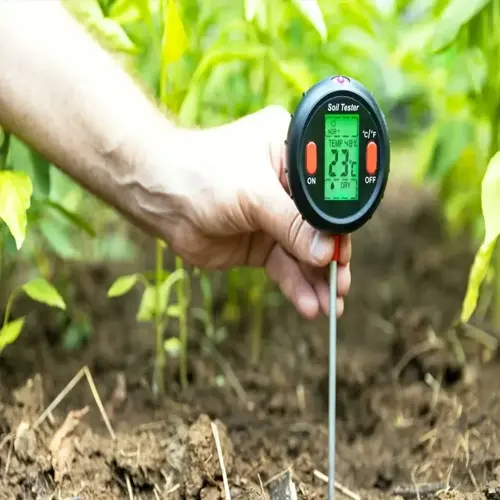
I learned that lasagna garden fire safety comes down to one thing: water your bed often. My beds sit 20 feet from my house and I keep them damp through the hot months. I check the top layer with my hand every other day. If the top inch feels dry, I run the drip line for 30 minutes to soak it. In three years I have never had a close call.
A neighbor on my street lost a pile of dry yard waste to a spark from a nearby brush fire last August. The pile was bone dry and caught within seconds. That event made me take my bed moisture much more serious. I now water my beds on a set timer instead of just checking by hand.
Dry organic material like straw and dead leaves can catch fire when they lose all their moisture. Straw bales in the open sun can dry out to the point where a stray spark or hot ember sets them off. But damp organic matter does not burn. Keeping your layers moist is the single best thing you can do to prevent any fire risk in your garden bed.
Fire safety rules say to keep garden beds at least 30 feet (9 meters) from buildings in fire-prone areas. This buffer zone gives you time and space if something does catch. Keep your lasagna bed away from fences, sheds, and house walls. That gap between your organic layers and any structure is your safety net.
Install Drip Lines
- Moisture control: Drip lines keep your layers damp all week without wasting water on paths and walkways around your bed.
- Timer setup: Run your drip system for 20 to 30 minutes every other day during hot dry months to keep things safe.
- Deep soak: Water should reach 4 to 6 inches deep into your layers, not just wet the surface.
Use Green Living Mulch
- Fire break: Growing clover or other ground cover on top of your bed creates a living layer that does not burn as easy as dry straw.
- Moisture help: Green mulch shades the soil and holds water in so your layers stay damp longer between watering days.
- Best picks: White clover, creeping thyme, and vetch all work well as fire-safe top covers for your bed.
Watch Fire Weather Alerts
- Red flag days: Water your bed extra on red flag warning days when wind and low humidity raise the fire risk in your area.
- Remove dry tops: Pull off any loose, dry straw or leaf pieces on top of your bed during high fire danger days.
- Keep tools close: Have a garden hose or bucket of water near your beds during fire season for quick response.
The biggest dry climate lasagna garden risks come from ignoring your beds during hot spells. A bed that goes two weeks without water in summer heat turns into a stack of dry tinder. Stay on top of your watering schedule and your lasagna bed will be just as safe as any other garden in your yard.
Read the full article: Lasagna Gardening Method in 10 Steps