
Used coffee grounds for pothos plants can help when you compost them first and use a light hand. Fresh grounds straight from the coffee maker cause more harm than good. They compact the soil, trap moisture, and invite fungal growth. Composted grounds give your pothos a gentle boost without the risks.
I started adding composted coffee grounds to my pothos soil about a year ago. Once every three months, I mix a thin layer into the top inch of soil across all my pots. The plants responded with darker green leaves and faster vine growth. My Golden Pothos showed the biggest change. It pushed out four new leaves in a single month after the first dose. The key was keeping the amount small and the grounds well-composted.
Using coffee grounds as a pothos fertilizer coffee grounds option works because they contain about 2% nitrogen by weight. Nitrogen feeds leaf growth, which pothos care about most. The grounds also add organic matter that improves soil texture over time. But fresh grounds create a dense layer that blocks water flow and cuts off air to the roots. This wet, packed environment becomes a breeding ground for fungus that attacks your plant's root system.
Fresh coffee grounds also lower your soil's pH. UF/IFAS says pothos grow best in soil with a pH between 6.5 and 7.0. Too many grounds push the pH below this sweet spot and make it harder for roots to absorb nutrients. A cheap soil pH test kit from any garden center helps you track levels before and after adding grounds. Test once a month until you learn how much your specific soil can handle.
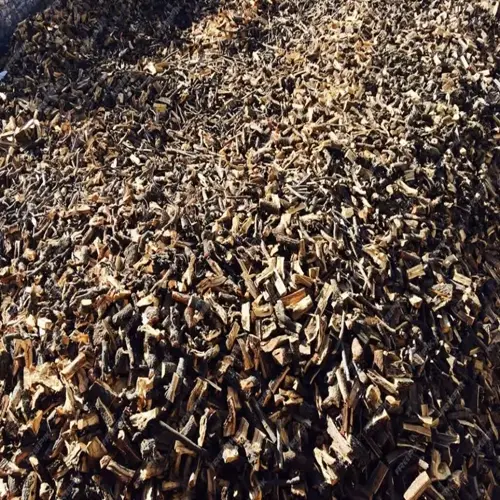
Compost your coffee grounds houseplant soil mix for 2-4 weeks before using it on your plants. Spread the used grounds in a thin layer on a tray and let them dry first. Then add them to a compost bin or just let them sit in a container with some brown leaves. The composting process breaks down the acids and makes the nitrogen easier for roots to use.
When you add grounds to your pots, keep the amount below 10% of the total soil volume. Mix them in with perlite or coarse sand to prevent the grounds from clumping together and blocking drainage. I combine a tablespoon of composted grounds with two tablespoons of perlite before working the mix into the top layer of soil. This method keeps the soil loose and airy.
Your pothos also does great with other forms of natural pothos plant food beyond coffee grounds. Diluted fish emulsion and worm castings both give strong results. A balanced liquid fertilizer at half strength works well too. Coffee grounds work as a nice extra boost a few times a year, but they shouldn't replace a proper feeding schedule. Think of them as a snack between meals rather than the main course for your plant.
Read the full article: Propagating Pothos in 3 Easy Steps