
Yellow leaves houseplant owners see most often come from too much water. This common houseplant yellowing causes more plant deaths than any other mistake. But other factors can make your plant leaves turning yellow too. You need to check a few things to find the real cause.
I spent months puzzled by yellow leaves on my peace lily. I kept adding water thinking it was thirsty. The yellowing got worse week after week. Finally I checked the roots and found mushy brown rot from too much water. Once I let it dry out and repotted it, new healthy green leaves came back within weeks.
Research shows that your roots need oxygen to work right. Wet soil blocks air from reaching them. Damaged roots can't move water or nutrients to your leaves. Without nutrients your leaves lose their green color and turn yellow. This process called chlorosis happens when chlorophyll breaks down in your leaves.
The location of yellow leaves tells you a lot about what's wrong. Yellow leaves at the bottom of your plant usually mean water problems. Yellow leaves at the top or tips often point to light or nutrient issues. Spotty yellow patches can mean pests or disease on your plant.
Check Your Soil Moisture
- If soil is wet: Too much water is your likely cause. Stop watering and let soil dry out before you water again.
- If soil is bone dry: Too little water may be the problem. Give your plant a thorough soak and watch for recovery.
- What to do: Push your finger 2 inches into soil before each watering to check moisture levels.
Look at Your Roots
- Healthy roots: White or tan color, firm texture, earthy smell means your roots are working well.
- Rotten roots: Brown or black color, mushy texture, sour smell means root rot from too much watering.
- What to do: Gently tip your plant out of its pot to inspect the root ball if leaves keep yellowing.
Check Light and Nutrients
- Too little light: Leaves yellow evenly and your plant looks pale. Move to a brighter spot and watch for change.
- Nutrient shortage: Yellow between green veins suggests iron or nitrogen deficiency. Try a balanced fertilizer.
- What to do: Rule out water problems first, then consider light and feeding as other possible causes.
I now diagnose yellow leaves step by step instead of guessing. First I check the soil moisture. Then I look at where the yellowing appears on my plant. If soil is wet and lower leaves are yellow, I know it's too much water. This method helps me fix problems fast before my whole plant suffers.
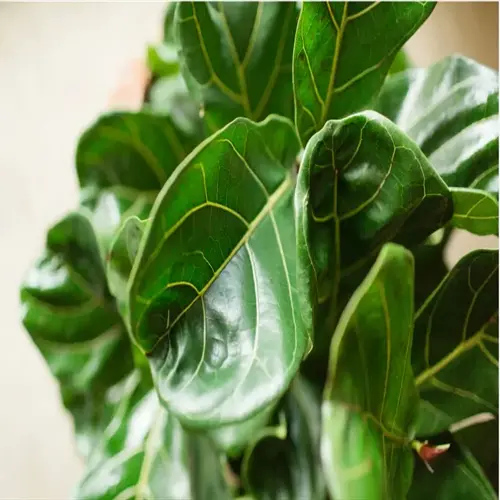
I also learned this lesson with my fiddle leaf fig last spring. It dropped four yellow leaves in one week. I thought it needed more light so I moved it to a sunny window. But the real problem was a cracked saucer that let water pool around the roots. Once I fixed the drainage the yellowing stopped.
Some yellowing is normal and nothing to worry about. Old leaves at the bottom of your plant turn yellow and drop as new leaves grow on top. This happens to every healthy plant. But rapid yellowing of many leaves at once signals a real problem you need to address right away.
To diagnose yellow leaves start with water and work through other causes. Fix watering mistakes first and your plant will likely recover. If the problem continues after you adjust water, then check light levels. Consider feeding your plant if it hasn't had nutrients in months.
Your plants will tell you what they need if you learn to read their signals. Yellow leaves mean something is wrong underground or in their environment. Take time to investigate instead of just adding more water. The right diagnosis leads to the right fix and healthy green leaves again.
Read the full article: How to Water Indoor Plants the Right Way