
Introduction
Watering indoor plants the wrong way kills more houseplants than bugs, disease, and neglect combined. The University of Connecticut backs this up with their research. Bad watering habits cause more plant deaths than any other factor. The good news is that proper watering comes down to a few simple skills you can learn.
I've kept houseplants alive for over 15 years now, and I still check soil moisture before every single watering. That habit saved me from killing dozens of plants after I moved to a drier climate. My old watering routine just stopped working in the new place. Your plants will tell you what they need once you learn how to read their signals.
This guide covers the science behind houseplant care and the practical techniques that work in real homes. You'll learn to spot the signs of thirsty plants, choose the right watering method, and avoid common mistakes. Every tip here comes from research and years of hands on experience.
Good indoor plant health starts with knowing that each plant drinks at its own pace. Below you'll find everything you need to keep your plants thriving through every season.
Signs Your Plant Needs Water
Your plant gives you clear signals when it needs water. The trick is learning to spot these underwatering signs before real damage sets in. Most people wait for wilting leaves, but that's often too late. A simple soil moisture test tells you what's going on below the surface.
The finger test plants method works best for most houseplants. Stick your finger about 2 inches deep into the soil. This is what the experts at Maryland Extension suggest. Dry soil at that depth means your plant needs water. Moist soil means you should check again in a day or two.
Plant owners often mix up dry and wet plant problems. Both can cause wilting at first. The key difference shows up in the leaves. Underwatered plants get crispy brown edges and feel papery. Overwatered plants turn yellow and mushy instead.
I always check soil moisture before watering any of my plants. This one habit has saved me from losing count of how many plants over the years. When you're not sure if your plant needs water, just do the finger test. It takes 5 seconds and removes all the guesswork.
Best Watering Techniques
The right watering technique makes all the difference in how your plants grow. I've tried every method over the years. Some plants do better with top watering while others thrive with bottom watering. The key is matching your method to your specific plants.
Thorough watering beats light sprinkling every time. Pour water until it flows from the drainage holes at the bottom of your pot. Experts at UConn say this should take about a minute. Empty any saucers within an hour so roots don't sit in standing water. This is the core of proper watering.
Standard Top Watering
- Method: Pour room temperature water slowly and evenly across the soil surface until water flows freely from drainage holes at the bottom of the pot.
- Best For: Most tropical houseplants including pothos, philodendrons, and peace lilies that tolerate wet foliage without developing fungal problems.
- Key Timing: Wait until water stops dripping from drainage holes before returning plant to its decorative cover pot or saucer.
Bottom Watering Technique
- Method: Place the potted plant in a container of room temperature water and allow the soil to absorb moisture through the drainage holes via capillary action.
- Best For: Plants with hairy or fuzzy leaves like African violets and Rex begonias that develop fungal problems when leaves get wet.
- Key Timing: Allow the plant to soak for approximately 30 minutes or until the top inch of soil feels moist to the touch.
Deep Soak Method
- Method: Submerge the entire pot in a bucket or sink filled with room temperature water until air bubbles stop rising from the soil surface.
- Best For: Severely dried out plants where the soil has pulled away from the pot edges and water runs straight through without absorbing.
- Key Timing: Keep submerged for 15 to 30 minutes, then allow to drain completely before returning to its normal location.
Slow Drip Watering
- Method: Water very slowly in small amounts allowing each portion to absorb before adding more, making multiple passes around the entire soil surface.
- Best For: Large containers where thorough watering requires patience and hydrophobic soil that repels water initially.
- Key Timing: Continue adding water in stages until water consistently flows from drainage holes, which may take several minutes for large pots.
Bottom watering pulls water up from below. Water moves through the soil just like a paper towel soaks up a spill. This brings moisture to every part of the root zone. I use this method for my African violets since their fuzzy leaves hate getting wet.
Common Watering Mistakes
Watering mistakes cause more plant problems than anything else you can do wrong. The University of Minnesota calls this the shift from TLC to TMC. Tender loving care turns into too much care. Most new plant owners think more water means more love, but plants don't work that way.
Overwatering plants creates the perfect home for root rot fungi. Iowa State Extension lists Pythium and Phytophthora as the main culprits. These fungi thrive in wet soil with poor drainage. Once root rot sets in, your plant can die within weeks. Catching these mistakes early gives you the best chance to fix overwatered plant problems.
Watering on a Fixed Schedule
- The Mistake: Watering every Sunday regardless of actual soil moisture levels ignores how environmental factors affect plant water needs daily.
- Why It Fails: Light levels, humidity, temperature, and pot size all influence how quickly soil dries, making fixed schedules unreliable for plant health.
- The Fix: Check soil moisture by inserting your finger two inches deep before every watering and only water when soil feels dry at that depth.
Shallow Frequent Watering
- The Mistake: Adding small amounts of water daily encourages weak root growth near the soil surface where roots are at risk of drying out.
- Why It Fails: Roots grow toward moisture, so light watering trains roots to stay near the surface rather than growing deep and strong.
- The Fix: Water well until water drains from the bottom holes, then wait until soil dries before the next good watering.
Ignoring Drainage Problems
- The Mistake: Using decorative pots without drainage holes or leaving plants sitting in water creates waterlogged conditions in the root zone.
- Why It Fails: Standing water deprives roots of oxygen and creates ideal conditions for root rot fungi including Pythium and Phytophthora to thrive.
- The Fix: Always use pots with drainage holes and empty saucers within one hour after watering to prevent roots from sitting in water.
Using Ice Cold Water
- The Mistake: Watering tropical houseplants with cold tap water shocks their root systems which evolved in warm tropical environments.
- Why It Fails: Cold water can damage sensitive tropical root cells and slow nutrient uptake, causing stress symptoms that mimic other plant problems.
- The Fix: Fill your watering can and let water sit for several hours to reach room temperature before watering any tropical houseplants.
Neglecting Seasonal Changes
- The Mistake: Continuing the same watering pattern year round ignores how plant water needs change between active growth and dormancy periods.
- Why It Fails: Plants use much less water during winter dormancy, so maintaining summer watering schedules leads to overwatering and root rot.
- The Fix: Reduce watering in fall and winter, checking soil more often as reduced light and cooler temperatures slow water uptake.
I killed my first 3 houseplants before I learned these lessons. Each one died from too much water, not too little. Now I always check the soil before reaching for my watering can. That simple habit changed everything for my indoor garden.
Water Quality Matters
Water quality affects your plants more than you might think. What comes out of your tap water plants can either help or hurt them. Chlorine plants often show damage over time with brown leaf tips and edges. The fix is simple once you know what's in your water.
Softened water poses a major risk to houseplants. Penn State research shows that water softeners swap calcium and magnesium for sodium. This sodium builds up in your soil and harms roots over time. Professor J. Robert Nuss warns that plants can show toxicity after just a few months of softened water use.
Fluoride houseplants like spider plants and dracaenas suffer at very low levels. The PNW Handbooks note damage at just 0.1 ppm while most city water contains around 1 ppm. Letting water sit for 24 hours helps chlorine evaporate, though fluoride takes longer to break down. Rainwater plants thrive on because it contains no added chemicals at all.
I switched to rainwater for my fluoride houseplants after noticing brown tips on my spider plant. The damage stopped within weeks. Now I keep a clean bucket outside to collect rain whenever I can.
Watering by Plant Category
Your plants each need their own watering schedule. A fern and a cactus have very different water needs. Plant-specific watering takes the guesswork out of caring for your collection. Oklahoma State notes that small pots dry out in 2 to 3 days while large containers may only need water every 7 to 14 days.
I group my plants by water needs to make watering days easier. All my watering tropical plants sit together on one shelf. My watering succulents and watering cacti share another spot across the room. This setup helps me track which plants want more and which want less.
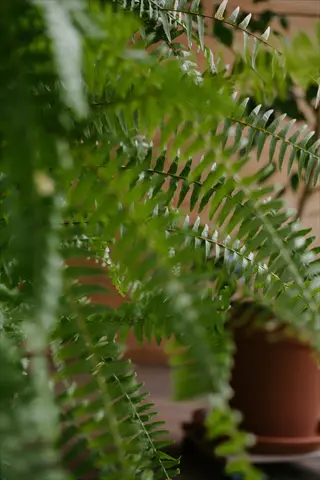
Tropical Moisture Lovers
- Water Needs: These jungle natives prefer soil that stays moist and struggle when allowed to dry out between watering sessions.
- Testing Method: Check soil moisture every two to three days by inserting your finger one inch deep; water when the top inch feels dry to the touch.
- Common Examples: Peace lilies, ferns, calatheas, and marantas thrive with consistent moisture and high humidity levels around their foliage.
- Humidity Factor: Most homes maintain only ten to thirty percent humidity while these plants evolved in seventy to ninety percent humidity environments.
- Warning Signs: Crispy brown leaf edges and curling leaves indicate not enough moisture or humidity even when soil moisture seems adequate.
- Pro Tip: Group these plants together to create a humidity bubble and consider using pebble trays filled with water beneath their pots.
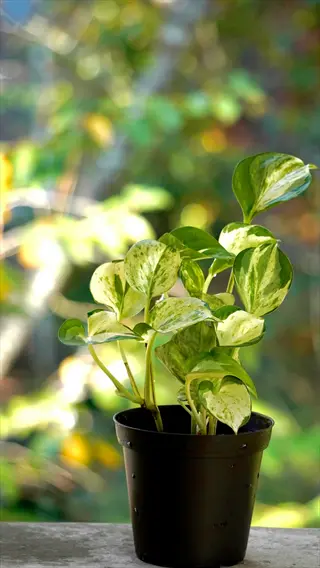
Moderate Water Plants
- Water Needs: These adaptable houseplants prefer to dry a bit between waterings but should not remain dry for extended periods.
- Testing Method: Allow the top one to two inches of soil to dry between waterings, which works out to every five to seven days depending on conditions.
- Common Examples: Pothos, philodendrons, spider plants, and dracaenas tolerate some ups and downs while maintaining healthy growth patterns.
- Seasonal Adjustment: Reduce watering in winter months when these plants enter a rest period and growth slows down a lot.
- Warning Signs: Yellowing lower leaves often indicate overwatering while drooping leaves that bounce back after watering suggest underwatering.
- Pro Tip: These forgiving plants make great choices for beginners learning to read plant watering cues and develop watering instincts.
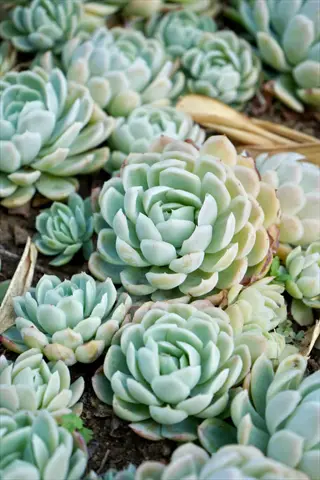
Drought Tolerant Succulents
- Water Needs: Succulents store water in their thick leaves and stems, requiring soil to dry out all the way between good watering sessions.
- Testing Method: Wait until soil is bone dry through the entire pot depth, which works out to every ten to fourteen days in most home conditions.
- Common Examples: Echeveria, jade plants, haworthia, and aloe vera evolved in arid climates and rot fast when overwatered.
- Container Choice: Terracotta pots help extra moisture evaporate faster than plastic or glazed ceramic containers for these drought-adapted plants.
- Warning Signs: See-through mushy leaves indicate overwatering and possible root rot while wrinkled leaves signal the plant needs water.
- Pro Tip: Water succulents all the way through until water drains from holes, then wait for complete drying rather than giving frequent small amounts.
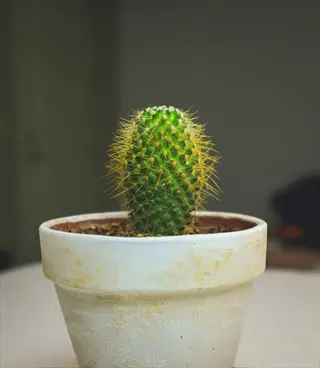
Desert Cacti
- Water Needs: Cacti require the least frequent watering of common houseplants, needing soil to stay dry for a long time between waterings.
- Testing Method: Allow soil to remain bone dry for several days to one week before watering, which works out to every two to four weeks.
- Common Examples: Barrel cacti, prickly pear, and columnar cacti survive long droughts in nature and need similar conditions indoors.
- Winter Dormancy: Many cacti require even less water during winter rest, sometimes going four to six weeks between watering sessions.
- Warning Signs: Soft mushy spots indicate rot from overwatering while shriveling or wrinkling shows the plant needs water soon.
- Pro Tip: When in doubt, wait another week before watering cacti because they recover from underwatering far more easily than overwatering.
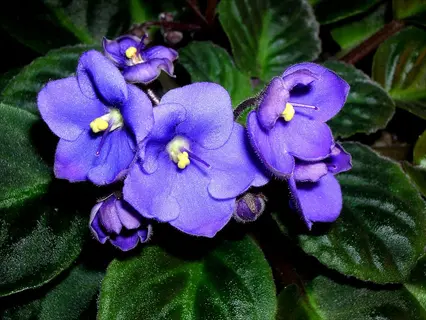
Flowering Houseplants
- Water Needs: Flowering plants need more frequent watering than foliage plants of equal size to support bloom production.
- Testing Method: Check soil moisture every two to three days during active blooming periods and water when the top half inch feels dry.
- Common Examples: African violets, orchids, begonias, and cyclamen need consistent moisture levels to maintain flowers without developing root problems.
- Special Technique: African violets and similar fuzzy-leaved plants benefit from bottom watering to avoid water spots and fungal issues on leaves.
- Warning Signs: Bud drop and failure to bloom often indicate uneven watering while mushy stems signal too much water.
- Pro Tip: Use room temperature water and maintain consistent moisture rather than going back and forth between dry and soggy soil conditions.
My fern watering routine is very different from my snake plant watering approach. The fern gets water twice a week in summer. The snake plant goes 2 to 3 weeks between drinks. Matching your watering to each plant type keeps everyone happy.
Seasonal Watering Adjustments
Your plants don't need the same amount of water all year long. Seasonal watering changes make a big difference in how well your houseplants grow. Research shows you should reduce watering by about 25% during winter months. This matches the natural slowdown in plant growth.
I adjust my watering schedule four times each year to match the seasons. Summer brings the most watering frequency since plants grow fast and air dries out soil quick. Winter watering drops way down because plants enter plant dormancy and use much less water. Penn State notes that indoor humidity falls below 30% during heating season. But your plants still need less water overall.
Pay attention to your calendar and your plants at the same time. A plant that needs water every 5 days in July might only need water every 10 to 14 days in January. Watch for cues like slower growth and soil that stays wet longer than usual.
5 Common Myths
Watering houseplants on a fixed weekly schedule keeps them healthy and prevents both over and underwatering problems from developing.
Plants should be watered based on soil moisture checks rather than schedules because environmental factors like light, humidity, and temperature constantly change water needs.
Adding rocks or gravel to the bottom of plant pots improves drainage and prevents root rot in containers without drainage holes.
Rocks create a perched water table that actually keeps soil wetter longer. Drainage holes in pots remain essential for healthy root growth and disease prevention.
Misting your tropical houseplants daily provides enough humidity to replicate their native rainforest environment and keep them thriving.
Misting evaporates within minutes and provides negligible humidity. Grouping plants together or using a humidifier offers far more effective and lasting humidity.
Ice cubes placed on plant soil provide slow-release watering that prevents overwatering and is gentler on sensitive houseplant roots.
Cold water from ice cubes can shock tropical plant roots adapted to warm temperatures. Room temperature water applied until drainage is the healthier watering method.
Wilting leaves always mean your houseplant desperately needs water and should be watered immediately to save the plant from dying.
Wilting can indicate either underwatering or overwatering since both damage roots. Check soil moisture first because watering an already overwatered plant accelerates root rot.
Conclusion
Mastering watering indoor plants comes down to one habit. Check your soil before you water. This simple finger test prevents the top cause of houseplant death. University research backs this up. Once you start doing it, you'll wonder why you ever watered on a fixed schedule.
Plant watering is a skill that gets better with practice. I struggled with my first plants but now I can tell at a glance when they need water. Your houseplant care will improve as you learn to read each plant's signals. Every plant teaches you something new about what healthy plants need.
A BMC Psychology study found that watering plants lowers blood pressure and boosts happiness. Taking care of your indoor garden does more than grow greenery. It helps you too. Start with the finger test this week and watch your plants respond.
You now have all the tools to keep your houseplants thriving for years to come. Go check on your plants today and see what they're telling you.
External Sources
Frequently Asked Questions
What are early warning signs of an underwatered plant?
Early signs include slightly drooping leaves, soil pulling away from pot edges, and leaves feeling papery. Catching these early prevents permanent damage.
Should I let tap water sit before watering plants?
Yes, letting tap water sit for 24 hours allows chlorine and some fluoride to evaporate, making it safer for sensitive houseplants like spider plants and dracaenas.
How often should I spray water on my indoor plants?
Misting provides only temporary humidity lasting minutes. For tropical plants, group them together or use a humidifier rather than relying on misting alone.
Does it matter what time of day I water my indoor plants?
Morning watering is ideal because it gives plants time to absorb moisture before cooler evening temperatures arrive and reduces fungal disease risk.
How long can indoor plants go without water?
Most houseplants survive seven to fourteen days without water, while succulents and cacti can last three to four weeks depending on environmental conditions.
Should I water plants from top or bottom?
Top watering flushes out salt buildup while bottom watering encourages deeper root growth. Plants with hairy leaves like African violets prefer bottom watering.
What are the rules of water in plants?
Water thoroughly until drainage, check soil before watering, and ensure proper drainage are the key rules.
- Water thoroughly until it drains from the bottom
- Always check soil moisture before adding more water
- Ensure pots have drainage holes to prevent root rot
- Use room temperature water to avoid shocking roots
Can you overwater plants by watering daily?
Yes, daily watering usually leads to overwatering for most houseplants. Most indoor plants need water only when the top inch or two of soil feels dry.
What happens when you give plants too much water?
Overwatering deprives roots of oxygen, leading to root rot caused by fungi like Pythium and Phytophthora. Leaves turn yellow and the plant eventually dies.
Why are my houseplant leaves turning yellow?
Yellow leaves typically indicate overwatering, which causes root damage and nutrient uptake problems. Check soil moisture and drainage before watering again.