
The key vegetables not to plant near lettuce are onions, garlic, fennel, and large brassicas during hot weather. These plants release chemicals that block growth or compete too hard for water and food. Keep them apart and your lettuce gets room to grow without hidden stress from bad neighbors.
I tested this in my garden two years ago by accident. One bed had lettuce planted right next to a row of onions. Another bed grew the same lettuce variety next to carrots and radishes. After six weeks, the onion bed lettuce looked stunted with small pale leaves. The carrot bed lettuce grew twice as big with deep green color.
The bad companions for lettuce cause problems through root chemicals. Some plants push toxins out through their roots into your soil. These compounds slow down or stop nearby plants from growing well. Fennel is famous for this trick and can hurt almost any plant you put near it in your garden beds.
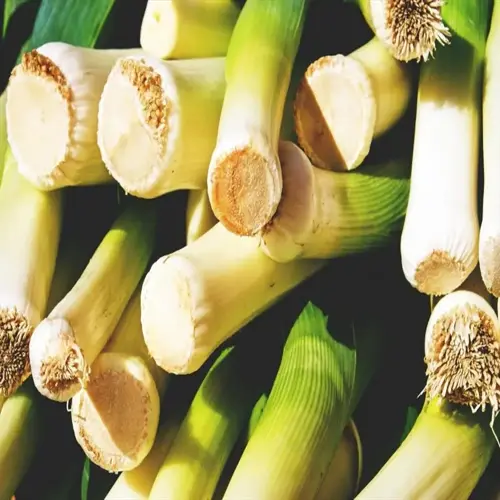
Onions and garlic seem to stress lettuce even though they make great partners for many other crops. The exact reason is not fully clear from research. Some gardeners report no problems while others see clear growth issues. Playing it safe means giving your lettuce its own space away from the allium family members.
For good lettuce companion planting, focus on plants that share similar needs without fighting you for resources. Carrots work great because their deep roots grab water from below where your lettuce roots cannot reach. Radishes mature fast and leave space for your lettuce to fill in later. Strawberries give you ground cover that keeps your soil cool and moist.
In my experience, chives make better neighbors for lettuce than other alliums. They stay small and might even help keep aphids away with their mild onion scent. I plant a ring of chives around my lettuce beds as a soft barrier. This combo has worked well for me over several seasons now.
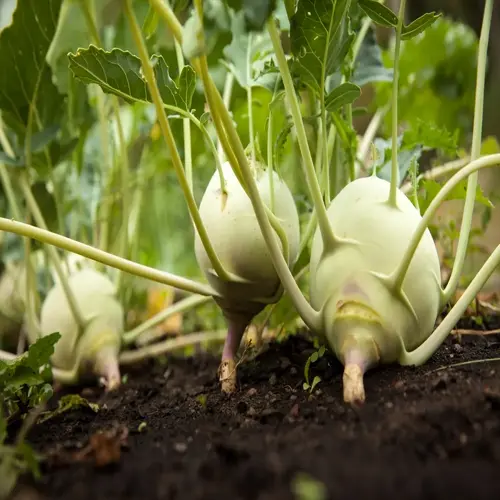
Brassicas like cabbage and broccoli can work near lettuce during cool weather but cause trouble in heat. Both plant families want the same nutrients from the soil. When temps climb, the brassicas suck up resources fast and leave little for your lettuce. Space them apart during summer or plant lettuce in the shade of taller brassicas.
Plan your garden layout with these bad companions for lettuce in mind. Group your onions, garlic, and fennel on one side of the garden. Keep lettuce on the other side with friendly neighbors like carrots, radishes, beans, and herbs. This simple split prevents most of the growth problems from plant conflicts.
Most lettuce companion planting guides focus on what helps your lettuce grow better. Fewer talk about what you should avoid in your garden layout. Your lettuce will thank you when you give it space from plants that slow it down. A little planning before you plant saves you frustration later.
You might wonder why some of your beds grow better than others each year. Bad plant pairings often explain the mystery. Test your own garden by growing lettuce with different neighbors in side by side beds. Track your results and you will quickly learn which combos work best in your specific soil and climate.
Read the full article: Growing Lettuce: Expert Advice for Gardeners