
Introduction
Kohlrabi looks like a small alien pod sitting in your garden bed with leaves poking out in all directions. This how to grow kohlrabi: complete beginner's guide will show you this odd veggie is simple to grow at home. I grew my first batch ten years ago after a friend gave me seeds from her garden. The plants thrived with almost no help from me at all that first spring season.
This kohlrabi growing guide covers all the basics from seed to table in plain terms anyone can follow. The plants mature in just 45 to 60 days after you put them in the ground. That speed makes kohlrabi one of the fastest brassicas you can grow in a home garden. New growers see solid results before hot summer weather arrives and ruins tender crops.
Kohlrabi is part of the cabbage family along with broccoli, kale, and Brussels sprouts. But kohlrabi needs less care than those crops do in most backyard gardens. Think of it as training wheels for beginner vegetable gardening at home. You learn cool weather crop basics without all the stress and fuss of harder plants that need constant attention.
Most people skip over this veggie at the store or market without a second look at the bin. One cup of raw kohlrabi gives you 102% of your daily vitamin C needs though. The tips below cover planting dates, soil prep, pest control, and harvest timing. Kohlrabi for beginners works well once you learn these core steps and tricks that make all the difference in your harvest.
What Is Kohlrabi
What is kohlrabi? This odd ball shaped kohlrabi vegetable is part of the cabbage family of plants. It sits right next to broccoli and Brussels sprouts on the family tree. The name comes from German words kohl and rabi that mean cabbage and turnip.
Most folks think kohlrabi is a root veggie because of its round bulb shape. When I first grew it I thought the same thing. That bulb is not a root at all though. It grows above the soil line as a swollen stem with leaves that stick out all around it.
The kohlrabi taste is milder and sweeter than turnips. This veggie looks like a turnip but tastes much better in my experience. The kohlrabi flavor reminds me of broccoli stems mixed with fresh raw cabbage and a touch of sweetness.
Bite into a fresh kohlrabi and you feel that crisp apple texture right away. That crunch makes this veggie great for raw snacks and salads. I often slice mine thin and eat it plain with just salt on top as a quick garden treat.
Kohlrabi nutrition packs a real punch for such a small garden veggie. You get loads of vitamin C, fiber, and plant compounds in each bite. The leaves are safe to eat too. They work great in stir fry or cooked down like greens on the stove.
Planting Kohlrabi Step by Step
Planting kohlrabi works well both from seed and from transplants you buy at the store. I prefer to direct sow kohlrabi right in the garden bed because it grows fast and handles the move better than most brassicas. When to plant kohlrabi depends on whether you want a spring or fall crop from your garden.
Spring planting kohlrabi from seed starts about 1 to 2 weeks before your last frost date. Fall crops go in the ground around mid August to early September in most growing zones. In my experience starting kohlrabi transplants indoors works fine too if you begin 4 to 6 weeks before your move date.
Choose Your Planting Time
- Spring Planting: Start seeds indoors 4-6 weeks before last frost, or direct sow 1-2 weeks before last frost when soil temperature reaches 45°F (7°C).
- Fall Planting: Count back 8-10 weeks from your first expected fall frost date to determine when to plant seeds for an autumn harvest.
- Succession Planting: Sow new seeds every 2-3 weeks throughout the cool season for a continuous supply of fresh kohlrabi from your garden.
Prepare the Planting Site
- Soil Preparation: Work 2-4 inches (5-10 centimeters) of aged compost into the top 6 inches (15 centimeters) of soil to improve drainage and add nutrients.
- pH Level Check: Test soil and aim for a pH between 6.0-7.5, adding lime if too acidic or sulfur if too alkaline based on test results.
- Site Selection: Choose a spot receiving 6-8 hours of direct sunlight with good air circulation to prevent fungal diseases on leaves.
Plant Seeds at Proper Depth
- Seed Depth: Place seeds 1/4 to 1/2 inch (0.6-1.3 centimeters) deep in moist soil, pressing gently to ensure good contact between seed and earth.
- Initial Spacing: Space seeds 1 inch (2.5 centimeters) apart when you direct sow, planning to thin seedlings later once they get growing.
- Covering Seeds: Lightly cover with fine soil or seed starting mix and water gently with a fine spray to avoid moving seeds around.
Thin Seedlings for Proper Spacing
- When to Thin: Thin seedlings when they reach 2-3 inches (5-7.6 centimeters) tall and have developed their first set of true leaves.
- Final Spacing: Space plants 6 inches (15 centimeters) apart in rows set 12 inches (30 centimeters) apart for optimal bulb development.
- Thinning Method: Snip unwanted seedlings at soil level rather than pulling to avoid disturbing the roots of remaining plants.
Apply Mulch After Planting
- Mulch Benefits: Add 2-3 inches (5-7.6 centimeters) of organic mulch around plants to retain soil moisture and regulate temperature swings.
- Mulch Materials: Use straw, shredded leaves, or grass clippings as mulch, keeping it 1 inch (2.5 centimeters) away from plant stems.
- Moisture Retention: Mulching matters a lot since kohlrabi roots stay near the surface and dry out fast without that protective layer.
Kohlrabi spacing matters a lot for bulb size in the end. Crowded plants make tiny bulbs that are not worth the effort. Give each plant at least 6 inches of room on all sides so the stem can swell up into a nice round shape by harvest time.
Ideal Growing Conditions
Kohlrabi growing conditions make or break your harvest quality in the end. I learned this the hard way when my first batch came out woody and bitter. The plants grew too slow because I skipped some basic steps that would have kept them happy and healthy.
The key to sweet and crisp kohlrabi is fast growth without stress from heat or lack of water. Kohlrabi temperature needs to stay between 40 and 75°F for best results. Hot spells or dry soil will stop growth and ruin the texture of your bulbs.
Kohlrabi soil requirements include loose and rich ground with good drainage. The kohlrabi sun requirements call for 6 to 8 hours of direct light each day. Watering kohlrabi means giving it 1 to 2 inches of water per week so the soil stays damp but not soggy.
Fertilizing kohlrabi works best when you add a balanced 10-10-10 mix to the soil before planting time. This gives the plants all they need to grow fast and form nice round bulbs. Skip the extra feeding later unless your leaves turn pale yellow.
Best Kohlrabi Varieties
Picking the right kohlrabi varieties makes a huge difference in how well your crop turns out. I tested many of the best kohlrabi varieties over the years. Some grow faster while others make bigger bulbs without turning woody at all.
White kohlrabi types like Early White Vienna are the most common choice for home gardens. Purple Vienna and other purple kohlrabi add nice color to your beds. Both colors taste the same and grow under the same conditions with no extra fuss.
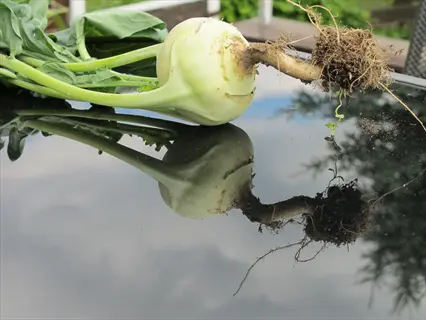
Early White Vienna
- Days to Maturity: This classic heirloom variety matures in 55-60 days, producing pale green bulbs with white flesh that has been a garden favorite for over a century.
- Ideal Size: Harvest at 2-3 inches (5-7.6 centimeters) diameter for the sweetest flavor, though it can grow larger without getting too fibrous if picked on time.
- Growing Characteristics: This variety adapts well and performs great in both spring and fall plantings across most climate zones and soil conditions.
- Flavor Profile: Offers a mild, sweet taste with crisp texture similar to broccoli stems or water chestnuts when eaten fresh from the garden.
- Beginner Suitability: Great for first time growers due to its solid track record, disease resistance, and forgiving nature with minor care mistakes.
- Best Uses: Excellent raw in salads and slaws, holds texture well when roasted, and the tender leaves work great in stir fries.
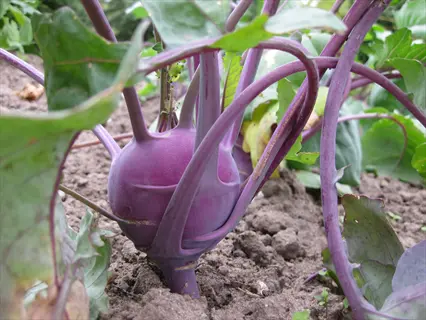
Purple Vienna
- Days to Maturity: Ready for harvest in 55-60 days, producing stunning purple skinned bulbs that add visual interest to garden beds and kitchen dishes.
- Ideal Size: Best harvested at 2-3 inches (5-7.6 centimeters) diameter when the purple skin is most vibrant and the white interior flesh is tender.
- Growing Characteristics: Grows the same as white varieties with identical care needs, though the purple color shows best in cooler temps below 70°F.
- Flavor Profile: Tastes identical to white varieties despite the dramatic color difference, with the same mild sweetness and satisfying crunch when fresh.
- Beginner Suitability: Perfect choice for gardeners who want ornamental appeal alongside food production without any extra difficulty or special needs.
- Best Uses: Stunning in fresh dishes where the purple skin can be displayed, peels to reveal white flesh for any recipe calling for kohlrabi.
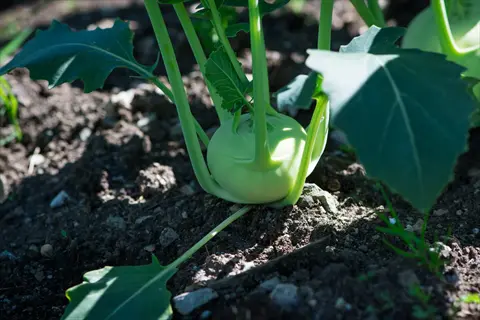
Quickstar
- Days to Maturity: The fastest maturing kohlrabi at just 38-40 days, perfect for gardeners who want quick results or have short growing seasons.
- Ideal Size: Harvest at 2-3 inches (5-7.6 centimeters) for best quality, though this variety keeps good texture even if you miss the optimal window.
- Growing Characteristics: Bred for rapid growth with uniform bulb development, making it very predictable and reliable for succession planting schedules.
- Flavor Profile: Delivers the same mild, sweet taste as traditional varieties despite the faster growth rate, with excellent crispness and juice content.
- Beginner Suitability: Outstanding for impatient beginners who want to see results fast, building confidence before trying longer season vegetables.
- Best Uses: Ideal for fresh eating where its tender texture shines, and excellent for multiple harvests throughout the growing season with succession planting.
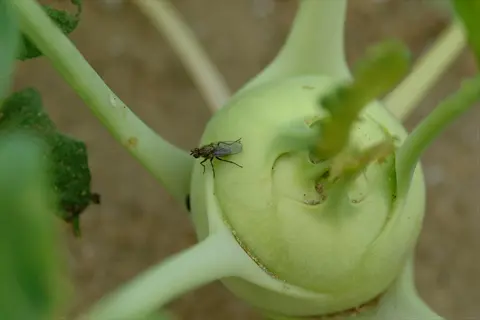
Grand Duke
- Days to Maturity: Award winning hybrid matures in 45-50 days, recognized with an All America Selections award for its outstanding performance and quality.
- Ideal Size: Can be harvested from 2-4 inches (5-10 centimeters) diameter while keeping excellent texture, offering flexibility in harvest timing for busy gardeners.
- Growing Characteristics: Very uniform growth produces consistent bulbs across the planting, with strong disease resistance that reduces pest management needs.
- Flavor Profile: Sweet and crisp with a slight peppery undertone, considered by many gardeners to have superior flavor compared to older varieties.
- Beginner Suitability: The extended harvest window and disease resistance make this variety very forgiving of beginner timing mistakes and missed garden checks.
- Best Uses: Versatile for both raw and cooked dishes, holds up well to roasting and grilling while keeping its sweetness and structure.
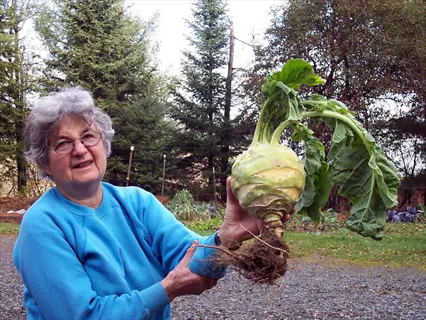
Kossak
- Days to Maturity: Longer season variety at 70-80 days, but produces large bulbs up to 8 inches (20 centimeters) diameter without becoming woody.
- Ideal Size: Unlike standard varieties, Kossak maintains tender texture even at larger sizes, allowing harvest from 3-8 inches (7.6-20 centimeters) diameter.
- Growing Characteristics: Requires more garden space than standard varieties but rewards patience with much higher yields per plant for families or preserving.
- Flavor Profile: Maintains the mild, sweet kohlrabi flavor even at large sizes due to breeding that prevents fiber development in the enlarged stem tissue.
- Beginner Suitability: Good choice for gardeners who may forget to harvest on time, as this variety is much more forgiving of delayed picking than others.
- Best Uses: Excellent for large batch cooking, fermenting into preserves, or storing in root cellars where its size is an advantage.
Kolibri is another great purple kohlrabi worth a look if you want that striking color. Grand Duke won awards for good reason and stays tender longer than most. Pick a variety based on how fast you want results and how big you want your bulbs to grow.
Pests and Diseases
Kohlrabi pests cause less trouble than the bugs that attack cabbage and broccoli in most gardens. I still check my plants each week to catch problems before they spread. The good news is that organic pest control kohlrabi methods work well for all the common issues you might face.
Kohlrabi diseases show up less often than pest problems in my experience. Cabbage worms kohlrabi growers deal with are the worst offenders in most areas. Kohlrabi aphids and flea beetles kohlrabi plants attract can also cause damage if you ignore them too long in the garden.
Cabbage Worms
- Identification: Look for velvety green caterpillars up to 1 inch (2.5 centimeters) long that blend with kohlrabi leaves and leave irregular holes.
- Damage Pattern: These pests chew large, ragged holes in leaves and may burrow into the developing bulb, leaving dark green droppings as evidence.
- Organic Control: Apply Bacillus thuringiensis (Bt) spray when caterpillars are small, as recommended by Iowa State Extension for safe, effective control.
- Prevention Strategy: Cover plants with floating row covers right after planting to prevent adult white butterflies from laying eggs on leaves.
Aphids
- Identification: Tiny soft bodied insects clustering on leaf undersides and new growth, appearing gray green to pale yellow and leaving sticky honeydew residue.
- Damage Pattern: Heavy infestations cause curled, yellowed leaves and stunted growth, while honeydew promotes black sooty mold that blocks sunlight.
- Organic Control: Spray plants with a strong jet of water to knock aphids off, or apply insecticidal soap solution to colonies on cool mornings.
- Prevention Strategy: Encourage beneficial insects like ladybugs and lacewings by planting small flowered herbs such as dill, fennel, and cilantro near your crop.
Flea Beetles
- Identification: Tiny black or bronze jumping beetles about 1/10 inch (2.5 millimeters) long that leap away when you get close, most active in warm weather.
- Damage Pattern: Creates distinct shothole damage with many small round holes in leaves, making foliage look like it was hit with tiny pellets.
- Organic Control: Apply diatomaceous earth around plants and on leaves when dry, reapplying after rain, or use kaolin clay spray as a physical barrier.
- Prevention Strategy: Use row covers during the critical early growth stage and keep your garden clean to reduce spots where these beetles can overwinter.
Clubroot Disease
- Identification: Infected plants wilt on hot days even when soil is moist, and roots develop swollen, club shaped galls when pulled from the ground.
- Damage Pattern: This soil borne fungal disease stunts plant growth, prevents proper bulb formation, and persists in soil for up to 20 years once it arrives.
- Organic Control: No cure exists for infected plants, so remove and destroy affected plants right away, never composting them to prevent spread.
- Prevention Strategy: Keep soil pH above 7.0 with lime, practice 4 year crop rotation, and start with certified disease free seeds or transplants.
Downy Mildew
- Identification: Yellow patches appear on upper leaf surfaces while fuzzy gray purple growth develops on leaf undersides, common in cool wet conditions.
- Damage Pattern: Infected leaves turn brown and die over time, reducing plant vigor and the energy needed for proper bulb development in kohlrabi.
- Organic Control: Remove infected leaves at once, improve air flow between plants, and apply copper based fungicides to prevent disease when conditions favor it.
- Prevention Strategy: Space plants for good airflow, water at soil level rather than wetting leaves, and avoid working in the garden when plants are wet.
Kohlrabi clubroot is the worst disease to deal with because it stays in your soil for years after infection. Prevention works better than any cure for this problem. Rotate your crops and test your soil pH each season to keep this disease away from your garden beds.
Harvesting Kohlrabi
Harvesting kohlrabi at the right time makes all the difference between sweet crisp bulbs and bitter woody ones. When to harvest kohlrabi trips up most beginners because they want to wait for bigger bulbs. I made this mistake my first year and ended up with tough, hard to chew results.
The best kohlrabi harvest size falls between 2 and 3 inches in diameter for most varieties you grow at home. Check your plants by measuring across the widest part of the swollen stem. Bulbs this size give you the best blend of tender texture and sweet mild flavor.
Kohlrabi too big to harvest turns tough and fibrous inside the bulb. The outer layer gets woody and the flavor turns bitter the longer you leave it in the ground. Most varieties hit their peak around 45 to 60 days after you put them in the soil.
You can also test for harvest time with a simple scratch test on the skin. Use your fingernail to scratch the outer layer of the bulb. If it feels firm but gives a bit under pressure the kohlrabi is ready. Rock hard bulbs that resist any pressure have gone past their prime.
Cut the bulb from the plant at soil level with a sharp knife when you harvest. Leave an inch of stem attached to the bulb if you plan to store it for later use. The leaves are safe to eat too so save them for salads or cooking rather than tossing them in the compost.
Storing kohlrabi works best in your fridge after you remove the leaves from the bulb. The leaves pull moisture from the bulb and make it go soft faster. Store the bulbs in a plastic bag with some holes in your crisper drawer for up to 2 or 3 weeks after harvest.
5 Common Myths
Kohlrabi is difficult to grow and requires expert gardening knowledge to produce edible bulbs successfully.
Kohlrabi is actually one of the easiest brassicas to grow, maturing in just 45-60 days with minimal care required beyond consistent watering and cool temperatures.
You must wait until kohlrabi bulbs grow large before harvesting them for the best flavor and texture.
Smaller kohlrabi harvested at 2-3 inches (5-7.6 centimeters) diameter are actually sweeter and more tender than larger bulbs, which often become woody and bitter.
Kohlrabi can only be grown during spring and is not suitable for fall or winter gardening seasons.
Kohlrabi thrives in both spring and fall, and in many regions the fall crop produces superior results because cooling temperatures enhance sweetness and flavor.
The leaves of kohlrabi plants are inedible and should be discarded when you harvest the bulbs.
Kohlrabi leaves are completely edible and highly nutritious, containing vitamins A, C, and K, and can be prepared like kale or collard greens.
Purple kohlrabi varieties have different flavor and growing requirements compared to white or green varieties.
Purple and white kohlrabi varieties taste virtually identical and have the same growing needs, with the color difference being purely cosmetic in the skin.
Conclusion
You now have everything you need to grow kohlrabi in your own backyard garden. This kohlrabi growing guide covered all the basics from planting to harvest. Keep your plants in cool temperatures with steady water and you will see great results in just 45 to 60 days.
Kohlrabi for beginners works so well because the plants forgive small mistakes along the way. The bulbs grow above ground where you can watch them swell up over time. This makes it easy to track progress and learn as you go without guessing at what happens under the soil.
Kohlrabi opens the door to cool season vegetables in your garden. Try cabbage and broccoli next once you master this easy crop. My first kohlrabi harvest gave me the confidence to expand my garden the next spring season with even more plants.
Each kohlrabi plant gives you two crops worth eating from your garden. The bulb is the main prize but the greens taste great too when cooked like collards. This beginner vegetable gardening project rewards you twice over for the effort you put in each season.
External Sources
Frequently Asked Questions
What is the typical timeline for growing kohlrabi?
Kohlrabi typically matures in 45-60 days from seed, depending on the variety. Fast-maturing varieties like Quickstar can be ready in as few as 40 days, while larger varieties may take up to 70 days.
Which plants should not be near kohlrabi?
Avoid planting kohlrabi near:
- Strawberries, which compete for nutrients and may stunt kohlrabi growth
- Pole beans and other climbing legumes that can shade kohlrabi plants
- Other brassicas like cabbage and broccoli, which attract the same pests
- Tomatoes, which have different water and nutrient needs
Can kohlrabi be suitable for beginners?
Kohlrabi is excellent for beginners because it matures quickly, tolerates light frosts, has fewer pest problems than other brassicas, and provides a forgiving learning experience with visible above-ground growth.
Will kohlrabi require full sunlight?
Kohlrabi grows best with 6-8 hours of full sunlight daily. It can tolerate partial shade, especially in warmer climates, but may produce smaller bulbs with less sun exposure.
Is it possible to eat kohlrabi greens?
Yes, kohlrabi greens are completely edible and nutritious. The leaves can be eaten raw in salads when young and tender, or cooked like collard greens, kale, or spinach when mature.
What keeps my kohlrabi from forming bulbs?
Kohlrabi may fail to form bulbs due to:
- Temperature stress from planting too late in spring or too early in fall
- Inconsistent watering that causes growth to stall
- Overcrowding that limits each plant's space to develop
- Poor soil nutrition lacking nitrogen for vegetative growth
Does kohlrabi grow as a perennial plant?
Kohlrabi is technically a biennial plant, meaning it completes its life cycle in two years. However, gardeners grow it as an annual, harvesting the bulb in the first year before it flowers and sets seed in the second year.
Is it okay to grow kohlrabi in containers?
Yes, kohlrabi grows well in containers. Use a pot at least 12 inches (30 centimeters) deep with drainage holes. A 5-gallon container can hold 4-6 kohlrabi plants with proper spacing.
What is the best way to store fresh kohlrabi?
Store fresh kohlrabi in the refrigerator for 2-3 weeks. Remove the leaves first, as they draw moisture from the bulb. Place bulbs in a perforated plastic bag in the crisper drawer at 32-40°F (0-4°C).
Which method works best for eating kohlrabi?
Kohlrabi can be enjoyed in many ways:
- Raw and sliced for a crunchy, apple-like snack
- Grated into coleslaw or salads for mild sweetness
- Roasted with olive oil until caramelized and tender
- Steamed or sauteed as a side dish
- Added to soups and stews for texture