
Introduction
How to Grow Lavender: Complete Expert Guide for Success gives you facts most articles skip over. The United States now has 1,317 lavender farms that sell these Mediterranean herbs to buyers. Bulgaria beat France as top global producer last year with huge fields of purple flowers. Home gardeners want in on this trend too. Lavender adds lasting color and lovely scent to any outdoor space in your yard.
I killed my first three lavender plants before I learned what they need from a gardener to thrive over the long run. Growing lavender works a lot like hosting a guest who craves sunshine and hates any kind of damp spaces around their roots. These fragrant plants fall into the group of sun loving perennial herbs. Once I fixed the drainage issue in my beds, my plants bloomed strong every single summer after that without any trouble at all.
Most guides online give vague tips without real data or hard numbers to back them up at all. This guide uses research from Utah State and other trusted extension sources. Lavender plants take about 3 full years to reach their adult size of 1 to 2 feet tall and wide in most garden beds. That timing helps you plan your space and set realistic goals for the seasons ahead of you right now.
You will learn the exact soil pH range and watering amounts that work in real gardens around the country and world. The right care keeps your lavender blooming strong for 10 to 20 years in your yard or patio containers each season. Below you will find info on varieties, soil prep, planting tips, pruning methods, and harvest times that work for most growers. Each section builds on the last to give you a clear path from start to finish with these lovely fragrant blooming plants in your yard.
Best Lavender Varieties to Grow
Picking the right lavender variety makes all the gap between success and failure in your garden. English lavender handles cold the best. You may also see it sold as Lavandula angustifolia in plant stores. Lavandin hybrids pump out 3,500 to 4,500 pounds of dried flowers per acre. English types max out at around 1,800 pounds per acre.
I tested Munstead, Hidcote, and Phenomenal side by side in my garden for three full growing seasons. Each variety has clear strengths that match certain goals better than others do. French lavender and Spanish lavender look stunning but they die fast in cold zones. For oil production my top pick is Grosso. The list below shows you which hybrid lavender types work best for your climate.
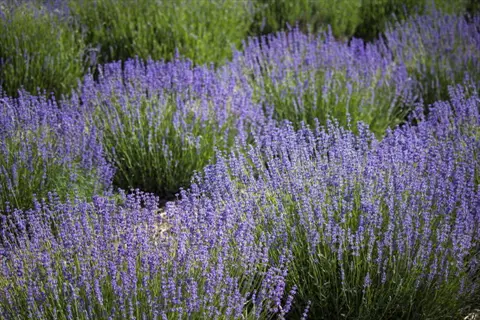
Munstead English Lavender
- Hardiness: Thrives in USDA Zones 5 through 9, making it a top pick for northern gardeners who want cold tolerant lavender.
- Size: Reaches 12 to 18 inches (30 to 45 centimeters) tall and wide, forming a compact mound perfect for borders.
- Blooms: Produces violet blue flowers from early to midsummer with excellent fragrance and high oil content for cooking.
- Best For: Ideal for cooking, potpourri, and sachets due to its sweet flavor without harsh camphor notes.
- Growth Rate: Reaches full size in about 2 to 3 years with proper care and annual pruning to maintain shape.
- Care Notes: Prefers lean soil and full sun; needs at least 6 hours of direct sunlight for best blooms.
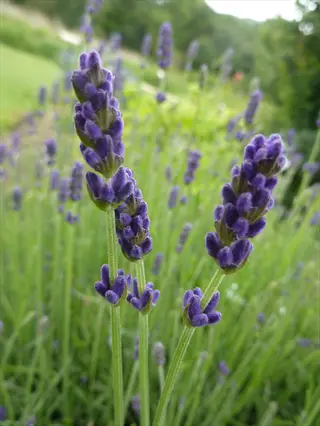
Hidcote English Lavender
- Hardiness: Survives winters in USDA Zones 5 through 9 when planted in soil that drains water fast.
- Size: Grows 12 to 18 inches (30 to 45 centimeters) tall with a compact habit that creates dense purple hedges.
- Blooms: Features deep purple flowers that appear darker than most English lavenders for striking contrast.
- Best For: Excellent for formal hedges, dried flower displays, and classic English garden borders.
- Growth Rate: Establishes fast in the first year and reaches mature size by year 3 with proper pruning.
- Care Notes: Requires excellent drainage and benefits from gravel mulch to prevent moisture during winter.
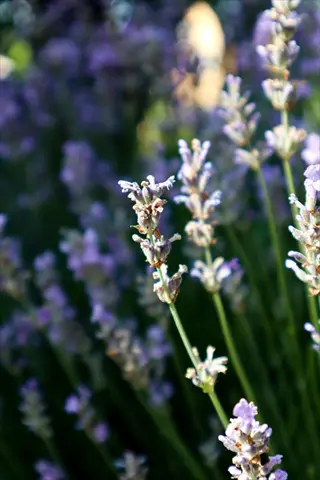
Phenomenal Lavandin Hybrid
- Hardiness: Hardy for a lavandin, surviving USDA Zones 5 through 9 and tolerating humidity much better than most.
- Size: Grows 24 to 32 inches (60 to 80 centimeters) tall and 24 to 36 inches (60 to 90 cm) wide.
- Blooms: Produces abundant silver blue flower spikes from midsummer through fall with great fragrance.
- Best For: Perfect for humid Southeast and cold Northeast regions where other lavenders often fail.
- Growth Rate: Vigorous grower that reaches full size in 2 years with heavy flower yields.
- Care Notes: More tolerant of poor drainage than English types but still needs soil that drains well.
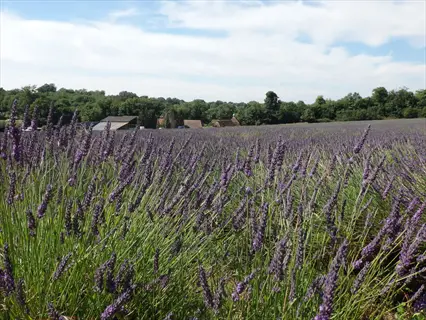
Grosso Lavandin
- Hardiness: Grows in USDA Zones 5 through 9 and produces the highest essential oil yields around.
- Size: Reaches 24 to 36 inches (60 to 90 centimeters) tall and wide with mounds of gray green foliage.
- Blooms: Long violet flower spikes appear in midsummer with intense fragrance and higher camphor notes.
- Best For: Commercial essential oil production, large landscape plantings, and dried flower crafts.
- Growth Rate: Fast growing variety that produces harvestable flowers by the second year.
- Care Notes: Requires full sun and lean soil; excess nitrogen produces leafy growth at the expense of flowers.
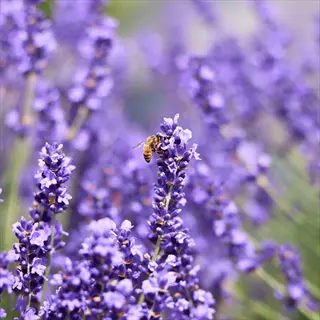
Provence French Lavender
- Hardiness: Survives in USDA Zones 5 through 8 with winter protection, best in Zones 6 through 8.
- Size: Grows 18 to 24 inches (45 to 60 centimeters) tall with graceful arching flower stems.
- Blooms: Produces fragrant light purple flowers on long stems perfect for cutting from early to late summer.
- Best For: Fresh and dried flower displays, sachets, and classic French cottage garden looks.
- Growth Rate: Moderate grower reaching full size in 3 years with abundant flowers by year 2.
- Care Notes: Benefits from afternoon shade in hot climates; needs excellent drainage and air flow.
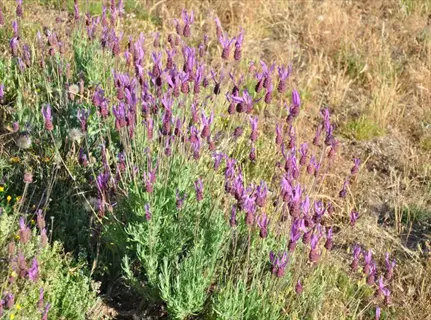
Spanish Lavender Butterfly
- Hardiness: Thrives in USDA Zones 7 through 9 but dies in cold winters; treat as annual in colder zones.
- Size: Reaches 18 to 24 inches (45 to 60 centimeters) tall with pineapple shaped flower heads.
- Blooms: Features unique purple flower spikes with showy bracts that look like butterfly wings.
- Best For: Container growing, Mediterranean gardens, and warm coastal regions with exotic looks.
- Growth Rate: Fast growing and begins blooming in the first year for quick annual color.
- Care Notes: Requires excellent drainage and handles heat better than English types.
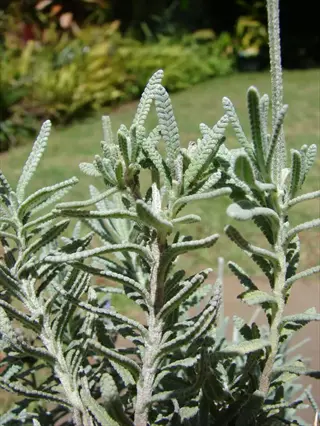
French Lavender Dentata
- Hardiness: Grows in USDA Zones 8 through 11 and cannot survive freezing temps in most regions.
- Size: Reaches 24 to 36 inches (60 to 90 centimeters) tall with serrated gray green leaves.
- Blooms: Produces light purple flower spikes with bracts from spring through fall in mild climates.
- Best For: Year round container growing, indoor herb gardens, and frost free warm climates.
- Growth Rate: Vigorous grower in warm conditions though lifespan averages only 5 years.
- Care Notes: Needs protection from temps below 20°F (minus 7°C); grows well indoors with bright windows.
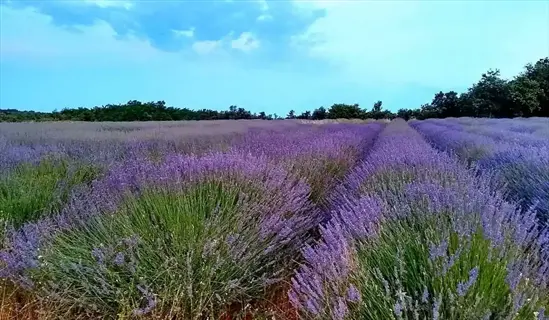
Royal Velvet English Lavender
- Hardiness: Survives USDA Zones 5 through 8 with excellent cold tolerance and reliable return each spring.
- Size: Grows 18 to 24 inches (45 to 60 centimeters) tall with a neat mounding habit.
- Blooms: Produces the deepest purple flowers of any English lavender with velvety texture.
- Best For: Creating dramatic color impact in borders, mass plantings, and formal gardens.
- Growth Rate: Moderate grower reaching full size in 3 years with flowers from year 2 onward.
- Care Notes: Benefits from afternoon shade in hot climates; requires lean soil and minimal fertilizer.
Studies show lavender essential oil contains around 300 chemical parts in total. Linalool and linalyl acetate make up more than 20% of the oil. English lavender gives you the best oil for scent and flavor. Lavandin types pump out more volume per plant each harvest.
Preparing Perfect Lavender Soil
Getting your lavender soil requirements right matters more than any other step in growing these plants. ATTRA research shows the best mix is one third sand, one third loam, and one third clay worked at least 18 to 24 inches deep. Most gardeners skip this step and their plants die within the first year because the roots sit in water.
I think of good soil preparation like building a French drain in your garden bed. When I started my first lavender garden I made the mistake of skipping this step and lost 12 plants in one wet spring. Water needs to flow away from the roots rather than pooling around them. Well-drained soil is not optional for these plants.
Your lavender soil pH should fall between 6.5 and 7.5 for the best growth according to Utah State. NC State allows a wider range from 6.4 to 8.3 if your soil leans more alkaline soil. Sandy soil works great with little or no changes needed before you plant. Raised beds lavender setups give you full control over the mix.
Your lavender success starts with good soil preparation. Test your soil with a cheap kit from the garden store before you start digging up beds. That small step tells you what changes you need to make. Spending an hour now saves you from replacing dead plants later on in your garden.
Step-by-Step Planting Guide
Knowing when to plant lavender makes a big gap in how well your plants survive their first year. I prefer spring planting in cold zones because it gives roots time to settle before winter arrives. Colorado State research shows that fall planting works better in mild climates where the ground stays warm into late October.
Your lavender spacing needs to be 18 to 24 inches between plants according to Utah State research. Roots grow that deep too so you need that room in all ways. I learned the hard way that planting depth matters when transplanting lavender. Too deep and the crown rots out. Not deep enough and roots dry out fast in hot sun.
Most guides skip the timeline for planting lavender so you have no clue what to expect after you put plants in the ground. The list below shows what happens in year one through year five so you can plan and track your progress. Each phase needs different care to help your lavender thrive over the long run.
Year One: Establishment Phase
- Root Development: Focus energy on developing a strong root system rather than expecting big top growth or flowers during the first season.
- Watering Needs: Give 1 gallon (3.8 liters) of water per plant each week until roots set in. That takes 8 to 12 weeks after you plant lavender.
- Expected Size: Plants reach about 50% of mature size by the end of year one with modest blooms on strong transplants.
- Pruning: Light deadheading of spent flowers only. Avoid heavy cuts that remove foliage needed for root growth.
Year Two: Rapid Growth Phase
- Top Growth: Expect big foliage gains and your first real flower harvest as roots now support strong growth above ground.
- Watering Needs: Cut back to half a gallon (1.9 liters) every two weeks as roots can now tap deeper soil moisture.
- Expected Size: Plants reach about 75% of full size with clear branching and a fuller look than year one.
- Pruning: Start your annual pruning routine after blooms fade. Cut plants back to half their size for bushy growth.
Year Three Plus: Mature Production
- Full Size: Plants hit full size of 1 to 2 feet (30 to 60 cm) tall and wide based on variety and growing zone.
- Flower Production: Expect peak blooms with chances for two harvests if you deadhead and grow reblooming types.
- Maintenance: Keep up annual pruning after blooms. Plants live 10 to 15 years with care and up to 20 to 30 years in ideal spots.
- Propagation: Take cuttings from mature plants to make new ones. This is the best time since you have plenty of healthy stems.
Year Five Plus: Long-Term Care
- Plant Health: Watch for center dieback or woody growth that means you need hard pruning in early spring.
- Yield Optimization: Peak output comes between years 2 and 5 though fields stay productive up to 30 years.
- Replacement Planning: Start growing new plants from cuttings around year 8 to keep your garden full as old plants fade.
- Soil Maintenance: Test soil pH every 2 to 3 years. Add lime if needed to keep the alkaline levels lavender loves.
Pruning for Long-Lived Plants
Pruning lavender the right way keeps your plants alive for 20 to 30 years instead of dying after just 5 or 6. I learned this the hard way when I killed a 10 year old plant by cutting too deep. Think of trimming lavender like maintaining a hedge. Cut green growth and plants stay dense. Cut into old woody lavender.
NC State Extension says to cut back one third to one half of stem length in mid April to get bushy base growth. The timing matters more than people think when you ask when to prune lavender for best results. Deadheading lavender after the first bloom gives you a second flush of flowers in summer.
University of Maryland warns you to stop all cuts after mid August in most zones. Late pruning makes tender growth that dies when winter frost hits. The table below shows you the full year of tasks so you never trim at the wrong time.
Research shows lavender crops stay productive for 8 to 15 years on average with the right plan. Skip a year and you end up with ugly and leggy lavender. Cutting back lavender on schedule keeps plants thick with heavy blooms every season.
Propagating New Plants
Propagating lavender from cuttings gives you exact clones of your best plants every single time. I started rooting lavender five years ago and now have over 50 plants from one parent. Lavender seeds work too but the results are like a genetic lottery where you never know what you will get.
Utah State research shows lavender cuttings develop roots in 30 to 40 days under normal conditions. Seeds take 100 to 200 days to reach transplant size which is a huge time gap. Growing lavender from cuttings also keeps the exact traits you want like flower color and cold hardiness.
NC State found that bottom heat of 75 to 80°F (24 to 27°C) cuts rooting time to just 14 days. My favorite method is softwood cuttings. They give you the highest success at 80 to 90% when conditions are right. The list below shows all four lavender propagation methods.
Softwood Cuttings in Spring
- Timing: Take 3 to 4 inch (7 to 10 cm) cuttings from new green growth in late spring when stems flex but are not blooming.
- Prep: Remove lower leaves, dip cut end in rooting hormone, and stick into sterile mix of equal parts perlite and peat moss.
- Setup: Give bright indirect light and keep soil moist but not wet. Cover with plastic to hold humidity in place.
- Success Rate: Highest of all cutting methods at 80 to 90% when you keep conditions right through the rooting process.
- Root Time: Roots grow in 30 to 40 days or just 14 days with bottom heat of 75 to 80°F (24 to 27°C).
Semi-Ripe Cuttings in Summer
- Timing: Take cuttings in mid to late summer when this year's growth has begun to firm but is not yet woody at the base.
- Prep: Pick stems with no flowers, strip lower leaves, wound the base lightly, and apply rooting hormone before you plant.
- Setup: Put in a sheltered spot with morning sun and afternoon shade to stop wilting during the rooting period.
- Success Rate: Moderate at 60 to 70% but more forgiving than softwood cuttings if your timing is a bit off.
- Root Time: Roots grow in 40 to 60 days with regular misting to keep cutting material from drying out.
Hardwood Cuttings in Fall
- Timing: Take 4 to 6 inch (10 to 15 cm) cuttings from mature woody stems in late fall after plants go dormant for the year.
- Prep: Cut just below a leaf node, remove lower leaves, and apply rooting hormone to the wounded base before you plant.
- Setup: Put in a cold frame or unheated greenhouse where cuttings root slow over winter without top growth.
- Success Rate: Lower at 40 to 50% but needs minimal care once cuttings are set up in their rooting mix.
- Root Time: Roots grow over 3 to 4 months through winter with plants ready for spring transplant when new growth shows.
Seed Starting Indoors
- Timing: Start lavender seeds indoors 10 to 12 weeks before last frost. Seeds need cold treatment for 3 to 4 weeks first.
- Germination: Seeds sprout in 14 to 21 days at 70°F (21°C) with steady moisture and light on the soil surface.
- Transplant Time: Plants reach transplant size in 100 to 200 days from sowing. Much slower than any cutting method.
- Genetic Variation: Seed grown plants vary a lot in height, flower color, and hardiness. Not good for uniform plantings.
- Best Use: Try seeds if you want to test new genetics or need lots of cheap plants for wild looking areas.
Harvesting and Using Lavender
Harvesting lavender at the right time locks in the scent and flavor you worked so hard to grow. Colorado State says to cut when 50% of flower buds have opened for best results. Morning hours work best because that is when lavender essential oil levels peak in the stems.
I sell dried buds at my local farmers market for $8 per pound which covers my garden costs with profit left over. Fresh lavender flowers contain 0.7 to 1.4% volatile oil according to NC State research. One ton of fresh blooms yields about 10 kilograms of pure oil if you have the gear to distill it.
Your lavender harvest timing depends on what you plan to do with blooms you cut. Culinary lavender needs early picking for the best flavor. Drying lavender for sachets can wait until buds open more. The table covers all the main lavender uses.
Cooking with lavender opens up a whole world of recipes from cookies to savory meats. Start with small amounts because the flavor can take over a dish fast if you add too much. Dry your buds for two weeks before you strip them from stems for kitchen use.
5 Common Myths
Lavender needs rich, fertile soil with plenty of organic matter and compost to produce abundant blooms and healthy growth.
Lavender actually performs better in lean, poor soil because over-fertilized plants produce more foliage but fewer flowers according to Utah State University Extension research.
You should water lavender frequently like other garden plants to keep the soil consistently moist during the growing season.
Lavender is drought-tolerant and overwatering causes root rot, the leading cause of plant death; mature plants need only half a gallon (1.9 liters) every two weeks.
All lavender varieties are equally cold-hardy and will survive winters in any climate zone without special protection.
English lavender survives to Zone 5, but French and Spanish lavender are tender and die in cold winters; lavandin hybrids offer moderate cold tolerance with protection.
Growing lavender from seed is just as effective as growing from cuttings and produces identical plants with the same characteristics.
Seeds produce highly variable plants and take 100 to 200 days to reach transplant size, while cuttings root in 30 to 40 days and create exact clones of the parent plant.
Pruning lavender into old woody stems helps rejuvenate the plant and encourages fresh new growth from the base.
Cutting into old wood usually kills lavender because it is a sub-shrub that cannot regenerate from bare stems; always leave green growth when pruning.
Conclusion
Two factors matter most when you grow lavender in your garden beds at home. I killed dozens of plants before I learned what works. Give your lavender plants full sun for 6 to 8 hours each day. Make sure water drains fast through the soil because root rot kills more lavender than any pest.
Your lavender care starts with picking the right type for your climate zone. In my experience, English lavender handles cold winters down to Zone 5 and works for most growers. Lavandin hybrids push through tough conditions where other types fail fast. I keep tender varieties like French and Spanish lavender in containers I can move inside when frost hits.
Your lavender garden will reward you with 10 to 20 years of fragrant blooms when you follow this guide. Each summer brings flowers for cutting, cooking, and crafts from these amazing plants. Over 1,300 farms in the United States now grow these perennial herbs for profit. Mediterranean herbs like lavender bring huge value because they are drought tolerant plants.
The time you spend fixing your soil pays off for decades of beauty in your garden. I started with just two plants and now have over 40 bushes that need almost no care. Your lavender will thrive with less water and less fuss than most plants in your yard. Start this spring and watch your collection grow as you gain skills with these amazing herbs.
External Sources
Frequently Asked Questions
Can lavender be easy to grow?
Lavender is easy to grow once you provide the right conditions: full sun, well-drained alkaline soil, and minimal watering after establishment.
What matters most for growing healthy lavender?
The key to healthy lavender is excellent drainage combined with full sun exposure and avoiding overwatering, which causes fatal root rot.
Can lavender plants come back every year?
Yes, lavender is a perennial that returns each year and can live 10 to 20 years with proper pruning and care.
Which plants should stay away from lavender?
Avoid planting moisture-loving plants near lavender, including:
- Hostas and ferns that need damp soil
- Impatiens and begonias that require regular watering
- Mint and other spreading herbs that compete aggressively
What is the ideal time to plant lavender?
Spring is the best time in most regions, though fall planting shows superior survival rates in mild climates like Colorado.
What is the best way to keep lavender blooming all season?
Deadhead spent flowers promptly and provide full sun with lean soil to encourage continuous blooming throughout the growing season.
Which pests does lavender repel naturally?
Lavender naturally repels several common garden pests:
- Mosquitoes and flies due to linalool content
- Moths and fleas from aromatic compounds
- Deer and rabbits that dislike the strong scent
What causes lavender to turn gray or die?
Gray or dying lavender usually indicates root rot from overwatering, poor drainage, or fungal diseases like Phytophthora and Verticillium wilt.
Could lavender grow well in containers?
Yes, lavender thrives in containers with excellent drainage, making pots an ideal solution for areas with heavy clay soil.
How frequently should I water lavender plants?
Water established lavender only half a gallon (1.9 liters) every two weeks; newly planted lavender needs 1 gallon (3.8 liters) weekly until roots establish.