
Introduction
You can grow fresh kiwi right in your own backyard without a tropical climate or fancy tools. This How to Grow Kiwi: Expert Guide for Home Gardeners shows that this tasty fruit is not just for stores anymore. Hardy types now thrive in zones 3 through 9 across North America. That range covers most areas from Maine to California and beyond into the Pacific Northwest region where I garden.
I started with kiwi plant care about 8 years ago after reading one key fact that got me hooked on this fruit right away. Mature Hayward vines produce 70 to 100 pounds of fruit each year from a single plant in good conditions. That output seemed too good to pass up for my home garden kiwi setup at the time when I was planning my space. The vines work much like grapes with sturdy supports and similar pruning methods to learn over time with practice and patience in your yard.
The 2024 USDA release of Tango and Hombre changed what cold climate growers can achieve with their gardens. These new plants survived minus 5.8 degrees Fahrenheit over 20 years of tests at research stations around the country. They needed zero extra care or frost cover during that entire time period. Gardeners in the Mid-Atlantic and Northeast now have real choices for their yards that produce actual fruit each season. More people than ever can now grow kiwi where it once seemed too cold to try this crop.
Growing kiwi fruit takes patience since vines need 3 to 5 years before your first harvest shows up. But that wait pays off with fresh fruit for 40 years or more from one plant you start today. This guide covers every step you need to succeed with your own kiwi vines at home.
8 Best Kiwi Varieties
Your choice of kiwi varieties matters more than any other decision in this process. Fuzzy kiwi like Hayward kiwi works great in warm zones 7 through 9. These plants stay safe down to 0 to 10 degrees Fahrenheit in winter. Hardy kiwi like Actinidia arguta handles temps to minus 25 degrees in zones 4 through 9.
Arctic kiwi survives minus 40 degrees Fahrenheit in zone 3 gardens where other types fail. Each type gives you different fruit sizes too. Fuzzy kiwi from Actinidia deliciosa makes large fruits you peel. Hardy types like Issai kiwi grow small berries you eat whole with the skin.
I tested 6 different kiwi varieties in my zone 6 garden over the past several years. Some died in their first winter while others produced fruit by year 4. The self-fertile kiwi options work best if you have limited space for just one or two plants in your yard.
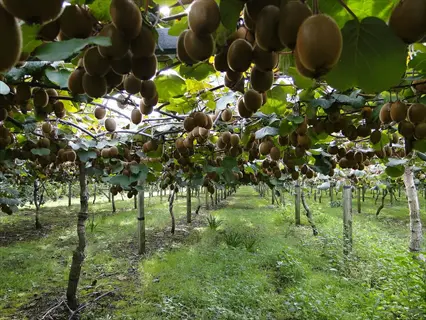
Hayward (Actinidia deliciosa)
- Climate: Thrives in USDA zones 7-9 with cold tolerance down to 0-10 degrees Fahrenheit (minus 18 to minus 12 degrees Celsius) when dormant, requiring 225-240 frost-free days annually.
- Yield: Mature vines produce 70-100 pounds (32-45 kilograms) of large fuzzy fruit annually, making this the most productive variety for suitable climates.
- Pollination: Requires a male pollinator such as Tomuri planted within 35 feet (10.5 meters) for successful fruit set each growing season.
- Fruit: Produces the classic brown fuzzy kiwi found in grocery stores, weighing 2-4 ounces (57-113 grams) each with bright green flesh.
- Growth: Vigorous vines reach 20-30 feet (6-9 meters) requiring substantial T-bar or pergola support structures built with sturdy 4x4 posts.
- Timeline: First commercial crop typically arrives in year 3 with stable full production by years 5-6 after planting in permanent location.
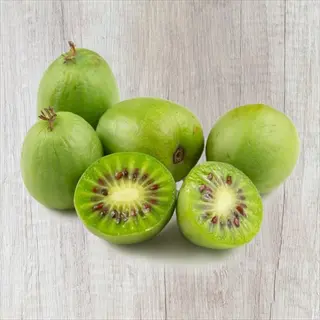
Issai (Actinidia arguta)
- Climate: Hardy to minus 25 degrees Fahrenheit (minus 32 degrees Celsius) in USDA zones 4-9, this variety requires approximately 150 frost-free days for fruit development.
- Yield: Produces 20-40 pounds (9-18 kilograms) of smooth-skinned kiwiberries per plant, lower than other hardy varieties but ideal for beginners.
- Pollination: Self-fertile variety that does not require a separate male plant, though adding a male can increase fruit size and overall yields.
- Fruit: Small grape-sized smooth green berries weighing 5-15 grams each can be eaten whole without peeling like traditional fuzzy kiwi.
- Growth: Less vigorous than other varieties reaching only 15-20 feet (4.5-6 meters), making this variety suitable for smaller garden spaces.
- Timeline: May produce small amounts of fruit in year 2-3, reaching moderate production by year 4-5 after establishing root system.
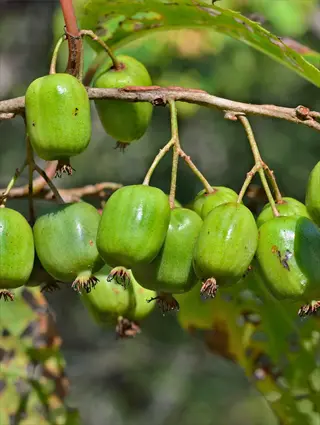
Ananasnaya (Actinidia arguta)
- Climate: Survives temperatures to minus 25 degrees Fahrenheit (minus 32 degrees Celsius) in zones 4-8, performing best where summers are not excessively hot or humid.
- Yield: Heavy producer delivering 40+ pounds (18+ kilograms) of fruit per mature plant annually, among the most productive hardy kiwi varieties.
- Pollination: Requires a male hardy kiwi planted nearby such as Meader or 74-46, with one male supporting up to six female vines.
- Fruit: Known as Anna or Pineapple kiwi for its sweet tropical pineapple-like flavor, producing 1-inch (2.5 centimeter) smooth green fruits.
- Growth: Vigorous vines extend 30-40 feet (9-12 meters) and require sturdy arbor or T-bar trellis systems with heavy-gauge wire support.
- Timeline: Begins producing fruit around year 4-5 with peak production reached by years 7-8 continuing for decades thereafter.
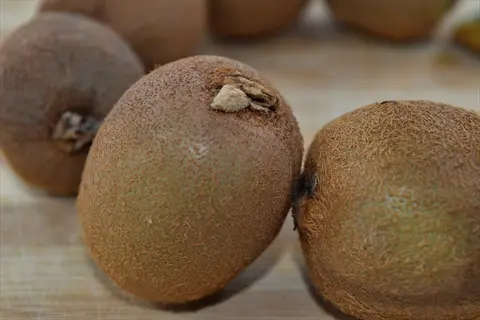
Jenny (Actinidia deliciosa)
- Climate: Suitable for USDA zones 7-9 with cold hardiness similar to Hayward, tolerating temperatures down to 10 degrees Fahrenheit (minus 12 degrees Celsius).
- Yield: Produces 50-70 pounds (23-32 kilograms) of fuzzy fruit per vine at maturity, slightly less than Hayward but with self-fertile convenience.
- Pollination: Self-fertile variety that produces fruit without a separate male pollinator, though yields increase substantially with male plant nearby.
- Fruit: Medium-sized fuzzy brown kiwis weighing 1.5-3 ounces (43-85 grams) with sweet green flesh and flavor comparable to commercial varieties.
- Growth: Moderately vigorous vines reach 15-25 feet (4.5-7.5 meters) making this variety more manageable for smaller garden trellis systems.
- Timeline: First fruits appear around year 3-4 with full production achieved by year 6-7 after establishing strong root development.
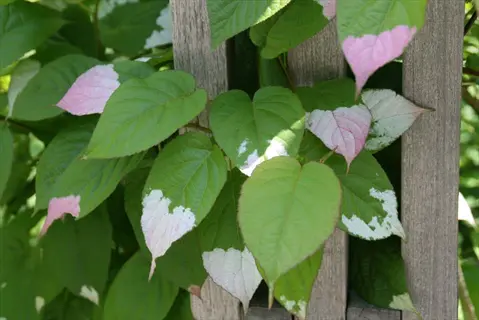
Arctic Beauty (Actinidia kolomikta)
- Climate: Extremely cold hardy surviving minus 35 to minus 40 degrees Fahrenheit (minus 37 to minus 40 degrees Celsius), suitable for zones 3-7 including harsh northern climates.
- Yield: Produces up to 15 pounds (6.8 kilograms) per plant, lower than other species but valuable for gardens where other kiwis cannot survive.
- Pollination: Requires male Arctic Beauty planted nearby for fruit production, with one male adequately pollinating 4-6 female vines.
- Fruit: Smallest kiwiberries at 2-8 grams each with intense sweet flavor and smooth skin, ripening earlier than other kiwi species.
- Growth: Compact vines reach only 15-20 feet (4.5-6 meters) with spectacular pink and white variegated leaves on male plants.
- Timeline: Matures faster than other species often producing fruit within 3-4 years of planting in appropriate cold climate conditions.
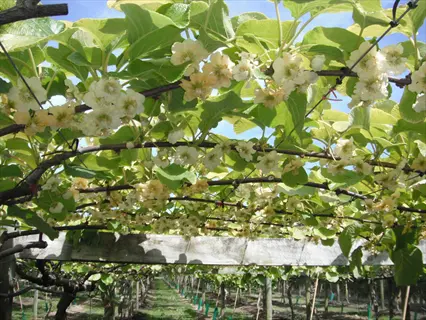
Tango (USDA Release)
- Climate: New 2024 USDA release proven cold hardy to minus 5.8 degrees Fahrenheit (minus 21 degrees Celsius) over 20-year testing period in Mid-Atlantic region.
- Yield: Produces yields comparable to commercial Hayward variety, with fruit size and quality suitable for both fresh eating and storage.
- Pollination: Female variety requiring the male Hombre variety planted nearby for pollination, both released simultaneously by USDA.
- Fruit: Fuzzy-skinned fruit similar in size and appearance to traditional grocery store kiwi with excellent flavor and nutritional content.
- Growth: Remarkably low-maintenance requiring no supplemental irrigation, fertilizer, or pesticides in USDA testing over two decades.
- Timeline: Expected production timeline similar to other fuzzy types with first fruit around year 3 and full production by year 5-6.
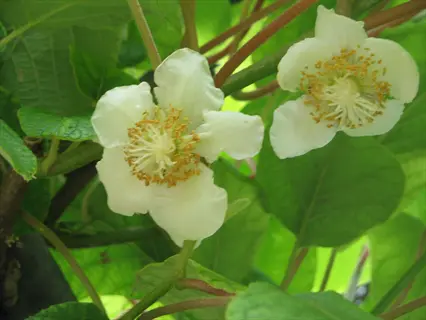
Meader (Actinidia arguta)
- Climate: Hardy to minus 30 degrees Fahrenheit (minus 34 degrees Celsius) in zones 4-8, developed at University of New Hampshire specifically for northeastern growing conditions.
- Yield: Male variety that produces no fruit itself but provides essential pollen for female hardy kiwi varieties within 35 feet (10.5 meters).
- Pollination: One Meader male vine produces sufficient pollen for 6-8 female hardy kiwi plants, blooming reliably alongside female varieties.
- Fruit: As a male pollinator variety, Meader produces flowers but no fruit, making it essential for non-self-fertile female varieties.
- Growth: Vigorous growth reaching 25-35 feet (7.5-10.5 meters) requiring the same sturdy support structure as female productive vines.
- Timeline: Begins flowering within 2-3 years of planting, synchronizing bloom time with popular female hardy kiwi varieties.
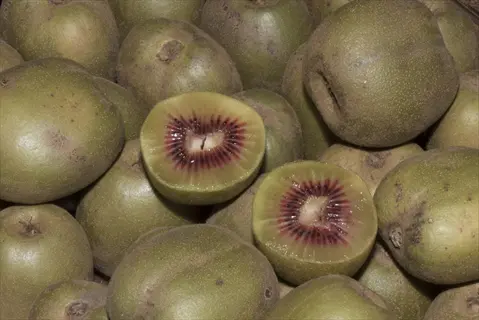
Ken's Red (Actinidia arguta)
- Climate: Cold hardy to minus 25 degrees Fahrenheit (minus 32 degrees Celsius) in zones 4-8, performing best in regions with cool summers and adequate moisture.
- Yield: Produces 30-50 pounds (14-23 kilograms) of fruit per mature vine annually with consistent production once established.
- Pollination: Requires male hardy kiwi pollinator nearby such as Meader, with one male supporting up to six female vines of this variety.
- Fruit: Unique red-skinned kiwiberries with red-tinged flesh and sweet flavor, averaging 0.5-1 inch (1.3-2.5 centimeters) diameter.
- Growth: Moderately vigorous vines reaching 20-30 feet (6-9 meters) with attractive foliage and ornamental appeal beyond fruit production.
- Timeline: First fruits typically appear in year 4-5 with peak production reached by years 7-8 after planting in permanent location.
Planting and Site Requirements
Planting kiwi starts with picking the right spot in your yard. I lost my first two vines because I planted them in heavy clay that held water after rain. You need well-drained soil kiwi roots can spread through without sitting in wet ground. The ideal kiwi soil requirements include a pH between 5.5 and 6.5 for most types.
Your kiwi trellis needs to hold hundreds of pounds of vine and fruit once plants mature. I build my kiwi support structure with 4x4 posts set 3 feet deep in concrete. Run 12 gauge wire across the top at 6 feet high with a T-bar crossarm about 6 feet wide. Space the wires about 40 to 50 centimeters apart on the crossarm for training your vines in rows.
Proper kiwi spacing gives each vine room to grow and produce fruit at full output. Leave 15 feet between plants along your trellis row for vigorous types that reach 20 to 40 feet. Wind above 10 to 15 miles per hour can snap young shoots so pick a spot with shelter. South facing slopes work best in cold areas to avoid late frost damage in spring.
Pollination Requirements
Kiwi pollination confuses many new growers because most kiwi plants come in male and female forms. Most types produce male female kiwi plants that need each other for fruit to set. I learned this the hard way when my first female vine sat for 4 years with no fruit until I added a male nearby.
The right kiwi pollination ratio puts one male plant for every 4 to 8 females in your garden setup. Plant your male within 35 feet of females so bees can move pollen between them with ease. Self-fertile kiwi varieties like Issai skip this need but they produce less fruit than paired plants.
Hand pollination kiwi plants works great when bee activity runs low during bloom time in spring. Collect pollen from open male flowers in the morning when the yellow dust sits loose on stamens. Use a soft brush to dab this pollen onto the sticky center of female flowers within 3 to 5 days of opening.
Standard Dioecious Planting
- Ratio: Plant one male kiwi vine for every 4-8 female vines depending on variety and garden layout to ensure adequate pollen distribution.
- Spacing: Position male vine within 35 feet (10.5 meters) of female vines, ideally upwind to help natural pollen drift during bloom.
- Timing: Male and female flowers must bloom simultaneously, so select male varieties known to synchronize with your chosen female cultivar.
- Bloom Period: Kiwi flowers remain receptive for only 7-10 days in late spring, making pollinator timing and weather conditions critical.
Self-Fertile Varieties
- Options: Issai hardy kiwi and Jenny fuzzy kiwi produce fruit without separate male plants, though both are less vigorous than standard varieties.
- Yield Impact: Self-fertile varieties produce 30-50% lower yields compared to dioecious varieties with proper pollination.
- Enhancement: Adding a male plant near self-fertile varieties increases fruit size, improves seed development, and boosts overall production.
- Recommendation: Consider self-fertile varieties for small spaces where only one or two plants fit, accepting reduced yield trade-off.
Hand Pollination Technique
- Collection: Gather pollen from fully open male flowers in early morning when pollen is dry, using a soft brush or cotton swab.
- Storage: Fresh pollen remains viable for 24-48 hours at room temperature or up to one week refrigerated in sealed container.
- Application: Gently brush pollen onto the sticky stigmas of open female flowers, which have a central cluster of white pistils.
- Timing: Pollinate female flowers within 3-5 days of opening for best fruit set, checking daily during bloom period.
Pollinator Insect Support
- Bee Species: Honeybees and bumblebees both visit kiwi flowers, though bumblebees are more effective in cooler spring temperatures.
- Attraction: Plant pollinator-friendly flowers nearby that bloom before and after kiwi to maintain bee populations throughout season.
- Weather: Cold, rainy, or windy weather during bloom reduces bee activity significantly, making hand pollination backup valuable.
- Hive Placement: Commercial growers place 2-4 bee hives per acre during bloom, but home gardeners rely on wild and garden bee populations.
Pruning and Training Techniques
Pruning kiwi scares most new growers but it follows a simple pattern once you learn the basics. In my garden I remove up to 70% of the wood from my vines each year. They still produce heavy crops of fruit. The key is knowing which wood to cut and which to keep for kiwi fruiting wood next season.
Training kiwi vines starts with building a permanent trunk that goes straight up to your top wire. From there you grow two permanent arms along the wire in each direction using kiwi cordon pruning methods. These arms stay for life while you replace the fruiting shoots that grow from them each year.
Kiwi winter pruning happens in late winter before sap flows in late January through March in my zone. Kiwi summer pruning keeps vines tidy and directs energy to fruit from June through August. Skip these tasks and your vines turn into a tangled mess that makes less fruit each year.
Winter Dormant Pruning
- Timing: Prune in late winter before sap begins flowing, typically January through early March depending on your climate zone.
- Main Cuts: Remove all fruited canes back to 2-3 buds from the permanent arm, as these canes will not fruit productively again.
- Selection: Choose 2-3 strong new canes per arm to replace removed fruited wood, tying them horizontally along support wires.
- Removal: Cut out dead, damaged, crossing, or weak growth entirely to maintain good air circulation through the canopy.
Summer Maintenance Pruning
- Timing: Perform summer pruning 2-3 times between June and August as vigorous new growth extends beyond fruiting zone.
- Technique: Cut back non-fruiting shoots to 5-7 leaves beyond the last fruit cluster to redirect energy into fruit development.
- Male Vines: Prune male vines immediately after flowering ends, removing most current growth to control vigor and size.
- Thinning: Remove excessive shoot growth in canopy center to allow sunlight penetration and air circulation around developing fruit.
First Year Training
- Focus: Train a single strong shoot vertically up the support post to become the permanent trunk during first growing season.
- Method: Remove all side shoots and competing vertical growth, tying the main leader loosely to the post every 12 inches (30 centimeters).
- Height: Allow the trunk to grow 6 inches (15 centimeters) above your top wire before pinching the tip to encourage branching.
- Protection: Use tree guards around young trunks to prevent rodent damage and sunscald during establishment years.
Establishing Permanent Arms
- Selection: In year 2, choose two strong shoots at wire height to train horizontally in opposite directions as permanent arms.
- Training: Tie developing arms along the top wire at 8-12 inch (20-30 centimeter) intervals as they extend outward.
- Length: Allow each arm to extend 6-8 feet (1.8-2.4 meters) along the wire before stopping growth by pinching tips.
- Fruiting Canes: In subsequent years, allow shoots to grow from these permanent arms and tie them to lower wires for fruiting.
Watering and Fertilization
Watering kiwi vines takes more attention than most fruit plants in your garden. In my experience young vines need water several times each week during their first growing season. Mature vines need about 1 to 2 inches of water per week from rain or your hose during summer months.
Fertilizing kiwi follows a simple kiwi feeding schedule that grows with your plants each year. Kiwi nitrogen requirements run high because these vines push so much leaf growth in summer. I split my annual dose into early spring and early summer for the best uptake.
Kiwi mulching with 3 to 4 inches of wood chips helps hold soil moisture and feeds the soil over time. Keep mulch pulled back from the trunk base to prevent rot at the crown. The USDA Tango variety needed no extra water or fertilizer in tests. Most home varieties still need regular care from you.
Troubleshooting Kiwi Problems
Kiwi plant problems show up in ways that can confuse new growers trying to figure out what went wrong. I get more questions about kiwi diseases and kiwi pests than any other topic from people in my garden club. The good news is most issues have clear causes and fixes once you know what to look for in your vines.
Kiwi frost damage ranks as the top killer of home kiwi plants based on what I see each spring in my zone. Buds die when temps drop to 30 degrees Fahrenheit or below in late spring after growth starts. Kiwi yellowing leaves often point to soil problems like poor drainage or pH issues in your garden bed.
Kiwi root rot from Phytophthora fungus can kill a mature vine in just one season if your soil holds water. Check your plants often and act fast when you spot trouble before damage spreads to the whole vine. The guide below covers the most common issues and how to fix them in your garden.
No Fruit Production
- Pollination Issue: Most common cause is missing or non-synchronized male plant; verify you have both sexes and they bloom together.
- Plant Immaturity: Kiwi vines require 3-9 years to produce fruit depending on variety; patience is essential for new plantings.
- Frost Damage: Late spring frost kills flower buds at 30 degrees Fahrenheit (minus 1 degree Celsius); protect vines with row cover during cold snaps.
- Over-Pruning: Removing too much one-year-old wood eliminates fruiting potential; flowers form on current growth from year-old canes.
Yellowing Leaves
- Iron Chlorosis: Yellow leaves with green veins indicate iron deficiency, common in alkaline soils above pH 7.0; apply chelated iron.
- Nitrogen Deficiency: Overall pale yellow-green color with stunted growth suggests insufficient nitrogen; increase fertilizer application.
- Overwatering: Yellowing with wilting despite moist soil indicates root oxygen deprivation; improve drainage and reduce watering frequency.
- Natural Senescence: Some yellowing of older interior leaves in fall is normal; concern only if affecting young growth or occurring in summer.
Root and Crown Rot
- Phytophthora: Most serious disease causes wilting, yellowing, and sudden vine collapse; prevent with well-drained soil and avoiding overwatering.
- Prevention: Plant in raised beds or mounded rows in heavy clay soils to ensure water drains away from crown and roots.
- Treatment: No cure exists once Phytophthora infects; remove affected plants and do not replant kiwi in that location for several years.
- Indicators: Crown tissue turns brown and mushy at soil line; roots appear water-soaked and dark rather than white and firm.
Pest and Animal Damage
- Cat Attraction: Kiwi vines contain compounds similar to catnip; cats may damage young plants by rubbing; use wire cages around trunks.
- Japanese Beetles: Adult beetles skeletonize leaves in summer; hand-pick morning when sluggish or apply neem oil to foliage.
- Rodent Damage: Mice and voles girdle bark at soil line in winter; use hardware cloth guards around trunk base extending below soil.
- Deer Browse: Deer eat young shoots and leaves; fence young plantings or use deer repellent spray during establishment years.
5 Common Myths
Kiwi can only be grown in tropical or subtropical climates like New Zealand and California.
Hardy kiwi varieties can survive temperatures as low as minus 40 degrees Fahrenheit (minus 40 degrees Celsius) and thrive in USDA zones 3-9 across much of North America.
You need a large orchard or commercial setup to successfully grow kiwi fruit at home.
Home gardeners can successfully grow kiwi with just two plants (one male, one female) on a sturdy trellis or arbor taking up approximately 15 feet (4.5 meters) of space per vine.
Kiwi plants will produce fruit within the first year or two after planting.
Kiwi vines typically require 3-5 years to produce their first fruit and may take 5-9 years to reach full production capacity, though they remain productive for over 40 years.
All kiwi plants need both a male and female plant nearby to produce fruit.
While most kiwi varieties are dioecious and require separate male and female plants, self-fertile varieties like Issai and Jenny can produce fruit on their own though yields are typically lower.
Kiwi fruit must ripen completely on the vine before harvesting or it will not taste good.
Kiwi can be harvested when firm and ripened off the vine at room temperature or refrigerated for up to two months and ripened later without compromising flavor or nutrition.
Conclusion
You now have everything you need to grow kiwi in your own yard with confidence. The biggest choices come down to picking the right variety for your climate zone and planning for pollination needs. Cold climate growers can try hardy types while those in zones 7 to 9 can grow the classic fuzzy fruit at home.
Home garden kiwi rewards your effort with 50 to 100 pounds of fruit per vine once plants hit full production age. In my experience I get more fruit from two kiwi vines than from all my other fruit plants combined. Kiwi plant care gets easier each year once you learn the pruning pattern for your setup.
The new USDA Tango and Hombre releases open kiwi vine growing to more gardeners than ever before. Growing kiwifruit no longer requires a warm climate or complex care routines to succeed. Start with a self-fertile Issai if you want quick results from one plant in a small space.
Your kiwi vines can produce fruit for 40 years or more with proper care and attention through the seasons. That long lifespan makes the first few years of setup worth every hour you spend on your plants. Plant your first vine this spring and you could be eating fresh kiwi from your garden within a few years.
External Sources
Frequently Asked Questions
Which method works best for starting learning how to grow kiwi?
Begin by selecting the right variety for your climate zone and understanding pollination requirements before purchasing plants.
Is it okay to grow kiwi in containers?
Yes, kiwi can be grown in containers with proper pot sizing, support structures, and overwintering protection in cold climates.
Will kiwi plants require special pollinators?
Most kiwi varieties are dioecious and require both male and female plants, though some self-fertile varieties exist.
Which common mistakes ruin kiwi harvests?
Common mistakes include improper pollination ratios, insufficient pruning, frost damage to new shoots, and inadequate support structures.
What is the best way to protect kiwi plants in winter?
Protect kiwi plants by selecting cold-hardy varieties for your zone, mulching roots, and wrapping young vines in severe cold.
Do kiwi varieties for hot climates exist?
Fuzzy kiwi varieties like Hayward thrive in warmer zones 7-9 with adequate water, while hardy types prefer cooler conditions.
Which companion plants benefit kiwi vines?
Nitrogen-fixing plants, shallow-rooted flowers for pollinators, and groundcovers that retain moisture benefit kiwi vines.
How frequently should I fertilize kiwi?
Fertilize kiwi plants in early spring with balanced fertilizer, increasing amounts annually as vines mature and production increases.
Is it okay to propagate kiwi from grocery store fruit?
While possible, seeds from grocery store fruit rarely produce true-to-type plants and take many years to fruit if at all.
Which indicates kiwi fruits are ripe?
Kiwi fruits are ripe when they yield slightly to gentle pressure, though they can be harvested firm and ripened indoors.