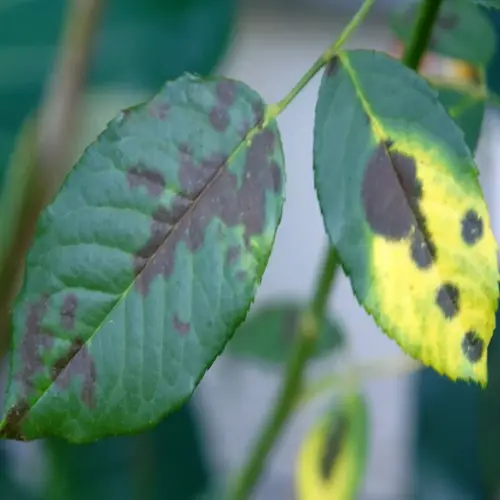

The main signs of poor rose soil are yellow leaves, stunted growth, standing water after rain, wilting even when you water, and thin bloom counts. Any of these tells you the soil needs testing and fixing before things get worse.
I spent a whole season dumping fertilizer on a bed of roses that kept turning yellow. Nothing worked. I finally sent a soil sample to the lab and found out my pH was 7.8, way above the 6.0 to 6.5 range roses need. The high pH was locking out iron even though the soil had plenty of it. Once I added sulfur to lower the pH, those same roses turned green in about three weeks. That taught me to always test before I treat.
Most rose soil problems start with pH being too high or too low. When pH sits outside that ideal range, minerals get locked in the ground where roots can't reach them. Your roses show signs that look like they need more food, but the nutrients are right there in the soil. Adding more fertilizer just makes it worse because excess salts build up and burn the roots.
Soil that drops below pH 5.0 turns toxic for roses. Minerals like aluminum, zinc, and copper flood the soil at that level. Your roses absorb too much and the leaves burn, curl, or drop off. High pH above 7.0 locks out iron and causes yellow leaves with green veins. This pattern is one of the clearest bad soil symptoms roses show you.
Run A Drainage Test
- How to test: Dig a hole 12 inches deep, fill it with water, and time how long it takes to drain out.
- Good drainage: Water clears in 1 to 4 hours, giving roots both moisture and the air space they need.
- Bad drainage: Water sits for more than 6 hours, meaning your soil is too dense and will cause root rot fast.
Check Your Soil pH
- Target range: Roses grow best between pH 6.0 and 6.5 where all major and trace nutrients stay open to roots.
- Test method: Use a home kit from any garden center or send a sample to your local lab for exact numbers.
- Fix options: Add sulfur to lower high pH, or add lime to raise low pH, then retest in 3 months to confirm.
Read Your Plant's Leaves
- Yellow with green veins: Iron lockout from high pH is the most common cause of this leaf pattern.
- Brown leaf edges: Salt buildup or too much fertilizer in the soil is burning your rose roots below ground.
- Pale all over: Low nitrogen or poor organic matter content means your soil can't feed the plant enough.
Don't grab a bag of general fertilizer when your roses look sick. Match each symptom to a specific soil issue and treat that one problem. Yellow veins mean pH trouble. Brown edges mean salt. Pale leaves mean low nitrogen. Standing water means poor drainage. Each fix is different, and using the wrong one wastes your time and money.
Run the three-part check on your beds every spring: drainage test, pH test, and a close look at the leaves. Catching rose soil problems early keeps small issues from turning into dead plants. A $15 soil test kit can save you hundreds in lost roses and wasted fertilizer.
Your roses talk to you through their leaves, stems, and blooms. Learn to read what they're saying and you'll fix soil problems before they cause real damage. Test first, diagnose second, and treat third. That simple order keeps your roses healthy and your garden full of color all season long.
Read the full article: Ideal Soil for Roses: Expert Advice for Healthier Blooms