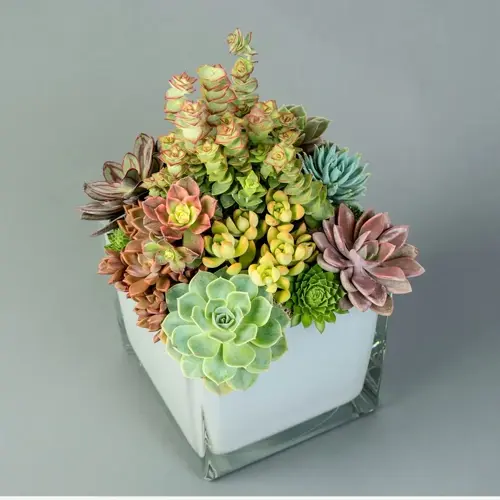

Several types of plants should not be misted during routine cleaning. Fuzzy-leaved plants, succulents, and cacti all do poorly with moisture on their leaves. Each group has different reasons for this sensitivity. Knowing which plants to keep dry saves you from damage that takes weeks to fix.
I learned this the hard way with my African violets. Grabbed the mister one morning without thinking. Sprayed the whole collection before realizing my mistake. Water spots appeared within hours. Some leaves developed brown patches where droplets sat too long. It took three weeks for the plants to recover.
The list of no misting houseplants is longer than most people think. African violets and other fuzzy-leaved plants trap moisture in their tiny hairs. This creates perfect conditions for fungal growth. Begonias with hairy leaves have the same problem. The trapped water doesn't evaporate fast enough.
Succulents and cacti make up another big group. Their leaves store water inside. They evolved to handle dry conditions, not wet ones. When you mist them, water sits on the surface and can cause rot. Penn State Extension notes that cacti shouldn't even be dipped in water for cleaning. A soft brush works better for these.
Knowing why misting damage plants helps you avoid future mistakes. Fuzzy leaves act like tiny sponges. Water gets trapped between the hairs and stays there for hours. Bacteria and fungi love this wet spot. Your plant gets sick from a cleaning method that was meant to help it.
Powder-coated succulents face extra risk from misting. That white or blue coating you see protects them from sun. Water wipes it away. Once gone, the coating doesn't grow back on that leaf. You've removed natural protection your plant needs. Always clean these with dry methods only.
For dry leaf cleaning plants in your collection, keep the right tools handy. A soft makeup brush works great for African violets. The gentle bristles lift dust without hurting fuzzy leaves. Clean between the hairs where dust likes to hide. Work gently and let gravity help drop particles away.
Cacti need a different approach. Compressed air from a can works well for spiny varieties. Hold the can a few inches away and use short bursts. This blows dust out of tight spaces between spines. You can also use a soft paintbrush for cacti with fewer spines.
My friend keeps both tropical plants and succulents. She made labeled sections in her plant area. Mist zone on one shelf, no-mist zone on another. This simple system stopped her from spraying the wrong plants by accident. Visual cues help when you're in a hurry.
Watch for signs you've been misting plants that should stay dry. Soft spots on succulent leaves mean trouble. Brown patches on fuzzy foliage show water damage. Slow rot at the center of rosette plants often starts with wet leaves. Catching problems early gives your plants the best chance to bounce back.
Read the full article: Cleaning Plant Leaves: Complete Guide