
Introduction
Your houseplants collect dust faster than you realize. Cleaning plant leaves is the most overlooked part of houseplant care. I learned this when my own plants started drooping despite perfect watering. That thin layer of grime building up right now does more damage than you think.
Here's what surprised me after years of caring for indoor plants. The tiny pores on leaves called stomata make up only 0.3 to 5% of the leaf surface. Yet these microscopic openings handle 95% of all gas exchange your plant needs to survive. When dust on leaves clogs these pores, your plant starts suffocating before you notice anything wrong.
The surge in houseplant ownership since 2020 brought millions of new plant parents into the hobby. Most focus on watering schedules and light levels. Few realize that plant health depends just as much on keeping leaves clean. A dusty plant struggles to make food through photosynthesis no matter how perfect its other conditions are.
This guide walks you through proven cleaning methods for every plant type. You'll learn which techniques work best for smooth leaves versus fuzzy ones. I'll also show you how regular cleaning doubles as pest prevention and helps your plants thrive for years longer.
Why Clean Plant Leaves
Knowing why clean plant leaves matter changes how you approach this simple task. Most plant owners see it as a chore for looks. The truth runs much deeper. Your plant's survival depends on those leaves staying clear enough to do their job.
Photosynthesis requires light to reach the leaf surface. Dust blocks light like a dirty window blocks sunlight from entering a room. When I started wiping my plants, I noticed they perked up within days. The leaves could absorb more light and convert it into energy. A dusty plant works harder to make the same amount of food.
Gas exchange happens through tiny pores called stomata. These openings take in carbon dioxide and release oxygen and water vapor. Stomata handle 95% of all gaseous fluxes despite covering less than 5% of the leaf. Clogged stomata from dust buildup means your plant can't breathe or regulate moisture.
Think of dusty leaves like trying to breathe through a clogged air filter. Your plant struggles to pull in what it needs. Plant respiration slows down. Growth stalls. Colors fade. I've watched healthy plants decline over months from nothing more than dust buildup on their leaves.
Research from PMC shows water rinsing alone removes only 23 to 45% of particles on leaves. This is why clean plant leaves need actual wiping, not just misting. You must make contact with the surface to lift embedded dust. Quick sprays leave most of the grime behind.
Clean leaves also look better and help you spot problems early. When you wipe each leaf, you notice pests, yellowing, or damage before they spread. This hands on approach turns a cleaning session into a health check that keeps your collection thriving.
8 Methods for Cleaning Plant Leaves
Each cleaning method works best for specific situations. I've tested all of these over years of caring for dozens of plants. The damp cloth method handles most needs, but some plants require gentler approaches. Knowing which technique to use saves time and protects your plants from damage.
Penn State Extension recommends cleaning early in the morning. This gives leaves time to dry before evening falls. Wet leaves at night invite fungal problems. Use lukewarm water for all methods since cold water shocks tropical plants. A microfiber cloth works better than paper towels because it lifts dust without leaving fibers behind.
Damp Cloth Wiping
- Best for: Smooth-leaved plants like pothos, rubber plants, and philodendrons that can withstand gentle handling without damage.
- How to do it: Dampen a soft microfiber cloth with lukewarm water and support each leaf from underneath while gently wiping the top surface.
- Pro tip: Wipe both upper and lower leaf surfaces as recommended by Mississippi State University Extension for thorough dust and pest removal.
- Frequency: Use this method weekly for plants in dusty environments or every two to three weeks for cleaner spaces.
Shower or Sink Rinse
- Best for: Medium-sized plants with sturdy leaves that can handle water pressure, particularly those prone to spider mites.
- How to do it: Place plants in a bathtub or sink and use lukewarm water with moderate pressure, focusing on both leaf surfaces.
- Pro tip: Oklahoma State Extension notes monthly showers help control spider mites by dislodging eggs and mites from leaf undersides.
- Frequency: Monthly for most plants, or every two weeks if you notice pest activity or live near dusty roads.
Mild Soap Solution
- Best for: Plants with heavy dust buildup or sticky residue from pests like aphids or scale insects.
- How to do it: Mix one quarter teaspoon of mild dish soap per quart (950ml) of lukewarm water and apply with a soft cloth.
- Pro tip: Mississippi State Extension confirms mild soap helps prevent insect and disease damage while cleaning.
- Frequency: Use monthly or when dealing with stubborn residue, always rinsing leaves with plain water afterward.
Soft Brush Dusting
- Best for: Plants with fuzzy or hairy leaves like African violets, begonias, and some succulents that should not get wet.
- How to do it: Use a soft makeup brush, clean paintbrush, or soft toothbrush to gently sweep dust from leaves without applying pressure.
- Pro tip: Penn State Extension specifically recommends soft brushes for cacti and fuzzy-leaved plants to avoid moisture damage.
- Frequency: Weekly for plants in dusty rooms, or every two weeks for cleaner environments.
Compressed Air Method
- Best for: Delicate plants, cacti with spines, or plants where water contact must be avoided completely.
- How to do it: Hold the can at least 6 inches (15cm) away and use short bursts to blow dust off leaves without damaging them.
- Pro tip: Always use canned air designed for electronics as it contains no moisture that could harm sensitive plants.
- Frequency: Monthly or as needed, being careful not to over-use on the same plant as cold air can stress leaves.
Feather Duster Sweep
- Best for: Quick maintenance dusting of large-leaved plants between thorough cleanings when time is limited.
- How to do it: Use a clean, natural feather duster and gently sweep across leaf surfaces to remove loose dust particles.
- Pro tip: This method only removes surface dust and should be combined with periodic damp cleaning for best results.
- Frequency: Use between major cleanings as a quick touch-up, but rely on other methods for thorough dust removal.
Spray Bottle Misting
- Best for: Humidity-loving plants that benefit from moisture, used in combination with wiping for effective cleaning.
- How to do it: Fill a spray bottle with lukewarm water, mist the entire plant lightly, then immediately wipe with a soft cloth.
- Pro tip: Misting alone does not remove dust effectively and must be followed by wiping to physically lift particles.
- Frequency: Weekly during dry seasons or when indoor heating reduces humidity, always followed by wiping.
Dipping Small Plants
- Best for: Small potted plants that can be easily inverted and submerged in a basin of water for thorough cleaning.
- How to do it: Cover the soil with plastic or foil, invert the plant, and swish leaves gently in lukewarm water.
- Pro tip: This method provides the most thorough cleaning and is excellent for removing hidden pests and their eggs.
- Frequency: Monthly for small plants, or every two weeks if you suspect pest issues or heavy dust accumulation.
The shower method mimics gentle rain that plants experience outdoors. I give my larger plants a monthly shower in the bathtub. It removes dust, dislodges pests, and makes the leaves look fresh. Just use moderate pressure and ensure good drainage afterward.
A feather duster works well for quick maintenance between deep cleans. Keep a soft brush handy for fuzzy plants that can't handle moisture. A soap solution handles stubborn grime when plain water fails. Match your method to your plant's needs and your available time.
Cleaning by Plant Type
What works for a rubber plant would damage an African violet. Each leaf texture calls for its own cleaning method. I learned this after ruining my fuzzy leaves begonia with water. Brown spots showed up across every leaf within days.
Research from PubMed shows dust retention varies by plant species. Some leaves hold 3.4 times more dust than others based on their texture. Smooth leaves shed particles more easily. This explains why your monstera stays cleaner than your fern despite sitting in the same room.
Cleaning monstera leaves is simple since their waxy surface repels dust. A damp cloth works great. Cleaning fiddle leaf fig plants requires extra care. Support each large leaf from below while wiping to prevent snapping the stem. These plants bruise easily when handled rough.
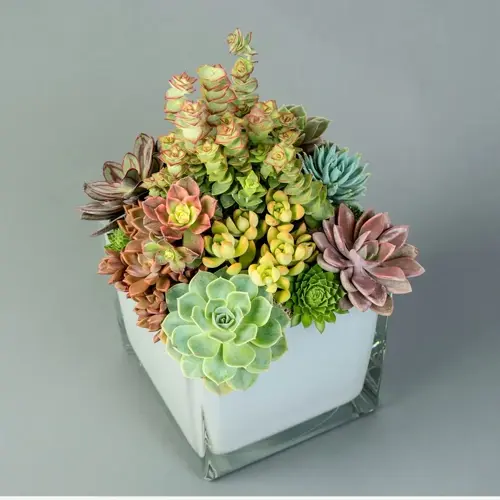
Succulents and cacti cleaning demand dry methods. Many succulents have a powder coating for protection. Water washes this coating away. Once gone, it never comes back. Stick to soft brushes or canned air for these plants. Hairy leaves like African violets trap water droplets. This leads to fungal infections and brown spots.
Natural Cleaning Solutions
You can make effective homemade plant cleaner solutions in your kitchen. These natural cleaning methods work as well as store products and cost far less. Mild soap and water boost natural leaf gloss better than commercial products. Oklahoma State Extension backs this up.
Think of these recipes like simple cooking. You need just a few ingredients and a couple minutes of prep time. I keep a spray bottle of each solution ready for my weekly plant care routine. This DIY leaf cleaner approach saves me money and avoids chemicals I don't want on my plants.
Mild Soap and Water
- Recipe: Mix one quarter teaspoon of pure castile soap or mild dish soap into one quart (950ml) of lukewarm water for a gentle cleaning solution.
- Why it works: Soap breaks down oily residue and sticky honeydew from pests while being gentle enough not to strip natural leaf coatings.
- Best use: Ideal for removing stubborn dust buildup, pest residue, and sticky substances that plain water cannot dissolve.
- Important: Always rinse leaves with plain water after using soap solution to prevent any residue from accumulating on leaf surfaces.
Diluted Vinegar Solution
- Recipe: Combine one part white vinegar with four parts water, roughly one tablespoon vinegar per half cup (120ml) of water.
- Why it works: The mild acidity dissolves mineral deposits and hard water spots that accumulate from tap water over time.
- Best use: Use specifically for removing white crusty mineral buildup or water spots, not as a general everyday cleaner.
- Important: Test on one leaf first and avoid using on plants with sensitive or thin leaves as vinegar can be too acidic for some species.
Neem Oil Spray
- Recipe: Mix one teaspoon of pure neem oil with one quart (950ml) of warm water and a few drops of mild soap as an emulsifier.
- Why it works: Neem oil contains over 100 biologically active compounds including azadirachtin, which accounts for 90% of its pest-fighting effects.
- Best use: Excellent dual-purpose solution for cleaning leaves while providing natural protection against spider mites, aphids, and scale insects.
- Important: Apply in evening or on cloudy days as neem oil can cause leaf burn in direct sunlight and allow leaves to dry completely.
Plain Lukewarm Water
- Recipe: Simply use room temperature or slightly warm water at about 68 to 75 degrees Fahrenheit (20 to 24 degrees Celsius) for regular cleaning.
- Why it works: Lukewarm water is gentle on plants, dissolves light dust effectively, and enhances natural leaf shine without any additives.
- Best use: The safest option for routine weekly or biweekly cleanings and the only solution university extension services universally recommend.
- Important: Avoid cold water which can shock plants and cause leaf spotting, especially on tropical houseplants sensitive to temperature changes.
A vinegar solution tackles hard water spots that plain water leaves behind. Those white mineral deposits build up over time if you use tap water. A quick wipe with diluted vinegar brings back the shine. Just test it first since some plants react badly to acidity.
Neem oil deserves special attention. Research from Frontiers in Plant Science found it contains over 100 active compounds for fighting pests. When you clean with neem, you protect your plants at the same time. I add a drop of lemon juice to mask the smell. This makes the cleaning session more pleasant.
Cleaning Schedule Guide
How often to clean plant leaves depends on where you live. A plant near a dusty road needs more attention than one in a clean basement. I adjust my plant cleaning schedule based on seasons and room conditions. Your environment shapes your cleaning frequency more than any fixed rule.
Think about how car owners wash their vehicles. Someone who parks under oak trees washes more often than someone with a garage. The same logic applies to your plants. Weekly cleaning makes sense in high dust areas. Monthly cleaning works fine for cleaner spaces.
When to clean plants matters as much as how often. Penn State Extension recommends morning cleaning sessions. This gives leaves time to dry before nightfall. Wet leaves at night invite fungal problems. I do my plant care routine on Saturday mornings when I have time to do it right.
Seasonal cleaning shifts with your home's conditions. Winter heating dries air and kicks up more dust. Summer brings open windows and outdoor particles. Watch how fast dust builds on your leaves. Your plants will tell you if your schedule needs to change.
Pest Prevention Benefits
Clean leaves do more than look good. They protect your plants from pests. Spider mites love hot, dusty leaves. UC Pest Management research proves this. When you skip cleaning, you create a perfect home for these tiny destroyers.
I lost a whole shelf of plants to spider mites before I understood this connection. A single colony can hold hundreds of mites. One generation completes in less than a week under good conditions. Dusty leaves attract pests and let them explode in numbers before you notice anything wrong.
Regular cleaning turns into pest prevention. University of Florida IFAS found that gentle baths remove pests like aphids along with dust. Weekly cleanings keep pest numbers low enough that they never become a problem. You're not just wiping leaves. You're breaking the pest life cycle.
Spider Mites
- Why cleaning helps: UC Integrated Pest Management research confirms spider mites prefer hot, dusty conditions, making regular leaf cleaning a powerful prevention strategy.
- Detection signs: Look for fine webbing on leaf undersides, tiny moving dots, and yellowing or stippling patterns on leaves during cleaning.
- Cleaning approach: Oklahoma State Extension recommends monthly showers targeting leaf undersides where colonies of hundreds can develop rapidly.
- Critical fact: Spider mite generations can complete in less than a week under optimal conditions, so early detection during cleaning prevents explosive infestations.
Aphids
- Why cleaning helps: University of Florida IFAS confirms gentle baths remove aphids directly, and regular cleaning disrupts their feeding and reproduction cycle.
- Detection signs: Look for clusters of small soft-bodied insects, sticky honeydew residue on leaves, and curling or distorted new growth.
- Cleaning approach: Use mild soap solution to dissolve honeydew and dislodge aphids, focusing on tender new growth where they congregate.
- Critical fact: Aphids reproduce rapidly without mating, so a single overlooked aphid can restart an infestation within days of treatment.
Mealybugs
- Why cleaning helps: Regular wiping physically removes mealybugs and their cottony egg masses before they spread to neighboring plants.
- Detection signs: Watch for white cottony masses in leaf joints, along stems, and on leaf undersides during your cleaning routine.
- Cleaning approach: Dab individual mealybugs with rubbing alcohol on a cotton swab, then follow with thorough leaf cleaning to remove residue.
- Critical fact: Mealybugs hide in crevices that normal viewing misses, so hands-on cleaning provides detection opportunities that visual inspection alone cannot.
Scale Insects
- Why cleaning helps: Scale insects attach firmly to leaves and stems, but regular cleaning allows early detection before populations establish and spread.
- Detection signs: Feel for raised bumps on stems and leaf undersides during wiping, and look for sticky honeydew or sooty mold.
- Cleaning approach: Use neem oil solution to suffocate scale insects, and gently scrape off adults with a soft brush or fingernail.
- Critical fact: Scale insects form a protective shell making them resistant to sprays, but physical removal during cleaning is highly effective.
Fungus Gnats
- Why cleaning helps: While fungus gnats live in soil, removing decaying organic matter from leaf surfaces during cleaning reduces their food sources.
- Detection signs: Notice small flies hovering around soil or resting on leaf surfaces, and larvae in moist topsoil areas.
- Cleaning approach: Remove fallen leaves and debris from soil surface during plant cleaning sessions to eliminate breeding sites.
- Critical fact: Overwatering attracts fungus gnats, so allowing plants to dry between cleanings and waterings helps break their life cycle.
Inspect for pests every time you clean. Run your fingers along stems. Check leaf undersides. Look for webbing, sticky residue, or tiny dots that move. Catching mealybugs or scale insects early saves your whole collection from spread.
This hands on approach changed how I care for plants. Cleaning sessions double as health exams. I catch problems at the single leaf stage instead of the whole plant stage. Your plants benefit from the attention and stay healthier for years.
5 Common Myths
Commercial leaf shine products make plants healthier by enhancing their appearance and protecting them from dust accumulation.
Leaf shine products actually harm plants by clogging stomata pores, which blocks gas exchange and reduces photosynthesis efficiency, making water-based cleaning far superior.
You should only clean plant leaves when they look visibly dusty, as cleaning too often can damage the leaf surface.
Regular cleaning every two to four weeks benefits plants even when dust is not visible, as microscopic particles accumulate and affect photosynthesis before becoming noticeable.
Misting plants with water is just as effective as wiping leaves for removing dust and keeping plants clean.
Misting only moistens dust without removing it, while wiping with a damp cloth physically lifts and removes dust particles along with pest eggs and debris.
All houseplants can be cleaned the same way using water and a cloth regardless of their leaf texture or type.
Plants with fuzzy or hairy leaves like African violets require dry brushing rather than water cleaning, as moisture trapped in leaf hairs can cause rot and fungal problems.
Using cold tap water is fine for cleaning plant leaves since the temperature does not really matter.
Cold water can shock plant leaves and cause damage, while lukewarm or room temperature water is gentle on plants and more effective at dissolving dust and residue.
Conclusion
Cleaning plant leaves goes far beyond looks. Those tiny stomata covering just 0.3 to 5% of each leaf handle 95% of your plant's gas exchange. When dust blocks these pores, your plant struggles to breathe and make food. Regular maintenance keeps this system running smooth.
Good houseplant care starts with a schedule that fits your space. Weekly cleaning works best for dusty urban apartments and homes with pets. Monthly sessions do the job in cleaner rural settings. Your environment tells you what your plants need. Watch how fast dust builds and adjust from there.
Clean leaves healthy plants isn't just a saying. I've seen the proof in my own collection. Plants that get regular attention thrive for years. Those I neglect fade and attract pests. The simple act of wiping each leaf creates a plant health check that catches problems early.
Take a look at your plants today. Run a finger across the leaves. That layer of dust is starving your plants of light and air. Grab a damp cloth and start with one plant. Notice how the leaves brighten after you wipe them clean. Your plants will thank you with stronger growth and fewer pest problems.
External Sources
Frequently Asked Questions
Can I use vinegar to clean my plant leaves?
Yes, diluted vinegar (one part to four parts water) effectively removes mineral deposits and hard water spots from plant leaves without harming the plant.
Is olive oil good for plant leaves?
No, olive oil is not recommended for plant leaves as it can clog stomata pores, attract dust, and interfere with photosynthesis.
Can you use baby wipes to clean plant leaves?
Baby wipes are not ideal because they often contain chemicals, fragrances, and moisturizers that can leave residue on leaves and potentially harm plants.
Which plants should not be misted?
Plants with fuzzy or hairy leaves should not be misted:
- African violets
- Begonias
- Succulents and cacti
- Plants prone to fungal issues
Why do people spray milk on plants?
Some gardeners spray diluted milk on plants as a natural fungicide and to add a subtle shine, though water-based cleaning is more effective and less likely to cause odor issues.
Should you wash plant leaves with milk?
Milk can be used but is not the best option as it may cause odor, attract pests, and leave residue that can clog leaf pores over time.
What is the best thing to clean houseplant leaves with?
The best tools for cleaning houseplant leaves are:
- Soft damp cloth for smooth leaves
- Lukewarm water with mild soap
- Soft brush for fuzzy leaves
- Diluted neem oil for pest prevention
What is the best time to clean plant leaves?
Early morning is the best time to clean plant leaves so they can dry completely before evening, which helps prevent fungal growth.
How do I make my indoor plant leaves shiny?
Achieve natural shine by cleaning leaves with lukewarm water and mild soap, then gently buffing dry with a soft cloth instead of using commercial leaf shine products.
Do dusty leaves affect plant growth?
Yes, dusty leaves significantly affect plant growth by blocking light absorption and clogging stomata, which reduces the plant's ability to photosynthesize and exchange gases.