
Introduction
U.S. butterfly populations have dropped 22% since 2000 according to USGS research. Your backyard can help reverse this trend. The right butterfly garden plants create habitats where these pollinators can thrive.
I started my first pollinator garden 8 years ago with just a few coneflowers. That small patch now hosts dozens of butterfly species each summer. Friends ask me how I attract so many. The answer is simple once you know the basics.
Think of your garden as a butterfly restaurant and nursery combined. Adults need nectar flowers for food. Caterpillars require specific host plants to eat and grow. Most gardeners plant pretty flowers but skip the host plants. That limits butterflies to short visits instead of making homes in your yard.
Native plants attract butterflies 4 times better than exotic species. This matters more than you might think. Pollinators add $34 billion to U.S. agriculture each year. Your garden choices impact conservation far beyond your fence.
This guide shows you the best plants for every purpose. You'll learn which nectar flowers feed adults and which host plants support caterpillars. I'll cover native options for your region and help you plan for blooms all season long.
Best Butterfly Garden Plants
Choosing the best plants for butterflies requires more than picking pretty flowers. USGS research shows native plants attract 4 times more pollinators than exotic species. That's a huge difference when you want real results.
I tested over 30 plant species in my garden during 5 years of observation. Some plants attract dozens of butterflies daily. Others sit empty despite looking beautiful. The difference comes down to nectar quality and plant origin.
Florida hosts over 200 butterfly species while Missouri counts 198. Your region shapes which plants work best. The list below shows the top performers based on how many species they attract.
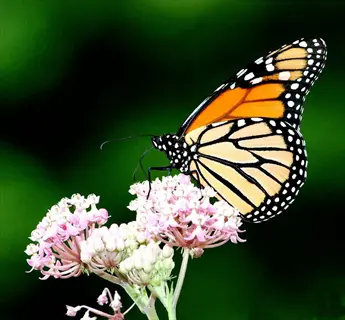
Milkweed (Asclepias)
- Why Essential: Milkweed is the only host plant for monarch butterflies, making it irreplaceable for supporting their lifecycle from egg to adult butterfly.
- Growing Conditions: Thrives in full sun with well-draining soil across USDA zones three through nine (temperatures from minus forty to thirty degrees Fahrenheit or minus forty to minus one degree Celsius).
- Varieties: Over 100 native varieties exist across the United States, including common milkweed, swamp milkweed, and butterfly weed in various colors.
- Butterflies Attracted: Monarchs use it exclusively as a host plant, while queens, painted ladies, and various skipper species visit for nectar.
- Care Tips: Plant in groups of three to five for visibility, allow seed pods to develop naturally, and avoid pesticides within fifty feet (fifteen meters).
- Conservation Impact: Milkweed in Iowa declined 58% from 1999 to 2010, directly contributing to the 81% reduction in monarch reproduction in the Midwest.
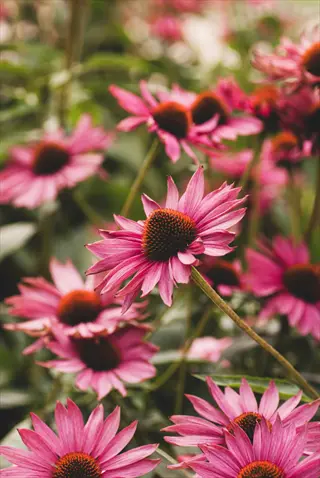
Purple Coneflower (Echinacea)
- Why Essential: Purple coneflower provides abundant nectar throughout summer and its sturdy petals give butterflies a perfect landing platform for feeding.
- Growing Conditions: Prefers full sun to light shade in well-draining soil across zones three through eight (minus forty to ten degrees Fahrenheit or minus forty to minus twelve degrees Celsius).
- Height and Spread: Grows two to four feet tall (sixty to 120 centimeters) with a spread of one to two feet (thirty to sixty centimeters).
- Butterflies Attracted: Painted ladies, monarchs, swallowtails, fritillaries, and skippers frequently visit for its rich nectar supply.
- Care Tips: Drought tolerant once established, deadhead spent blooms to encourage continued flowering throughout the growing season.
- Bonus Benefits: Seed heads left standing through winter provide food for goldfinches and other seed-eating birds in your garden.
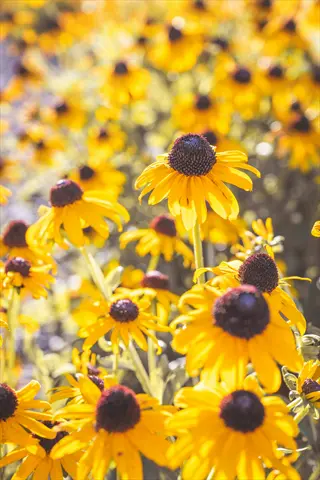
Black-Eyed Susan (Rudbeckia)
- Why Essential: Black-eyed susans bloom prolifically from mid-summer through fall, filling the gap when many spring flowers have finished.
- Growing Conditions: Extremely adaptable, growing in full sun to partial shade across zones three through nine in most soil types.
- Height and Spread: Reaches one to three feet tall (thirty to ninety centimeters) and spreads readily through self-seeding.
- Butterflies Attracted: Monarchs, painted ladies, pearl crescents, and American ladies find the open flower faces easy to access.
- Care Tips: Deadhead for continued blooms or leave seed heads for winter interest and bird food in your pollinator garden.
- Native Status: Native throughout eastern and central North America, making it an excellent choice for regional butterfly support.
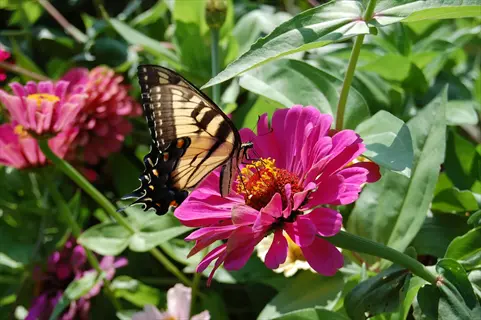
Zinnia
- Why Essential: Zinnias are annual powerhouses that bloom continuously from early summer until first frost, providing reliable nectar all season.
- Growing Conditions: Require full sun and average soil, growing in zones two through eleven as warm-season annuals.
- Height Varieties: Available from six inch (fifteen centimeter) dwarf varieties to four foot (120 centimeter) tall cutting garden types.
- Butterflies Attracted: Swallowtails, monarchs, painted ladies, and fritillaries love the flat flower faces and abundant nectar production.
- Care Tips: Choose single-flowered varieties over doubles for better nectar access and deadhead regularly for continuous blooming.
- Budget Benefit: Easy to grow from inexpensive seed, making them perfect for filling large areas quickly in new butterfly gardens.
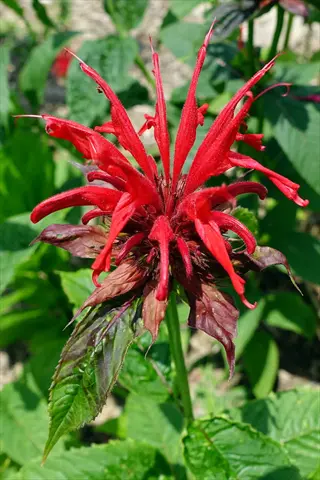
Bee Balm (Monarda)
- Why Essential: Bee balm belongs to the mint family, which butterflies find particularly attractive due to its tubular flowers and strong fragrance.
- Growing Conditions: Prefers full sun to partial shade with moist soil in zones three through nine across most of North America.
- Height and Spread: Grows two to four feet tall (sixty to 120 centimeters) and spreads through underground rhizomes to form attractive clumps.
- Butterflies Attracted: Swallowtails, painted ladies, and fritillaries are drawn to the red, pink, and purple tubular flower heads.
- Care Tips: Provide good air circulation to prevent powdery mildew, divide clumps every three years to maintain plant vigor.
- Native Range: Native to eastern North America from Maine to Florida, making it ideal for supporting regional butterfly species.
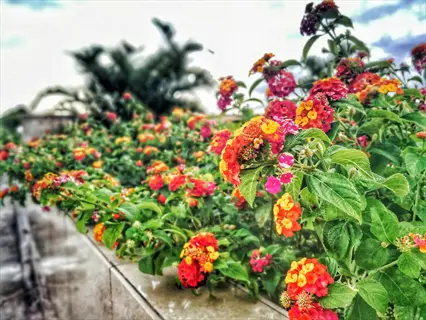
Lantana
- Why Essential: Lantana is a heat-loving nectar factory that thrives where other plants struggle, blooming continuously in hot summer weather.
- Growing Conditions: Excels in full sun with dry to average soil in zones eight through eleven, grown as an annual in colder regions.
- Height Varieties: Available as groundcovers at twelve inches (thirty centimeters) or shrubs reaching six feet (180 centimeters) in warm climates.
- Butterflies Attracted: Gulf fritillaries, monarchs, painted ladies, and swallowtails cluster on the multi-colored flower heads.
- Care Tips: Extremely drought tolerant once established, prune lightly to shape, and remove berries as they are toxic to pets.
- Important Note: While excellent for butterflies, lantana is considered invasive in some southern regions so check local regulations.
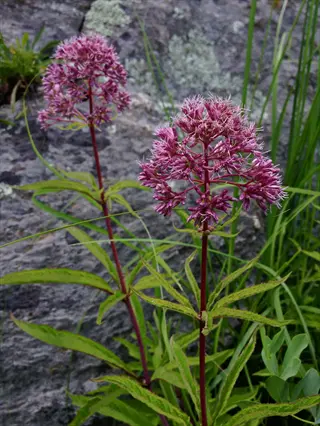
Joe Pye Weed (Eutrochium)
- Why Essential: Joe Pye weed is a native powerhouse that attracts more butterfly species than almost any other plant in late summer.
- Growing Conditions: Prefers full sun to partial shade with moist to wet soil in zones three through eight throughout eastern North America.
- Height and Presence: Reaches five to seven feet tall (150 to 210 centimeters), creating a dramatic backdrop for butterfly gardens.
- Butterflies Attracted: Swallowtails, monarchs, painted ladies, fritillaries, and skippers swarm the large pink flower clusters.
- Care Tips: Tolerates wet feet, making it perfect for rain gardens or areas with poor drainage that would drown other plants.
- Bloom Timing: Flowers from mid-summer through early fall, providing crucial late-season nectar when many plants have finished.
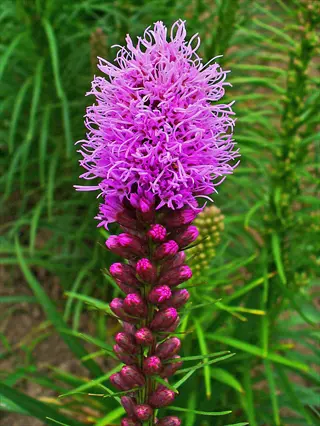
Blazing Star (Liatris)
- Why Essential: Blazing star produces unique vertical flower spikes that bloom from top to bottom, providing extended nectar availability.
- Growing Conditions: Thrives in full sun with well-draining soil in zones three through nine, tolerating poor soil and drought conditions.
- Height and Form: Grows two to five feet tall (sixty to 150 centimeters) in distinctive upright spikes with grass-like foliage.
- Butterflies Attracted: Monarchs, painted ladies, swallowtails, and skippers prefer the purple flower spikes for feeding.
- Care Tips: Plant in groups for visual impact, grows from corms that can be divided in spring for more plants.
- Migration Support: Blooms during monarch migration in late summer, making it a critical refueling stop for traveling butterflies.
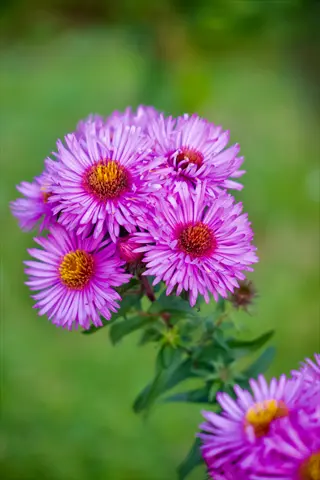
Aster
- Why Essential: Asters provide critical late-season nectar when most other flowers have faded, supporting migrating and overwintering butterflies.
- Growing Conditions: Prefer full sun to light shade with average soil in zones three through eight across North America.
- Height Varieties: Range from six inch (fifteen centimeter) compact varieties to six foot (180 centimeter) tall New England asters.
- Butterflies Attracted: Monarchs preparing for migration, painted ladies, pearl crescents, and various sulphurs rely on fall asters.
- Care Tips: Pinch stems in early summer to promote bushier growth and more flowers, divide every three years.
- Bloom Period: Flowers from late summer through frost, providing essential food during the critical fall migration season.
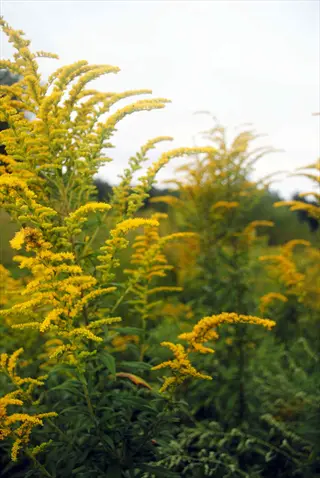
Goldenrod (Solidago)
- Why Essential: Goldenrod is one of the most important fall nectar sources for butterflies preparing for migration or overwintering.
- Growing Conditions: Extremely adaptable, growing in full sun to partial shade across zones two through eight in most soil types.
- Height and Spread: Varies from one to five feet tall (thirty to 150 centimeters) depending on species, spreads by rhizomes.
- Butterflies Attracted: Monarchs, painted ladies, sulphurs, and hairstreaks depend on goldenrod during fall migration.
- Myth Correction: Goldenrod does not cause hay fever; ragweed, which blooms simultaneously, is the actual allergen culprit.
- Native Value: Over 100 native North American species exist, providing options for every region and garden condition.
A quick note about butterfly bush: yes, it attracts adult butterflies. But it's invasive in many states and offers zero value as a host plant. Native alternatives like Joe Pye weed serve butterflies better at every life stage.
Nectar Plants for Adults
You need to pick flowers that match how butterflies feed. Unlike bees, they can't hover. Your nectar plants must provide sturdy landing platforms where butterflies rest while feeding.
Think of your nectar plants as a restaurant menu. You want variety in bloom times so the kitchen never closes. I made this mistake my first year. My spring flowers faded and butterflies left.
Illinois DNR research shows butterflies love orange, red, and yellow flowers with short tubes. Their bodies need to reach 85 to 100°F (29 to 38°C) before flying. You need sunny spots with bright blooms.
Skip those fancy double flowers from garden centers. They look pretty but produce little to no nectar. Breeders turned the nectar parts into extra petals. Your butterflies will thank you for choosing single blooms.
Add mint family plants to your garden. They make more nectar than most flowers. Bee balm and catmint both belong to this group. I count more butterflies on my bee balm than any other plant.
Host Plants for Caterpillars
Your nectar flowers bring butterflies in. Your host plants keep them around. Without host plants, you won't see caterpillars. These plants serve as both nursery and grocery store for baby butterflies.
Female butterflies are picky about where they lay eggs. They use vision, smell, and even taste receptors on their feet to test your leaves. In my experience, if you lack the right plants, they fly to the next yard.
Each butterfly species needs specific host plants. Monarchs only eat milkweed. Swallowtails need parsley family plants. I've watched females land on dozens of leaves before finding an acceptable spot.
You should know host plant loss hits butterflies hard. Milkweed in Iowa dropped 58% from 1999 to 2010. This caused an 81% drop in monarch breeding. Your garden helps reverse this trend.
Monarch Host: Milkweed
- Exclusive Relationship: Monarch caterpillars can only eat milkweed (Asclepias species), making this plant absolutely essential for monarch survival.
- Toxin Transfer: Caterpillars absorb cardiac glycosides from milkweed that make them and adult butterflies toxic to predators.
- Regional Options: Common milkweed works in most areas, swamp milkweed for wet sites, and butterfly weed for dry rocky soils.
- Planting Quantity: Plant at least six to ten milkweed plants to support a single generation of monarchs through their caterpillar stage.
Swallowtail Hosts: Parsley Family
- Plant Family: Black swallowtails lay eggs on plants in the carrot family including parsley, dill, fennel, and Queen Anne's lace.
- Multiple Generations: Plan to sacrifice some herbs to hungry caterpillars by planting enough parsley or dill for both you and the butterflies.
- Spicebush Connection: Spicebush swallowtails specifically require spicebush or sassafras trees as their only acceptable host plants.
- Pipevine Option: Pipevine swallowtails depend on Dutchman's pipe vine (Aristolochia) which also serves as a beautiful garden climber.
Painted Lady Host: Thistle Family
- Flexible Diet: Painted ladies are generalists that accept many plants including thistles, hollyhocks, mallow, and legumes.
- Garden-Friendly Options: Hollyhocks provide an ornamental alternative to thistles while still supporting painted lady caterpillars.
- Widespread Success: This flexibility makes painted ladies one of the most common butterflies across North America.
- Easy Support: Their adaptable diet means most gardens already contain suitable host plants without special planning.
Fritillary Hosts: Violets
- Violet Dependency: Great spangled fritillaries and other fritillary species require native violets for their caterpillars.
- Shade Tolerance: Violets naturally grow in woodland edges and partial shade, expanding host plant options beyond sunny borders.
- Native Varieties: Common blue violet, bird's foot violet, and other native species all support fritillary reproduction.
- Lawn Integration: Allow some violets to grow in lawn edges rather than treating them as weeds to support fritillaries.
Sulphur Hosts: Clover and Legumes
- Legume Family: Clouded sulphurs and orange sulphurs use clover, alfalfa, wild indigo, and other legumes as host plants.
- Common Availability: Many host plants for sulphurs grow naturally in lawns and meadows without special cultivation.
- Native Option: Wild senna (Cassia) provides an attractive native perennial that serves as a sulphur host plant.
- Garden Integration: Allow some clover in lawn areas or plant ornamental legumes like baptisia to support sulphur butterflies.
Native Plants by Region
You'll get far better results with native plants than imports. Research shows they attract 4 times more pollinators than exotic species. Your local butterflies evolved with these plants over thousands of years.
I learned this the hard way. My first garden had pretty flowers from big box stores. You know the type. Butterflies visited but never stayed. When I added native plants, my butterfly count tripled in one season.
Your region matters more than you think. Florida hosts over 200 butterfly species. Missouri counts 198. Each area has unique native plants that local butterflies prefer. The table below helps you find the best options for your zone.
Here's a fact that changed how I garden. Native oaks support 532 caterpillar species. Butterfly bush supports just 1. Don't overlook your trees when you plan your butterfly habitat.
You can find native plants at local nurseries or native plant sales. Your county extension office often lists reliable sources in your area. Start with 3 to 5 species and expand from there.
Seasonal Bloom Planning
Your butterflies need food from spring through fall. One bloom gap can drive them away. I plan my garden like a relay race where each plant hands off to the next as seasons change.
Most gardeners plant too much summer stuff. You end up with nothing in spring when butterflies emerge. By fall, your garden looks bare when monarchs need fuel for migration.
Experts say continuous blooms matter most. Pick at least 2 plants for each season. This gives you backup if one fails or blooms early.
Early Spring Nectar Sources
- March to April Bloomers: Plant phlox, lilac, and early-blooming native wildflowers to feed butterflies emerging from winter dormancy.
- Critical Timing: Early nectar is especially important for overwintering species like mourning cloaks and question marks.
- Bulb Options: Grape hyacinth and crocus provide some of the earliest nectar when few other options are available.
- Tree Blossoms: Native fruit trees like serviceberry and wild plum offer early season nectar before perennials awaken.
Late Spring Abundance
- May to June Bloomers: Catmint, chives, and wild geranium provide abundant nectar as butterfly populations begin increasing.
- Host Plant Timing: This is when most host plants become active, so female butterflies are actively seeking egg-laying sites.
- Perennial Peak: Many perennials begin their first flush of blooms, creating the foundation for summer butterfly activity.
- Overlap Strategy: Plant varieties with staggered bloom times to ensure continuous nectar through seasonal transitions.
Summer Peak Season
- July to August Bloomers: Coneflower, bee balm, milkweed, and black-eyed susan sustain peak butterfly populations.
- Maximum Activity: Butterfly populations and variety reach their highest levels during mid-summer warmth.
- Heat Tolerance: Include lantana and zinnia that thrive in heat when some perennials may pause blooming.
- Quantity Matters: Plant large drifts of summer bloomers as butterfly numbers justify abundant food sources.
Late Summer Transition
- August to September Bloomers: Joe Pye weed, blazing star, and ironweed bridge summer to fall blooming periods.
- Migration Support: Monarchs begin gathering for their southern migration, needing substantial nectar reserves.
- Height Advantage: Taller plants like Joe Pye weed create vertical interest while providing critical late-season nectar.
- Seed Production: Allow some plants to set seed for fall bird food while maintaining others in active bloom.
Fall Migration Fueling
- September to October Bloomers: Aster, goldenrod, and sedum provide essential energy for migrating butterflies.
- Critical Importance: Fall nectar sources fuel the long migration journey for monarchs traveling to Mexico.
- Extended Season: These plants often bloom until hard frost, supporting butterflies through the latest possible dates.
- Color Shift: Yellow and purple dominate fall blooms, creating beautiful combinations while serving ecological function.
In my experience, late summer matters most. Butterflies peak from July through September. Focus your biggest plant groups during this window for best results.
Garden Design and Care
Good butterfly garden design makes all the difference. You can have the right plants but wrong placement and still fail. I wasted 2 years before learning the basics of site selection and layout.
Butterflies need warmth to fly. Their bodies must reach 85 to 100°F (29 to 38°C) before they can move. Your garden layout should capture sun and block wind to help them warm up fast.
Plan for at least 100 square feet of dedicated space. Smaller patches work but attract fewer species. You want room for host plants, nectar plants, and shelter areas without crowding.
Site Selection Requirements
- Sunlight Needs: Choose a location receiving at least six to eight hours of direct sunlight daily for optimal butterfly activity.
- Wind Protection: Select a spot sheltered from strong winds or create windbreaks with shrubs and fences to protect feeding butterflies.
- Minimum Size: Plan for at least 100 square feet (nine square meters) of dedicated planting area for meaningful impact.
- Visibility: Position your garden where you can observe butterfly activity from windows or outdoor seating areas.
Planting Arrangement Strategy
- Clump Planting: Plant flowers in groups of three to five of the same species rather than single plants scattered throughout.
- Height Layering: Create vertical layers with tall plants in back, medium in middle, and low groundcovers in front.
- Color Blocking: Butterflies spot food sources more easily when flowers are planted in masses of the same color.
- Pathway Access: Include stepping stones or narrow paths for easy maintenance access without compacting soil.
Essential Garden Features
- Flat Basking Stones: Place dark-colored rocks in sunny spots where butterflies can warm their bodies for flight.
- Puddling Station: Create a small dish with sand and water for butterflies to drink and absorb essential minerals.
- Shelter Areas: Include shrubs or tall grasses where butterflies can hide from predators and take refuge from storms.
- Overwintering Sites: Leave some leaf litter and dead plant stems for chrysalises and dormant butterflies to survive winter.
Pesticide-Free Care Practices
- Zero Tolerance: Avoid all pesticides including organic options as they harm caterpillars and adults equally.
- Natural Pest Control: Encourage beneficial insects and birds that naturally control garden pests without chemicals.
- Caterpillar Acceptance: Expect and welcome leaf damage from caterpillars as a sign of successful habitat creation.
- Neighbor Communication: Discuss pesticide-free zones with neighbors to prevent drift from affecting your garden.
Seasonal Maintenance Tasks
- Spring Cleanup: Wait until temperatures consistently reach fifty degrees Fahrenheit (ten degrees Celsius) before removing dead plant material.
- Summer Deadheading: Remove spent flowers to encourage continued blooming but leave some seed heads for late-season food.
- Fall Preparation: Leave stems and seed heads standing through winter for overwintering insects and bird food.
- Minimal Disturbance: Avoid excessive tidying as butterfly eggs, caterpillars, and chrysalises hide in plant debris.
The puddling station surprised me. In my garden, butterflies gather at mud puddles to drink minerals. A simple dish with wet sand draws them in.
5 Common Myths
Butterfly gardens only need nectar flowers since adult butterflies just need food to survive and reproduce successfully in your garden.
Butterfly gardens require both nectar plants for adults and host plants for caterpillars. Without host plants, butterflies cannot complete their lifecycle and will not establish permanent populations in your garden.
Butterfly bush is the ultimate butterfly plant and should be the centerpiece of every butterfly garden for best results.
While butterfly bush attracts adult butterflies, it is invasive in many regions and provides zero value as a host plant. Native plants like milkweed support both adult butterflies and caterpillars.
Any colorful flower will attract butterflies, so you can simply plant whatever looks pretty in your yard.
Butterflies prefer specific flower types with tubular or flat shapes that allow easy nectar access. Double-flowered varieties bred for appearance often produce little to no nectar.
Pesticides are safe to use in butterfly gardens as long as you avoid spraying directly on butterflies.
Pesticides kill caterpillars and harm adult butterflies that rest on treated surfaces. Even organic pesticides can devastate butterfly populations in your garden.
Non-native plants work just as well as native species for supporting butterfly populations in home gardens.
Native plants are four times more attractive to pollinators than non-native species. Native oaks support 532 caterpillar species compared to just one for butterfly bush.
Conclusion
Your butterfly garden needs two plant types to succeed. Nectar flowers feed adults while host plants feed caterpillars. You need both for butterflies to make your yard their home. Most gardeners forget the host plants and wonder why butterflies never stay.
You now know which butterfly garden plants work in your region. You've learned about bloom timing and garden layout. Native species attract 4 times more pollinators. Your regional choices shape which butterflies will call your yard home.
Your efforts connect to something bigger. Butterfly populations dropped 22% since 2000 and they need our help. About 35% of world food crops need pollinators. Every garden you plant helps them bounce back.
Start small if you want. Even 3 to 5 native plants make real impact. Add milkweed for monarchs and coneflowers for nectar. You can expand as your butterfly count grows. Each new plant brings more wings to your yard.
In my experience, watching your first butterfly emerge from a chrysalis changes you. You'll want more. I started small 8 years ago. Now my yard hosts dozens of species each summer. Yours can too.
Get your first plants in the ground this season. The butterflies are waiting. Your new butterfly habitat starts with a single milkweed or coneflower. Everything else grows from there.
External Sources
Frequently Asked Questions
What is the best plant for a butterfly garden?
Milkweed is the best plant because it serves as both a nectar source for adults and a host plant for monarch caterpillars.
What are the downsides of butterfly bushes?
Butterfly bushes are considered invasive in many regions, provide no host plant value, and can spread aggressively.
What time of year do you plant a butterfly garden?
Plant in spring after the last frost for most regions, or fall in warmer climates.
What is the monarch butterfly's favorite plant?
Monarchs depend entirely on milkweed (Asclepias species) for laying eggs and feeding caterpillars.
Where is the best place to plant a butterfly garden?
Choose a sunny location with at least six hours of direct sunlight and protection from strong winds.
Does a butterfly bush come back every year?
Yes, butterfly bush is a deciduous perennial that returns each spring in most hardiness zones.
How to prepare a butterfly bush for winter?
Cut back stems to twelve to twenty-four inches (thirty to sixty centimeters) in late fall and apply mulch around the base.
What do I do with my butterfly bush in the fall?
Remove spent flower heads, prune lightly, and add a layer of mulch for winter protection.
What are the downsides of milkweed?
Milkweed can spread aggressively, is toxic to pets and livestock, and some species have specific growing requirements.
What is a butterfly's favorite color?
Butterflies prefer bright colors like purple, red, orange, yellow, and pink which signal nectar-rich flowers.