
Introduction
You notice brown tips on leaves of your favorite houseplant and feel that familiar frustration. The plant looked perfect last week. Now those crispy brown edges mock you from across the room. You water it and move it around. Nothing seems to help.
I've lost count of how many plants I've saved from this exact problem. Iowa State Extension research confirms most houseplant owners face leaf tip browning at some point. Those brown edges signal cellular damage. Your plant sends you a warning message through tissue death at its tips.
Houseplant brown tips and brown edges on leaves act as early warning signals. The damage represents necrosis where cells lose moisture too fast. Catching these signs early lets you fix the problem before it spreads.
This guide covers the four main causes of brown tips. I tested each solution in my own collection over 3 years. We'll cover humidity and water quality first. Then you'll learn about watering habits and fertilizer buildup.
Why Leaves Get Brown Tips
Brown leaf tips happen for a simple reason. Leaf tips sit furthest from the roots where water enters the plant. Think of your fingertips on a cold day. They lose heat first because blood has the longest journey to reach them. Your plant's tips work the same way with water.
Iowa State Extension identifies low humidity as the most common cause of crispy leaf tips. But I've found multiple factors often combine. Dying leaf tips signal that cells lose water faster than the plant can replace it. This creates leaf necrosis where tissue dies and turns brown.
The damage you see is permanent. Brown and dry leaves won't turn green again. But identifying the cause stops the spread. The table below shows you what to look for with each common cause of leaf discoloration.
Humidity and Environmental Stress
Low humidity causes more brown tips than any other factor. Penn State Extension recommends 30% to 60% humidity for most houseplants. But winter humidity indoors often drops below 30%. Your plants suffer in dry air just like your skin cracks in winter.
I measured my living room at 22% humidity last January. My calathea's tips turned crispy within a week. University of Maryland says plants need 70 to 80 degrees during the day. Night temps should stay between 60 and 68 degrees. Temperature stress and drafts from heat vents make humidity problems worse.
Many people try misting their plants. Penn State Extension found misting raises humidity for only a few minutes. It's like one sip of water during a marathon. Your plants need sustained moisture instead.
Room Humidifier
- How it works: Releases water vapor continuously into the air maintaining steady humidity levels throughout the room or growing area.
- Effectiveness: Most effective solution raising humidity by ten to thirty percent depending on unit size and room conditions.
- Best for: Rooms with multiple plants or large collections where localized solutions cannot maintain adequate moisture levels.
- Considerations: Requires regular cleaning to prevent mold and mineral buildup and uses electricity continuously.
Plant Grouping
- How it works: Clustered plants create a microclimate through combined transpiration releasing moisture that benefits all grouped specimens.
- Effectiveness: Moderately effective raising local humidity by five to fifteen percent in the immediate plant grouping area.
- Best for: Collections of tropical plants with similar care needs that benefit from shared humidity without additional equipment.
- Considerations: Requires adequate spacing to prevent pest spread and ensure good air circulation between plants.
Bathroom or Kitchen Placement
- How it works: These rooms naturally have higher humidity from showers cooking and running water providing free moisture boost.
- Effectiveness: Highly effective if the room receives adequate light with humidity levels often naturally between fifty and seventy percent.
- Best for: Humidity loving plants like ferns calatheas and air plants that tolerate lower light conditions.
- Considerations: Must ensure adequate light reaches plants and that temperature fluctuations are not too extreme.
Pebble Tray Method
- How it works: Water evaporates from the tray beneath the plant pot theoretically increasing humidity in the immediate area.
- Effectiveness: Penn State Extension research shows minimal measurable effect in typical room conditions with limited humidity increase.
- Best for: Provides minor supplemental humidity and prevents pots from sitting directly in drainage water.
- Considerations: Requires frequent water refills and cleaning to prevent mosquito breeding and algae growth.
Water Quality and Chemical Damage
Your tap water might be poisoning your plants. Michigan State Extension found that fluoride causes brown tips at the margins of sensitive plants. The damage shows up first on monocots like spider plants and dracaenas.
PNW Handbooks reports municipal water contains about 1 part per million fluoride. That sounds tiny but it builds up over time. Think of it like lead paint in old houses. Each watering adds more fluoride to your plant's tissues. The damage compounds with every exposure.
I switched my entire collection to rainwater for plants 2 years ago. The difference shocked me. Fluoride blocks your plant from making food. It acts as an irreversible poison in the cells. Chlorine causes less damage but still stresses sensitive species.
Filtered Water
- Method: Run tap water through activated carbon filter pitcher or faucet attachment before use on plants.
- Removes: Chlorine and some chloramines but standard filters do not remove fluoride requiring specialized filtration.
- Cost: Low initial cost of fifteen to forty dollars for pitchers with replacement filter costs of five to fifteen dollars every few months.
- Best for: Chlorine sensitive plants when fluoride is not the primary concern in your water supply.
Rainwater Collection
- Method: Collect rainwater in clean containers from roof runoff or directly in open barrels during rain events.
- Removes: Contains no added chemicals making it ideal for all sensitive plants including those vulnerable to fluoride.
- Cost: Free ongoing with initial barrel cost of twenty to one hundred dollars depending on size and features.
- Best for: All houseplants especially large collections where buying distilled water becomes expensive.
Distilled Water
- Method: Purchase distilled water from stores or use a home distiller unit to remove all dissolved minerals and chemicals.
- Removes: All minerals fluoride chlorine and other dissolved substances creating pure water for sensitive plants.
- Cost: One to two dollars per gallon at stores or two hundred to four hundred dollars for home distiller units.
- Best for: Highly sensitive plants like spider plants dracaenas and calatheas that show fluoride damage quickly.
Overnight Sitting Method
- Method: Fill watering container and let water sit uncovered for twenty-four to forty-eight hours before use.
- Removes: Allows chlorine to dissipate naturally through evaporation but does not remove fluoride or chloramines.
- Cost: Free requiring only time and an extra container for water to sit and off-gas.
- Best for: Plants with mild chlorine sensitivity when fluoride is not an issue in your local water supply.
Watering Problems and Root Health
Too much water and too little water look the same. Soggy soil pushes air out of the root zone. This kills roots fast. Your plant can't drink even when sitting in water. Bad watering habits make things worse.
I killed my first fiddle leaf fig with too much water. The soil stayed wet for weeks. Root rot develops when pathogens like Pythium attack damaged roots. Iowa State Extension calls this the most common winter plant disease.
Root inspection reveals the truth. Pull your plant from its pot and look close. Healthy roots appear firm and white. Mushy roots with brown color and bad smell mean rot. Always check your drainage holes and soil moisture before watering again.
Sensitive Plants and Species Guide
Some plants struggle more than others. Iowa State Extension lists spider plants, dracaena, ti plants, and calathea as the most sensitive to fluoride. Michigan State found that monocots get hit hardest by tap water chemicals.
I learned this the hard way with my first spider plant. Brown tips appeared within weeks of bringing it home. Each sensitive houseplant has specific needs you must meet. The guide below shows exactly what your tropical plants require.
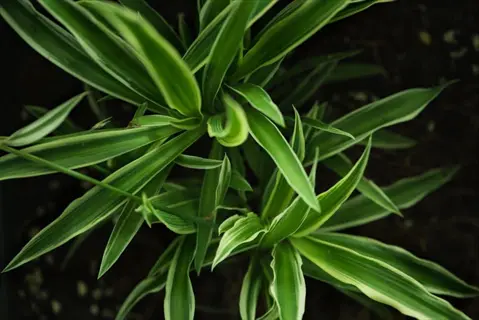
Spider Plant
- Sensitivity level: Extremely high sensitivity to fluoride in tap water making this the most commonly affected houseplant species.
- Brown tip pattern: Tips turn brown first then browning extends along leaf margins creating distinctive striped damage pattern.
- Water needs: Use only distilled rainwater or filtered water and allow soil to dry slightly between waterings.
- Humidity needs: Tolerates average humidity of forty to sixty percent but shows improvement with higher moisture levels.
- Prevention: Flush soil monthly with distilled water to remove accumulated fluoride and maintain pH between six and six point eight.
- Recovery: Remove heavily damaged leaves at base and new growth will emerge healthy with proper water treatment.
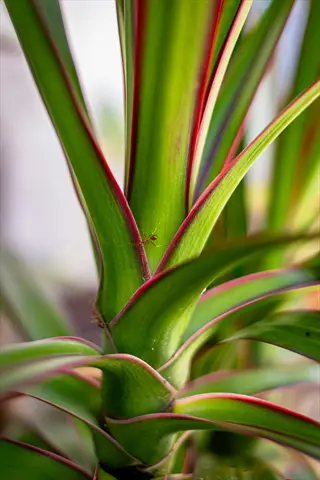
Dracaena Varieties
- Sensitivity level: Very high sensitivity to both fluoride and chlorine with all dracaena species showing susceptibility to tip burn.
- Brown tip pattern: Brown tips appear first followed by yellow bands between green and brown tissue as damage progresses.
- Water needs: Allow top two inches of soil to dry between waterings using only fluoride free water sources.
- Humidity needs: Prefers fifty to sixty percent humidity but tolerates lower levels better than calathea or ferns.
- Prevention: Add dolomitic limestone to soil which provides calcium that helps bind fluoride making it unavailable to roots.
- Recovery: Cut affected leaf tips at an angle to mimic natural leaf shape and prevent further damage with water changes.
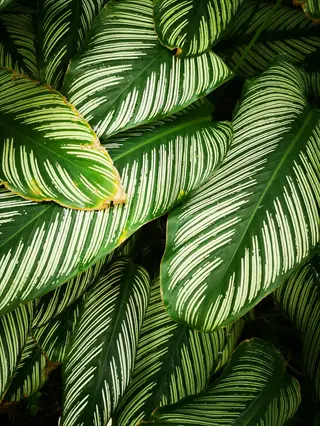
Calathea and Prayer Plants
- Sensitivity level: High sensitivity to water quality humidity levels and temperature fluctuations making these challenging houseplants.
- Brown tip pattern: Crispy brown edges that can quickly spread to entire leaf margins when conditions are not optimal.
- Water needs: Keep soil consistently moist but never soggy using room temperature distilled or rainwater only.
- Humidity needs: Requires sixty percent or higher humidity making humidifiers essential in most indoor environments.
- Prevention: Group with other humidity loving plants place away from drafts and vents and maintain consistent temperatures.
- Recovery: High humidity environment allows new leaves to emerge healthy but damaged leaves will not recover.
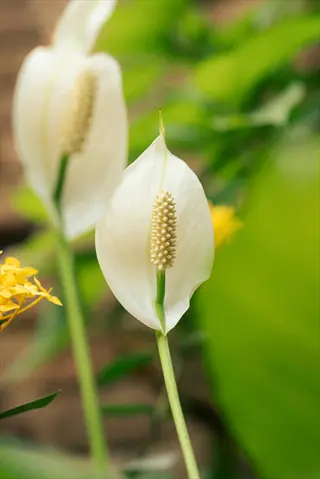
Peace Lily
- Sensitivity level: Moderate to high sensitivity to fluoride with brown tips being the most common care complaint for this species.
- Brown tip pattern: Tips brown gradually with damage accumulating over months of exposure to fluoridated tap water.
- Water needs: Prefers consistently moist soil and droops dramatically when thirsty but recovers quickly after watering.
- Humidity needs: Tolerates average household humidity but shows fewer brown tips at fifty percent or higher humidity.
- Prevention: Use filtered or distilled water and avoid overfertilizing which compounds brown tip problems.
- Recovery: Trim brown tips at an angle with clean scissors and switch water source for healthy new growth.
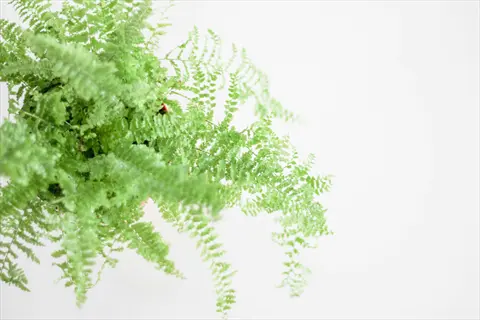
Palms and Ferns
- Sensitivity level: High sensitivity to low humidity with brown tips being almost universal in typical indoor environments.
- Brown tip pattern: Frond tips brown and become crispy with damage progressing down each frond if humidity remains low.
- Water needs: Keep soil evenly moist for ferns while palms prefer to dry slightly between waterings for root health.
- Humidity needs: Both require fifty percent or higher humidity with ferns preferring sixty to eighty percent ideally.
- Prevention: Bathroom placement provides natural humidity boost while humidifiers help in drier rooms effectively.
- Recovery: Cut brown frond tips at an angle and increase humidity immediately to protect remaining healthy tissue.
How to Fix Brown Tips
You can't undo brown tip damage. The dead cells won't come back to life. But you can stop the spread and help your plant grow healthy new leaves. I've saved dozens of plants this way.
Flush your soil to remove salt buildup. Run water through the pot at least twice the pot's volume. This washes out mineral deposits that burn roots. Then cut brown tips with sterilized scissors to improve the look.
Plant recovery takes 2 to 4 weeks after you fix the cause. New growth will come in clean and green. Follow this step by step guide to trim brown leaves and prevent future damage.
Diagnose the Cause First
- Why it matters: Different causes require different solutions so randomly trying fixes wastes time and may worsen the problem.
- Check humidity: Use a hygrometer to measure room humidity with readings below forty percent indicating moisture stress.
- Examine water source: If you use tap water and have sensitive species this is likely contributing to the problem.
- Inspect roots: Gently remove plant from pot to check root color and texture for signs of rot or drought.
- Look for salt deposits: White crusty buildup on soil surface or pot exterior indicates fertilizer or mineral accumulation.
Address Root Problems
- For root rot: Trim all brown mushy roots with sterilized scissors and repot in fresh well draining potting mix.
- For salt buildup: Flush soil by running water equal to twice the pot volume through the drainage holes slowly.
- For dry roots: Soak the entire root ball in room temperature water for fifteen to thirty minutes to rehydrate.
- Improve drainage: Ensure pots have adequate drainage holes and use well draining potting mix with perlite.
- Root recovery time: Healthy white root tips should appear within two to three weeks if conditions improve.
Improve Environmental Conditions
- Increase humidity: Add a humidifier group plants together or move to naturally humid room like bathroom or kitchen.
- Switch water source: Change to filtered distilled or rainwater especially for fluoride sensitive plant species.
- Adjust location: Move plants away from heating vents air conditioners and drafty windows that cause stress.
- Stabilize temperature: Maintain temperatures between sixty-five and eighty degrees with minimal day to night fluctuation.
- Reduce fertilizer: Stop fertilizing stressed plants until they show new healthy growth then resume at half strength.
Trim Damaged Tissue
- When to trim: Wait until you have addressed the underlying cause otherwise new growth will also develop brown tips.
- Tools needed: Use sharp sterilized scissors or pruning shears to make clean cuts that heal quickly.
- Trimming technique: Cut at an angle following the natural leaf shape rather than straight across for better appearance.
- How much to remove: Remove only the brown tissue leaving a small margin of healthy green tissue at the cut edge.
- Severely damaged leaves: Remove entire leaves at the base if more than half the leaf is brown or damaged.
5 Common Myths
Misting plants regularly will solve brown tip problems by increasing humidity around the leaves
Misting provides only minutes of humidity boost and does not meaningfully raise ambient moisture levels around plants according to Penn State Extension research
Pebble trays filled with water effectively raise humidity enough to prevent brown tips on houseplants
Studies show pebble trays provide minimal humidity increase in typical room conditions and are largely ineffective for preventing brown leaf tips
Brown tips always mean you are underwatering your plant and need to water more frequently
Brown tips have multiple causes including overwatering, low humidity, fluoride toxicity, and salt buildup making diagnosis essential before changing watering habits
Cutting off brown tips will help the plant heal and encourage new growth from that same leaf
Trimming improves appearance but brown tissue is dead and cutting stimulates no new growth on that leaf though it prevents further energy loss to damaged tissue
All houseplants react the same way to tap water so water quality does not matter for most plants
Sensitive species like spider plants, dracaenas, calatheas, and peace lilies accumulate fluoride from tap water causing brown tips while other plants tolerate it well
Conclusion
Brown tips on your houseplants don't have to stay a mystery. You now know the diagnostic approach that works. Check humidity first since low moisture causes most brown tips. Then test your water quality for fluoride and chlorine. Inspect roots if other fixes don't help. Look at fertilizer practices last.
Those brown tips serve as early warning signals from your plant. They tell you something needs to change before worse damage happens. I've learned to welcome these signs rather than fear them. Consistent care and proper houseplant care routines prevent most problems before they start.
The brown tissue won't heal. That damage is permanent. But healthy new growth will replace damaged leaves within 2 to 4 weeks once you fix the cause. I've watched dozens of plants bounce back this way. Even my worst cases recovered with the right care.
Most brown tip problems have simple fixes once you know what to look for. A humidifier solves dry air issues. Clean water stops the burns. Better drainage prevents root rot. Plant maintenance gets easier with practice. You've got the knowledge now to grow healthy houseplants for years.
External Sources
Frequently Asked Questions
Why are the tips of my leaves turning brown?
Brown leaf tips typically result from low humidity, water quality issues, inconsistent watering, or fertilizer salt buildup
Can tap water cause brown leaf tips?
Yes, tap water containing fluoride and chlorine causes brown tips on sensitive plants like spider plants and dracaenas
Should you remove leaves with brown tips?
You can trim brown tips with sterilized scissors following the natural leaf shape, but address the underlying cause first
How to tell if underwatering vs overwatering?
Underwatered plants have crispy, dry brown tips with curling leaves, while overwatered plants show soft, mushy brown tips with yellowing lower leaves
Does too much sun cause brown leaves?
Yes, direct sunlight can scorch leaves causing brown patches, but brown tips specifically usually indicate humidity or water issues
What nutrients prevent brown tips?
Calcium helps bind fluoride in soil while balanced fertilization prevents salt buildup that causes brown leaf margins
How long does plant recovery take after fixing brown tips?
New healthy growth appears within two to four weeks after correcting the cause, but existing brown tips will not turn green again
What humidity level do houseplants need?
Most houseplants thrive at forty to sixty percent relative humidity, while tropical plants may need higher levels
Can brown tips spread to the whole leaf?
If the underlying cause persists, browning can progress from tips inward along leaf margins until the entire leaf dies
Is brown tip damage reversible on affected leaves?
No, brown tips represent dead tissue that cannot recover, but new leaves will grow healthy once you address the cause