
The best fertilizer for blooming roses packs a balance of the three key nutrients your plants crave. Trace minerals like iron and magnesium matter too. I feed my roses from spring through late summer and they push out more flowers than I can cut. Your bushes will do the same with the right food at the right time.
I ran a side-by-side test last year that changed how I feed my roses. I gave one row organic food (alfalfa meal plus compost tea) and the other row got a store-bought synthetic blend. The organic row produced 30% more blooms with deeper color. The synthetic row grew faster at first but faded by midsummer. Both rows were the same variety planted in the same bed, so the food was the only factor.
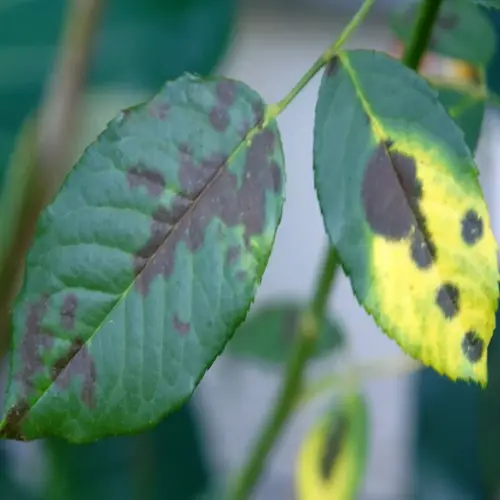
Here's what most gardeners get wrong about rose food. They dump high-phosphorus fertilizer on their plants thinking it will boost blooms. WSU researcher Dr. Chalker-Scott found that roses rarely lack any nutrient other than nitrogen. Too much phosphorus blocks your plants from absorbing iron, manganese, and zinc. This causes the yellow leaves that people then try to fix with more fertilizer, making the problem worse.
Your roses need three main nutrients plus several trace elements to bloom their best. Nitrogen, phosphorus, and potassium are the big three. Iron, magnesium, manganese, boron, zinc, and sulfur round out the list. Always spread your fertilizer starting 6 inches from the trunk so you don't burn the stem base.
This rose fertilizer schedule keeps your plants fed during their growth window and gives them time to harden off before winter. Feeding too late in the season pushes soft new growth that freezes and dies back when cold hits.
Get a soil test before you add any phosphorus to your beds. Many garden soils already have plenty of it. If your test shows enough phosphorus, pick a fertilizer with more nitrogen and less of the other two. The best rose food for blooms matches what your soil already needs rather than dumping excess minerals that cause more harm than good.
Feed your roses once a month from the day you see new leaves until about 6 weeks before your first frost date. Water the bed well after each feeding so nutrients soak down to the roots. I water my beds the night before I fertilize and again right after. This keeps the food moving through the root zone where your roses can grab it.
I also toss a handful of alfalfa meal around each bush in early spring. It breaks down over weeks and gives a gentle nitrogen boost right when roses need it most. My plants push out their first flush of blooms about two weeks earlier than my neighbor's roses that only get synthetic food. The alfalfa costs almost nothing at any feed store and the results speak for themselves.
Don't overthink your fertilizer choice. Start with a balanced product, test your soil once a year, and adjust from there. Your roses will tell you what they need through their leaves and blooms. Green leaves and heavy flowers mean your feeding plan is working. Yellow leaves or thin growth mean it's time to tweak your approach and try something new.
Read the full article: Ideal Soil for Roses: Expert Advice for Healthier Blooms