
The best companion plants for corn include beans, squash, cucumbers, and melons that work together to help each other grow stronger. Beans add nitrogen to the soil that corn needs for its heavy feeding. Squash shades the ground to keep weeds down and hold moisture. These partnerships have worked for gardeners for thousands of years.
I tested Three Sisters planting in my own garden two summers ago. The results amazed me as I watched everything unfold over the season. My corn planted with pole beans grew taller and darker green than corn planted alone nearby. The beans climbed the corn stalks which saved me from building trellises for them. The squash spread between rows and kept the soil cool and moist all summer long.
The science behind this partnership works through nitrogen fixation in bean roots. Beans host rhizobium bacteria in small nodules on their root systems underground. These bacteria pull nitrogen from the air and convert it to forms that plants can absorb through their roots. Your corn benefits from this extra nitrogen all season long. You save money on fertilizer too.
When planning what to plant with corn, timing matters for success in your garden. Plant your corn seeds first and let them reach about 6 inches tall before adding beans to the mix. Wait 2-3 weeks then plant pole beans at the base of each corn stalk. Add squash around the perimeter about 1 week after beans go in the ground to complete the trio.
Best Plant Partners
- Pole beans: Climb corn stalks and add nitrogen to soil through root nodules that feed your hungry corn plants.
- Winter squash: Large leaves shade soil, reduce weeds, and hold moisture in the ground around corn roots.
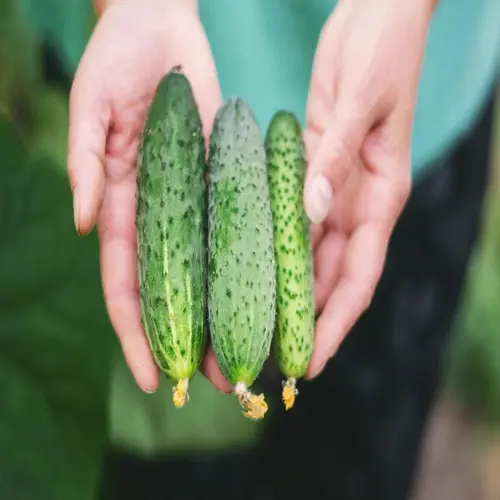
- Cucumbers and melons: Spread between rows like squash and benefit from corn shade in hot afternoon sun.
Plants to Avoid
- Tomatoes: Share common pests like corn earworm that will spread between crops and damage both plants.
- Brassicas: Cabbage, broccoli, and kale compete for nitrogen and will leave your corn starving for nutrients.
- Fennel: Releases chemicals that stunt corn growth and should stay far away from your corn patch.
Corn companion gardening works best when you give each plant enough space to thrive without crowding. Keep corn rows 30-36 inches apart even when adding companions between them. Plant beans right at the corn stalk base but spread squash at least 3 feet from corn stalks so vines have room to run.
Some gardeners add sunflowers around the edges of their corn patch to attract bees and other helpful insects. Marigolds planted nearby can repel some corn pests with their strong scent throughout the growing season. These extras take almost no space and add color to your garden while helping your main crops grow.
Avoid planting corn near brassicas like broccoli, cabbage, or kale in your garden rotation. These heavy feeders compete for the same nitrogen your corn needs and both crops suffer from the fight. Tomatoes share too many pests with corn and planting them close together invites trouble for both crops.
Watch out for fennel anywhere near your corn patch in your garden space. Fennel releases chemicals into the soil that stunt corn growth and reduce your harvest size. Keep fennel in a separate bed far from your corn and most other vegetables too.
Try the Three Sisters method in a small test plot your first year before going all in with your whole garden. Watch how the plants interact and adjust your spacing next season based on what you see. This ancient technique still produces great results for modern gardeners who take time to learn how it works.
Read the full article: Growing Corn: 9 Key Steps for Sweeter Results