
The benefits of eating okra start with its high fiber and mineral content. Each pod gives you potassium and antioxidants your body needs. Is okra good for you? Research says yes for many reasons.
I started eating more okra after I began growing my own and noticed real changes. My digestion improved within a few weeks of adding fresh pods to meals. Home-grown okra tastes so much better than store-bought that I now eat it three times a week during the summer months.
The okra nutrition numbers look great for such a simple vegetable. Each 100 gram serving gives you 3.2 grams of fiber to keep your gut happy. You also get 303 mg of potassium and 57 mg of magnesium from that same portion size.
Okra health benefits go beyond basic nutrition. Research shows compounds in okra help manage blood sugar levels. The vegetable also contains antioxidants that fight damage to cells in your body over time.
The seeds inside okra pods contain 20-40% oil rich in linoleic acid. This healthy fat supports heart function and helps lower bad cholesterol. Most people toss the seeds but they hold some of the best nutrition in the whole pod.
Lab studies found okra has about 29.5% polyphenol content. This gives it strong antioxidant power. These same compounds fight harmful bacteria in your body. Eating okra gives your immune system extra tools to work with.
Harvest your pods young at 2-4 inches long for the best nutrition and taste. Older pods turn tough and lose some health value as they grow bigger. Pick every other day during peak season to catch them at the right size.
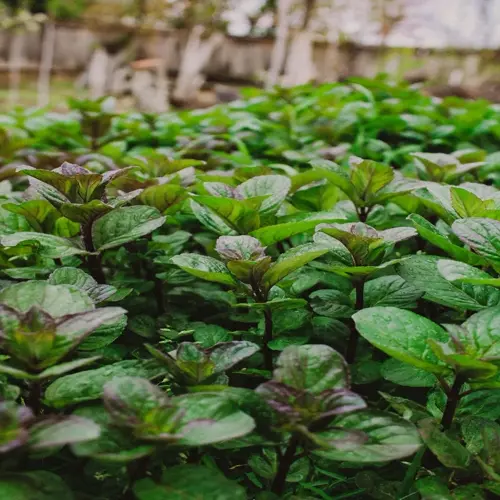
The leaves of okra plants are also edible and full of good stuff. You can add young leaves to salads or cook them like spinach. Most gardeners never think about this second crop growing on the same plant they already have.
I tried adding okra leaves to my summer salads last year. They have a mild flavor that works well with other greens. Now I pick a few leaves each time I harvest pods and get even more food from my plants.
Cook okra quick to keep the most nutrients in your food. Steaming for five minutes or less preserves vitamins better than long stewing does. Roasting at high heat also works well and reduces the slimy texture some people dislike.
Add okra to your garden and your plate for a boost to your health. The fiber and minerals make this vegetable a smart choice. Your body will thank you for every pod you grow and eat.
Read the full article: Growing Okra: Complete Step-by-Step Plan