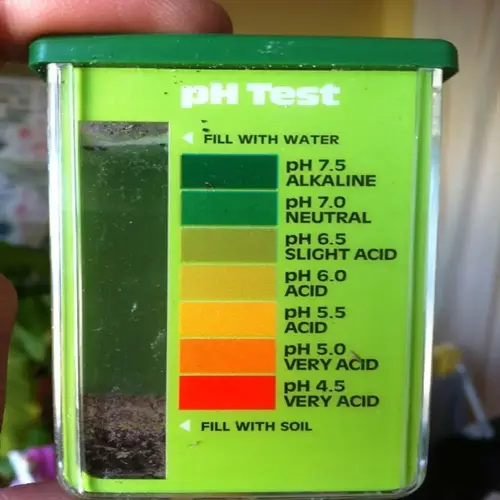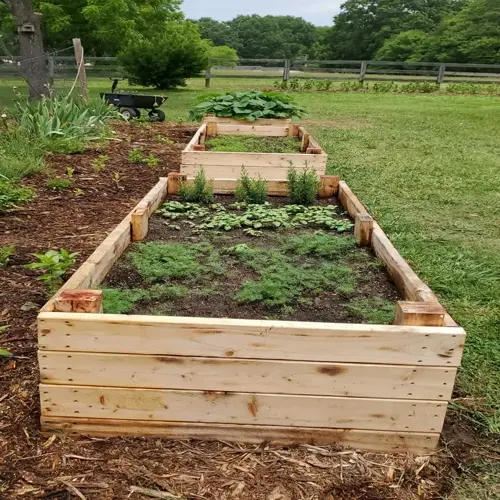

The best soil fiddle leaf fig plants need has fast drainage and slight acidity with pH between 5.5 and 6.5. Heavy dense soils hold too much water and hurt roots. A quality well draining potting mix with added perlite or bark gives these plants what they need. Getting soil right stops most root problems that cause brown spots.
I tested different soil mixes over the years and saw big changes in plant health. My first fiddle leaf fig sat in dense peat-heavy soil from a chain store. It got root rot within six months even though I watered with care. The roots turned to mush. When I switched to a chunky mix with bark and perlite, my next plant thrived for years without problems.
Roots need air just as much as water. When soil stays wet too long, air pockets fill up and roots can't breathe. This sets up perfect conditions for root rot fungi like Pythium. These germs live in most soils but only attack when roots get weak from lack of oxygen. Fast-draining soil dries in a few days and keeps roots healthy enough to fight off disease.
Good soil for tropical houseplants uses several parts that work together. Start with indoor potting mix as your base. Add perlite or pumice at one part per three parts mix. This creates air channels and speeds up drainage. Orchid bark chunks give roots something to grab while letting water pass through. Stay away from garden soil, which packs down in pots and stays too wet.
You can buy premade fiddle leaf fig soil or mix your own blend. A simple recipe uses three parts potting mix, one part perlite, and one part bark all mixed in a bucket. This combo drains fast but holds enough water that you won't need to water daily. Some growers add charcoal to soak up bad stuff and keep soil fresh longer.
I helped a friend repot her fiddle leaf fig last month using this mix. Her old soil had turned into a dense block after two years. Water sat on top instead of soaking in. We shook off the old soil, trimmed a few mushy roots, and potted into fresh chunky mix. The plant perked up within a week and pushed out new growth a month later.
Watch for signs that your soil needs changing. Water pooling on top means soil has packed down too tight. A sour smell when you water points to soggy conditions with no air. Roots poking up at the surface are hunting for oxygen they can't find below. Most fiddle leaf figs need fresh soil every two to three years even without obvious problems.
Never reuse soil from a plant with root rot. The germs survive in old soil and will attack healthy roots you put back in the same pot. Dump bad soil in the trash, not compost. Scrub the pot with 10% bleach solution and rinse well before adding fresh mix. Starting clean gives your plant the best shot at healthy growth.
Soil pH matters for how well your plant absorbs nutrients. Fiddle leaf figs like it slightly acidic so iron and other minerals stay in forms roots can use. Most potting mixes start in the right range but turn alkaline over time from tap water minerals. Yellow leaves with green veins hint at pH issues. Try filtered or rain water if you see this pattern.
Read the full article: Fiddle Leaf Fig Brown Spots: Causes and Fixes