
The main plants that harm carrot growth include dill, parsnips, celery, and fennel. These are bad companion plants carrots do poorly with because they attract pests or spread diseases. Keep them far from your carrot beds if you want a good harvest.
I learned about dill the hard way in my third year of growing carrots. Young dill plants seemed fine next to my carrot row through early summer. But once the dill flowered, carrot rust flies showed up in droves. These pests laid eggs near the carrot stems and their larvae tunneled into my roots. I lost half that crop to maggot damage before I figured out what happened.
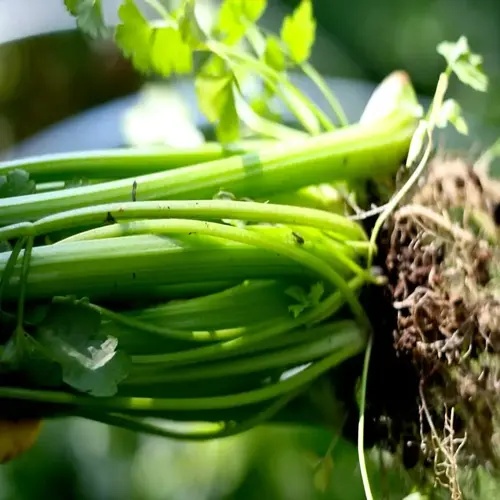
The problem with some bad companions comes down to shared pests and diseases. Parsnips belong to the same plant family as carrots and attract the exact same flies. Planting them close together creates a larger target for these pests to find. Celery shares fungal diseases like Alternaria that spread between the crops when planted in the same bed.
Fennel puts chemicals into the soil that slow down plants growing near it. Your carrots planted next to fennel will likely develop stunted roots and weak tops. Keep fennel in its own spot away from your main vegetable beds. This plant causes problems for most veggies, not just carrots.
What not to plant with carrots also includes members of the nightshade family in some cases. Potatoes compete for the same soil nutrients and can shade out shorter carrot tops. Their dense foliage also holds moisture that promotes fungal problems in cramped garden spaces.
Good carrot companion planting swaps these problem plants for helpful neighbors. Onions, leeks, and chives release strong scents that mask the smell of carrot foliage from searching flies. Rosemary and sage work the same way with their aromatic oils. I always plant a row of onions between my carrot beds now and rarely see fly damage.
Lettuce makes a good companion because it grows fast and shades the soil between carrot rows. This helps keep the ground cool and moist during hot spells. The lettuce harvest comes early and leaves room for carrots to fill in the space as they size up through summer and fall.
Spacing matters as much as plant choice when you plan your garden layout. Give your carrots at least 3 feet of distance from any known problem plants. You can use taller crops like tomatoes as walls between plants that do not get along. Plan your beds with these pairings in mind before each planting season starts.
Pay attention to what you grew where in past seasons too. Diseases can linger in your soil for years after infected plants are removed. Rotate your carrot beds to fresh ground every year to break disease cycles. This simple step helps you avoid buildup of carrot-specific pests in one spot.
You can draw a simple garden map each spring to track where everything goes. Mark which beds held carrots and which held their problem neighbors. Move your carrots to a new bed each year and wait three years before planting them in the same spot again. This rotation breaks pest and disease cycles that build up over time.
If you only have limited space, grow your carrots in containers filled with fresh potting mix each season. This gives you complete control over what grows near them. Container carrots avoid soil-borne diseases and pests that plague garden beds with repeated plantings. Use pots at least 12 inches deep to give roots room to stretch out.
Read the full article: Growing Carrots: Full Guide for Beginners