
Introduction
Pulling your first bright orange root straight from the soil feels amazing. This guide shows you how to grow carrots: complete guide for beginners with all the tips you need for success. Americans eat about 8 pounds of fresh carrots each year and your homegrown ones will taste much better than anything from the store. The flavor difference between fresh picked and store bought will surprise you right away.
Carrots do best as a cool season crop that tolerates cold soil. They thrive between 61 and 75 degrees Fahrenheit and handle light frosts just fine. Beginner vegetable gardening works well with this root crop since they need minimal fuss once planted. Modern carrot varieties now pack about 45% more nutrition than those from the 1970s. That makes them an even smarter choice for your garden plot this season.
The carrot gardening basics come down to a few simple steps that anyone can master with practice. You need loose soil, patient watering during germination, and good timing for your climate zone. This guide covers soil prep, planting, care, varieties, and harvest methods in plain terms. You will learn what works and what to avoid based on real world results from actual gardens across the country.
My first year growing carrots gave me stubby, forked roots that looked nothing like the catalog photos. After I learned the right methods, my harvests got better each season. These tips come from real hands on experience in the garden over many seasons of trial and error. They will help you skip the common mistakes that trip up most new gardeners when they start this rewarding crop at home in their own backyard.
Preparing Soil for Carrots
Good soil for carrots makes the difference between straight roots and forked stubs. Think of preparing soil for carrots like making a soft bed for them to stretch into. The taproots cannot push through hard ground, so they split and twist around any rocks or clumps they hit. You want loose soil carrots can slide through with zero resistance from top to bottom.
Start by loosening your garden bed at least 8 to 9 inches deep with a garden fork or tiller. Remove all rocks larger than half an inch since even small stones cause roots to fork. The ideal carrot soil requirements call for sandy loam with a pH between 6.0 and 7.0 for best results. Test your soil pH before planting and add lime to raise it or sulfur to lower it as needed.
I learned the hard way that carrots hate salty soil. Research shows they rank as the most salt sensitive vegetable crop you can plant. Skip fresh manure and heavy fertilizers when preparing soil for carrots. Work in 2 to 3 inches of aged compost instead to add organic matter without the salt risk. The table below shows what each carrot type needs from your soil.
How to Grow Carrots Step by Step
When you plant carrots, think of it as starting a 100 day project with clear phases you can track. Each step builds on the last one, so getting the basics right from the start saves you trouble later. You must direct sow carrots since they hate being moved after their roots start growing down into the soil.
Carrot seeds take their time coming up compared to most garden crops. Expect to wait 14 to 21 days for sprouts when soil temps hit 55 to 65 degrees Fahrenheit. I mark my rows with quick growing radishes so I know where my carrots hide. The timeline below breaks down each phase from planting depth through thinning carrots to final harvest.
Week 1-3: Seed Planting
- Timing: Plant seeds 2-3 weeks before last frost in spring or 8-10 weeks before first frost in fall when soil reaches 55-65 degrees Fahrenheit (13-18 degrees Celsius).
- Depth: Sow seeds 0.25 inches (0.6 cm) deep in spring or 0.5 inches (1.3 cm) deep in summer to reach cooler, moister soil.
- Spacing: Scatter 18-20 seeds per foot of row since germination rates vary, then thin later for proper spacing.
- Moisture: Keep soil surface moist during this critical germination window using light daily misting or floating row covers.
Week 3-4: Germination Period
- Patience: Carrot seeds take 14-21 days to emerge, longer than most vegetables, so mark rows to avoid disturbing them.
- Signs: Look for thin, feathery seedlings that resemble grass at first before developing true ferny carrot foliage.
- Protection: Use floating row covers to maintain moisture and protect from carrot fly pests during this vulnerable stage.
- Problems: If seeds fail to emerge after 3 weeks, soil may have crusted over; try the sifted compost covering method next time.
Week 4-6: Thinning Seedlings
- Timing: Thin when seedlings reach 2 inches (5 cm) tall, often 4-6 weeks after planting depending on conditions.
- Technique: Snip seedlings at soil level rather than pulling to avoid disturbing neighboring roots.
- Final Spacing: Leave 2-3 inches (5-7.5 cm) between plants for standard varieties or 1-2 inches (2.5-5 cm) for baby carrots.
- Thinning Use: Young thinnings are edible as microgreens in salads, so nothing goes to waste from your garden.
Week 6-12: Active Growth Phase
- Watering: Provide 1 inch (2.5 cm) of water weekly; water deeply once on clay soils or twice on sandy soils for proper penetration.
- Feeding: Apply 0.25 cups nitrogen fertilizer (21-0-0) per 10 feet of row at 6 weeks after emergence (USU Extension).
- Weeding: Keep area weed free since carrots compete poorly; light surface hoeing avoids damaging developing roots.
- Monitoring: Watch for pest damage on foliage and address issues early before they affect root development underground.
Week 10-14: Harvest Window
- Timing: Most varieties mature in 65-100 days; check variety packet for specific days to maturity guidance.
- Size Check: Harvest when carrot tops measure 0.5-1.5 inches (1.3-3.8 cm) diameter at the soil line.
- Technique: Loosen soil with garden fork before pulling to prevent breaking roots; water day before for easier harvest.
- Yield: Expect about 1 pound of carrots per linear foot of row or 2-6 pounds per 10-foot row.
I grow about 8 feet of row per person in my household for fresh eating through the season. Succession planting every 3 weeks extends your harvest window from early summer into fall. Proper carrot spacing matters more than you might think since crowded roots stay small and stunted no matter how long you wait.
7 Best Carrot Varieties
Picking the right carrot varieties works like choosing shoes for a hike. Some fit your soil and skill level while others fight against your conditions. The best carrots for beginners tend to be shorter and more forgiving of heavy or rocky soil. Longer types need loose, deep beds to reach their full size in your garden.
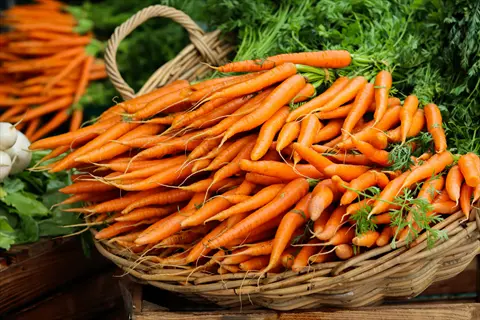
I tested many types over the years and found that Nantes carrots perform well for most home gardens. They grow 6 to 7 inches long with a sweet taste that kids love right from the ground. Danvers carrots and Chantenay carrots work better if you have clay soil that stays dense no matter how much you amend it.
Nantes (Best for Beginners)
- Length: Nantes carrots grow 6-7 inches (15-18 cm) long with a cylindrical shape and blunt, rounded tips that resist breakage during harvest.
- Flavor: Known for sweet flavor with tender, almost coreless texture that makes them ideal for fresh eating and snacking.
- Soil Needs: Performs well in various soil types including heavier soils since the blunt tip pushes through better than pointed varieties.
- Days to Harvest: Ready in 65-70 days from seeding, making them among the faster maturing full size carrot options available.
- Best For: Perfect choice for beginner gardeners, fresh eating, juicing, and growing in raised beds with amended soil.
- Popular Types: Scarlet Nantes and Bolero are available varieties with proven performance in home gardens across growing zones.
Danvers (Heavy Soil Champion)
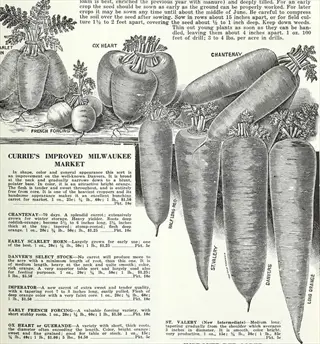
- Length: Danvers carrots reach 6-7 inches (15-18 cm) with a distinctive tapered shape that handles dense, clay heavy soils well.
- Flavor: Stronger carrot flavor than Nantes with excellent storage qualities that maintain taste for months when stored right.
- Soil Needs: Bred for heavy New England soils, making them the go to choice for gardeners with less than ideal clay conditions.
- Days to Harvest: Matures in 70-75 days and produces reliable yields even in challenging growing conditions with compacted earth.
- Best For: Ideal for storage, cooking, and canning; strong tops make mechanical harvesting easier in larger garden plots.
- Popular Types: Danvers 126 is the classic variety developed in Danvers, Massachusetts that remains a gardener favorite today.
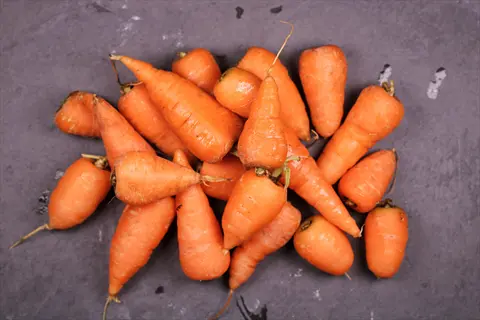
Chantenay (Short and Sturdy)
- Length: Chantenay carrots grow only 5-6 inches (13-15 cm) long but develop thick, stocky roots with broad tops.
- Flavor: Rich, sweet flavor with dense texture that holds up well in soups, stews, and roasted vegetable dishes.
- Soil Needs: Perfect for rocky or dense soils where longer varieties would fork; tolerates heavier ground than most types.
- Days to Harvest: Ready in 65-75 days with consistent performance even in less than ideal growing conditions and cooler weather.
- Best For: Excellent choice for cooking and processing; sturdy shape makes them easy to slice for your recipes.
- Popular Types: Red Cored Chantenay is available and known for consistent germination and reliable garden performance.
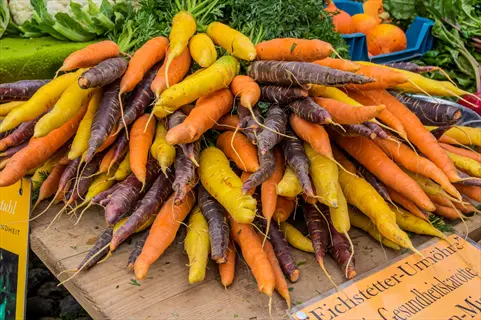
Imperator (Classic Long Carrot)
- Length: Imperator carrots grow 7-8 inches (18-20 cm) or longer, producing the classic long, tapered shape seen in grocery stores.
- Flavor: Mild, sweet flavor with crisp texture; these are the commercial standard that most people recognize as typical carrots.
- Soil Needs: Requires deep, loose, sandy soil at least 12 inches (30 cm) deep; not recommended for heavy or rocky conditions.
- Days to Harvest: Takes 70-80 days to mature and needs careful soil preparation for roots to develop their full potential length.
- Best For: Fresh eating, vegetable trays, and gardeners with ideal sandy loam soil who want picture perfect long carrots.
- Popular Types: Sugarsnax and Autumn King produce very long roots with high sugar content when conditions are right.
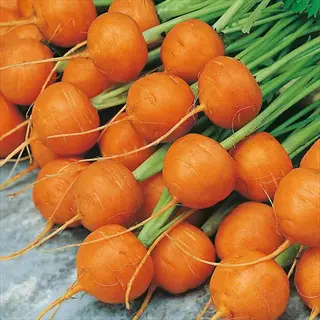
Paris Market (Container Favorite)
- Length: Paris Market carrots are round to oval, growing only 1-2 inches (2.5-5 cm) in diameter like small radishes.
- Flavor: Sweet, tender flesh with minimal core makes them perfect for eating whole as snacks or adding to your salads.
- Soil Needs: Thrives in containers, window boxes, and rocky soils where other short carrot varieties would struggle.
- Days to Harvest: Quick maturing at just 50-60 days, allowing multiple successions in a single growing season.
- Best For: Container gardening, balcony gardens, kids gardens, and anywhere soil depth is limited to under 8 inches.
- Popular Types: Parmex and Atlas are popular round varieties that perform well in containers and small space gardens.
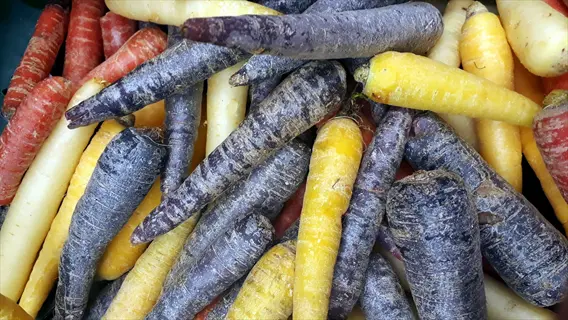
Purple and Rainbow Varieties
- Length: Purple carrots grow 6-8 inches (15-20 cm) depending on variety, with purple skin and often orange cores.
- Flavor: Spicier flavor than orange varieties with added anthocyanin antioxidants that provide the distinctive purple color.
- Soil Needs: Similar requirements to Nantes types; perform best in loose, well draining soil with consistent moisture levels.
- Days to Harvest: Mature in 70-80 days; the color develops best in cooler weather and may fade when you cook them.
- Best For: Adding visual interest to your salads and dishes; great for teaching children about different vegetable colors.
- Popular Types: Cosmic Purple, Purple Haze, and Rainbow blends offer striking colors that predate modern orange varieties.
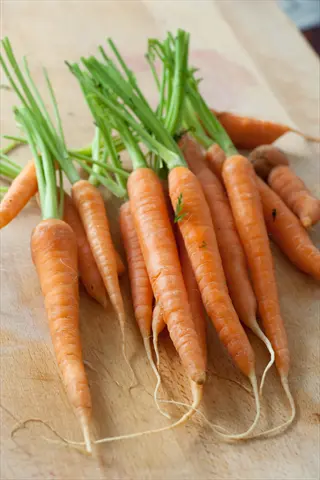
Little Finger (Baby Carrots)
- Length: Little Finger carrots grow just 3-4 inches (7.5-10 cm) long with slender, uniform roots perfect for baby carrot harvest.
- Flavor: Very sweet and tender with delicate texture; true baby carrots unlike store bought whittled down versions.
- Soil Needs: Adaptable to various soil types including containers; smaller size means less demanding soil depth requirements.
- Days to Harvest: Ready in just 55-65 days, making them excellent for succession planting and quick garden results.
- Best For: Snacking, lunch boxes, pickling whole, and gardeners who want genuine baby carrots rather than commercial imitations.
- Popular Types: Little Finger and Adelaide are reliable performers that produce uniform, sweet baby carrots in home gardens.
Orange carrots came to Europe around the 1500s, but purple and yellow types showed up first about 1,100 years ago in Central Asia. Those old colors are making a comeback in home gardens today. Short carrot varieties like Chantenay and Paris Market give you the best results if your soil stays heavy no matter what you do.
Container and Raised Bed Carrots
Growing carrots in containers or raised beds gives you full control over your soil quality. You skip the rock picking and clay breaking that come with native ground in many yards. Container carrots stay safe from many soil pests that ruin crops planted in the earth. I switched to carrots in pots after years of fighting rocky soil and now get perfect roots every time.
Your container needs at least 12 inches of depth for most carrot types to grow well. Round varieties like Paris Market work fine in pots as small as 8 inches deep if you have limited space. Carrots in raised beds give you more room to grow any variety you want since you control the entire soil profile from the start.
Small space carrots need more attention to watering since containers dry out faster than garden beds. In my experience, you should check your pots daily during hot weather and water when the top inch feels dry. The table below compares what you need for growing carrots in containers versus carrots in raised beds.
Carrot Pests and Diseases
Carrot pests and diseases can ruin your harvest if you ignore the warning signs. The carrot fly ranks as the most common pest in home gardens, leaving tunnels through your roots that make them useless. Carrot pest control starts with knowing what to look for before problems get out of hand.
I lost my entire first carrot crop to pests I did not even know existed until I pulled up ruined roots. Carrot diseases like Alternaria leaf blight can wipe out up to 90% of your crop during bad outbreaks if you let them spread. Floating row covers offer the best protection when you install them right from planting day.
The guide below covers the main carrot pests and problems you might face in your garden. Root-knot nematodes cause twisted roots while green shoulders come from sun exposure. Each problem has clear signs you can spot early and simple fixes that work.
Carrot Rust Fly
- Identification: Small metallic green flies lay eggs at soil line; larvae tunnel into roots creating rust colored trails and holes.
- Prevention: Install barriers at least 18 inches (45 cm) tall around carrot beds since flies travel low to the ground when seeking host plants.
- Organic Control: Use floating row covers from planting through harvest; companion plant with onions and leeks to mask carrot scent.
- Timing: Most active in late spring and late summer; delay spring planting or harvest before peak flight periods in your region.
Root-Knot Nematodes
- Identification: Microscopic worms cause swollen galls on roots, stunted growth, and forked or distorted carrots that look knotted.
- Prevention: Rotate crops on 3-4 year cycles; avoid planting carrots where tomatoes, peppers, or other susceptible crops grew last.
- Organic Control: Solarize soil with clear plastic during summer; plant marigolds as cover crop before carrots to reduce populations.
- Affected Areas: More common in warm climates with sandy soils; less of a problem in northern regions with cold winters that kill larvae.
Alternaria Leaf Blight
- Identification: Dark brown spots with yellow halos appear on older leaves first, then kill foliage and weaken root development.
- Severity: Can cause crop losses up to 90% during severe epidemics, making it the most destructive carrot disease in the world.
- Prevention: Space plants for good air flow; avoid overhead watering that keeps foliage wet; remove infected plant debris fast.
- Organic Control: Apply copper based fungicides at first sign of infection; choose resistant varieties when available for your growing region.
Forked and Misshapen Roots
- Causes: Rocks, compacted soil, fresh manure, or root damage from transplanting or rough thinning cause carrots to fork and split.
- Prevention: Remove all stones larger than 0.5 inches (1.3 cm); loosen soil to full planting depth; use aged compost only in your beds.
- Correction: Grow shorter varieties like Chantenay or Paris Market in problem soils rather than fighting against poor conditions.
- Note: Forked carrots are still edible and nutritious; the cosmetic issue does not affect flavor or food safety in any way.
Green Shoulders
- Identification: Carrot tops exposed to sunlight turn green and develop bitter, slightly toxic solanine compounds near the surface.
- Prevention: Hill soil around carrot tops as they develop; apply 2-3 inches (5-7.5 cm) of mulch to block light exposure.
- Correction: Cut away green portions before eating; the rest of the carrot remains safe and flavorful for your consumption.
- Cause: Occurs when carrots push up out of soil during growth or when soil erodes away from the developing root crowns.
Harvesting and Storing Carrots
Knowing when to harvest carrots makes a big difference in how they taste. Most varieties reach full size in 65 to 100 days based on days to maturity carrots info from seed packets. Check your roots by brushing away soil at the crown to see the diameter before pulling.
In my experience, waiting for a light frost before harvesting carrots in the fall gives the best flavor. Cold weather converts starches to sugars and this trick gives you sweeter roots than summer harvests. Storing carrots starts right after you pull them from the ground with proper handling.
I always cut the green tops off within an hour of harvest since leaves keep pulling moisture from the roots. Topped carrots can last 4 to 5 months at 32°F with 90 to 95% humidity in cold storage. Here are your carrot storage tips based on different methods and what you have at home.
Leave carrots in the ground under 6 to 8 inches of straw mulch if you live in a mild winter area. Dig them as needed through the cold months and they stay fresh until spring arrives. Never store your carrots next to apples or pears since the gases these fruits release make carrots bitter over time.
5 Common Myths
Carrots must be planted in rows and cannot be grown in containers or small spaces effectively.
Carrots grow exceptionally well in containers at least 12 inches (30 cm) deep, making them ideal for patio and balcony gardens.
Carrot seeds need to be soaked overnight before planting to ensure proper germination in your garden.
Soaking is optional and can actually cause seeds to clump together, making spacing difficult; consistent surface moisture matters more.
Orange carrots are the original variety and have been grown for thousands of years worldwide.
Yellow and purple carrots appeared first around 900 CE in Central Asia, with orange carrots emerging in Europe around the 1500s.
Watering carrots every day is necessary to keep the soil moist and produce sweet, tender roots.
Daily watering can cause shallow roots and disease; one inch (2.5 cm) of water weekly with deep soaking is more effective.
Carrots are heavy feeders that require frequent fertilizer applications throughout the growing season.
Carrots are light feeders that need minimal fertilizer; excess nitrogen causes forked and hairy roots rather than sweet, straight ones.
Conclusion
Growing carrots comes down to a few key habits that lead to vegetable gardening success. You need loose, rock free soil that roots can push through without forking. Patient watering during the long germination period keeps seeds alive until they sprout. Choosing the right variety for your conditions makes the whole process smoother.
Homegrown carrots give you fresher and more nutritious produce than anything from the store shelf. Modern varieties pack about 45% more nutrients than those grown 50 years ago. Your carrot harvest will taste better because you pick roots at peak ripeness instead of days or weeks before eating.
In my experience, beginner carrot gardening works best with Nantes or Chantenay types that handle rough soil. Once you master the basics, try longer Imperator types that need deeper beds. Each season teaches you what works best in your own garden.
Start with a small 10 foot row to learn the process before you scale up your patch next year. One linear foot gives you about 1 pound of carrots. Growing carrots takes patience but the rewards of that first perfect homegrown root make the wait worth every day.
External Sources
Frequently Asked Questions
What matters most for successful carrot cultivation?
The key to successful carrot cultivation is loose, rock-free soil that allows roots to grow straight and deep without obstruction.
What is the best time to plant carrots?
The ideal time to plant carrots is:
- 2-3 weeks before your last spring frost for spring harvest
- 8-10 weeks before your first fall frost for fall harvest
- When soil temperature reaches 55-65 degrees Fahrenheit (13-18 degrees Celsius)
Is it possible to regrow carrots from kitchen scraps?
You cannot regrow carrot roots from scraps, but carrot tops placed in water will produce green foliage that is edible in salads.
What plants harm carrot growth?
Plants that harm carrot growth include:
- Dill (attracts carrot flies once mature)
- Parsnips (compete for nutrients and attract similar pests)
- Celery (susceptible to same diseases)
- Fennel (inhibits growth of most vegetables)
Do carrots require full sunlight?
Carrots prefer 6-8 hours of direct sunlight daily but tolerate partial shade with 4-6 hours, though this may slow growth.
What causes carrots to fail to thrive?
Carrots commonly fail due to:
- Compacted or rocky soil causing forked roots
- Inconsistent watering during germination
- Overcrowding from lack of thinning
- Soil temperatures too high above 75 degrees Fahrenheit (24 degrees Celsius)
How many carrots can grow from one seed?
Each carrot seed produces exactly one carrot root, making proper spacing and thinning essential for a good harvest.
How long before carrots are ready to harvest?
Carrots are ready to harvest in 65-100 days depending on variety, with baby carrots ready in 50-60 days.
Which nutrients do carrots need?
Carrots need:
- Moderate nitrogen (too much causes hairy roots)
- Phosphorus for root development
- Potassium for overall plant health
- Soil pH between 6.0 and 7.0
Do carrots grow as perennial plants?
Carrots are biennial plants that complete their life cycle in two years, producing roots the first year and flowers and seeds the second year.