
Plant susceptibility to disease goes up when stress drains your plants of their energy. Healthy plants fight off many bugs that sick ones cannot resist. The disease triangle shows that infection needs a pathogen, good conditions, and a weak host to take hold in your garden.
I watched this play out in my tomato patch during a hot, dry summer a few years back. The plants I forgot to water caught early blight within a week of the dry spell. Their neighbors just ten feet away stayed healthy because I kept them watered. Same bug, same weather, but stress made all the gap.
Plant stress and disease connect through your plant's defense system. Fighting off bugs takes energy that stressed plants don't have to spare for defense. They use all their power just trying to survive the heat, drought, or bad soil. This leaves nothing left to mount a fight when disease arrives.
Water stress tops the list of factors that explain why plants get sick in your garden. Both too much and too little water weakens your roots and leaves over time. Drought shuts down normal growth and defense systems at once. Too much water rots roots and opens wounds for bugs to enter your plants.
Lack of nutrients creates plant disease vulnerability too in your beds. Plants missing key nutrients can't build strong cell walls or defense bits. Low nitrogen shows up as weak, yellow growth that bugs attack first. Too much nitrogen creates soft, lush tissue that fungi and bacteria love to attack.
Hot and cold stress hits your plants hard even before disease arrives in the garden. Frost damages cells and creates entry points for bugs to get in. Heat waves shut down growth and defense systems at the same time. Quick swings stress your plants more than steady hot or cold spells do.
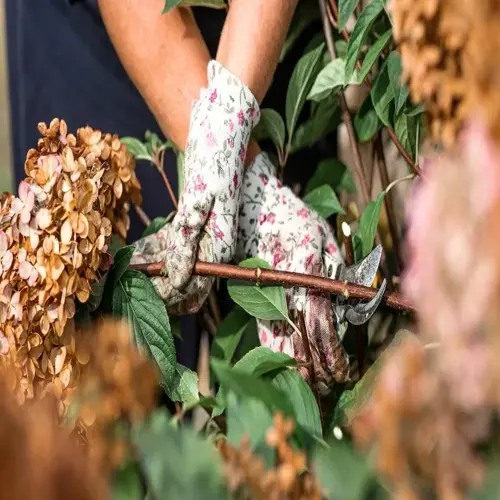
Cuts and wounds open the door for many infections in your garden plants. Hail, wind, and rough handling create wounds where bacteria and fungi enter easily. Insect feeding punches holes that bugs use as entry points too. Even normal pruning cuts invite infection if you do them in wet weather.
Some plants carry genes that make them more prone to certain diseases from birth. Old tomato types often lack the shields bred into newer ones over time. Picking disease-proof types stacks the odds in your favor before you even plant. Check your seed lists for codes that show what each type can resist.
Keep your plants strong to lower their risk of getting sick this growing season. Water on a steady schedule so your roots never dry out or drown in the beds. Feed with balanced plant food to meet their needs without going too far. Protect tender transplants from hot and cold swings until they settle in.
I now pick tough types first when planning my garden each year in the spring. Steady watering and proper feeding keep my plants too strong for most bugs to attack. These basic care steps prevent more disease than any spray you could buy at the garden center near you.
Read the full article: How to Identify Plant Diseases Like a Pro