
Bacterial ooze on plants looks like a slimy, wet substance seeping from infected tissue. The ooze ranges from clear to milky white to amber depending on the disease and plant involved. You might see small droplets on stems, larger pools on cut surfaces, or sticky streaks running down branches.
I first found bacterial ooze on a pepper plant in my garden a few years back. The stem had a dark, water-soaked spot that oozed when I pressed on it. The texture felt slimy rather than dry like fungal growth. A faint sour smell confirmed what I suspected about the cause.
These bacterial infection signs appear when bacteria multiply fast inside plant tissue. The populations grow so large that they burst through cell walls and spill out. This ooze contains millions of bacteria ready to spread to your other plants through rain splash, tools, or insect feeding.
Fire blight creates one of the most dramatic displays of bacterial ooze. Infected apple and pear branches produce amber droplets that dry to a shiny crust on bark. The droplets form during warm, humid weather when bacteria are most active. Insects visit these sweet spots and carry bacteria to healthy blossoms nearby.
Bacterial canker on stone fruits shows similar signs on peach, cherry, and plum trees. You'll see gummy ooze from cracks in bark where infections took hold. The ooze may mix with sap and look like a running wound on the trunk or main branches of your tree.
Soft rot in vegetables creates its own distinct form of bacterial plant disease symptoms. Potatoes, onions, and lettuce turn to mushy, smelly mush as bacteria break down tissue. Press on infected areas and watery ooze flows out. The smell alone often tells you bacteria rather than fungus caused the problem.
Check your plants for ooze in the early morning hours when humidity stays high. The exudate dries out as the day warms up and becomes harder to spot. Bring a hand lens if you have one since some ooze appears as tiny droplets you might miss with bare eyes on stems and leaf edges.
Identifying bacterial disease gets easier once you know what to look for on your plants. Fungal infections create fuzzy or powdery growth on surfaces. Bacterial problems produce wet, slimy tissue and ooze instead. This quick test helps you pick the right treatment approach before wasting money on sprays that won't work.
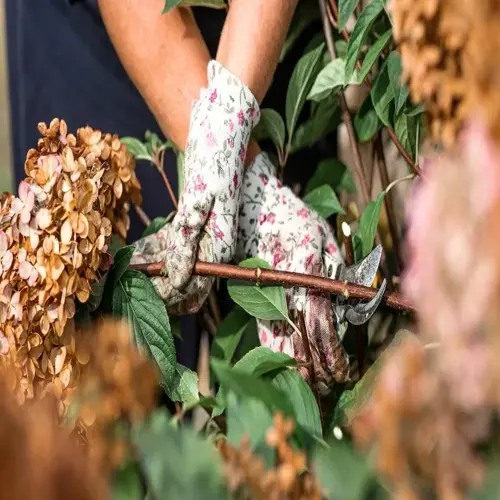
When you find ooze on your plants, prune out infected parts right away. Cut at least 8 inches below visible symptoms into healthy wood. Clean your pruners with bleach between each cut to avoid spreading bacteria. Bag all infected material and trash it rather than leaving it near your garden beds.
I now look for ooze on my weekly garden walks every morning. Catching bacterial problems early means less spread and smaller pruning cuts. Watch your fruit trees, peppers, tomatoes, and leafy greens since these crops suffer most from ooze-producing bacteria in home garden settings.
Read the full article: How to Identify Plant Diseases Like a Pro