
Yes, you should remove powdery mildew leaves but only up to a point. Take off the worst ones and keep at least two-thirds of your plant's foliage intact. Your plant needs those remaining leaves to make food and bounce back from the infection.
I learned this balance the hard way on my squash plants last summer. I got aggressive and cut off every leaf with white spots on it. The plant couldn't recover because it had too few leaves left to produce energy. My neighbor took a lighter approach and her plants made it through just fine.
When pruning infected plants you want to reduce the number of spores without killing the host. Each infected leaf pumps out thousands of spores that float to healthy tissue nearby. Taking those leaves away cuts down the spread. But your plant still needs leaves to survive through the growing season.
Start by cutting diseased leaves that show heavy white coating over more than half their surface. Leave the ones with just a few spots alone for now. Focus on the oldest and lowest leaves first since these usually carry the worst infections in most garden plants.
Use clean sharp pruners or scissors for every cut you make on your plants. Wipe your blades with rubbing alcohol between plants to stop the spread. Dirty tools carry spores from sick plants to healthy ones faster than wind ever could in your garden beds.
Proper infected leaf disposal matters more than most gardeners realize. Don't drop clippings on the ground near your plants where spores can spread. Don't toss them in your compost bin either since home piles rarely get hot enough to kill fungal spores.
Put all infected material in a sealed plastic bag and throw it in your regular trash instead. This gets the spores away from your garden for good. I keep a bag tied to my belt loop while pruning so I can drop leaves in right away without touching other plants.
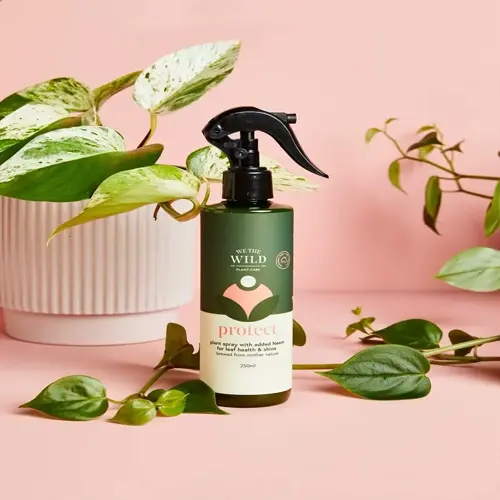
Sometimes treatment works better than removal for your plants. Light infections respond well to sprays like neem oil or baking soda solutions. Try treating first if you see only a few spots here and there on your plants. Save the scissors for leaves that look more white than green.
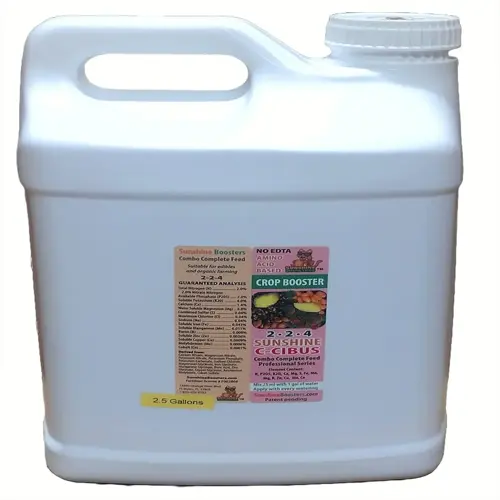
Watch your plant in the days after you prune away infected leaves. New spots that show up tell you the fungus is still spreading through your garden. Follow up with a fungicide spray to protect the leaves you left behind from getting sick too.
The best approach mixes selective removal with active treatment for your plants. Cut the worst leaves to drop spore counts down fast. Then spray to protect what remains and stop new infections from taking hold. This two-step method gives you the best shot at saving your plants.
Read the full article: Powdery Mildew Treatment That Works