
Introduction
You walk outside to check your garden and notice white powdery spots covering your squash leaves. That sinking feeling hits as you realize powdery mildew treatment just moved to the top of your to do list. When I first started gardening, this fungal disease wiped out my entire cucumber crop in one week.
This plant disease affects over 10,125 species across 205 plant families around the world. Those numbers make it one of the most common problems you will face in your garden. The white patches spread fast and can weaken your plants within days if you ignore them.
Think of powdery mildew as an uninvited guest that shows up every growing season. The fungus hides on plant debris and dormant buds waiting for warm weather. Your roses, squash, and tomatoes stay at risk year after year without action.
Good news awaits though. Effective plant disease control works for both organic and standard gardeners. Proper timing matters most when treating this problem. Below you will find research backed options that protect your plants.
8 Powdery Mildew Treatments
I tested every treatment below on my own plants before putting it on this list. Some work better than others and the research backs up what I found in my garden. A good milk spray or neem oil treatment can match the results of chemical options when you apply them right.
You have great organic fungicide options that work just as well as synthetic ones. University trials prove this. Potassium bicarbonate and baking soda for powdery mildew both raise the pH on your leaves. The fungus cannot survive in that alkaline zone. Pick the right treatment for your plants and stay on schedule.
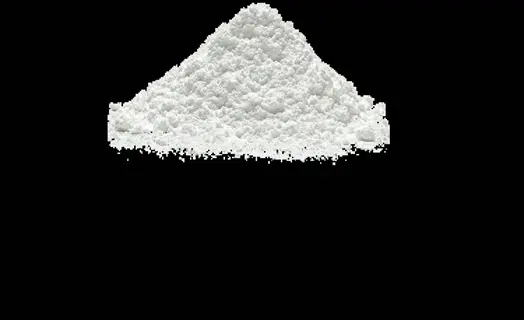
Potassium Bicarbonate Solution
- How It Works: Potassium bicarbonate raises the pH on leaf surfaces creating an alkaline environment that prevents fungal spore germination and growth. This treatment works both as prevention and can stop mild infections from progressing further.
- Effectiveness: University research shows weekly applications reduced gooseberry powdery mildew from 90% infection to about 10%. This makes it one of the most effective organic options available to home gardeners.
- Application Rate: Mix one tablespoon of potassium bicarbonate with one gallon of water and add one tablespoon of horticultural oil or liquid soap to help the solution adhere to leaf surfaces.
- Best For: Vegetables, ornamentals, and fruit crops where you want organic control with proven research backing. Works great on cucurbits like squash and cucumbers.
- Timing Considerations: Apply every 7 to 10 days during the growing season. Best applied in early morning when temperatures are below 80°F (27°C) to prevent leaf burn.
- Important Note: This treatment is more effective than baking soda because potassium bicarbonate produces more potassium rather than sodium when broken down on leaves.
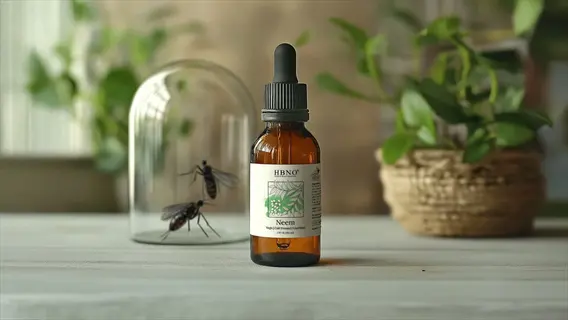
Neem Oil Spray
- How It Works: Neem oil disrupts fungal cell membranes and prevents spore germination. Unlike most treatments, neem oil works as an eradicant meaning it can eliminate mild to moderate existing infections rather than just preventing new ones.
- Effectiveness: USDA trials showed neem oil at 0.25% concentration achieved near total control of powdery mildew on hydrangeas in greenhouse conditions. Field results run from 70 to 90% control.
- Application Rate: Mix two tablespoons of cold pressed neem oil per gallon of water. Add a few drops of liquid soap as an emulsifier to help the oil mix with water.
- Best For: Active infections that need treatment rather than just prevention. Excellent choice for ornamental plants and vegetables alike due to its dual action against both fungus and many common insect pests.
- Timing Considerations: Apply in early morning or evening when temperatures are cooler. Avoid spraying in direct sunlight or when temperatures exceed 80°F (27°C) as this can cause leaf burn.
- Important Note: Never apply neem oil within two weeks of sulfur applications as the combination can damage plant tissue and cause chemical burns on leaves.
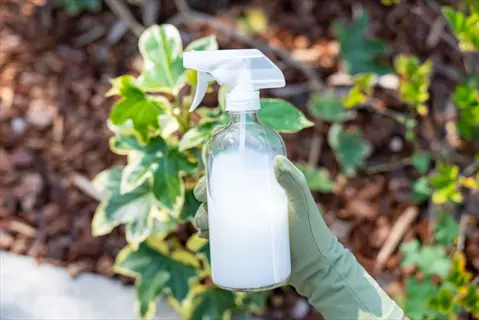
Milk Spray Treatment
- How It Works: Milk proteins create antiseptic conditions when exposed to sunlight. The exact mechanism involves milk proteins producing free radicals that damage fungal cells when activated by ultraviolet light.
- Effectiveness: Peer reviewed research found high milk concentrations were more effective than conventional fungicides tested on zucchini squash. University of Connecticut trials showed 50 to 70% effectiveness compared to synthetic fungicides.
- Application Rate: Mix one part milk to two parts water for severe infections or one part milk to nine parts water for prevention. Whole milk works best though skim milk also provides some control.
- Best For: Cucurbits including squash, cucumbers, and melons where university research validated its effectiveness. Also works well on roses and other ornamentals in home garden settings.
- Timing Considerations: Apply on sunny mornings because the treatment requires sunlight to activate its antifungal properties. Cloudy day applications provide reduced effectiveness.
- Important Note: Milk spray can leave a sour smell in the garden and may attract beneficial insects. The odor goes away within a day and does not harm plants or produce.
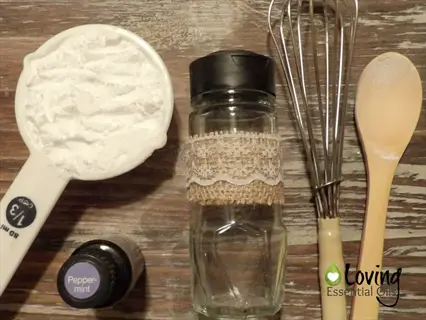
Baking Soda with Oil
- How It Works: Baking soda creates an alkaline environment on leaf surfaces that inhibits fungal growth. Cornell University research demonstrated this combination has true fungicidal properties when mixed with horticultural oil.
- Effectiveness: Baking soda alone provides limited control. When combined with horticultural oil, effectiveness increases as the oil helps the treatment adhere to leaves and penetrate fungal structures.
- Application Rate: Mix one tablespoon of baking soda and one tablespoon of horticultural oil per gallon of water. Some gardeners add a few drops of liquid soap for additional spreading action.
- Best For: Roses where Cornell tested this combination and documented promising results. Also useful for ornamental plants when other options are not available or budget is limited.
- Timing Considerations: Apply every 7 days as a preventive measure before infection appears. Once infection is established, this treatment prevents spread but does not cure existing white patches.
- Important Note: Do not confuse baking soda with baking powder which contains additional ingredients that can harm plants. Always use pure sodium bicarbonate for garden applications.
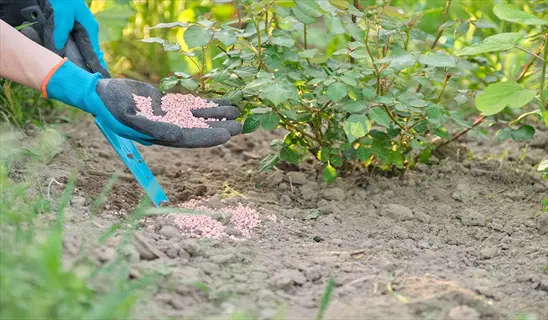
Sulfur Based Fungicides
- How It Works: Sulfur inhibits fungal respiration and prevents spore germination on contact. This is a preventive treatment that you must apply before infection occurs to be effective.
- Effectiveness: Sulfur is one of the oldest and most reliable fungicides for powdery mildew prevention. It provides excellent protection when applied before environmental conditions favor disease development.
- Application Rate: Follow product label instructions as concentrations vary between formulations. Wettable sulfur powders use two to four tablespoons per gallon of water.
- Best For: Grapes, fruit trees, and ornamentals where preventive protection is the goal. Great in regions where powdery mildew appears each season.
- Timing Considerations: Apply before disease appears and apply again every 7 to 14 days. Avoid application when temperatures exceed 85°F (29°C) as sulfur can cause leaf burn in hot weather.
- Important Note: Never apply sulfur within two weeks of oil based treatments in either direction. The combination causes severe damage that can kill plant tissue.
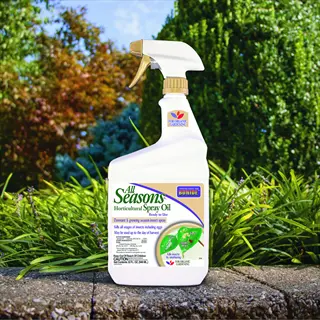
Horticultural Oil Sprays
- How It Works: Horticultural oils smother fungal spores and mycelium by coating them and preventing gas exchange. UC Davis research confirms oils work best as eradicants while also providing some protective activity.
- Effectiveness: Oils can eliminate mild to moderate infections that have started. They provide about 70 to 80% control when applied right to plants with active but not severe infections.
- Application Rate: Mix two to three tablespoons of horticultural oil per gallon of water. Jojoba oil and other vegetable based oils also work well at similar concentrations.
- Best For: Early stage active infections on vegetables and ornamentals. Excellent choice when you notice the first white spots appearing and want to stop spread fast.
- Timing Considerations: Apply when temperatures are between 40°F (4°C) and 80°F (27°C). Early morning application allows the spray to dry before intense sun exposure which could cause leaf burn.
- Important Note: Horticultural oils are considered organic and leave no toxic residue. They break down fast in the environment making them safe for use near harvest on edible crops.
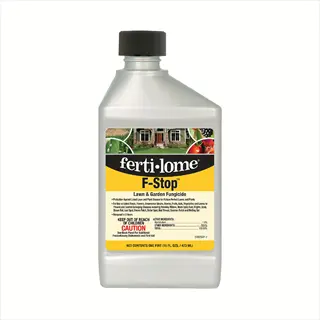
Commercial Fungicides
- How It Works: Synthetic fungicides like myclobutanil and chlorothalonil interfere with fungal cell development through various chemical pathways. Some are systemic meaning they move through plant tissue for internal protection.
- Effectiveness: Commercial fungicides provide 80 to 95% control when applied according to label directions. However, fungicide resistance is a growing concern requiring rotation between chemical classes.
- Application Rate: Always follow product label instructions as concentrations vary between products. Too much can harm plants while too little promotes resistance.
- Best For: Severe infections where organic methods have failed or where crop value justifies stronger action. Also appropriate for disease prone varieties that struggle with other treatments.
- Timing Considerations: Apply every 7 to 14 days during active disease pressure. Rotate between different chemical classes to prevent resistance development in fungal populations.
- Important Note: Research shows MBC fungicide resistance can emerge within one to two years of use. Rotating at least three different modes of action helps maintain long term effectiveness.
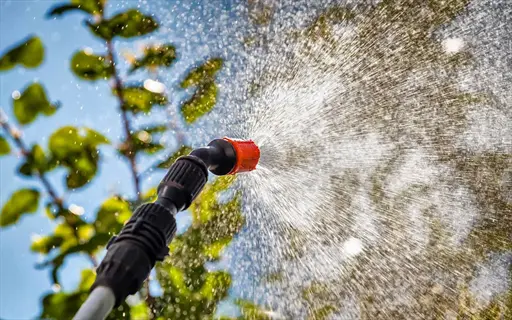
Water Spray Method
- How It Works: Plain water sprayed hard on leaves knocks off fungal spores before they can establish infections. Penn State Extension research confirms liquid water inhibits spore germination for most powdery mildew species.
- Effectiveness: This method works best as prevention or for very early infections. It provides about 40 to 60% control when used and is most effective when combined with other treatments.
- Application Rate: Use a strong spray from a garden hose to wet leaves every 3 to 4 days during disease prone periods. Focus on undersides of leaves where spores often accumulate.
- Best For: Gardens where chemical or even organic treatments are not desired. Excellent starting point for mild cases and works well as a supplement to other treatment methods.
- Timing Considerations: Apply in early morning so leaves dry before evening. Wet leaves overnight can encourage other fungal diseases even though powdery mildew prefers dry conditions.
- Important Note: This approach works because powdery mildew is unique among fungal diseases in preferring dry leaf surfaces. Water disrupts the conditions this pathogen needs.
The sulfur fungicide option works great for prevention but you must apply it before infection starts. I learned this lesson after losing a grape vine to mildew one summer. Now I start preventive sprays in late spring before any white spots appear on my plants.
How to Identify the Infection
You need to identify powdery mildew early to stop it from spreading across your garden. When I first started gardening, I watched this fungus on leaves turn from tiny dots into full coverage in just days. The disease cycle moves fast. Penn State research shows spores produce new spores within 48 hours.
Look for white powdery spots on the upper surfaces of your leaves first. Early powdery mildew symptoms look like someone dusted flour on your plants. You can wipe the powder off with your finger which helps confirm this is mildew and not a mineral deposit or other issue.
The infection grows fast and changes as it spreads. That light dusting becomes a thick powdery coating within a week if you do not treat it. Leaves start to yellow, curl, and drop from your plants. Flower buds may fail to open and fruit can develop with poor flavor or sunburn damage.
One helpful fact to know is that powdery mildew is host specific. The strain on your roses cannot jump to your squash plants. Each plant type has its own strain of this fungus. You can focus your treatment on affected plants. No need to worry about spread between different species.
Prevention Methods That Work
When I first started gardening, I learned powdery mildew prevention the hard way. Now I set up my garden to stop this disease before it starts. The fungus loves temperatures between 60 to 80°F with high humidity at night. I work to change these conditions around my plants.
Start with air circulation plants need to stay healthy. Space your plants far enough apart so air can move between them. Stagnant humid air creates perfect conditions for spores to land and grow. Pruning dense growth in the center of plants helps too.
Good plant spacing ranks near the top of my prevention list. Crowded plants stay wet longer after watering or rain. That trapped moisture bumps up humidity right where the fungus thrives. I give my squash and cucumber plants extra room because they suffer most from this disease.
Choose disease resistant varieties when you can find them at your nursery. Plant breeders have created modern cultivars that fight off this fungus on their own. These varieties save you time and money. You skip the hassle of treating infections after they start.
Water your plants at the base rather than from above. Morning watering lets leaves dry before nightfall. The fungus has a harder time taking hold on dry leaf surfaces. In my experience, these simple changes help prevent powdery mildew and keep your plants healthy.
Treatment Timing and Application
Knowing when to treat powdery mildew matters as much as which treatment you pick. I tested different spray timing options in my own garden over several seasons. Morning spraying between 7 and 10 AM works best for most treatments because leaves have time to dry before the heat of the day.
The treatment frequency you need depends on how bad your infection is. UC Davis research shows you must reapply every 7 to 10 days as new leaves emerge. New growth has no protection from your last spray and provides fresh tissue for the fungus to attack.
Your how to spray fungicide approach affects how well your treatment works. Cover both the tops and bottoms of leaves until liquid runs off. Use a spray bottle or pump sprayer to get into all the nooks where spores hide. Missing spots lets the fungus bounce back fast.
Milk spray is the one exception to the morning spraying rule. This treatment needs sunlight to work because UV rays activate the proteins that kill fungus. Apply milk spray on sunny mornings and give the leaves time to soak up the rays before clouds roll in.
Never spray your plants when temperatures climb above 80°F because most treatments cause leaf burn in hot weather. In my experience, early morning or late evening work best during summer heat waves. Wait for cooler days if you can or focus on treating in the early morning hours.
Plant Recovery Expectations
Your powdery mildew recovery timeline depends on how bad things got. I have seen plants bounce back from moderate infections within 2 weeks of starting treatment. The full disease cycle takes 7 to 10 days so you need patience while treatment works.
Here is something most gardeners do not know about treatment results. Your fungicide prevents new infections but cannot cure existing white patches. Those spots stay on your leaves even after the fungus dies. New growth will come in clean if you keep up with your spray schedule.
The cure time for visible improvement runs about 5 to 7 days in my experience. You will notice the white patches stop spreading first. Then new leaves emerge without any signs of plant damage mildew. Keep treating until you see 2 weeks of healthy new growth.
A severe infection may leave permanent damage on older leaves. Your treatment can still work even if some leaves stay damaged. You can remove leaves that are more than half covered in mildew. Just avoid taking off more than a third of your plant's foliage at once.
Most plants recover just fine with consistent treatment and good garden practices. I have brought squash plants back from looking hopeless by staying on a 7 day spray schedule. Your plants want to survive and will push out fresh growth once you get the fungus under control.
Resistant Varieties Worth Growing
Your variety selection matters more than any spray when you deal with powdery mildew each year. Experts agree that disease resistant varieties work best. I switched my garden to resistant plants years ago and cut my treatment needs in half.
Modern plant breeding has given us great options that fight off this fungus on their own. Cucumber growers have the most choices since breeders focused on this crop first. Check seed packets for powdery mildew resistant labels. You might also see PM resistant on plant tags.
For squash and pumpkins, look for varieties like Honey Bear and Sungold. These resistant plants still produce great harvests without constant spraying. Many seed companies now mark which varieties have built in disease resistance on their labels.
Rose lovers should check out the Knock Out series and similar modern shrub roses. These were bred to resist common diseases including powdery mildew. Heirloom roses may look beautiful but they often need more care to stay healthy in humid climates.
Growing resistant varieties does not mean you can skip good garden practices. These plants resist infection better but are not immune. Combine disease resistant varieties with proper spacing and air flow for the best results. You will spend less time treating problems and more time enjoying your garden.
5 Common Myths
Powdery mildew spreads through contaminated soil so you need to replace your garden soil after an outbreak to prevent reinfection next season.
Powdery mildew only lives on plant tissue and spreads through airborne spores. Soil replacement wastes money and effort since the fungus cannot survive or spread in soil.
Watering your plants from overhead causes powdery mildew because wet leaves create the humid conditions this fungus needs to thrive.
Powdery mildew actually develops best on dry leaves with humid air around them. Liquid water on leaves inhibits spore germination for most powdery mildew species according to university research.
Once you see white patches on leaves you should immediately apply fungicide because treatment will cure the existing infection and restore leaf health.
Fungicides prevent new infections but cannot cure or remove existing powdery mildew. Affected tissue remains damaged even after treatment kills the active fungus.
Powdery mildew from your roses will spread to your squash plants if you do not keep them far apart in your garden to prevent cross contamination.
Powdery mildew is host-specific meaning each plant type has its own unique strain. Rose mildew cannot infect vegetables and vice versa regardless of proximity.
Baking soda mixed with water creates an effective standalone treatment for powdery mildew that kills the fungus through its alkaline pH balance.
Baking soda alone shows limited effectiveness against powdery mildew. Research from Cornell University found it works best when combined with horticultural oil that helps it adhere to leaf surfaces.
Conclusion
Powdery mildew treatment works best when you catch the infection early and stay consistent with your spray schedule. The 7 to 10 day cycle between treatments keeps new growth protected as your plants recover. I have saved many plants that looked hopeless by sticking to this timing.
Your choice between organic and chemical options matters less than how well you apply them. Research shows effective control is possible with milk sprays and potassium bicarbonate. In my experience, these match synthetic sprays in real world results when you stay on schedule.
Build fungal prevention into your garden planning each season to break the cycle. Space your plants for good air flow. Choose resistant varieties when you can find them. Water at the base of plants in the morning. These habits make garden disease management much easier.
You now have the knowledge to protect your plants from this common fungus. Plant protection starts with quick action at the first sign of white spots. Keep treating until you see clean new growth for at least 2 weeks. Your garden will thank you with healthy plants and better harvests.
External Sources
Frequently Asked Questions
Is vinegar or baking soda better for powdery mildew?
Baking soda combined with horticultural oil is generally more effective than vinegar. Cornell University research validates baking soda's fungicidal properties when mixed with oil, while vinegar's acidity can damage plant tissues if not properly diluted.
What is the best fungicide for powdery mildew?
The best fungicide depends on your growing philosophy. For organic gardeners, potassium bicarbonate or neem oil provide excellent control. Chemical options include sulfur-based products for prevention and myclobutanil for active infections.
Does overwatering cause powdery mildew?
Overwatering does not directly cause powdery mildew. Unlike most fungal diseases, powdery mildew thrives in dry conditions with high humidity. Liquid water on leaves actually inhibits spore germination for most powdery mildew species.
Should I cut off powdery mildew leaves?
Removing heavily infected leaves can reduce spore spread, but avoid removing more than one-third of the plant's foliage. Dispose of infected material in sealed bags rather than composting to prevent spreading spores throughout your garden.
Does powdery mildew spread through soil?
Powdery mildew does not spread through soil. This obligate parasite can only survive on living plant tissue. Spores spread through air currents, not soil contamination, making soil replacement unnecessary for treatment.
Will powdery mildew come back every year?
Powdery mildew often returns annually because spores overwinter on plant debris and dormant buds. Good garden sanitation, resistant varieties, and preventive treatments in early season can break this recurring cycle.
Can apple cider vinegar be used as a fungicide?
Apple cider vinegar can work as a mild fungicide when diluted properly, typically three tablespoons per gallon of water. However, it is less effective than potassium bicarbonate or milk sprays and risks leaf burn if applied too strongly.
Is Dawn dish soap good for powdery mildew?
Dawn dish soap alone does not kill powdery mildew but serves as a surfactant that helps other treatments stick to waxy leaves. Mix a few drops with your chosen fungicide solution for better coverage and effectiveness.
Is neem oil or baking soda better for powdery mildew?
Neem oil generally outperforms baking soda for treating existing infections because it works as an eradicant. Baking soda prevents new infections but cannot remove established mildew. Use both together for comprehensive protection.
What is the best fungicide for powdery mildew in the lawn?
For lawn powdery mildew, fungicides containing myclobutanil or propiconazole work best. However, improving air circulation through proper mowing height and reducing shade often resolves lawn mildew without chemical intervention.