
Introduction
You want your garden to thrive without dumping chemicals into the soil. Fish emulsion fertilizer turns fishing waste into real plant nutrition for your beds. This organic fertilizer keeps your garden healthy and your conscience clear.
Native Americans buried fish scraps beneath corn plants long ago. Modern science now backs up what those farmers knew. A Zhejiang University study tested the effects on soil. The results showed soil enzyme activity jumped by 196% over untreated ground.
When I first tried fish fertilizer about 8 years ago, my tomato plants had been failing me every season. In my experience, the boost in soil health surprised me more than the plant nutrition gains did. My once dead clay now has earthworms crawling through it. The ground holds water much better than before too.
This guide covers what you need to know about using fish fertilizer in your own garden. You will learn how it feeds your plants and the tiny soil organisms that make nutrients available to roots. Both benefits work together to give you stronger plants and better harvests.
Benefits of Fish Emulsion
The fish emulsion benefits go far beyond simple plant feeding. Think of it like probiotics for your soil. Just as good bacteria help your gut work better, fish proteins feed soil microorganisms that keep your garden thriving underground.
Abbasi and team tested fish fertilizer on seedlings and saw strong results. Plants showed 70 to 80% disease suppression against damping off. They also grew 2 to 3 times larger. The boost came from microbial activity, not plant nutrition alone.
In my experience, I see fewer sick seedlings now in my own beds. This organic soil amendment feeds the soil food web more each season. Here are the main benefits you can expect from fish fertilizer.
Balanced Nutrient Profile
- NPK Ratio: Fish emulsion provides nitrogen, phosphorus, and potassium in ratios from 2-4-1 to 5-1-1, offering gentle feeding that rarely burns plants.
- Micronutrients: Beyond the primary nutrients, fish emulsion supplies calcium, magnesium, sulfur, chlorine, and sodium that support complete plant health.
- Slow Release: The organic nature means nutrients release as soil microbes break down the proteins and oils over time.
Soil Microbial Activity Boost
- Enzyme Activation: Research shows phosphatase activity increases by 127%, urease by 190%, and protease by 196% after fish fertilizer application.
- Microbial Biomass: Soil microbial biomass carbon increases 39 to 474% depending on application rate, creating a thriving underground ecosystem.
- Food Web Support: Fish proteins feed beneficial bacteria and fungi that improve nutrient cycling and soil structure over time.
Disease Suppression Properties
- Damping-Off Control: Studies show fish emulsion at 4% concentration suppresses 70 to 80% of seedling damping off caused by Rhizoctonia and Pythium.
- Mechanism: Disease suppression occurs through enhanced microbial competition, not improved plant nutrition, as chemical fertilizers showed no protective effect.
- Verticillium Reduction: Research indicates 0.5 to 1% fish emulsion in infested soil reduces Verticillium wilt incidence and severity.
Organic Certification Approved
- USDA Listed: Fish emulsion has been approved for organic use under USDA regulations since April 2001, with over 154 commercial products carrying OMRI certification.
- Sustainable Sourcing: Most fish emulsion comes from fishing industry byproducts like menhaden and anchovies, turning waste away from landfills.
- Safe Application: Unlike synthetic fertilizers, fish emulsion poses minimal risk of groundwater contamination or soil salt buildup.
Fish Emulsion vs Fish Hydrolysate
Many ask about fish emulsion vs hydrolysate. Think of emulsion like pasteurized milk. Heat makes it last longer but takes out some nutrients. Fish hydrolysate is more like raw milk. Cold processing keeps more of the good stuff but it won't last as long.
When I first tried cold-processed fish fertilizer, I tested both types side by side. The hydrolysate plants showed darker leaves and stronger stems by midsummer. But the cost was nearly double what I paid for regular emulsion.
Fish meal fertilizer is a third option that works a bit slower. It needs time to break down in the soil first. The table below shows how emulsion and hydrolysate stack up on key features.
How to Use Fish Emulsion
Learning how to use fish emulsion is simple once you know the basics. The process breaks down into 3 steps: dilute, apply, and repeat. Getting the fish emulsion dilution ratio right matters most since too strong a mix can burn young plants.
You can apply fish fertilizer as a soil drench or a foliar spray. A soil drench puts nutrients right at the roots where plants need them most. A foliar spray coats the leaves and lets plants absorb nutrients through their stomata for faster uptake.
In my experience, the fish emulsion application rate changes based on plant age. I use weaker mixes on seedlings and stronger ones on mature plants. The table below shows the rates that work best for each growth stage.
Best Plants for Fish Emulsion
Fish emulsion for vegetables works best on plants that love nitrogen. Heavy feeders like tomatoes and peppers thrive on the steady nutrient supply. Fish emulsion for seedlings gives young plants a gentle boost without burning their tender roots.
When I first started using fish fertilizer for garden beds, I saw the biggest gains in my leafy greens. The kale and spinach grew faster and looked darker. Fish emulsion for tomatoes made my plants bushier with more fruit than in past years.
Tomatoes
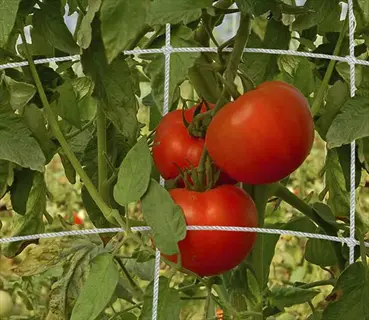
- Nitrogen Needs: Tomatoes are heavy feeders that need the steady nitrogen supply fish emulsion gives throughout the growing season.
- Application Timing: Apply fish emulsion every 2 to 3 weeks from transplanting until fruit set, then cut back to prevent too much foliage growth.
- Disease Protection: The disease fighting properties of fish emulsion help protect tomato seedlings from damping off during early growth.
- Micronutrient Support: Calcium and magnesium in fish emulsion help prevent blossom end rot and support strong cell walls in your fruits.
- Soil Building: Regular fish emulsion use builds good microbe populations that improve nutrient cycling for tomatoes in future seasons.
- Companion Benefit: Tomatoes planted in soil treated with fish emulsion show better resistance to soil based pathogens in research studies.
Leafy Greens
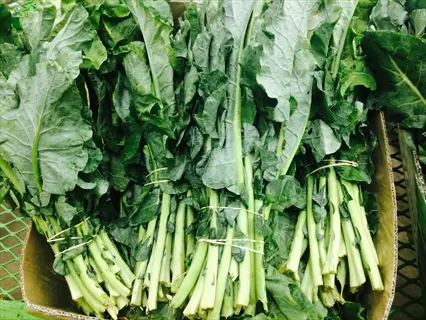
- Rapid Growth Response: Lettuce, spinach, kale, and other leafy greens respond fast to fish emulsion with darker, lusher foliage within days.
- Nitrogen Priority: Since leafy greens are harvested for their foliage, the higher nitrogen content in fish emulsion supports this growth pattern.
- Continuous Harvest: Apply fish emulsion every 2 weeks to support cut and come again harvesting methods that demand steady nutrient supply.
- Cool Season Support: Fish emulsion works well in cooler soil temps when synthetic fertilizers may release nutrients too slow for spring and fall greens.
- Flavor Enhancement: The micronutrients in fish emulsion contribute to improved flavor profiles and nutrient density in harvested greens.
- Container Growing: Leafy greens in containers get extra benefit from fish emulsion since nutrients leach fast from potting mixes.
Peppers
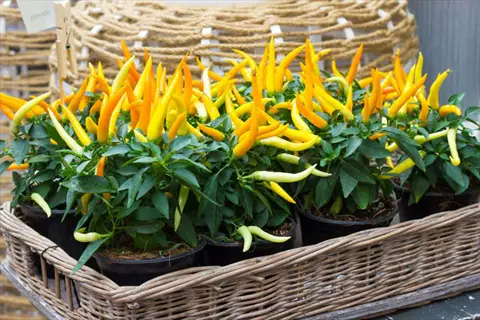
- Balanced Feeding: Peppers benefit from the moderate nitrogen levels in fish emulsion without the excess leaf growth that can delay fruiting.
- Research Findings: NC State University studies used peppers to test fish emulsion, confirming it performs well for transplant production.
- Seedling Strength: Fish emulsion produces stronger pepper transplants with better root systems when applied twice per week during the seedling stage.
- Micronutrient Package: The calcium and magnesium in fish emulsion support pepper fruit growth and help prevent blossom end rot issues.
- Soil Preparation: Applying fish emulsion to pepper beds before planting increases soil microbial activity that benefits plants all season.
- Organic Integration: Fish emulsion fits well into organic pepper production systems where synthetic fertilizers are not allowed.
Onions and Alliums
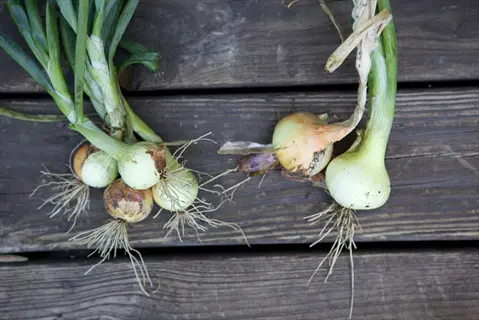
- Research Proven: The AnchoisFert study showed fish fertilizer produced 65% higher bulb weight and 133% larger bulb diameter in red onions.
- Superior Performance: In research trials, fish fertilizer beat both synthetic NPK fertilizers and manure based options for onion production.
- Nutrient Quality: Harvested onions showed 66% higher phenolic content and 75% higher flavonoid content with fish fertilizer treatment.
- Sulfur Content: The sulfur in fish emulsion supports the flavor compounds in onions, garlic, and leeks that make them so tasty.
- Timing Consideration: Reduce fish emulsion applications as onions approach maturity to encourage proper bulb curing and storage quality.
- Garlic Exception: Apply fish emulsion to garlic in fall and early spring, stopping several weeks before harvest to prevent soft necks.
Herbs
- Aromatic Enhancement: Many gardeners report that fish emulsion produces more aromatic herbs with stronger essential oil content than synthetic options.
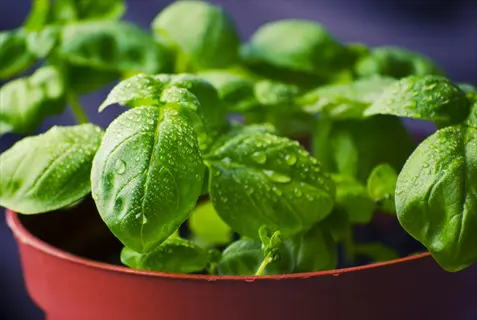
- Light Feeding Preference: Herbs like basil, parsley, and cilantro prefer the gentle, balanced nutrition that diluted fish emulsion provides.
- Mediterranean Herbs: Rosemary, thyme, and oregano benefit from occasional fish emulsion applications but should not be overfed to stay compact.
- Container Success: Potted herbs on patios and windowsills thrive with monthly fish emulsion feedings that replace nutrients lost through watering.
- Harvest Recovery: Apply fish emulsion after heavy herb harvests to support rapid regrowth and maintain plant vigor all growing season.
- Organic Certification: Fish emulsion maintains organic status for commercial herb growers seeking USDA organic certification for their products.

Flowering Plants
- Bloom Support: Annual flowers like marigolds, zinnias, and petunias produce more abundant blooms when fed fish emulsion every 3 to 4 weeks.
- Perennial Health: Established perennials benefit from spring fish emulsion applications that support healthy foliage before bloom development.
- Rose Feeding: Roses respond well to fish emulsion as part of a complete feeding program, supporting both foliage health and flower production.
- Container Flowers: Hanging baskets and container plantings require more frequent feeding with diluted fish emulsion due to limited soil volume.
- Cutting Garden: Flowers grown for cutting produce stronger stems and longer vase life when supported by regular fish emulsion applications.
- Native Plants: Native wildflowers and pollinator gardens benefit from the gentle, natural nutrition profile of fish emulsion.
DIY Fish Emulsion Recipe
Making homemade fish emulsion saves you money and puts you in control of what goes on your plants. A good fish emulsion recipe uses scraps you can get free from your local fish market. The process takes 2 to 4 weeks but gives you gallons of fertilizer for almost nothing.
Learning how to make fish emulsion is simple once you know the basics. You can try a quick blender method or go with fermented fish fertilizer for richer nutrients. In my experience, DIY fish fertilizer works just as well as the store bought versions.
The smell is the biggest challenge with any fish emulsion recipe you try at home. Set up your ferment far from your house and neighbors to keep everyone happy. Here are the methods that work best for making your own fish fertilizer.
Quick Blender Method
- Materials Needed: Gather fish scraps like heads, bones, skin, and guts, along with unsulfured molasses and a sturdy blender for this faster approach.
- Blending Process: Combine equal parts fish scraps and water in the blender, processing until smooth, then strain through cheesecloth to remove large bits.
- Molasses Addition: Add 1 tablespoon of molasses per quart of blended fish mixture to feed good bacteria and reduce the smell.
- Dilution Rate: Dilute the thick mixture at 1 part fish blend to 10 parts water before applying to plants to prevent burning.
- Storage Tips: Store in a sealed container with a loose lid to allow gas to escape, keeping it in a cool spot away from living spaces.
Traditional Fermentation Method
- Container Setup: Use a 5 gallon bucket with a lid, drilling small holes for gas release while keeping flies out of your fermenting mixture.
- Ingredient Ratios: Combine 1 part fish scraps with 3 parts water and add a carbon source like sawdust or dried leaves to balance the nitrogen.
- Fermentation Time: Allow the mixture to ferment for 2 to 4 weeks, stirring every few days to add oxygen and prevent bad bacterial growth.
- Completion Signs: The fermentation is complete when bubbling stops and the mixture develops an earthy smell rather than a rotting one.
- Straining Process: Filter the finished product through multiple layers of cheesecloth or burlap, composting the remaining solids in your pile.
Fish Hydrolysate Style
- Cold Processing: This method preserves more nutrients by avoiding heat, using natural enzymes from the fish to break down proteins over time.
- Lacto Addition: Add whey from yogurt or kefir to introduce good lactobacillus bacteria that speed the breakdown and reduce odor.
- Extended Timeline: This method takes 4 to 8 weeks to complete but produces a more nutrient dense product similar to commercial hydrolysate.
- Temperature Control: Keep the container between 60 to 80°F for best enzyme activity and fermentation results.
- Quality Indicators: Finished hydrolysate should have minimal chunks, a uniform brown color, and smell fermented rather than rotten.
Odor Management Tips
- Location Choice: Set up your fermentation station far from neighbors and outdoor living areas, in a corner of your property works best.
- Carbon Balance: Adding brown materials like sawdust or shredded cardboard absorbs excess moisture and cuts down on the fishy smell.
- Sealed Systems: Use containers with airlocks like those used in home brewing to allow gas to escape while preventing odor release.
- Burial Option: For the quickest smell free method, bury fish scraps direct in garden beds at least 12 inches deep in the soil.
- Timing Applications: Apply homemade fish fertilizer in the morning so the odor goes away before evening outdoor activities.
5 Common Myths
Soaking seeds in fish emulsion before planting dramatically improves germination rates and produces stronger seedlings compared to untreated seeds.
University research found no difference in germination rates between seeds soaked in fish emulsion, seaweed solutions, plain water, or untreated seeds for peppers and tomatoes.
Foliar spraying fish emulsion directly on plant leaves significantly increases vegetable yields compared to soil application or water sprays.
Field studies on sweet peppers showed no significant differences in yield or grade between plants sprayed with fish products versus plain water controls.
Fish emulsion works primarily as a plant nutrient, and its disease suppression effects are simply a result of healthier, better-fed plants.
Research proves fish emulsion suppresses 70-80 percent of damping-off disease through increased microbial activity, not improved nutrition, since inorganic NPK fertilizers showed no suppression.
All fish-based fertilizers are essentially the same product with minor variations, so the cheapest option will provide identical results.
Fish emulsion and fish hydrolysate differ significantly in processing, with cold-processed hydrolysate retaining more beneficial oils, proteins, and amino acids than heat-processed emulsion.
Fish emulsion is too strong and will burn plants if applied directly without dilution, requiring extreme caution during application.
Fish emulsion contains gentle, slow-release nitrogen that rarely burns plants even at higher concentrations, though dilution is recommended for cost effectiveness and even coverage.
Conclusion
Fish emulsion fertilizer feeds your plants and builds soil health for seasons to come. It fights disease and feeds good microbes. It has USDA organic approval too. Any gardener who cares about their soil should give it a try.
This organic fertilizer does more than just feed your plants. It creates a thriving ecosystem where good microbes break down nutrients and fight off disease. In my experience, the long term soil health gains matter more than the quick green up.
Start small with your first batch and watch how your plants respond. A single use on tomatoes or leafy greens will show you the results. Most gardeners see changes within 2 to 3 weeks of their first plant nutrition boost.
More growers turn to regenerative methods each year. Fish emulsion fits right into this approach. The fish waste that once went to landfills now helps grow healthier food for your table and better soil for the future.
External Sources
Frequently Asked Questions
Is fish emulsion a good fertilizer?
Yes, fish emulsion is an effective organic fertilizer that provides nitrogen, phosphorus, potassium, and micronutrients while feeding beneficial soil microbes.
How often should you fertilize with fish emulsion?
Apply fish emulsion every 2-4 weeks during the active growing season for most plants, reducing frequency for slow-growing or dormant plants.
Is fish emulsion high in nitrogen?
Fish emulsion contains moderate nitrogen levels, typically 2-5 percent, making it a gentle nitrogen source that rarely burns plants when properly diluted.
Can you overuse fish emulsion?
Yes, excessive fish emulsion can cause nitrogen toxicity, leading to lush foliage but poor fruiting, and may attract unwanted animals to your garden.
What is the difference between fish fertilizer and fish emulsion?
Fish fertilizer is a broad category including emulsions, hydrolysates, and fish meal, while fish emulsion specifically refers to heat-processed liquid fish byproducts.
Is fish fertilizer a complete fertilizer?
Fish fertilizer provides nitrogen, phosphorus, and potassium plus micronutrients, but its ratios may not suit all plants, so supplementation may be needed.
Does fish emulsion attract animals to the garden?
The strong odor of fish emulsion can attract raccoons, cats, and other animals, especially when freshly applied, though the smell fades within a day or two.
Does fish emulsion fertilizer expire or go bad?
Fish emulsion can last 1-2 years when stored properly in a cool, dark place, but expired product may lose potency and develop an even stronger odor.
Can you use fish emulsion on all plants?
Fish emulsion works well for most plants, though nitrogen-sensitive plants like carrots and beets may produce excessive foliage at the expense of root development.
Is fish emulsion safe for edible plants?
Fish emulsion is safe for edible plants and approved for organic use, though you should wash produce before eating and avoid spraying close to harvest.