
Introduction
You found strange waxy bumps on your favorite plant. Nothing you spray seems to work. Scale insects treatment trips up most gardeners because these pests hide under shells that block contact sprays.
I spent 6 years battling scale insects on everything from citrus trees to fiddle leaf figs. About 8,000 species exist worldwide. One new invasive scale shows up in the USA each year. These plant pests make up just 1% of our insects but cause 13% of all introduced pest problems.
Scale insects work like armored tanks. They only get vulnerable when they open the hatch to move. The crawler stage gives you your best shot. Young scales leave mom and wander exposed for about 3 weeks. Then they settle down and grow armor. Miss this window and your sprays bounce right off.
Getting rid of scale comes down to two things. First, figure out if you have soft scale or armored scale. Then time your attacks for maximum impact. This guide shows you the 8 best treatments and when to use each one.
8 Best Scale Insects Treatments
I tested dozens of products on scale over the years. Some worked great while others wasted my time and money. The treatments below start with the safest options and work up to stronger systemics for tough cases.
Horticultural oil and insecticidal soap should be your first picks. Research shows these give you 133 days of protection with a single spring treatment. Use dormant oil in late winter for even better results. Harsh sprays like bifenthrin kill 90 to 100% of helpful bugs within 24 hours. Gentle options keep those good insects around to help you out.
Your scale type matters for picking the right systemic insecticide. Imidacloprid works great on soft scales but fails on armored types. Pick dinotefuran if you have armored scales. Getting this wrong means wasted product and a pest problem that sticks around.
Horticultural Oil
- How It Works: Horticultural oil suffocates scale insects by blocking their spiracles and may mess with their fatty acid use, making it work against all life stages including protected adults.
- Best For: Both soft and armored scales on most ornamental plants, fruit trees, and shade trees, providing broad control without pesticide resistance concerns.
- Application Rate: Apply at 2% mix (about 4 to 5 oz per gallon or 30 to 40 ml per liter) during dormant season, or 1% during growing season when temps stay between 40°F and 90°F (4°C and 32°C).
- Timing: Most effective when applied during crawler emergence or as dormant treatment in late winter before bud break, targeting adults and eggs that made it through winter.
- Safety Profile: Minimal toxicity to humans, pets, and beneficial insects after spray dries, making it the safest chemical option for pest management programs.
- Limitations: Cannot apply when temperatures exceed 100°F (38°C) or fall below freezing, during high humidity above 90%, or within 30 days of sulfur applications.
Insecticidal Soap
- How It Works: Fatty acid salts in insecticidal soap get through the soft body covering of crawlers and young scales, messing up cell membranes and causing drying out within hours of contact.
- Best For: Soft crawlers of both scale types, great on houseplants and vegetables where residue concerns exist due to rapid breakdown.
- Application Rate: Use commercial formulations at label rates, most often 2 to 3% solution, ensuring complete coverage of all plant surfaces including leaf undersides and stem crevices.
- Timing: Apply when crawlers are active, repeating every 6 to 7 days for minimum three applications to catch crawlers emerging from eggs over the extended hatch period.
- Safety Profile: Breaks down within 24 to 48 hours leaving no harmful residue, safe for organic gardens, and poses minimal risk to beneficial insects once dried on plant surfaces.
- Limitations: Kills on contact with no lasting activity, does not work against adult scales with hardened coverings, and may cause leaf burn on sensitive plants like ferns.

Neem Oil
- How It Works: Neem oil combines suffocation action with azadirachtin compound that disrupts insect feeding, molting, and reproduction, providing both contact kill and growth regulation effects.
- Best For: Organic gardeners seeking action against scale crawlers while also deterring other pests like aphids and whiteflies on ornamental and edible plants.
- Application Rate: Mix concentrated neem at 2 tablespoons per gallon (10 ml per liter) with emulsifier, or use ready to use formulations following label directions for specific plants.
- Timing: Apply in early morning or evening to avoid leaf burn, repeating weekly for 3 to 4 weeks during crawler activity to disrupt reproduction and eliminate emerging generations.
- Safety Profile: OMRI listed for organic use with low mammalian toxicity, though may affect beneficial insects if sprayed on them, so apply when pollinators are not active.
- Limitations: Breaks down fast in sunlight requiring frequent reapplication, less effective than petroleum based oils for dormant treatment, and has distinct odor some find unpleasant.
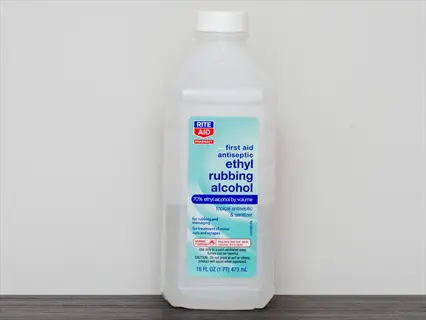
Rubbing Alcohol Treatment
- How It Works: Isopropyl alcohol dissolves the waxy protective coating of scale insects on contact, causing rapid drying and death within minutes of application to individual pests.
- Best For: Small infestations on houseplants where precise application to visible scales allows targeted treatment without whole plant spraying in indoor spaces.
- Application Method: Dip cotton swab or soft cloth in 70% isopropyl alcohol and apply to each visible scale, then remove the pest while the alcohol kills on contact.
- Timing: Treat whenever scales are noticed, checking plants weekly and addressing new scales before populations can rebuild from missed individuals or new crawlers.
- Safety Profile: Safe for most plant surfaces when applied to insects rather than sprayed across leaves, though test on small leaf area first for sensitive species like African violets.
- Limitations: Takes lots of work and not practical for large plants or heavy infestations, requires diligent follow up to catch missed scales, and evaporates too fast for lasting control.

Dinotefuran Systemic
- How It Works: This neonicotinoid insecticide is absorbed by plant roots and moves through vascular tissue, poisoning scale insects as they feed on treated plant sap over extended periods.
- Best For: Armored scales that resist contact treatments, as dinotefuran has superior plant mobility compared to other neonicotinoids and reaches even protected feeding sites.
- Application Methods: Apply as soil drench around root zone, granular application worked into soil surface, or trunk injection for large trees when soil treatment is not practical.
- Timing: Apply in early spring before crawler emergence for full season protection, with research showing 133 day efficacy against multiple scale species after single application.
- Effectiveness: Controls both soft and armored scale types, unlike imidacloprid which fails against most armored scales, making dinotefuran the more versatile systemic choice.
- Limitations: Not for use on edible plants within harvest period, toxic to bees and aquatic organisms, and restricted or banned in some areas due to pollinator concerns.
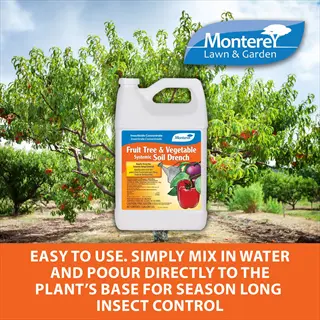
Imidacloprid Systemic
- How It Works: This systemic neonicotinoid moves through plant xylem tissue when absorbed by roots, building up in leaves where soft scale insects ingest lethal doses while feeding.
- Best For: Soft scale species including brown soft scale, European elm scale, and cottony maple scale on ornamental trees and shrubs where foliar sprays are hard to apply.
- Application Methods: Soil drench is most common for homeowners, applied around drip line of trees or into potted plant soil, with granular and injectable forms also available.
- Timing: Apply 4 to 6 weeks before expected crawler emergence to allow uptake and spread throughout plant, in early spring for deciduous plants or year round for indoor plants.
- Effectiveness: Works great against soft scales but research confirms it fails against most armored scale species, requiring proper identification before treatment selection.
- Limitations: Not labeled for edible plants, harmful to pollinators when present in nectar or pollen, and long persistence in soil raises environmental concerns in some applications.
Pyriproxyfen Growth Regulator
- How It Works: This insect growth regulator mimics juvenile hormone, preventing immature scales from developing into reproducing adults and breaking the reproduction cycle over time.
- Best For: Long term population suppression when combined with contact treatments, useful where preserving beneficial insect populations is a management priority.
- Application: Apply as foliar spray during crawler activity periods, allowing crawlers to contact treated surfaces where the compound disrupts their development into reproductive adults.
- Timing: Most effective when applied early in crawler season before populations establish, though effects are gradual rather than providing immediate knockdown of existing scales.
- Effectiveness: Does not kill adult scales but prevents reproduction, making it excellent for preventing reinfestation after initial knockdown treatment with oils or soaps.
- Limitations: Slow acting with no visible immediate results, requires patience and realistic expectations, and best used as part of integrated management rather than standalone treatment.
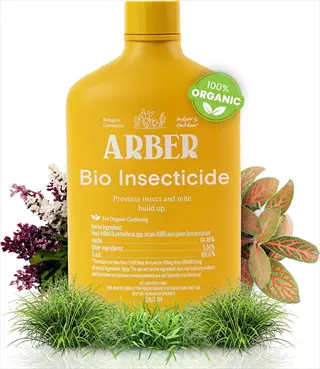
Azadirachtin Concentrate
- How It Works: Extracted from neem seeds, azadirachtin disrupts insect molting hormones and feeding behavior, causing crawlers to fail development and adults to stop feeding and reproducing.
- Best For: Organic and OMRI certified treatment option for scale on vegetables, herbs, and ornamentals where synthetic pesticides are not desired or permitted.
- Application Rate: Follow product label for specific concentrations, most often 1 to 2 oz per gallon (7 to 15 ml per liter), applying thorough coverage to all plant surfaces during crawler activity.
- Timing: Begin applications at first sign of crawlers and repeat every 7 to 10 days for 3 to 4 weeks, as the growth regulating effects require sustained exposure during development.
- Safety Profile: Low toxicity to mammals and birds, breaks down fast in environment, and safer for beneficial insects than synthetic alternatives when applied according to directions.
- Limitations: More expensive than basic neem oil, requires proper storage away from heat and light, and effectiveness drops fast after mixing so use fresh solutions.
Colorado put new limits on some pesticides in 2024. More states will follow. Starting with organic pest control options like oils and neem oil makes sense for your garden and the planet. You can step up to stronger treatments if the gentle stuff fails to work.
Scale Types and Identification
Knowing if you have soft scale or armored scale changes how you treat them. I learned this when imidacloprid did nothing to my euonymus shrubs. Turns out I had armored scales and wasted a whole season on the wrong product.
Soft scales in the Coccidae family grow to about 1/4 inch (6mm). They make sticky honeydew that leads to black sooty mold on leaves below. Brown soft scale is a common example. Squeeze one and you get goo because their waxy coating stays attached to their body.
Armored scales in the Diaspididae family stay smaller at less than 1/8 inch (3mm). San Jose scale is a common type that hits fruit trees. These pests make a separate shield that pops off when you press it. The scale itself is dry inside because the shell stands alone from the body.
Here is a quick test you can do right now. Pick off one scale and squeeze it between your fingers. Soft scales feel like tiny blisters that ooze when pressed. Armored scales feel like small shields that pop off and leave the dry insect body behind.
Why does this matter so much? Scale mouthparts reach 6 to 8 times longer than the insect body. These tiny bugs cause major scale damage because their feeding tubes go deep into plant tissue. Pick the wrong treatment and you just watch your plant get weaker while the scales keep feeding.
Treatment Timing and Application
Getting your treatment timing right matters more than which product you pick. The crawler stage lasts about 3 weeks but contact sprays work for just 1 to 2 weeks. You need at least 3 treatments spaced 6 to 7 days apart to catch all the crawlers as they hatch.
I use the tape trick to know when to treat scale on my trees. Wrap some double sided tape around an infested branch. Check it each day. When you see tiny yellow or orange specks stuck to the tape, crawlers are moving and your spray schedule should start right away.
Most scales produce crawlers from late April through June. Higher areas see later emergence than low valleys. Dormant oil in late winter catches adults before they start laying eggs. Spring treatment during crawler season then mops up the next generation.
Dormant Season Treatment
- When: Late winter to early spring before bud break, when temps stay above 40°F (4°C) for 24 hours after application with no freezing in the forecast.
- Target: Adults and eggs that made it through winter, best for species that spend the cold months as settled females on bark and stems.
- Application: Use dormant rate horticultural oil at 2 to 2.5% mix (4 to 5 oz per gallon or 30 to 40 ml per liter), applying thorough coverage to all bark surfaces.
- Why It Works: Dormant oil gets through scale coverings better when plants have no leaves and insects have slowed down during cold months.
Crawler Emergence Window
- When: Most often late April through early June based on species and local climate, with higher areas emerging later than low regions.
- Monitoring Method: Wrap double sided tape around infested branches and check daily. Tiny yellow or orange specks stuck to tape mean crawlers are active and exposed.
- Duration: Crawler activity continues for about 3 weeks per generation, requiring treatments every 6 to 7 days throughout this open window.
- Why Critical: Crawlers are the only mobile life stage without protective covering, making them open to contact sprays that cannot get through adult scales.
Growing Season Treatment
- When: Spring through fall when temps stay between 40°F and 90°F (4°C and 32°C) and humidity remains below 90% to prevent plant injury.
- Application: Use summer rate horticultural oil at 1% mix or insecticidal soap, testing on a few leaves first when treating new plant species.
- Frequency: Minimum 3 applications spaced 6 to 7 days apart to contact crawlers emerging over the extended hatch period from eggs laid at different times.
- Avoid: Never apply oils when temps exceed 100°F (38°C), during drought stress, or within 30 days before or after sulfur fungicide applications.
Systemic Application Timing
- When: Apply 4 to 6 weeks before expected crawler emergence to allow root uptake and spread throughout plant vessels before pests begin feeding.
- Method: Soil drench around root zone for trees, granular application for shrubs, or add to potting soil for houseplants following label rates.
- Duration: Single application provides 133 days of protection based on research, making spring treatment effective for the whole growing season.
- Species Note: Use dinotefuran for armored scales or mixed infestations since imidacloprid works against soft scales but fails on armored types.
Brown soft scale finishes a generation in about 60 days. Indoors they can pump out 3 to 7 generations per year since there is no winter break. This explains why houseplant infestations feel endless. Your application frequency needs to match their breeding pace or you will never catch up.
Houseplant Scale Treatment
Scale on houseplants drives plant parents crazy. Indoor plants give these pests a perfect home with no winter to slow them down. Brown soft scale hits over 400 plant genera and pumps out 3 to 7 generations each year inside your home.
I lost my favorite ficus to scale before I learned the right way to handle these houseplant pests. The problem was I treated once and called it done. Indoor scale needs consistent treatment for weeks because new crawlers keep hatching from eggs you cannot see.
The steps below work for most potted plants but skip the spray treatments on ferns since they react badly to most products. Also never use systemic treatments on indoor herbs or citrus since those products are not meant for food plants.
Isolate and Inspect Infected Plants
- First Step: Move infested plant away from other houseplants right away to prevent crawler spread through air currents or direct contact between touching leaves.
- Inspection Points: Check stem joints, leaf undersides, along main veins, and where leaves attach to stems as these protected areas hold the highest scale populations.
- Assessment: Count scale numbers and check multiple spots. If more than 50% of stems are packed with scales, think about whether treatment makes sense versus getting a new plant.
- Documentation: Take photos to track progress and compare before and after treatment, helping you see if the population is dropping or if new scales keep showing up.
Manual Removal with Alcohol
- Method: Dip cotton swab in 70% rubbing alcohol and apply to each visible scale, then scrape off with your fingernail or soft brush after 30 seconds.
- Coverage: Work from top to bottom of plant, checking every stem and leaf surface. Be extra thorough in branch crotches and leaf axils where scales love to hide.
- Frequency: Repeat manual removal every 3 to 4 days for 2 weeks to catch crawlers before they develop protective coverings and become harder to remove.
- Sensitive Plants: Test alcohol on single leaf first for sensitive species like African violets, ferns, and succulents. Rinse with water after 10 minutes if you are concerned.
Spray Treatment Protocol
- Product Choice: Use insecticidal soap or neem oil for houseplants. Avoid horticultural oil in small spaces due to odor and skip it on ferns which are spray sensitive.
- Application: Spray all plant surfaces including leaf undersides, stems, and soil surface where crawlers may travel. Work outside or in a well ventilated area.
- Timing: Apply in morning to allow drying before evening. Repeat every 6 to 7 days for at least 3 weeks to break the roughly 60 day generation cycle.
- After Spraying: Wipe excess drips from leaves after 2 to 3 hours to prevent water spots and potential leaf damage from prolonged moisture on sensitive foliage.
Systemic Treatment for Persistent Cases
- When to Use: After 3 to 4 rounds of contact treatment if scales persist, systemic granules provide internal protection that contact sprays cannot achieve.
- Application: Mix imidacloprid granules into top inch (2.5 cm) of potting soil and water well. Allow 2 to 4 weeks for uptake before expecting results.
- Restrictions: Never use systemic products on edible plants including herbs and indoor citrus. These products are not labeled for food crops no matter when you harvest.
- Duration: Single application provides months of protection but continue monitoring and manual removal of dead scales which remain attached after treatment.
Prevention and Quarantine
- New Plant Protocol: Quarantine all new houseplants for 2 to 3 weeks in a separate location. Inspect weekly before adding them to your collection.
- Regular Monitoring: Check established plants monthly during routine watering. Look for sticky residue, sooty mold, or the scales themselves on stems and leaves.
- Environmental Control: Maintain good air flow, avoid overwatering stress, and provide the right light levels to keep plants healthy and resistant to pest problems.
- Tool Sanitation: Clean pruning tools with alcohol between plants to prevent spreading crawlers that may be present on blades from previous cutting.
The indoor scale treatment process takes patience. Plan on 6 to 8 weeks of consistent effort before you can relax. Miss a treatment and those fast breeding scales will bounce right back to where you started.
Prevention Strategies
The best way to prevent scale is to let natural enemies do most of the work. In woods and wild areas, beneficial insects keep scale numbers so low you barely notice them. Your garden can work the same way with the right approach.
I stopped spraying broad pesticides 4 years ago and my scale problems got better, not worse. Turns out I was killing parasitic wasps like Aphytis and Metaphycus that lay eggs inside scales. These tiny wasps are your best long term defense against new infestations.
One new invasive scale species shows up in the USA each year. Ongoing scale prevention through inspection and quarantine keeps your plants safe. Good cultural control and ant control protect you from both current pests and future invaders.
Conserve Natural Enemies
- Key Predators: Lady beetles from the Chilocorus, Hyperaspis, and Rhyzobius groups plus lacewing larvae and predatory mites hunt and eat scale crawlers in garden settings.
- Parasitic Wasps: Tiny wasps including Aphytis, Coccophagus, Encarsia, and Metaphycus species lay eggs inside scales. Larvae then eat the host from within.
- Habitat Support: Plant many different flowering species to provide nectar and pollen for adult beneficial insects. Small flowers like sweet alyssum and yarrow work great.
- Pesticide Selection: Avoid broad sprays that kill beneficials. Research shows bifenthrin kills 90 to 100% of predatory insects within 24 hours of exposure.
Control Ant Populations
- Why It Matters: Ants protect soft scales from predators in exchange for honeydew. They remove parasitic wasp larvae and fight off lady beetles that approach scale colonies.
- Physical Barriers: Apply sticky bands like Tanglefoot around tree trunks to prevent ant access. Maintain the barrier all season and reapply after rain.
- Bait Strategy: Use slow acting ant baits rather than contact sprays. This allows foragers to carry toxin back to the colony for complete removal rather than just killing visible ants.
- Soil Treatment: Address ant nests near affected plants using granular baits or drenches. Focus on areas within 10 feet (3 meters) of vulnerable plants.
Plant Health Practices
- Stress Reduction: Plants with proper water and fertilizer resist scale better than stressed plants. Healthy plants can tolerate some feeding damage without major harm.
- Appropriate Siting: Match plants to their preferred light, soil, and moisture conditions to avoid chronic stress that weakens natural defenses against pest problems.
- Pruning Benefits: Remove branches with heavy scale right away. Maintain open canopy structure that improves air flow and lets beneficial insects reach pests better.
- Avoid Over Fertilizing: Too much nitrogen produces soft, sappy growth that attracts more pests and provides better food for scale populations to explode.
Inspection and Quarantine Protocols
- New Plant Inspection: Check all nursery purchases before bringing home. Look at stems, leaf undersides, and branch joints for any bumps or sticky residue.
- Quarantine Period: Isolate new plants for 2 to 3 weeks minimum. Keep them separate from your collection while watching weekly for emerging pest problems.
- Regular Monitoring: Schedule monthly inspection of all plants. Time checks with regular watering or pruning to catch new infestations before they spread.
- Gift Plant Caution: Treat received plants, cuttings, or divisions from other gardeners with extra care. Home collections often harbor pests the giver may not notice.
Resistant Plant Selection
- Research Options: When replacing plants with heavy scale, select cultivars or species known to resist scale in your region through local extension recommendations.
- Native Alternatives: Native plants often have better natural enemy support established. Local predators and parasites have adapted to control associated pests.
- Mix Your Plantings: Avoid large blocks of one species that allow pest populations to build up. Combine plant families and types to interrupt scale spread between hosts.
- Remove Problem Plants: Consider getting rid of plants with repeat scale issues that serve as reservoirs. They infect the surrounding area despite repeated treatment attempts.
Good plant health practices are your foundation. Strong plants handle some scale feeding without showing stress. Weak plants spiral downward as scale drains their energy. Pick resistant varieties when you can and your prevention work gets much easier.
5 Common Myths
Scale insects can be eliminated with a single application of any insecticide if you spray thoroughly enough on all plant surfaces.
Scale control requires minimum three treatments every 6-7 days to target different life stages and overlapping generations. Single applications miss crawlers that emerge later.
Once adult scales are covered by their protective waxy shell, they are completely immune to all treatments and cannot be controlled.
Horticultural oils can suffocate adult scales by blocking their spiracles (breathing holes). Systemic insecticides also reach protected adults through plant sap.
Systemic insecticides work equally well on all types of scale insects, whether they are soft scales or armored scales.
Imidacloprid is effective only against soft scales, while dinotefuran controls both soft and armored scales. Treatment selection must match the scale type present.
Beneficial insects like ladybugs will quickly eliminate scale infestations once released, making chemical treatments unnecessary.
While natural enemies help control scale populations, heavily infested plants require direct treatment first. Beneficial insects work best for preventing reinfestation and maintaining low populations.
Honeydew and sooty mold on leaves means your plant definitely has soft scale insects feeding on it right now.
Honeydew can come from other sap-feeding insects like aphids, whiteflies, or mealybugs. Sooty mold also persists long after the pest is eliminated. Proper identification is essential.
Conclusion
Scale insects treatment works when you target the crawler stage with proper treatment timing. I learned this after years of failed single sprays. You need at least 3 treatments spaced 6 to 7 days apart to catch crawlers as they hatch.
Start with horticultural oil or insecticidal soap as your first choice. These safe options kill scales without harming beneficial insects that help keep populations low. Move to systemic treatments if gentle methods fail after a full cycle.
Match your systemic to your scale type. Imidacloprid works on soft scales but fails on armored types. Pick dinotefuran when you have armored scales on your plants. Getting this right means success instead of wasted effort.
Good scale prevention beats any treatment plan. Keep your plants healthy and conserve natural predators. Inspect new plants before they join your collection. These habits protect you from new invasive scales that arrive each year. Go check your plants now and identify what type of scale you have. Your treatment plan starts there.
External Sources
Frequently Asked Questions
How do I permanently get rid of scale bugs?
Permanent scale removal requires consistent treatment during crawler stage combined with prevention measures. Apply horticultural oil or insecticidal soap every 6-7 days for at least three treatments. Follow up with systemic insecticides for persistent infestations and maintain plant health to prevent reinfestation.
What is the best insecticide for scale?
The best insecticide depends on scale type:
- Horticultural oil for general control (suffocates all life stages)
- Dinotefuran for armored scales (systemic with good plant mobility)
- Imidacloprid for soft scales (effective systemic option)
- Insecticidal soap for organic treatment (safe for beneficials)
Does rubbing alcohol kill scale insects?
Yes, rubbing alcohol (isopropyl alcohol) kills scale insects on contact by dissolving their waxy protective coating. Apply with a cotton swab directly to individual scales for houseplants. This method works best for small infestations but is impractical for large outdoor plants.
What time of year are scale bugs most active?
Scale insect crawler activity varies by species and region. Most crawlers emerge in spring through early summer, typically late April through June. Brown soft scale can produce 3-7 generations per year indoors, while outdoor species may have 1-3 generations depending on climate.
Does soapy water get rid of scale on plants?
Regular dish soap mixed with water can help but is less effective than commercial insecticidal soap. Insecticidal soaps are specifically formulated to kill soft-bodied insects while being safe for plants. Use at proper concentration and apply every 6-7 days for minimum three treatments.
Does scale live in soil?
Most common scale insects do not live in soil. However, ground pearls (Margarodes species) are soil-dwelling scales that attack grass roots. Standard soft and armored scales spend their entire life cycle attached to plant stems, leaves, and bark above ground.
Can I spray Dawn and water on my plants?
While Dawn dish soap can kill some insects, it is not recommended for plants. Dawn contains additives that may damage plant tissue, especially in sun. Use commercial insecticidal soap formulated specifically for plants, which provides pest control without phytotoxicity risks.
When to spray for scale insects?
Spray during crawler emergence for maximum effectiveness. Most scale crawlers emerge late April through June, but timing varies by species and region. Use double-sided tape to monitor crawler activity, and apply treatments every 6-7 days for minimum three applications to catch all emerging generations.
Does scale spread easily?
Scale crawlers spread through wind dispersal, on clothing, and through contact between plants. Once established, scale spreads slowly since adults are immobile. Quarantine infested plants immediately and inspect nearby plants weekly. New scale often arrives on nursery plants, so inspect purchases carefully before introducing them.
Can plants recover from scale infestation?
Most plants can recover from scale infestations with proper treatment and care. Lightly infested plants recover within one growing season. Heavily damaged plants may need pruning and take 1-2 years to regain vigor. Severely weakened plants may not recover and are often better replaced to prevent spread.