
Introduction
You notice sticky residue coating your favorite plant's leaves and tiny bumps lining the stems. These bumps don't move when you touch them, and a black fungus called sooty mold starts growing on the honeydew they leave behind. Your plant needs scale insects treatment before these pests drain it dry.
I've spent years battling scale insects in my own garden and helping others do the same. Around 8,000 species exist worldwide, and global plant trade keeps spreading new types to gardens. Most gardeners spray their plants over and over with no results because they missed the one window that matters for scale pest control.
When I first tried to treat scale, I learned the hard way that timing matters more than product choice. These pests act like tiny armored tanks on your plants. You can't blast through their defenses with brute force. The secret is hitting them during the crawler stage.
This guide breaks down every treatment option from oils and soaps to systemic products and natural predators. You'll learn exactly when to apply each method. Let's get your plants healthy again.
Scale Insects Treatment Methods
Scale insects treatment works best when you match the right method to your specific problem. I've tested dozens of products over the years and found that no single solution works for every case. Think of your treatment options like a toolbox where each tool has its purpose.
Armored scale and soft scale respond to different treatments. Female armored scales produce around 100 eggs while soft scales can pump out up to 1,000 eggs each. This gap explains why soft scale problems can explode so fast. Early treatment saves you from fighting an uphill battle later.
Horticultural oil is the safest starting point for most gardeners. Insecticidal soap targets crawlers well but needs contact to kill them. Wasps and beetles are your best natural enemies. They give you free control once they set up in your garden.
Start with the lowest impact options first and move up only when needed. Research shows this approach beats jumping straight to harsh chemicals. Your plants and garden will thank you for the patience.
Oil and Soap Treatments
Horticultural oil kills scale insects in two ways. It blocks their breathing pores so they suffocate, and it breaks down their cell membranes. I've used oil spray on hundreds of plants over the years. Complete coverage matters more than the amount you use.
Think of applying oil like coating food in a pan. You need a thin even layer across every surface. Miss a spot and scales survive there to restart the problem. Use dormant oil at 4 to 5 oz per gallon for winter sprays. Summer oil works at just 1% strength to avoid burning leaves.
Temperature makes or breaks your oil treatment. Apply between 40 and 85°F (4 to 29°C) for best results. Cold spray won't spread right. Hot days cause the oil to damage plant tissues. I've burned more than a few plants by spraying on warm afternoons.
Insecticidal soap hits crawlers hard but won't touch settled scales with their armor. Neem oil adds some extra punch since it disrupts insect hormones too. Both work best with full coverage.
Modern refined oils pose far less risk to plants than the old heavy petroleum products. You can use them during the growing season on most ornamentals. Just test a small area first if you've never treated that plant before.
Systemic Insecticide Options
Systemic insecticides move through your plant like medicine in your body. I've used them when oil sprays alone couldn't beat tough scale problems. You apply them as a soil drench. The roots soak up the product and push it up through stems and leaves.
Dinotefuran kills both armored and soft scales. Imidacloprid only works on soft scale types since armored scales feed on cells, not sap. These neonicotinoids can harm bees. Apply them after your flowers fade to keep pollinators safe in your yard.
Insect growth regulators give you a smarter choice. When I tested pyriproxyfen, it hit 100% kill rates on young nymphs at low doses. Buprofezin stops scales from forming shells during molts. Both cause less harm to helpful bugs than broad sprays do.
Dinotefuran Soil Drench
- How It Works: Absorbed through roots and transported throughout the plant via xylem tissues to reach feeding scale insects on leaves and stems.
- Best For: Both armored and soft scales on ornamental trees and shrubs, making it the most versatile systemic option currently available.
- Application Timing: Apply in early spring before flowering to reduce exposure to pollinators, with effects lasting several weeks after treatment.
Imidacloprid Products
- How It Works: Moves systemically through plant tissues but primarily through phloem, which soft scales tap into for sap feeding.
- Best For: Soft scale species only, as armored scales feed on cell contents rather than phloem sap and are largely unaffected.
- Application Timing: Apply as soil drench in spring, allowing four to six weeks for uptake before crawler emergence begins.
Pyriproxyfen Growth Regulator
- How It Works: Mimics juvenile hormone to disrupt scale development, preventing crawlers from maturing into reproducing adults.
- Best For: California red scale and other armored species where research shows near-complete population reduction within four months of application.
- Application Timing: Apply when crawlers are active since the growth regulator must be ingested during the developmental stage to be effective.
Buprofezin Growth Regulator
- How It Works: Inhibits chitin synthesis so developing scales cannot form their protective coverings during molts between life stages.
- Best For: Both soft and armored scales, showing very low population levels within five months according to citrus orchard research studies.
- Application Timing: Target crawler emergence with foliar sprays, requiring thorough coverage to contact mobile crawlers before they settle and feed.
Biological Control Approaches
Biological control puts nature to work for you. I've seen gardens where parasitic wasps and lady beetles keep scale in check without a single spray. Research shows over 50% of released helpers stay put. That's free pest control for years to come.
Think of natural enemies like allied forces in your garden. They need support to do their job well. Broad sprays kill your helpers along with the pests. Pick products that spare good bugs while hitting scales hard. This is the core of integrated pest management.
Habitat can make or break your success with beneficial insects. Plant flowers that give adult wasps and beetles the nectar they need between meals. Leave some leaf litter for winter shelter. I've found that gardens with mixed plants hold more helpers year round.
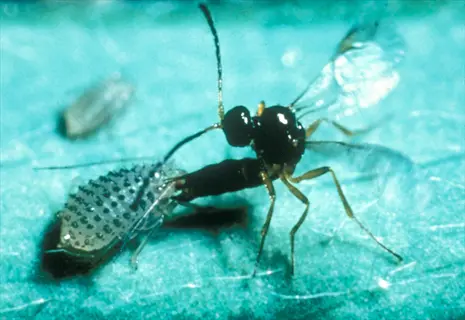
Parasitic Wasps Aphytis Species
- Target Scales: Specialize in armored scale species including California red scale and San Jose scale, with Aphytis melinus being the most released species.
- How They Work: Female wasps lay eggs under or inside scale coverings, and developing larvae consume the scale insect from within over several weeks.
- Release Strategy: Purchase reared wasps and release them near infested plants during warm weather when scales are feeding.
- Conservation Tips: Avoid broad sprays that kill wasps; provide nectar flowers nearby to sustain adult wasps between scale hosts.
- Effectiveness Rate: Research in Chile showed Aphelinidae wasps achieved the greatest range with nine species attacking armored scales.
- Best Conditions: Warm temps between 70-85°F (21-29°C) and moderate humidity support optimal wasp activity and reproduction.
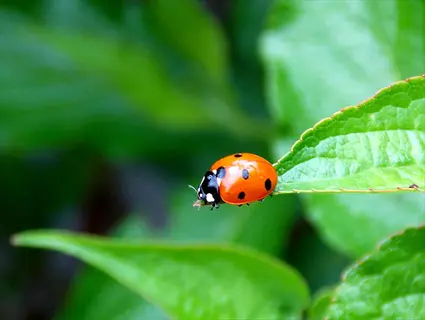
Lady Beetles and Larvae
- Target Scales: Both armored and soft scales fall prey to lady beetles, with some species like Rhyzobius lophanthae going after armored scales.
- How They Work: Both adult beetles and their larvae hunt and eat scale insects, taking out dozens of scales per day.
- Attracting Them: Plant yarrow, dill, fennel, and other umbelliferous flowers that provide pollen and nectar during periods when scales are scarce.
- Purchase and Release: Buy lady beetles from good suppliers and release at dusk near infested plants; mist plants to help them stay.
- Population Building: Avoid sprays for at least two weeks after release; lady beetle populations take one to two months to build up.
- Overwintering Support: Leave leaf litter and perennial stems standing through winter to provide shelter for lady beetles during cold months.
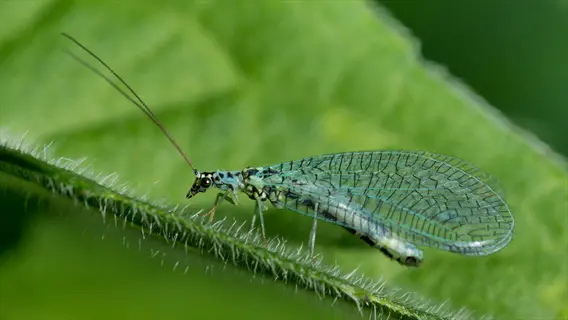
Green Lacewing Larvae
- Target Scales: Strong predators of soft scales and crawlers of all scale types, earning them the nickname aphid lions for their aggressive feeding habits.
- How They Work: Lacewing larvae use curved mandibles to pierce scale insects and suck out body fluids, consuming many scales during their two week larval stage.
- Release Method: Purchase lacewing eggs or larvae and scatter near scale infested plants; eggs hatch within days and larvae start searching for prey.
- Habitat Needs: Adult lacewings require pollen and honeydew for energy, so tolerate some aphids or plant cover crops that provide these resources.
- Temperature Requirements: Most active between 65-90°F (18-32°C), making them effective throughout the growing season in most climates.
- Combination Strategy: Use lacewings alongside parasitic wasps since lacewings control crawler populations while wasps parasitize settled mature scales.
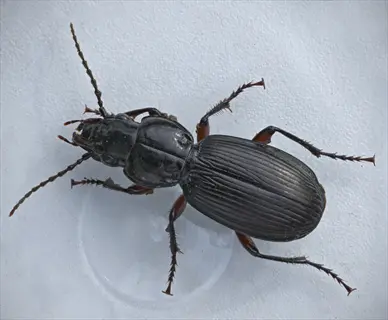
Predatory Beetles Rhyzobius
- Target Scales: Rhyzobius lophanthae specializes in armored scales while Chilocorus species attack both soft and armored scale populations.
- How They Work: Adults and larvae chew through scale coverings to consume the soft bodies inside, working across infested plant surfaces.
- Buying Them: Order from biological control suppliers; releases of 500 to 1000 beetles per large tree or shrub provide adequate population establishment.
- Timing Releases: Release when crawler activity begins so beetles have abundant prey; populations crash without enough food sources to sustain reproduction.
- Supporting Populations: Maintain some scale infested plants nearby as reservoir populations to keep predator beetles present in your garden year round.
- Climate Notes: These beetles tolerate a range of conditions but perform best in moderate temperatures with regular moisture for plant health.
Scale Treatment for Houseplants
Houseplant scale causes endless frustration because it keeps coming back. Brown soft scale affects over 400 plant types and can pump out 3 to 7 generations per year indoors. One female completes her life cycle in about 60 days at room temp. That's why your indoor plants need repeated treatments to break the cycle.
I've dealt with potted plant scale. Every problem I've tracked came from a new purchase. That's why I use plant quarantine. Keep new arrivals in a separate room for 2 to 3 weeks before joining your collection. Check them with a magnifying glass once a week during this time.
Indoor treatment calls for gentler methods than outdoor sprays. Your scale on houseplants won't handle the same chemicals you'd use in the garden. Test any product on a small leaf area first and wait 48 hours before doing the full plant. Ferns and palms show damage fast from oil sprays that work fine on most other plants.
Quarantine New Plants
- Duration Required: Isolate all new plant purchases for two to three weeks in a separate room away from your existing houseplant collection.
- Inspection Protocol: Check undersides of leaves, along stems, and in leaf axils weekly using a magnifying glass to detect scale before it spreads.
- Why It Matters: Scale crawlers are nearly invisible at less than 1/32 inch (0.8 mm) and can move to nearby plants before you notice an infestation.
Manual Removal Methods
- Cotton Swab Technique: Dip cotton swabs in rubbing alcohol and wipe individual scales off stems and leaves, dissolving their waxy coating on contact.
- Soft Brush Scrubbing: Use an old toothbrush dipped in soapy water to gently scrub scale off woody stems without damaging plant tissues beneath.
- Repeat Weekly: Check and remove scales weekly for at least one month since eggs protected under female scales continue hatching after initial removal.
Oil and Soap Applications
- Indoor-Safe Products: Use horticultural oil at summer concentration of 1% or insecticidal soap formulated for indoor use on houseplants.
- Application Method: Spray thoroughly including undersides of leaves and into crevices, ensuring complete coverage of all plant surfaces where scales hide.
- Sensitive Plants Warning: Ferns, palms, and some succulents are sensitive to oil treatments; test on a small area first and wait 48 hours before full application.
Systemic Granule Options
- How They Work: Sprinkle systemic insecticide granules on soil surface and water in; roots absorb the active ingredient which moves throughout the plant.
- Best Products: Imidacloprid-based granules control soft scale species effectively, though armored scales may require supplemental contact treatments.
- Timing Consideration: Allow four to six weeks for systemic uptake; continue monitoring and manual removal during this period for best results.
Disposal Decisions
- When to Discard: If scale covers more than half the plant or returns repeatedly after multiple treatment cycles, disposal may be the best choice.
- Safe Disposal Method: Bag the infested plant in plastic before moving through your home to prevent crawlers from dropping onto other plants.
- Container Cleaning: Wash and sterilize pots with a 10% bleach solution before reusing for new plants to eliminate any remaining eggs or crawlers.
Timing Your Scale Treatment
The best time to treat most scale insects is after eggs hatch when the crawlers are first active. I've learned this the hard way after wasting sprays on armored adults that nothing could touch. Treatment timing matters more than product choice for beating these pests.
Think of treatment timing like planting crops. You watch conditions and life stage rather than sticking to a fixed date. Eggs take 4 to 6 days to hatch at warm temps around 86 to 91°F (30 to 33°C). Crawler emergence follows in about 10 more days. Your spray schedule needs to match these windows.
Skip the calendar and do some monitoring. Climate change has shifted when crawlers show up in many areas. Wrap double sticky tape around branches and check it twice a week during the dormant season. When you see tiny specks stuck to the tape, you know crawler emergence has begun.
Watch your local temps to decide when to spray. Crawlers come out when nights stay above 50°F (10°C) for a week or more. The crawler stage only lasts 1 to 2 days before they settle and grow shells. Miss this window and you're stuck waiting for the next batch.
5 Common Myths
Scale insects can be eliminated with a single treatment application regardless of the product used or the timing of application.
Scale requires multiple treatments timed to the crawler stage, typically two to three applications spaced ten to fourteen days apart for complete control.
All scale insects can be controlled with the same systemic insecticide products since they all feed on plant sap in similar ways.
Armored scales are largely resistant to systemic insecticides like imidacloprid because they feed on plant cells rather than phloem sap.
Spraying horticultural oil during hot summer days provides the best results because the oil spreads more easily in warm weather.
Oil applications above 85 degrees Fahrenheit (29 degrees Celsius) cause phytotoxicity and plant damage, so cooler temperatures are required.
Dead scale insects fall off plants immediately after successful treatment so any remaining bumps indicate treatment failure.
Dead scales remain attached to plants for months or even seasons after treatment, requiring a viability test by crushing to check for liquid inside.
Chemical insecticides are always more effective than biological control methods for managing scale insect populations on plants.
Biological control agents like parasitic wasps achieve over fifty percent establishment rates and provide sustainable long-term control without resistance issues.
Conclusion
You now have a complete system for scale insects treatment that works. Success comes down to three key steps: hit the crawler stage, pick the right method for your scale type, and support the beneficial insects that help you fight.
Start with horticultural oil since it works on most scales with low risk. Add biological control for long-term management. Save systemics for tough cases that don't respond to gentler options. Integrated pest management means stacking these tools rather than relying on any single fix.
In my experience, scale battles often take more than one season to win. I've helped gardeners who wanted quick fixes learn that patience beats panic every time. Your knowledge of scale biology now puts you in control rather than spraying blindly.
Watch your plants, act at the crawler stage, and trust the process. You've got the tools and timing down. Now go save your plants from these tough pests.
External Sources
Frequently Asked Questions
How do I permanently get rid of scale bugs?
Permanent scale removal requires a multi-season approach combining targeted crawler-stage treatments with biological control agents and consistent monitoring.
What is the best insecticide for scale?
Horticultural oil is the best overall choice for most situations due to low toxicity and broad effectiveness against both armored and soft scales.
Does rubbing alcohol kill scale insects?
Yes, rubbing alcohol kills scale on contact by dissolving their waxy coating. Apply directly with a cotton swab for small infestations.
What time of year are scale bugs most active?
Scale crawlers are most active in spring and early summer when they emerge from eggs and move to find feeding sites.
Does soapy water get rid of scale on plants?
Insecticidal soap can control scale crawlers, but household dish soap may damage plants and is less effective than commercial formulations.
Does scale live in soil?
Most scale species live exclusively on plant surfaces, though ground pearls are a soil-dwelling exception found on grass roots.
Can scale insects come back after treatment?
Yes, scale can return through surviving eggs, crawlers from nearby plants, or new introductions on purchased plants without ongoing monitoring.
Does scale spread easily?
Scale crawlers spread by walking to nearby plants, being carried by wind, or hitchhiking on tools, clothing, and new plant purchases.
Will permethrin kill scale?
Permethrin provides limited effectiveness against scale because their protective covering blocks contact with the insecticide.
Does hydrogen peroxide get rid of scale?
Hydrogen peroxide is not an effective scale treatment as it lacks the suffocating or penetrating action needed to control these pests.