
Watering potted roses comes down to one simple rule: check the top 1 to 2 inches of soil each day and water when it feels dry. In summer, this means watering once or twice a day. In cooler months, every 2 to 3 days does the job.
I learned how much this matters during my first summer with patio roses. They started out fine with watering every other day in spring. Then a heat wave pushed temps above 95°F (35°C) for two straight weeks. My roses wilted by noon each day. I switched to watering at dawn and again at dusk, and they bounced right back. That experience taught me that a fixed schedule doesn't work for potted roses.
Your container size plays a huge role in how fast soil dries out. A 5-gallon pot loses moisture twice as fast as a 15-gallon one because it holds less soil. Pot material matters too. Terracotta pulls moisture through its porous walls and dries out faster than plastic or glazed pots. Your soil mix also affects container rose water needs. Mixes with more perlite drain faster, so you'll need to water more often than with peat-heavy blends. Think about all these factors when you set up your pots so you know what to expect.
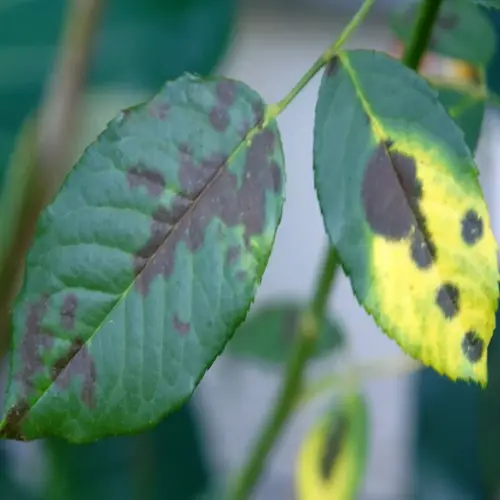
This potted rose watering schedule gives you a solid starting point. You should always confirm with a quick soil check before you turn on the hose though. Too much water kills more potted roses than too little does. If you see yellow leaves and soggy soil, you're giving your plants too much to drink.
When you do water, soak the entire pot until water runs out the drainage holes. University of Nevada Extension says you should push water through the full 18 to 24 inch (46 to 61 cm) root zone. Light splashes on the surface train your roots to stay near the top. Those surface-level roots dry out and cook in the heat. Deep watering pulls your roots down where soil stays cooler and holds moisture longer for your plant.
The finger test works great for your small pots. Stick your finger 2 inches into the soil. Dry means you water now. Damp means you wait another day. For your deeper containers, grab a cheap moisture meter from any garden store. Push the probe down to the middle of the pot. This gives you a true reading of what's going on down where your roots live.
If you travel or forget to water, a drip timer saves your roses. Hook a battery timer to your garden hose and run drip lines to each pot. Set it for early morning watering and your roses won't miss a drink while you're gone. I've kept my patio roses alive through two-week trips with this setup and come home to fresh blooms every time.
You can also group your pots together in a spot that gets afternoon shade during the hottest months. This cuts down how fast your soil dries and gives you more room for error between waterings. I moved my roses under a pergola one July and cut my watering from twice a day back down to once. Your goal is to make watering easy enough that you stick with it all season long. Happy roses start with steady water, and now you know how to deliver it right.
Read the full article: Ideal Soil for Roses: Expert Advice for Healthier Blooms