
Learning how plant diseases spread helps you stop them before they take over your garden. Diseases move between your plants through wind, water, insects, and your own hands. Each pathogen has its own way to travel from sick plants to healthy ones in your beds.
I watched rust disease march through my bean patch one summer in a clear line. The infection started on plants at one end and spread downwind row by row. Spores floated on the breeze and landed on wet leaves where they took hold. Seeing that pattern taught me how fast wind-borne diseases can move.
Disease transmission plants face comes in different forms for each pathogen type. Fungal spores ride wind currents for miles before landing on a host. Bacteria need water drops to carry them from leaf to leaf. Viruses hitch rides inside insects that feed on plant sap and carry infection to your plants.
Powdery mildew spreads through dry air better than most fungal diseases you'll face. The spores don't need rain to grow like many others do. Wind carries them from plant to plant even in dry weather throughout your garden. Crowded beds with poor airflow help this disease spread fastest.
Bacteria need water to cause pathogen spread garden-wide through your beds. Rain carries bacteria from infected leaves onto your healthy plants below them. Watering from above does the same thing if you hit your foliage. Soft rot bacteria travel this way through your vegetable beds after every storm or watering.
Plant disease vectors like aphids and thrips spread viruses as they feed on your crops. These tiny insects pierce your plant cells to drink sap from the leaves. Virus bits stick to their mouthparts and inject into your next plant. A single aphid can infect dozens of your plants in one day.
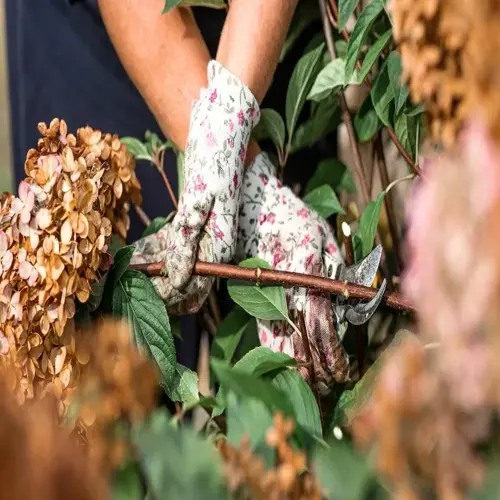
Your own hands and tools spread disease too when you work in the garden. Pruning shears carry bacteria in sap from one cut to your next cut. Stakes and cages touch your plants and transfer pathogens between them. Even walking through wet foliage picks up and deposits spores on your clothes.
You can break these routes to keep diseases from spreading fast in your beds. Space your plants far enough apart for good airflow that dries leaves fast. Use drip lines rather than sprinklers to keep your foliage dry. Control aphids and other vectors before they spread viruses to your healthy plants.
Clean your tools between plants with bleach or alcohol wipes each time. Change your clothes after working with sick plants before touching healthy ones. Remove infected plants fast before rain or insects spread pathogens to neighbors. These simple habits cut transmission routes and save your harvest.
I now plan my garden layout with disease spread in mind each spring. Tall plants go downwind from short ones so spores blow away from my beds. Drip lines replaced my sprinklers years ago and cut my fungal problems in half. These changes work better than any spray you could buy at the store.
Read the full article: How to Identify Plant Diseases Like a Pro