
Introduction
You want to know How to Grow Tomatoes: Complete Beginner's Guide and you came to the right spot. One plant alone can give you 10 to 15 pounds of fruit per the University of Maryland Extension. Americans eat about 31.4 pounds of tomatoes per person each year, and growing your own saves real cash at the store. Fresh garden tomatoes also taste far better than anything you buy in a plastic box off the shelf.
I grew my first 3 tomato plants with zero skill and a patch of dirt in my back yard. That season showed me beginner tomato gardening works a lot like riding a bike. The basics are simple, and once you get rolling the rewards keep growing. Those 3 plants gave me more ripe tomatoes than my whole family could eat in a full month.
This tomato growing guide walks you through each step from seed to table. You'll pick from over 10,000 cultivars that exist across the globe. Good tomato plant care means your garden gives you the best flavor on every plate. NIH research also shows that regular tomato intake cuts prostate cancer risk by 23%, so you feed your body along with your taste buds.
Every step below is broken down so it makes sense even if you've never touched a seed before. Let's get your first tomato garden started the right way and fill your table with fresh food you grew on your own.
Planting Tomatoes Step by Step
Planting tomatoes the right way sets you up for a strong harvest later in the season. Oklahoma State says you need 3 to 5 plants per person if you eat them fresh and 5 to 10 per person for canning. Knowing when to plant tomatoes matters just as much as how many you put in the ground.
Starting tomatoes from seed gives you access to hundreds of varieties that stores never carry. I start my seeds indoors each spring and it gets easier every time. Check the soil temperature for tomatoes before you move them outside since they need at least 55°F (13°C) in the ground. Deep planting tomatoes works like giving them a bigger foundation because roots sprout along the buried stem.
Starting Seeds Indoors
- Timing: Begin seeds indoors 5 to 6 weeks before your last expected frost date, planting them 1/4 inch deep in a sterile, soilless seed starting mix.
- Temperature: Use a heating mat to keep soil between 75°F and 85°F (24°C and 29°C) until seeds sprout, then reduce to around 70°F (21°C) once seedlings emerge.
- Light: Provide 14 to 16 hours of light per day using a grow light positioned 2 to 4 inches above seedlings to prevent leggy, weak stems.
Hardening Off Seedlings
- Process: Move seedlings outdoors for 1 to 2 hours on the first day in a shaded, sheltered spot, then increase outdoor time over 7 to 10 days.
- Temperature Check: Wait until nighttime temperatures stay above 55°F (13°C) and soil temperature reaches at least 55°F (13°C) before transplanting outside.
- Seedling Readiness: Look for stocky stems about pencil width thick and plants 6 to 12 inches tall with dark green, healthy leaves.
Transplanting Outdoors
- Depth: Bury two thirds of the stem underground because tomato plants grow roots along the buried portion, building a stronger root system for water and nutrient uptake.
- Spacing: Place plants 18 to 36 inches apart in rows spaced 48 to 60 inches apart per University of Maryland Extension guidance.
- Soil Prep: Work 2 to 4 inches of compost into the top 8 to 12 inches of soil and aim for a pH between 6.2 and 6.8.
First Two Weeks After Planting
- Watering: Water at the base right after transplanting and continue providing consistent moisture each day for the first week to help roots establish.
- Protection: Use black plastic mulch to warm the soil and speed up early growth by 2 to 3 weeks per Colorado State University Extension tips.
- Support: Install tomato cages, stakes, or trellises at planting time rather than later, because adding support after root growth can damage the root system.
Hardening off tomato seedlings is the step most new growers skip, and it's the one that costs them the most plants. Give your seedlings that full 7 to 10 day window and they'll handle the move outside without shock or wilting.
8 Best Tomato Varieties
Picking the right tomato varieties for beginners is half the battle when you start your first garden. Over 400 varieties are sold for home gardens in the U.S. alone, but most new growers do best with a short list of proven winners. In my experience, choosing a tomato variety is like picking a pet. Match it to your lifestyle and space, not the other way around.
You should learn about determinate vs indeterminate tomatoes before you buy your first plant. Determinate types stop at a set height and give you one big harvest all at once. Indeterminate types keep growing until frost kills your vine. Do you want cherry tomatoes for snacking or big slicers for sandwiches? Check out the best tomatoes for containers if your yard space is tight. Your choice between heirloom vs hybrid tomatoes comes down to flavor versus ease of care.
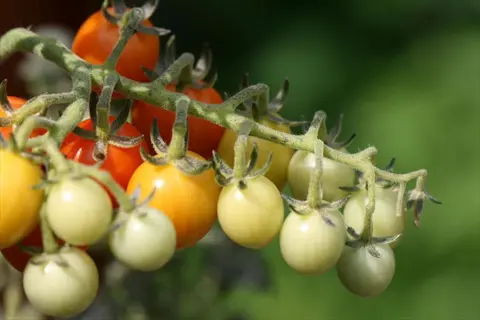
Cherry Tomatoes (Sweet 100)
- Type: Indeterminate variety that grows 5 to 8 feet tall and produces clusters of small, round fruit throughout the growing season.
- Days to Maturity: Ready to harvest in about 65 days from transplant, making them one of the fastest producing tomato varieties for beginners.
- Flavor Profile: Sweet flavor with a good balance of acidity, perfect for fresh snacking straight from the vine or tossing into salads.
- Growing Needs: Requires sturdy support like a tall cage or trellis because the vines grow fast and produce heavy clusters of fruit all summer long.
- Beginner Appeal: Very forgiving of minor mistakes in watering and fertilizing, and the steady harvest keeps new gardeners motivated throughout the season.
- Best Use: Ideal for eating fresh, adding to salads, or roasting whole for a side dish that highlights their natural sweetness.
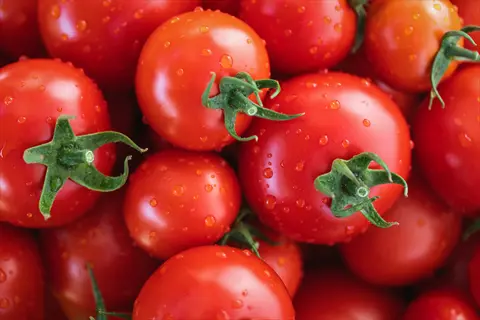
Roma Tomatoes (Paste Type)
- Type: Determinate variety that grows 24 to 36 inches tall and produces a big harvest over a 4 to 6 week window.
- Days to Maturity: Takes about 75 to 80 days from transplant to harvest, offering a clear timeline that helps beginners plan their garden schedule.
- Flavor Profile: Meaty flesh with fewer seeds and lower moisture content than slicing tomatoes, producing a thick, rich sauce without hours of cooking down.
- Growing Needs: Compact plants that do well with simple tomato cages and moderate fertilizer, needing less pruning than indeterminate types because they cap their own height.
- Beginner Appeal: Determinate growth habit means less staking and pruning work, and the big harvest window makes sauce day easy to plan for new growers.
- Best Use: Perfect for homemade pasta sauce, salsa, canning, and drying because the thick flesh and low moisture create intense tomato flavor in cooked dishes.
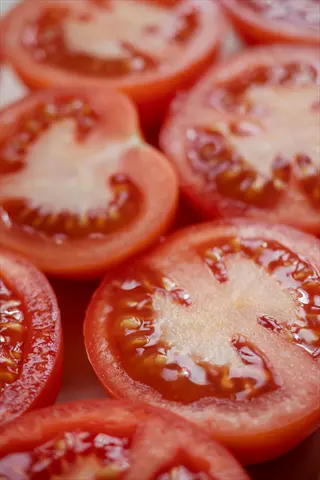
Better Boy (Hybrid Slicer)
- Type: Indeterminate hybrid variety that grows 5 to 8 feet tall with VFN disease resistance coding for multiple common soil diseases.
- Days to Maturity: Produces large slicing tomatoes in about 70 to 75 days from transplant, hitting a sweet spot between early and mid season production.
- Flavor Profile: Classic tomato flavor with a balanced sweet to acid ratio that makes these a staple for sandwiches, burgers, and fresh summer plates.
- Growing Needs: Requires strong support and regular pruning of suckers because the heavy fruit can snap branches that lack proper backing during peak production.
- Beginner Appeal: VFN disease resistance means fewer problems with Verticillium wilt, Fusarium wilt, and nematodes, letting beginners focus on basic care instead of disease issues.
- Best Use: The go to slicer for thick sandwich slices, fresh summer salads, and any recipe that calls for a large, flavorful tomato with good texture.
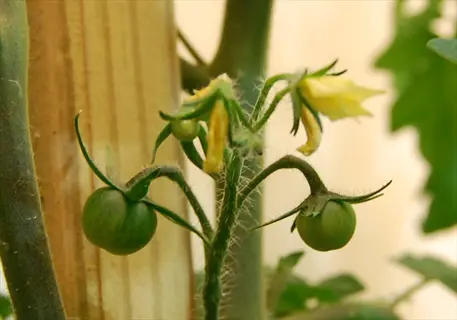
Early Girl (Fast Producer)
- Type: Indeterminate variety that grows 4 to 6 feet tall and starts producing fruit earlier than most full size tomato varieties.
- Days to Maturity: One of the fastest full size tomatoes at just 50 to 62 days from transplant, perfect for short growing seasons in northern climates.
- Flavor Profile: Good flavor for an early variety with moderate sweetness, though not quite as complex as longer season types that develop flavor over more time.
- Growing Needs: Adapts to cooler conditions than most tomatoes and sets fruit even when nighttime temperatures dip below the ideal range for other varieties.
- Beginner Appeal: Quick results keep first time growers encouraged, and the cold tolerance provides a wider planting window so beginners have more room for timing errors.
- Best Use: Excellent for gardeners in cooler climates or anyone who wants ripe tomatoes on the table before midsummer while other varieties are still growing.
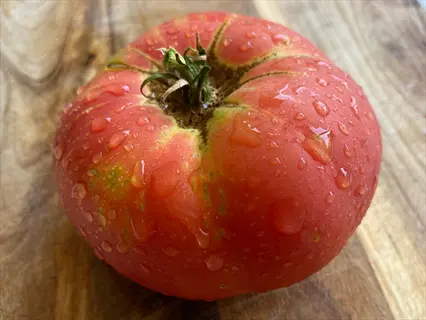
Brandywine (Heirloom)
- Type: Indeterminate heirloom variety that grows 6 to 9 feet tall and produces large, uneven fruit with old fashioned flavor.
- Days to Maturity: Takes 80 to 100 days from transplant, requiring patience but rewarding growers with some of the most flavorful tomatoes available anywhere.
- Flavor Profile: Often called one of the best tasting tomatoes ever grown, with a rich, complex sweetness and creamy texture that store bought tomatoes can't match.
- Growing Needs: Needs strong support and consistent watering because heirloom varieties lack the disease resistance bred into modern hybrids, making care more hands on.
- Beginner Appeal: Best suited for second year beginners who have basic skills in place, because the longer season and disease risk require a bit more attention.
- Best Use: Showcase tomato for fresh eating where the flavor shines, including Caprese salads, open faced sandwiches, and simple sliced plates with salt.
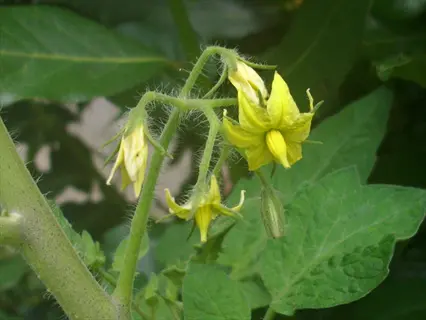
San Marzano (Italian Paste)
- Type: Indeterminate variety that grows 5 to 6 feet tall and produces long, pointed fruit prized by Italian cooks for authentic sauce recipes.
- Days to Maturity: Ready in about 78 to 85 days from transplant, fitting well into most growing seasons across temperate climate zones in the United States.
- Flavor Profile: Sweet, low acid flesh with a strong tomato taste that gets even better when cooked, making this the gold standard for homemade marinara and pizza sauce.
- Growing Needs: Tall vines require staking or caging, and consistent watering prevents the thin skin from cracking during periods of heavy rain after dry spells.
- Beginner Appeal: Heavy producer that rewards basic care with large harvests, and the long shape makes them easy to spot on the vine when they're ready to pick.
- Best Use: The ultimate sauce tomato for authentic Italian cooking, canning whole, and making tomato paste from scratch with minimal effort and great flavor.
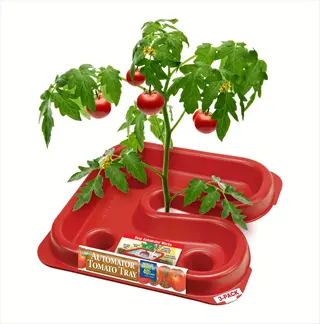
Patio Princess (Container)
- Type: Determinate dwarf variety that grows just 24 to 30 inches tall, bred for growing in pots, window boxes, and small spaces.
- Days to Maturity: Produces ripe fruit in about 65 to 70 days from transplant, providing a quick harvest for container gardeners with limited outdoor space.
- Flavor Profile: Sweet, medium sized fruit with good flavor that holds its own against larger garden varieties despite the compact plant size and limited root space.
- Growing Needs: Thrives in containers as small as 5 gallons and needs minimal support, though a small cage helps keep fruit off the pot rim.
- Beginner Appeal: Perfect entry point for apartment dwellers, balcony gardeners, and anyone without yard space who still wants to grow fresh tomatoes at home.
- Best Use: Ideal for patios, balconies, and small decks where space is limited but the desire for fresh, homegrown tomatoes is not.
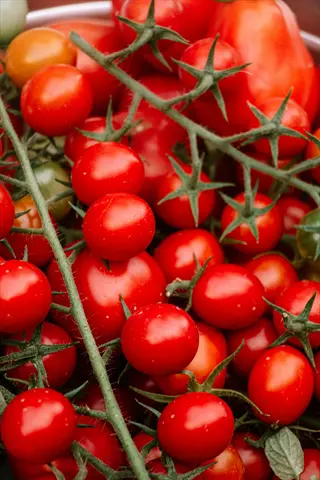
Grape Tomatoes (Juliet)
- Type: Indeterminate variety that grows 5 to 6 feet tall and produces long chains of small, oval fruit all through the growing season.
- Days to Maturity: Ready to pick in about 60 to 65 days from transplant, making them among the earliest producers alongside cherry varieties for quick garden results.
- Flavor Profile: Sweeter and less prone to splitting than cherry tomatoes, with a firm texture that holds up well in lunchboxes, salads, and roasted veggie platters.
- Growing Needs: Fast growers that need tall support and regular tying to trellises, because the heavy fruit clusters can weigh down branches that lack backing.
- Beginner Appeal: Productive plants that give beginners a constant stream of fruit to harvest, creating a rewarding growing experience from early summer through first frost.
- Best Use: Excellent for fresh snacking, roasting on baking sheets with olive oil, adding to grain bowls, and packing in lunches because the firm skin resists bruising.
Start with just 2 or 3 varieties your first year so you can learn what each plant needs without feeling stretched too thin. A cherry type for snacking and a slicer for the kitchen table give most new growers the best first season results.
Fertilizer and Soil Nutrition
Getting the best soil for tomatoes starts weeks before you put a single plant in the ground. I learned this the hard way when my first batch of plants grew huge green bushes but almost no fruit. Too much nitrogen was the problem. Feeding tomatoes is like fueling an athlete. Too much nitrogen is like eating nothing but carbs, while a balanced NPK ratio for tomatoes builds a plant that performs at its peak.
Your tomato soil pH should sit at about 6.5 for the best results per Oklahoma State. Mix in compost for tomato plants about 2 weeks before you transplant so the soil can settle. Soil amendments like aged compost create that loose, well drained base your tomato roots need. Loose soil lets roots spread out fast and grab more water.
This tomato fertilizer schedule shows you what to feed and when at each stage. Follow it and you won't overdo the nitrogen that turns your plants into all leaves and no fruit.
Watch for blossom drop if night temps fall below 60°F (16°C) or rise above 70°F (21°C). Even the best feeding schedule can't fix heat stress, so keep your soil moist and mulched during extreme temperature swings to protect your plants.
Staking and Training Systems
Your tomato support systems can make or break your harvest. I lost an entire row of Better Boys one summer because I used cheap wire cages that bent under the weight of ripe fruit. Training tomato plants to grow upright keeps fruit off the ground, cuts down on rot, and makes picking so much easier at harvest time.
Think of the choice between tomato cages vs stakes like choosing a house. A cage is a studio apartment: compact and easy for small plants. Staking tomatoes is more like a townhouse: vertical and efficient for bigger growers. A trellis for tomatoes is the mansion option: spacious, airy, and great for rows of tall vines. The Florida weave method falls somewhere between a stake and a trellis and works best for larger gardens.
Wire Tomato Cages
- Best For: Determinate bush varieties and smaller indeterminate plants that stay under 4 feet tall throughout the growing season.
- Setup: Place the cage over the plant at transplant time and push the legs 6 inches into the soil for stability against wind and heavy fruit.
- Advantage: Requires zero tying or training because branches grow through the wire rings as the plant expands, making cages the lowest maintenance support option.
Wooden or Metal Stakes
- Best For: Indeterminate varieties that grow tall and heavy, where you want to control the plant shape and keep fruit off the ground for cleaner harvests.
- Setup: Drive a 6 to 8 foot stake at least 12 inches deep and 3 to 4 inches from the main stem at planting time.
- Advantage: Allows close spacing between plants and easy access for checking pests, watching fruit growth, and harvesting from all sides of the plant.
Trellis and String Systems
- Best For: Gardeners growing multiple indeterminate plants in a row who want a clean, organized system that boosts air flow between plants.
- Setup: Run a wire or board between two sturdy end posts at 6 feet high, then tie twine from the wire down to the base of each plant.
- Advantage: Produces the best air flow of any support method, reducing fungal disease risk while giving each plant a dedicated vertical growing line.
Florida Weave Method
- Best For: Rows of determinate or semi determinate tomatoes in larger gardens where individual caging would cost too much and take too long to set up.
- Setup: Place stakes every 2 to 3 plants, then weave twine in a figure eight pattern around each stake and plant, adding new string layers as the plants grow.
- Advantage: Supports an entire row of plants with just a few stakes and a ball of twine, costing far less than individual cages while keeping plants upright.
Install your chosen support system on the same day you transplant your tomatoes. Adding cages or stakes later means you risk cutting roots that have already started to spread under the soil.
Small Space and Raised Beds
Growing tomatoes in small spaces is easier than most people think. I grew my best cherry tomatoes on a 4 foot wide balcony with just 3 pots and a wall trellis. A raised bed tomato garden works like a high rise apartment building. You grow more food in less ground space by going vertical and picking compact tomato varieties built for tight spots.
Raised bed tomatoes and patio gardening setups help you save water too. Drip systems use less than half the water of normal methods per Oklahoma State. Balcony tomato growing works great if you get 6 hours of sun on your ledge. Vertical tomato gardening lets you grow more food per square foot than flat beds.
Raised Bed Tomato Gardens
- Dimensions: Build beds at least 12 inches deep and 3 to 4 feet wide so you can reach the center from either side without stepping on the soil.
- Spacing: Plant tomatoes 18 to 24 inches apart in raised beds because the improved soil allows tighter spacing than traditional in ground rows.
- Advantage: Raised beds warm up faster in spring, drain better than flat ground, and let you fill them with the exact soil blend your tomatoes prefer.
Balcony and Patio Setups
- Weight Check: A 10 gallon pot full of wet soil weighs about 50 to 60 pounds, so confirm your balcony's weight limit before placing multiple containers.
- Sun Tracking: Monitor your balcony throughout the day to find spots that receive at least 6 hours of direct light, and rotate pots each week if sunlight is uneven.
- Wind Protection: Place containers against a wall or railing for wind shelter because exposed balcony plants dry out faster and suffer stem damage in strong gusts.
Vertical Growing Methods
- Upside Down Planters: Hanging planters let cherry and grape tomatoes grow downward from overhead hooks, freeing up floor space on small patios and balconies.
- Wall Mounted Trellises: Attach a trellis flat against a south facing wall and train indeterminate vines upward, using the wall's reflected heat to boost growth and ripening speed.
- Tiered Shelving: Stack containers on sturdy outdoor shelving to grow 3 to 4 plants in the footprint of one, provided each shelf receives enough direct sunlight.
Maximizing Yield Per Square Foot
- Variety Selection: Choose determinate or dwarf varieties like Patio Princess or Tiny Tim for containers, reserving ground space or large pots for one indeterminate plant.
- Companion Planting: Tuck basil, marigolds, or lettuce around the base of tomato containers to use every inch of growing space and deter pests at the same time.
- Succession Planting: Start a second round of seedlings 3 to 4 weeks after your first transplants so you have fresh plants ready when early season varieties finish producing.
You don't need a big yard to grow great tomatoes. Even 3 to 5 plants in containers on a sunny patio can give you enough fresh fruit for salads and snacking all summer long.
Harvesting and Storing Tomatoes
Knowing when to harvest tomatoes makes the difference between great flavor and a bland bite. I pick most of mine at the breaker stage when the bottom just starts to blush pink. A tomato picked at this stage is like a banana bought green. It finishes ripening at home with full flavor and zero bruising from the trip inside.
Look for these ripeness indicators on each fruit. The bottom turns from green to pink or orange first. The skin gives a tiny bit when you press it. The fruit twists off the vine with a gentle tug. Storing tomatoes the right way keeps that fresh taste for up to 2 weeks on your counter.
Here's how to ripen green tomatoes if frost is coming or you need to clear your vines at the end of the season.
Tomato preservation goes beyond fresh eating if you have a big harvest. Canning tomatoes locks in flavor for months on your shelf. Oklahoma State says to add 2 tablespoons of bottled lemon juice per quart for safe acid levels. In my experience, canned tomatoes taste better than store bought. NIH research also shows that cooking tomatoes boosts lycopene absorption so your jars are healthier than raw fruit.
5 Common Myths
Adding Epsom salts to your tomato plants will make them grow faster and produce more fruit regardless of soil conditions.
University of Maryland Extension advises against adding Epsom salts unless a soil test confirms a magnesium deficiency, because excess magnesium can block calcium uptake.
You should water tomato plants a little bit every single day to keep the soil surface constantly moist for best results.
Deep watering once or twice per week encourages roots to grow deeper and stronger, while daily shallow watering creates weak surface roots prone to heat stress.
All tomato varieties grow the same way, so you can treat determinate and indeterminate types with identical care and pruning.
Determinate tomatoes grow to a fixed height of 24 to 30 inches (61 to 76 centimeters) and set fruit at once, while indeterminate varieties grow over 5 feet (1.5 meters) tall and need ongoing support and pruning.
Storing ripe tomatoes in the refrigerator is the best way to keep them fresh and preserve their full flavor for longer periods.
Colorado State University Extension notes that storing tomatoes below 50F (10C) gives fruit a bland, off-flavor because cold temperatures break down flavor-producing compounds.
Blossom end rot on tomatoes is caused by not adding enough calcium supplements or bone meal directly to the planting hole.
Blossom end rot results from inconsistent watering that prevents the plant from absorbing available calcium in the soil, not from a lack of calcium in the ground itself.
Conclusion
You now have every tool you need to grow tomatoes from seed to harvest this season. This tomato growing guide walked you through planting, feeding, staking, and picking your fruit at the right time. Each plant you grow can give you 10 to 15 pounds of fresh tomatoes per the University of Maryland Extension. That's real food on your table from your own back yard.
Beginner tomato gardening gets easier every year you do it. I went from 3 plants to over 20 within 2 years because it all felt natural after my first harvest. Good tomato plant care stays the same no matter how many plants you grow. Water at the base, feed on schedule, and give your plants strong support from day one.
Your homegrown tomatoes pack more flavor and nutrition than store bought fruit. NIH research shows that eating tomatoes with olive oil boosts lycopene absorption by 4.4 times. Regular intake also cuts prostate cancer risk by 23%. Americans eat about 31.4 pounds of tomatoes per person each year. Growing your own saves money and gives you better food.
Your first tomato harvest is just the start. It's like planting one seed and ending up with a garden full of fresh food to share. Pick up a few plants this spring, follow the steps in this guide, and watch your garden grow into something you're proud of.
External Sources
Frequently Asked Questions
Which factors are key for successful tomato growth?
Full sun exposure of 6 to 8 hours daily, well-drained soil with pH 6.2 to 6.8, consistent watering of 1 to 2 inches per week, and warm temperatures above 55F (13C) at night are the main factors for successful tomato growth.
How frequently should I water tomato plants?
Water tomato plants deeply once or twice per week to provide 1 inch (2.5 centimeters) of moisture in spring and up to 2 inches (5 centimeters) per week during peak summer months.
Can tomatoes grow better in pots or gardens?
Both methods work well when done correctly, though in-ground gardens offer more root space and moisture stability, while pots provide portability and better drainage control.
Can eggshells be effective for tomato plants?
Crushed eggshells provide minimal calcium because they break down very slowly in soil, so a soil test and targeted amendments work better for preventing calcium-related problems.
Which method works best for pruning tomatoes?
Remove suckers that grow between the main stem and branches on indeterminate varieties, but leave determinate varieties mostly unpruned since their fruit sets on those branches.
What is the best way to protect tomatoes from pests?
Use crop rotation, inspect plants weekly for hornworms and aphids, maintain good air circulation, remove diseased leaves promptly, and consider companion planting with basil and marigolds.
Which soil mix for containers is ideal?
Combine equal parts quality potting mix and compost, then add perlite for drainage, creating a lightweight blend that holds moisture without becoming waterlogged.
What causes my tomato leaves to turn yellow?
Yellow tomato leaves typically result from overwatering, nitrogen deficiency, early blight fungal infection, or natural aging of lower leaves as the plant matures and redirects energy upward.
Is it okay to grow tomatoes from grocery store fruits?
Yes, you can save seeds from grocery store tomatoes and grow them, though hybrid varieties may not produce fruit identical to the parent plant.
How can I tell when tomatoes are ripe?
Ripe tomatoes have uniform color, feel slightly soft when gently squeezed, and release easily from the vine with a slight twist.