
Introduction
I bit into my first garden strawberry 8 years ago and realized that store fruit had been lying to me the whole time. That single warm berry sent me on a mission to learn everything about growing my own. How to Grow Strawberries: A Complete Step-by-Step Guide is what I wish someone had handed me back then. If you've tasted a berry straight off the plant, you already know the flavor gap is massive.
Strawberries rank third among all fruit grown in the United States. They pull in over $2 billion in annual farm gate sales according to USDA data. Yet that huge industry can't touch what your backyard produces in taste. Store berries get picked green to survive shipping and cold storage. Your home berries stay on the vine until sugars and acids peak, and that science is the real secret most guides never bother to explain.
This strawberry growing guide walks you through everything from soil prep to your first harvest. Growing strawberries at home is like having a personal fruit stand that restocks itself for up to 5 years with the right care. You don't need a farm or a green thumb to get started. I've tested dozens of varieties in my own garden, and a small patch of 25 to 50 plants can feed a family of 4 all season long.
Below you'll find the best varieties, planting steps, and feeding science that turn bare dirt into a berry factory. Let's get your hands in the soil and your first strawberry harvest on the table this year.
8 Best Strawberry Varieties
Picking the right strawberry varieties is the most important decision you'll make before you plant a single crown. I think of it like choosing a car model. June-bearing strawberries are the family SUV with one big seasonal payload. Everbearing strawberries give you 2 crops per year. Day-neutral strawberries act as your daily commuter, delivering fresh batches from spring through fall frost.
Penn State Extension data shows that berries ripen about 28 to 30 days after full bloom no matter the type. Spacing changes based on what you pick. June-bearing plants need 18 to 24 inches apart in rows at least 36 inches wide. Day-neutral types fit closer at just 5 to 9 inches apart. I grow all 3 types in my garden. The best strawberry varieties for beginners are the ones I've listed below.
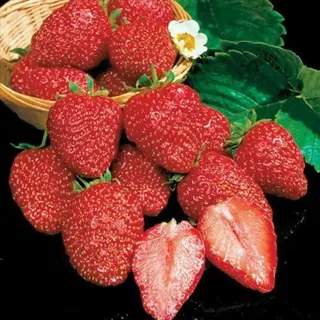
Earliglow (June-Bearing)
- Type: June-bearing variety that produces one large concentrated harvest in early summer, making it ideal for gardeners who want a big picking window for preserving and freezing.
- Flavor: Widely considered one of the best-tasting strawberries available with exceptional sweetness and strong classic strawberry aroma that surpasses most grocery store fruit.
- Hardiness: Performs well in USDA zones 4 through 8, tolerating cold winters with proper straw mulch protection of 4 to 6 inches (10 to 15 centimeters).
- Disease Resistance: Shows strong resistance to red stele root rot and verticillium wilt, two of the most common strawberry diseases in home gardens.
- Yield: Produces medium-sized berries with an expected yield of approximately 1 quart (0.95 liters) per established plant during peak season.
- Best For: Excellent choice for northern gardeners and beginners who want reliable disease-resistant plants that produce intensely flavored fruit for jams and fresh eating.
Chandler (June-Bearing)
- Type: June-bearing variety originally developed in California that produces exceptionally large berries, often reaching 2 inches (5 centimeters) or more in diameter.
- Flavor: Sweet and juicy with a firm texture that holds up well during harvest and transport, making it a favorite at farmers markets and pick-your-own operations.
- Hardiness: Best suited for USDA zones 5 through 8 and performs particularly well in warmer climates with mild winters and long growing seasons.
- Yield: High-yielding variety that produces some of the largest berries among June-bearers, with extended harvest periods of up to three weeks in favorable conditions.
- Growing Notes: Requires full sun of at least 6 hours daily and benefits from raised beds in areas with heavy clay soil to improve drainage around roots.
- Best For: Ideal for gardeners in warmer regions who want impressively large berries for fresh eating, desserts, and chocolate-dipping presentations.
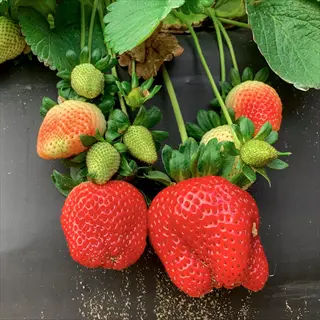
Allstar (June-Bearing)
- Type: June-bearing variety known for producing large symmetrical berries with consistent size throughout the entire harvest window of approximately three weeks.
- Flavor: Mild sweet flavor with a firm texture that makes it one of the best choices for fresh eating and fruit salads where berry appearance matters.
- Hardiness: Extremely adaptable across USDA zones 4 through 8, making it one of the most widely grown June-bearing varieties in North American home gardens.
- Disease Resistance: Offers excellent resistance to red stele, verticillium wilt, and leaf scorch, reducing the need for chemical treatments in home garden settings.
- Yield: Consistently high yields with large uniform fruit that can reach 1 to 1.25 pounds (0.45 to 0.57 kilograms) per plant under optimal growing conditions.
- Best For: Perfect for beginners who want a forgiving and reliable variety that produces attractive large berries even without perfectly optimized soil conditions.
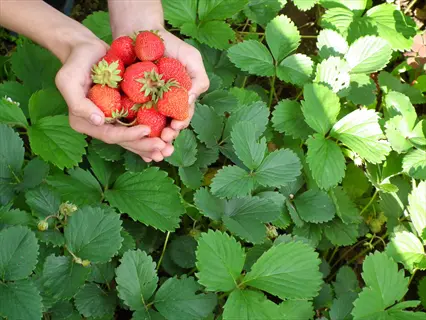
Ozark Beauty (Everbearing)
- Type: Everbearing variety that produces two distinct harvests per season, one in early summer and another in early fall, extending your fresh strawberry window significantly.
- Flavor: Sweet and aromatic berries with good size for an everbearing type, often surprising growers who expect smaller fruit from repeat-bearing plants.
- Hardiness: Thrives in USDA zones 4 through 8 and handles temperature swings well, making it popular across a wide range of North American climates.
- Runner Production: Produces abundant runners that can fill a bed quickly, so plan for regular runner management to keep plants spaced properly at 18 inches (45 centimeters).
- Container Suitability: Works well in large containers of at least 12 inches (30 centimeters) diameter and hanging baskets because of its moderate plant size and dual harvests.
- Best For: Great choice for gardeners who want fresh strawberries across two separate seasons without committing to the daily monitoring that day-neutral types require.
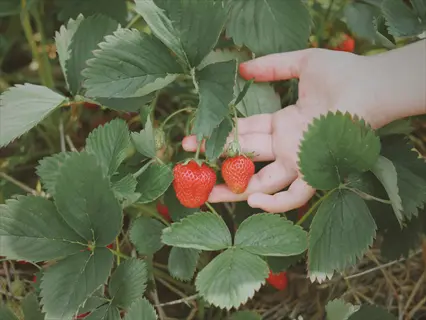
Seascape (Day-Neutral)
- Type: Day-neutral variety that produces fruit continuously from late spring through fall frost, offering the longest possible harvest season for home gardeners.
- Flavor: Large sweet berries with excellent flavor that rivals many June-bearing varieties, defying the common assumption that continuous-bearing types sacrifice taste for production.
- Hardiness: Performs best in USDA zones 4 through 8 and originally developed at the University of California for commercial production in cooler coastal climates.
- Spacing: Plant 5 to 9 inches (12 to 23 centimeters) apart in the matted row or hill system, much closer than June-bearing types because day-neutrals produce fewer runners.
- Temperature Sensitivity: Stops flowering when temperatures exceed 85 degrees Fahrenheit (29 degrees Celsius), so hot-climate growers should provide afternoon shade during peak summer.
- Best For: Ideal for gardeners who want a steady supply of fresh strawberries for daily picking rather than one overwhelming harvest to process all at once.
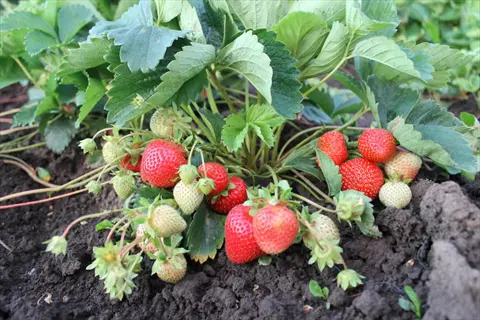
Albion (Day-Neutral)
- Type: Day-neutral variety developed by the University of California that produces firm conical berries continuously from spring through fall with minimal runner production.
- Flavor: Exceptionally sweet with a complex flavor profile that includes hints of traditional strawberry aroma, consistently rated among the best-tasting day-neutral cultivars available.
- Hardiness: Grows well in USDA zones 4 through 8 and handles moderate heat better than many day-neutral varieties, though afternoon shade helps in zones 7 and 8.
- Disease Resistance: Shows strong resistance to verticillium wilt, phytophthora crown rot, and anthracnose, which reduces maintenance compared to more disease-prone varieties.
- Yield: Produces medium to large berries throughout the season with peak production during cooler spring and fall months when temperatures stay between 60 and 80 degrees Fahrenheit (15 to 26 degrees Celsius).
- Best For: Excellent for gardeners who prioritize flavor and want a disease-resistant day-neutral that produces consistently beautiful berries for fresh eating and garnishing.
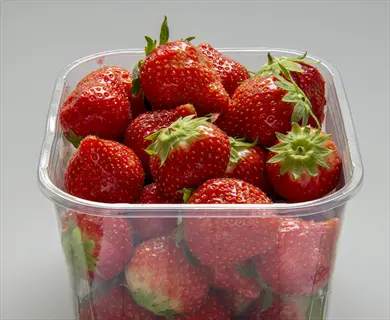
Tristar (Day-Neutral)
- Type: Day-neutral variety that produces small to medium berries continuously from June through October, valued for its intense flavor concentration in smaller-sized fruit.
- Flavor: Exceptionally sweet and aromatic with a flavor intensity that exceeds most larger-fruited varieties, making it a top pick for gardeners who prioritize taste over size.
- Hardiness: One of the most cold-tolerant day-neutral varieties available, performing reliably in USDA zones 3 through 8 with proper winter mulch protection.
- Container Growing: Compact plant size makes Tristar one of the best options for container growing in pots as small as 10 inches (25 centimeters) in diameter.
- Yield: Produces approximately 1 quart (0.95 liters) per plant across the full season when flowers are left intact, with heaviest production in cooler months.
- Best For: Perfect for northern gardeners in cold climates and container growers who want intensely flavored berries from a compact and cold-hardy day-neutral variety.
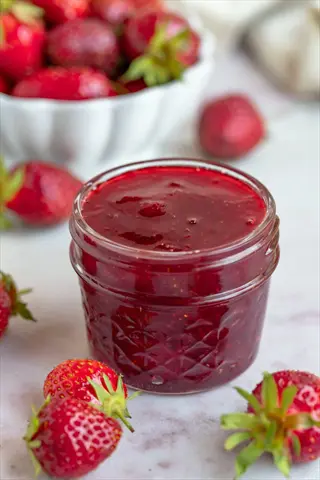
Sparkle (June-Bearing)
- Type: June-bearing heritage variety that has been a home garden staple for decades, producing medium-sized deep red berries with a distinctive old-fashioned strawberry flavor.
- Flavor: Rich sweet-tart balance with soft juicy flesh that makes Sparkle the top choice for homemade jams, preserves, and strawberry shortcake among experienced growers.
- Hardiness: Extremely cold-hardy across USDA zones 3 through 8, making it one of the most reliable choices for northern gardens with harsh winter conditions.
- Runner Production: Vigorous runner producer capable of generating up to 120 daughter plants per season, so consistent thinning is necessary to maintain proper spacing and airflow.
- Harvest Timing: Ripens later than most June-bearing varieties, extending the overall strawberry season when planted alongside early-ripening types like Earliglow.
- Best For: Ideal for gardeners who want a proven heritage variety with exceptional preserving qualities and the resilience to thrive in the coldest growing zones.
My best advice is to plant at least 2 different types for a longer harvest window. Pair an early June-bearer like Earliglow with a day-neutral like Seascape and you'll pick fresh berries from late spring through the first fall frost. That combo gives you the best of both worlds without much extra work in the garden.
Soil Preparation and pH Testing
Your soil makes or breaks your strawberry crop before a single plant goes in the ground. I learned this the hard way when my first bed failed and a soil test showed the pH was way off. Think of strawberry soil pH like a locked door. If the number is wrong, nutrients sit in the soil but your plants can't access them no matter how much fertilizer you dump on top.
NC State research names low pH as the most common soil problem in strawberry fields. Your target is a pH of 6.0 for mineral soils and 5.5 for organic soils. Strawberry soil requirements also call for well-drained soil with a sandy loam texture as the ideal base. You can buy a simple soil test kit at any garden center or send a sample to your local extension office for about $15 to $25.
Here's how soil testing strawberries works in practice. Grab a clean trowel and scoop soil from 6 inches deep in several spots across your planned bed. Mix those samples together in a clean bucket, let the mix dry, and send it off or test at home. Penn State Extension shows that 90% of strawberry roots live in the top 6 inches, so that's the zone you need to get right.
If your pH test comes back too low you'll need to add lime to raise it. NC State says lime takes 3 to 12 months to change your soil pH, so plan this step well before planting day. Spread the lime across your bed and work it into the top 6 inches of soil. If your soil runs too high on the pH scale, mix in elemental sulfur to bring it down.
While you wait for pH to settle, mix 2 to 4 inches of organic matter into your bed. Compost, aged manure, or leaf mold all work great for adding organic matter strawberries love. This step improves drainage in clay soil and boosts water retention in sandy loam soil. I add compost to my beds every fall and the difference in berry size shows up fast the next spring.
Skip the pH test and you're planting blind. I've watched gardeners waste cash on fancy fertilizers. A $20 soil test would have shown them the real fix was locked up nutrients, not a lack of them. Get the soil right first and everything else about growing strawberries gets easier.
Planting Strawberries Step by Step
Getting your strawberry planting depth right matters more than any other step on planting day. I've watched new gardeners bury the crown too deep or leave it too high. Both mistakes kill plants within weeks. When I teach friends how to plant strawberries, I tell them to follow 3 simple checkpoints: root prep, crown placement at the soil line, and firm soil contact.
Start with your bare root strawberries by trimming any roots longer than 4 to 6 inches with clean scissors. UMD Extension recommends this step because long tangled roots tend to bunch up in the hole. Fan the trimmed roots outward and downward as you lower the plant into the soil. Crown planting strawberries means placing that thick nub right at the soil surface. Too deep and it rots. Too high and the roots dry out.
Penn State Extension says to get your plants in the ground no later than June 1 in northern zones. April is the sweet spot if your soil is workable. For spots with heavy clay or poor drainage, UMD recommends raised bed strawberries built at least 12 inches above grade. Use the strawberry spacing guide below to set each plant at the right distance for its type.
After you set each plant, press the soil down with your fingers around the roots to close any air gaps. Water each crown right away so the soil settles tight against the roots. I check my new plants every day for the first week to make sure no crowns have pushed up or sunk down after watering. That one habit saves me from losing plants every spring.
Feeding and Nutrient Science
Most strawberry guides tell you to add fertilizer and leave it at that. But NC State research breaks down what each nutrient does to your berries, and this data changed how I feed my own plants. Think of it this way. Nitrogen is the growth engine that controls berry size. Potassium is the flavor dial that sets sweetness. Calcium acts as the structural beam that keeps berries firm on the vine.
Penn State Extension recommends 2 pounds of 10-10-10 strawberry fertilizer per 100 feet of row at planting time. Mix phosphorus into the soil before you plant because it won't move through dirt on its own. For nitrogen fertilizer strawberries do best with split doses. Give them a light feed at planting. Then add another round after the first harvest wraps up.
NC State also found that the most common nutrient gaps in strawberry tissue are nitrogen, sulfur, and magnesium. A high potash feed during fruiting gives you sweeter berries with richer color. I add compost for strawberries every fall at about 2 inches thick across the bed. That compost handles most micronutrient gaps on its own. Good strawberry nutrient management means feeding the soil, not just the plant.
Watch your leaves for the signs in the table above. Pale green leaves point to a nitrogen shortage. Brown edges mean your potassium is low. Catching these signals early lets you fix the problem before it hurts your harvest.
Runner and Pollination Management
Strawberry runners can turn a small bed into a jungle if you let them go wild. UMN Extension data shows that a single June-bearing plant can send out enough strawberry runners to create up to 120 daughter plants in one season. That sounds great until those plants crowd each other and your berries shrink. Managing strawberry runners is one of the skills that separates a good patch from a great one.
I treat runner management like a decision tree with 3 clear steps. First, keep 3 to 4 runners per plant for bed expansion. Second, clip all other runners at the base as soon as you spot them. Third, pin the runners you kept into the soil or into small pots filled with compost for propagating strawberry runners. Runner rooting takes about 4 to 6 weeks before you can snip the cord from the mother plant.
Each rooted runner becomes a free daughter plant that you can move to a new bed or share with friends. I've filled 3 full beds using nothing but runners from my first 10 plants. The key is to pin them down while the node is still white and fresh. Wait too long and the runner tip dries out before it can root.
Now here's the part most guides skip. Strawberry pollination plays a huge role in berry size and shape. UMN Extension confirms that strawberries are self-fertile, but they still need bees for complete pollination. Wind can move some pollen around inside the flower, but it won't reach every pistil. The result of poor pollination is small, lumpy, misshapen fruit that never fills out.
I plant flowers like clover and borage near my strawberry beds to draw bees in during bloom time. You can also avoid spraying any pest treatments during the morning hours when bees are most active on the blooms. If your berries come out lumpy and odd shaped, weak pollination is the first thing to check. More bees means bigger, rounder, and more uniform fruit at every harvest.
Pests, Diseases, and Solutions
You will deal with strawberry pests and strawberry diseases at some point in your garden. I lost half a bed to gray mold strawberries one wet spring before I knew the warning signs. UMD Extension lists gray mold, anthracnose fruit rot, and leaf spot as the top diseases. Common strawberry pests include tarnished plant bugs, sap beetles, and slugs strawberries attract in damp weather.
The list below breaks each problem into 3 parts: how to spot it, what damage it causes, and how to treat it. I use organic pest control strawberries methods because I eat berries right off the plant. You'll also find the bird protection strawberries need since birds can clean out your ripe bed in a single morning.
Gray Mold (Botrytis)
- Identify: Fuzzy gray-brown coating appears on ripe and nearly ripe berries, especially during wet and humid weather conditions when airflow around plants is restricted.
- Damage: Infected berries become soft and covered in gray spores that spread rapidly to nearby fruit, capable of ruining an entire harvest within days if not controlled.
- Prevention: Space plants 18 to 24 inches (45 to 60 centimeters) apart for good airflow, water at the base to keep foliage dry, and remove all damaged fruit immediately.
- Treatment: Apply sulfur-based fungicide approved for edible crops early in the season before flowering begins, and remove any infected berries to prevent spore spread.
Slugs and Snails
- Identify: Irregular holes chewed into berries and leaves, with silvery slime trails visible on soil and plant surfaces, most active during cool damp nights.
- Damage: Slugs feed on ripening fruit near the ground, creating deep holes that invite secondary rot and make berries unmarketable or unappetizing for fresh eating.
- Prevention: Apply straw mulch between rows to create a dry barrier, elevate fruit off soil with mulch, and water in the morning so soil dries by nightfall.
- Treatment: Use iron phosphate slug bait spread around plants, or set beer traps by burying small containers at soil level to attract and drown slugs.
Birds
- Identify: Berries disappear or show peck marks with irregular chunks removed, typically starting with the first ripe red berries in the patch while green ones remain untouched.
- Damage: Birds can strip a strawberry bed of ripe fruit within hours, particularly problematic during early morning feeding when gardeners are not present to deter them.
- Prevention: Install bird netting supported on hoops or stakes at least 6 inches (15 centimeters) above the tallest plants so netting does not rest directly on fruit.
- Treatment: Cover individual clusters with organza bags or lightweight mesh for small plantings, or use reflective tape stretched between stakes as a visual deterrent.
Verticillium Wilt
- Identify: Outer leaves wilt and turn brown while inner leaves remain green initially; plants eventually collapse and die as the fungus blocks water movement through stems.
- Damage: Infected plants produce progressively smaller and fewer berries before dying completely, and the fungus persists in soil for years making the site unusable for strawberries.
- Prevention: Never plant strawberries in soil where tomatoes, peppers, eggplant, or potatoes grew within the previous three years because these crops harbor verticillium wilt.
- Treatment: No cure exists for infected plants, which must be removed and destroyed; choose resistant varieties like Allstar and Earliglow, and rotate to a clean planting site.
Tarnished Plant Bugs
- Identify: Small brownish-green bugs approximately one-quarter inch (6 millimeters) long that feed on flowers and developing fruit, often hiding under leaves during the day.
- Damage: Feeding causes characteristic misshapen berries with hard seedy tips called catfacing because the insect prevents normal seed and flesh development around the blossom end.
- Prevention: Keep the area around strawberry beds mowed and free of weeds because tarnished plant bugs breed in nearby tall grasses and broadleaf weeds.
- Treatment: Apply insecticidal soap sprayed directly on visible bugs in early morning when they are sluggish, and remove damaged fruit to monitor whether populations are declining.
The biggest lesson I've learned about pest control is that prevention beats treatment every time. Good spacing, clean beds, and crop rotation solve most problems before they start. Save the sprays for real outbreaks and let your natural predators handle the small stuff.
5 Common Myths
You must grow strawberries from seed to get the best flavor and the healthiest plants in your garden.
Most home gardeners get better results from bare-root crowns or transplants because seed-grown strawberries take much longer to establish and produce their first fruit.
Strawberries only grow well in warm southern climates and cannot survive cold northern winters.
Strawberries are cold-hardy perennials that grow in USDA zones 3 through 10 when given proper winter mulch protection of 4 to 6 inches (10 to 15 centimeters) of straw.
More water always produces bigger and sweeter strawberries so you should water as often as possible.
Overwatering causes root rot and dilutes berry flavor because strawberries need only 1 to 1.5 inches (2.5 to 3.8 centimeters) of water per week and well-drained soil.
Strawberry beds stop producing after just one or two years and must be completely replaced.
With proper annual renovation including mowing, fertilizing, and thinning, a strawberry bed can produce abundant large berries for at least five years according to Penn State Extension.
You can plant strawberries right where tomatoes or peppers grew last season without any problems.
Tomatoes, peppers, and other nightshade crops carry verticillium wilt that persists in soil and can devastate strawberry plantings for several years after infection.
Conclusion
You now have every step in this strawberry growing guide to go from bare soil to bowls full of ripe fruit. Growing strawberries is one of the most rewarding things you can do in a garden because the results show up fast. A patch of 25 to 50 plants feeds a family of 4 with fresh berries all season. Those same plants start producing fruit within their first or second year and multiply on their own through runners.
The piece most guides leave out is what happens after year one. Strawberry bed renovation is the secret to keeping your patch alive for 5 or more years of solid harvests. Each summer after your final pick, mow the foliage down, thin the crowded runners, and add a fresh round of fertilizer. That simple yearly reset keeps your plants strong and your berries big. Penn State Extension backs this up with data showing well-maintained beds produce large fruit for at least 5 seasons.
Your berries will ripen about 28 to 30 days after bloom, so you won't wait long once flowers show up. In my experience, the first white blossoms in spring are the best sight in the whole garden. When I first started growing berries, that 4 week wait felt long. Now I know the payoff makes every day of prep work worth it.
Right now is a great time to plant strawberries and get your own patch going. Order bare root crowns in late winter and test your soil pH before spring arrives. I started with just 10 plants years ago and now I harvest more berries than my family can eat. That first warm bite from your own yard will make you wonder why you waited so long.
External Sources
Frequently Asked Questions
Which mistakes when growing strawberries are common?
Planting crowns too deep, skipping soil pH testing, overwatering, and neglecting runner management are the most frequent errors that reduce strawberry harvests.
What is the best time to plant strawberries?
Plant strawberries in early spring as soon as the soil is workable, typically March through April in most regions, or in fall for warmer climates.
Could strawberries thrive in containers versus garden beds?
Strawberries grow well in both containers and garden beds, though containers require more frequent watering and feeding to match in-ground yields.
Can strawberry plants survive multiple growing seasons?
Strawberry plants are perennials that produce fruit for three to five years with proper winter protection and annual bed renovation.
What plants harm strawberry growth nearby?
Tomatoes, peppers, eggplant, and potatoes share verticillium wilt with strawberries, while fennel and brassicas can stunt their growth.
Is it better to remove strawberry flowers initially?
Remove all flowers from June-bearing strawberries during their first year so the plant directs energy into strong root and runner development.
How much water should strawberries get?
Strawberries need about 1 to 1.5 inches (2.5 to 3.8 centimeters) of water per week from rain or irrigation, applied at the base to prevent disease.
Which location maximizes strawberry production?
A site with at least six hours of direct sunlight daily, well-drained soil, and good air circulation maximizes strawberry fruit production.
When should I expect my first strawberry harvest?
Day-neutral and everbearing varieties can produce a small harvest soon after planting, but June-bearing types should have flowers removed to build stronger plants.
What is the reason to mulch strawberries with straw?
Straw mulch suppresses weeds, retains soil moisture, keeps berries clean, and protects crowns from winter freeze damage.