
Introduction
This guide on How to Grow Radishes: 7 Pro Tips for Bumper Harvests will show you the fastest path to a real garden win. Push a tiny seed into the soil and pull out a crisp, spicy root in as little as 22 days. No other vegetable gives you that kind of speed. That fast turnaround is what makes radishes the top confidence crop for anyone new to the dirt.
I started growing radishes when my first tomato plants failed and I needed proof that my patch could make food. That first row of Cherry Belles gave me 3 pounds of roots from just 10 feet of row space. I was hooked and have tested dozens of varieties across spring and fall seasons since then. In my experience, radishes teach you more about soil and timing than any other starter crop in the garden.
Most radish growing tips online miss some big facts that change your results. Radish leaves pack 4 times more flavonoids than the roots do, so you get two harvests from each plant if you eat the greens too. Radishes also thrive as a cool season crop in spring and fall when your other plants sit idle in the cold soil. You can even grow them in containers on a small patio or balcony with great results.
Four big universities list radishes in their top 5 crops for beginner gardening programs. Those schools tested hundreds of vegetables and picked radishes every time as a starter crop. When that many experts agree, you know it's a safe bet for your own beds at home.
Below you'll find 7 pro tips that took me years of trial and error to figure out. You'll get the best varieties to plant and the right soil setup for strong roots. I also share proven fixes for the most common problems that new growers face each season. Whether you have a big backyard plot or a small container on the porch, these tips will help your radishes thrive.
7 Pro Tips for Radishes
These 7 tips come from years of radish planting in my own garden beds and containers as a cool season crop. Each tip targets a specific problem that trips up growers and gives you the science behind why the fix works. Utah State and Maryland Extension studies back up what I learned through trial and error over many seasons.
Radish seed depth, thinning radishes at the right time, and succession planting are the 3 areas where most people go wrong. Get those right and you'll avoid the sad, woody roots that fill compost bins every spring. You'll learn about radish spacing in the row and how to grow container radishes on a small porch.
Time Your Planting Right
- Why it matters: Radishes are a cool-season crop that bolt and turn woody in hot weather, so planting at the right time is the single most important factor for a successful harvest.
- Spring window: Sow seeds outdoors 2 to 4 weeks before your last frost date, as soon as soil reaches 40°F (4°C), though 55 to 75°F (13 to 24°C) is the ideal germination range.
- Fall window: Plant again 4 to 6 weeks before the first fall frost for a second harvest season, as cooling temperatures improve flavor and crunch.
- Natural timing cue: If crocus flowers are blooming in your area, soil conditions are right for sowing radish seeds according to phenological planting guides.
- Hot climate tip: Gardeners in zones 9 through 11 should plant from September through March and skip summer, when heat causes bitter, pithy roots.
- Winter varieties: Daikon and Black Spanish radishes need 50 to 70 days, so start them in midsummer for a late fall harvest instead of spring.
Prepare Loose, Rich Soil
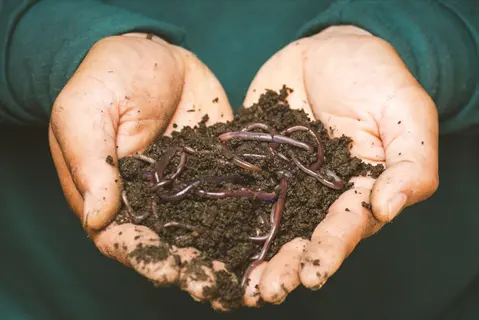
- Why it matters: Compacted or rocky soil forces radish roots to fork, twist, or remain stunted, since the bulb expands by pushing through the surrounding earth.
- Soil preparation: Work the top 6 to 8 inches (15 to 20 cm) of soil until it is loose and crumbly, removing any stones, clumps, or debris that could obstruct root growth.
- Amendment ratio: Mix in 1 inch (2.5 cm) of well-composted organic matter per 100 square feet (9.3 square meters) to improve both drainage and moisture retention.
- Target pH range: Radishes prefer a soil pH between 6.0 and 7.0, so test your soil and add lime to raise pH or sulfur to lower it if needed.
- Container option: Use a pot at least 6 inches (15 cm) deep for round varieties and 12 inches (30 cm) deep for daikon types, filled with a loose potting mix.
- Avoid fresh manure: Never add uncomposted manure before planting radishes, as it introduces excess nitrogen that promotes leafy tops instead of plump roots.
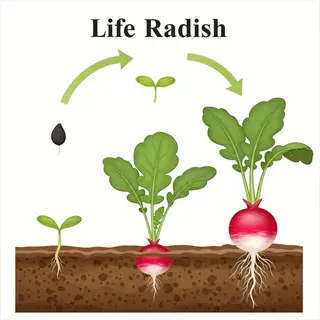
Sow Seeds at Proper Depth
- Why it matters: Planting seeds too deep slows emergence and wastes the radish's short growing window, while seeds placed too close to the surface dry out before germinating.
- Ideal depth: Sow radish seeds one quarter to one half inch (0.6 to 1.3 cm) deep in moist soil, pressing them into the ground with light pressure and covering with fine soil.
- Row spacing: Space rows 6 to 12 inches (15 to 30 cm) apart to allow airflow and easy access for thinning and harvesting without disturbing neighboring plants.
- Seed spacing: Drop seeds about 1 inch (2.5 cm) apart along the row, knowing you will thin them later once seedlings establish their first true leaves.
- Square foot method: For raised beds, plant up to 16 spring radish seeds per square foot (929 square centimeters) and thin to the strongest seedlings after germination.
- Germination timeline: Expect seedlings to emerge in 3 to 10 days depending on soil temperature, with warmer soils in the 55 to 75°F (13 to 24°C) range producing fastest results.
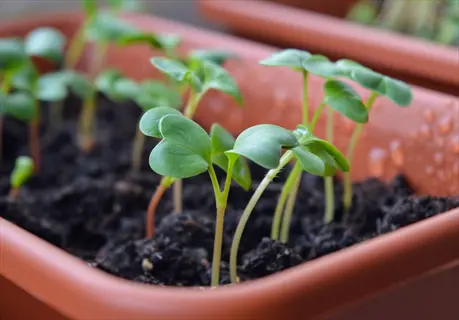
Thin Seedlings Without Mercy
- Why it matters: Crowded radish seedlings compete for water, nutrients, and underground space, producing pencil-thin roots instead of full, round bulbs worth eating.
- When to thin: Thin radish seedlings when they reach about 2 inches (5 cm) tall and have their first set of true leaves, about 5 to 7 days after germination.
- Spring varieties: Thin standard round radishes to 1 to 2 inches (2.5 to 5 cm) apart, giving each plant enough room to form a full-sized root.
- Winter and daikon types: Thin larger varieties to 2 to 4 inches (5 to 10 cm) apart, as these radishes need much more underground space to develop their long roots.
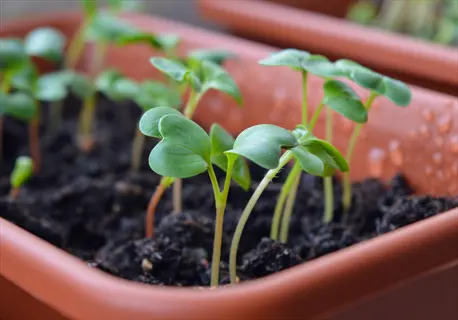
- Eat your thinnings: The tiny seedlings you pull are edible microgreens with a mild peppery flavor, perfect for adding to salads, sandwiches, or garnishing soups.
- Technique tip: Give the row a light watering before thinning so seedlings pull out with ease and don't disturb the roots of the plants you want to keep.
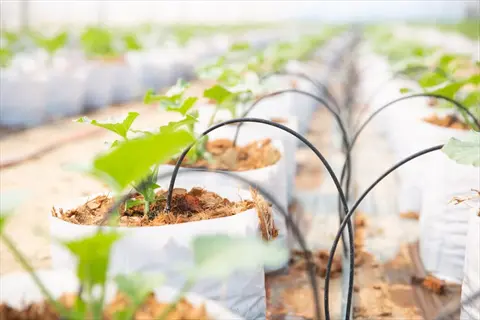
Water Consistently Every Time
- Why it matters: Moisture fluctuations are the number one cause of cracked, split, and pithy radishes according to Utah State University Extension research on root vegetable quality.
- Weekly target: Provide about 1 inch (2.5 cm) of water per week through rainfall or irrigation, adjusting upward in sandy soil or during warm spells.
- Preferred method: Drip irrigation or soaker hoses deliver water directly to the root zone without wetting foliage, reducing disease risk while maintaining even soil moisture.
- Mulch benefit: Apply a thin layer of straw or shredded leaf mulch around radish plants to retain moisture, regulate soil temperature, and reduce watering frequency.
- Danger zone: Allowing soil to dry out completely and then flooding it causes the radish interior to swell faster than the skin can stretch, resulting in painful-looking cracks.
- Finger test: Push your finger 1 inch (2.5 cm) into the soil near your radishes -- if it feels dry at that depth, it is time to water regardless of what the surface looks like.
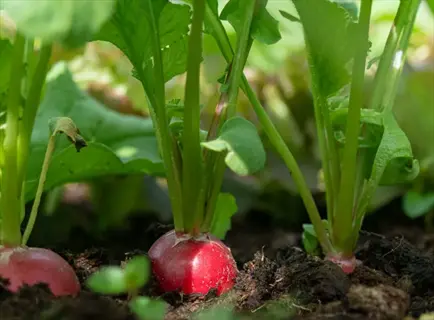
Use Succession Planting
- Why it matters: Radishes mature so fast that a single planting produces a glut of roots all ready at once, followed by nothing for weeks unless you stagger your sowings.
- Recommended interval: Sow a new short row of radish seeds every 7 to 10 days throughout the spring and fall growing windows for continuous harvests.
- UMD approach: The University of Maryland Extension suggests planting a small number of seeds every 5 days for the most frequent and steady supply of fresh radishes.
- Row length tip: A 3-foot (0.9 m) row produces enough radishes for about two meals for a family of four, making short frequent rows more practical than one long row.
- Stop timing: Cease spring succession plantings when daytime temperatures stay above 75°F (24°C), as heat causes bolting and bitter flavor.
- Resume in fall: Start a new round of succession plantings about 6 to 8 weeks before the first expected fall frost, taking advantage of cooling temperatures for peak radish quality.
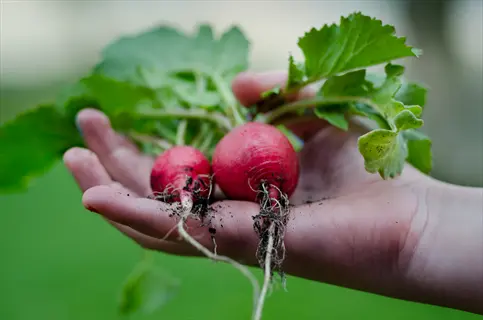
Harvest at Peak Ripeness
- Why it matters: Leaving radishes in the ground even a few days past maturity turns them from crisp and mild to woody, hollow, and unpleasantly spicy according to multiple university sources.
- Size check: Pull spring radishes when they reach about 1 inch (2.5 cm) in diameter, which you can check by brushing soil away from the top of the root.
- Calendar check: Mark your planting date and start checking at 22 days for fast varieties like Cherry Belle, up to 35 days for types like French Breakfast.
- Shoulder test: When the top of the radish root (the shoulder) pushes above the soil surface and measures about 1 inch (2.5 cm) across, it is ready to pull.
- Do not delay: Radishes remain in prime edible condition for a short window -- the University of Minnesota Extension warns they turn pithy and hot soon past peak.
- Full harvest approach: Pull the entire planting at once if most roots have reached proper size, since the remaining small ones will not improve much and may deteriorate.
The biggest lesson I learned across all these tips is that timing controls everything with radishes. Plant at the right soil temp, water on a steady schedule, and harvest before the roots sit too long. Miss any one of those windows and your whole crop suffers no matter how good your soil is.
Best Radish Varieties to Try
Picking the right radish varieties for your garden is half the battle. Radishes come in red, white, pink, purple, yellow, and even green options in both round and long shapes. I've grown over 15 types across the years and each one fills a different role on the plate and in the garden.
Think of the cherry belle radish as your reliable best friend and the watermelon radish as the dinner party showstopper. The french breakfast radish sits in between with its mild flavor and elegant look. For storage, a daikon radish can last 2 months in the fridge. These are some of the fastest growing vegetables you can add to any bed or pot.
Cherry Belle (Spring)
- Days to harvest: 22 to 25 days from seed, making Cherry Belle one of the fastest vegetables you can grow in any garden or container.
- Appearance: Produces classic bright red, round roots about 1 inch (2.5 cm) in diameter with crisp white flesh and mild peppery flavor.
- Best for: Beginners, impatient gardeners, and anyone wanting the quickest path from seed to salad bowl with reliable results every time.
- Container friendly: Excellent choice for pots as small as 6 inches (15 cm) deep due to its compact round shape and short root system.
French Breakfast (Spring)
- Days to harvest: 25 to 30 days from seed, a bit longer than Cherry Belle but worth the wait for its unique long shape and milder taste.
- Appearance: Oblong roots about 3 inches (7.5 cm) long with a red top fading to a white tip, offering a mild, sweet flavor compared to round types.
- Best for: Late spring planting as it handles warmer conditions better than most spring types, extending your growing window by a few weeks.
- Culinary tip: Served in France with butter and sea salt as a classic appetizer, making it an elegant snack straight from the garden.
Watermelon Radish (Fall)
- Days to harvest: 50 to 60 days from seed, requiring patience but rewarding you with one of the most striking vegetables in any garden.
- Appearance: Green and white exterior conceals a vibrant magenta interior that looks like a slice of watermelon when cut, with a mild and sweet taste.
- Best for: Fall planting when cooler temperatures bring out the pink interior color and sweeten the flavor for raw plates and garnishes.
- Space requirement: Needs 3 to 4 inches (7.5 to 10 cm) between plants and a container at least 8 inches (20 cm) deep to develop its larger root size.
Daikon (Winter)
- Days to harvest: 60 to 70 days from seed, making it a long season pick best started in midsummer for a late fall or early winter harvest.
- Appearance: Produces large white roots that can grow 12 to 18 inches (30 to 45 cm) long and 2 to 3 inches (5 to 7.5 cm) wide with mild flavor.
- Best for: Gardeners who want a high volume harvest, as a single daikon root can weigh over 1 pound (0.45 kg) and stores in the fridge for up to 2 months.
- Space requirement: Needs 4 to 6 inches (10 to 15 cm) between plants and containers at least 12 inches (30 cm) deep to fit the long taproot.
Black Spanish Round (Winter)
- Days to harvest: 50 to 60 days from seed, producing a unique radish with jet black skin and sharp, bold flavor that mellows when cooked.
- Appearance: Round roots about 3 to 4 inches (7.5 to 10 cm) across with rough black skin and dense white flesh that is much firmer than spring types.
- Best for: Experienced growers looking for a storage radish that keeps for 2 to 4 weeks in the fridge and adds strong contrast to winter dishes.
- Growing note: Plant in midsummer for a fall harvest and provide 3 to 4 inches (7.5 to 10 cm) spacing between plants due to its larger mature size.
I suggest you grow at least 2 types at the same time so you can compare flavors and pick a favorite. Spring types give you fast results. Winter types reward your patience with bigger roots and longer storage life in the fridge.
Soil and Temperature Guide
Getting your radish soil requirements right is the foundation of a strong harvest. Think of soil temperature as a traffic light for your seeds. Green means go at 55 to 75°F (13 to 24°C). Yellow means caution at 40 to 55°F (4 to 13°C). Red means stop above 80°F (27°C).
Many blogs claim the soil temperature radishes prefer is around 85°F for best sprouting. That number is wrong based on real research. Utah State University found seeds sprout best at 59°F (15°C). That same temp gives you the highest germination rate. In my own tests, warmer soil made seeds pop up fast but produced weaker plants with poor roots.
Your soil preparation matters just as much as the temperature does. Radishes need well-drained soil with a soil pH radishes prefer of 6.0 to 7.0 for best growth. Mix in a layer of organic matter before you plant so the roots can push through the ground without hitting rocks or hard clumps that cause forking.
Use a cheap soil thermometer to check the temp at 2 inches deep before you sow your seeds. I check mine every morning for a week before planting to make sure the numbers hold steady. One warm day doesn't mean the soil is ready for your radish seeds.
Watering and Feeding Radishes
Watering radishes the right way is the most important skill to master for a clean harvest. Utah State Extension expert Dan Drost puts it best: moisture swings cause root cracking and slow leaf growth. When dry soil gets a sudden flood, the inside of the root swells faster than the skin can stretch. That's what causes the ugly radish splitting cracking you see in so many gardens.
Your goal is consistent moisture of about 1 inch (2.5 cm) per week through rain or a drip irrigation setup. Giving too much water is just as bad. If you keep overwatering radishes they turn soft and hollow inside. Those pithy radishes taste like wet cardboard and end up in the compost bin. I lost a whole row my first spring because I thought more water meant bigger roots. It doesn't work that way at all.
Feeding radishes is like seasoning food. A small dose of radish fertilizer helps but too much ruins the crop. Apply just a quarter cup of 21-0-0 nitrogen per 10 feet (3 m) of row about 3 to 4 weeks after sprouts emerge. Skip it if you added compost at planting time. Extra nitrogen pushes leaf growth at the cost of root size.
Radish Troubleshooting Guide
Every grower needs a radish troubleshooting plan at some point each season. The good news is that most radish problems trace back to just 3 root causes: bad timing, wrong water, or too much fertilizer. Once you learn to read the signs, you can fix them fast.
The issue of why radishes not bulbing is the top question I hear from new growers. It comes down to crowding or excess nitrogen almost every time. If you end up with woody pithy radishes or spicy bitter radishes the cause is often heat or slow growth. UIUC Extension says slow growth makes roots hot and woody. You can avoid radish cracking splitting by keeping your water steady all week. For radish bolting prevention, plant in cool weather before the heat kicks in.
I keep this chart taped inside my garden shed door so I can check it at a glance when something goes wrong. Most problems have a simple fix that works within one growing cycle if you catch the symptoms early enough.
Harvest, Storage, and Uses
Knowing when to harvest radishes makes the difference between a crisp snack and a woody dud. You should pull your spring types at 22 to 35 days when the root tops push above the soil and measure about 1 inch across. In my experience, even a few extra days in the ground will cost you flavor and crunch.
When you start storing radishes at home, cut the greens off right away and bag the roots in your fridge at 32 to 40°F (0 to 4°C). Save those edible radish greens because they pack 4 times more flavonoids than your roots. The radish nutrition is solid too. A 100 gram serving gives you just 16 calories and 25% of your daily vitamin C needs.
Fresh and Raw
- Salads and slaws: Slice radishes thin and toss them into green salads, grain bowls, or coleslaw for a crunch and peppery bite that balances creamy dressings.
- Snack plate: Serve whole or halved radishes with butter and flaky sea salt in the classic French style for a simple, elegant snack or appetizer.
- Sandwich topping: Layer thin radish slices onto sandwiches, tacos, or banh mi for added texture, color, and a mild kick that pairs well with rich fillings.
Cooked and Roasted
- Roasting method: Cut radishes in half, toss with olive oil and seasoning, and roast at 425°F (218°C) for 20 minutes until they turn sweet.
- Braised or sauteed: Cook radishes in butter over medium heat for 8 to 10 minutes until tender, which removes most of the spice and creates a mellow turnip flavor.
- Soup ingredient: Add chopped radishes to soups and stews during the last 15 minutes of cooking for a soft, mild root addition similar to potatoes.
Preserved and Pickled
- Quick pickle: Slice radishes into a jar with equal parts vinegar and water, a pinch of salt and sugar, and chill for at least 2 hours for tangy pickled radishes.
- Fermented radishes: Pack sliced radishes in a salt brine of 2 tablespoons salt per 4 cups (960 ml) of water and ferment at room temp for 5 to 7 days for probiotic storage.
- Long storage: Remove greens after harvest and store unwashed roots in bags in the fridge at 32 to 40°F (0 to 4°C) for 1 to 4 weeks.
Radish Greens and Seed Pods
- Nutrition facts: Radish leaves contain four times higher flavonoid levels and two times more phenol content than the roots, making them far more nutritious than what most gardeners toss.
- Cooking greens: Saute radish greens with garlic and olive oil for 3 to 5 minutes until wilted, similar to how you would prepare spinach or young kale.
- Seed pods: If radishes bolt and flower, the seed pods that follow are crunchy and mild, and the Rat's Tail variety is grown just for its edible pods.
These radish recipes and uses just scratch the surface of what you can do. I've put them in stir fries, grain bowls, and fresh spring rolls in my own kitchen. The best part about growing your own is having enough radishes to try all of these methods in a single harvest season.
5 Common Myths
Radishes are so easy that you do not need to worry about soil quality or preparation before planting.
Radishes need loose, well-drained soil with a pH of 6.0 to 7.0 and added compost to develop properly shaped roots without forking or stunting.
You should water radishes heavily once a week to give them a deep soaking for strong root growth.
Radishes perform best with light, frequent watering that keeps soil consistently moist, since moisture swings cause cracking, splitting, and pithy texture.
Adding extra nitrogen fertilizer will produce larger radish roots because more nutrients means bigger vegetables.
Excess nitrogen actually promotes leafy top growth at the expense of root development, resulting in lush greens but tiny or nonexistent radish bulbs.
Radishes only come in small red round shapes and there is not much variety worth exploring in this vegetable.
Radishes come in red, white, pink, purple, yellow, and green, in shapes from round to carrot-like, with daikon types growing over 12 inches (30 cm) long.
Radish greens are bitter, inedible waste that should always be removed and thrown into the compost bin after harvest.
Radish greens are entirely edible and contain four times more flavonoids and two times more phenols than the roots, making them highly nutritious.
Conclusion
You now have the radish growing tips you need to grow radishes that taste great and look even better. Here are the 3 key numbers you need. Harvest at 22 to 35 days. Give 1 inch (2.5 cm) of water per week. Plant in soil at 55 to 75°F (13 to 24°C). Those numbers will keep you on track for a strong harvest every time.
I looked at 4 major garden research programs that focus on beginner gardening crops. They all rank radishes at the very top of the list. In my experience they got it right. Radishes teach you about soil, water, and timing better than any other plant. Those skills carry over to tomatoes and peppers when you grow them next season.
Start your succession planting plan today based on your local season. If it's spring, sow a short row of seeds now and another row in 7 to 10 days. If it's summer, mark your calendar for fall planting about 6 weeks before your first frost date. Knowing how to grow radishes gives you a head start no matter what time of year you begin.
That first harvest will give you the confidence to try bigger crops and expand your garden. Every expert grower I know started with radishes, and so can you. Your kitchen and your garden will both be better for it.
External Sources
Frequently Asked Questions
Which growing conditions for radishes are optimal?
Radishes thrive in full sun with 6 to 10 hours of light, loose well-drained soil at pH 6.0 to 7.0, temperatures between 50 and 65°F (10 to 18°C), and consistent moisture of about 1 inch (2.5 cm) per week.
Could radishes grow in partial shade?
Radishes can grow with a minimum of 6 hours of direct sunlight, though they perform best with 8 to 10 hours. Partial shade may slow growth and produce smaller roots.
Which plants make bad companions for radishes?
Avoid planting radishes near other brassicas like cabbage, broccoli, and turnips, as they attract the same pests and compete for similar nutrients.
How frequently should radishes be watered?
Water radishes to maintain evenly moist soil, providing about 1 inch (2.5 cm) of water per week. In sandy soil or hot weather, water more frequently in smaller amounts.
Can radishes benefit from fertilizer?
Radishes benefit from light fertilization. Apply a quarter cup of 21-0-0 nitrogen fertilizer per 10 feet (3 m) of row about 3 to 4 weeks after emergence, but avoid excess nitrogen.
Which pests commonly attack radishes?
Flea beetles, cabbage root maggots, and wireworms are the most common radish pests. Floating row covers and crop rotation are effective organic controls.
Is it possible to regrow radishes from kitchen scraps?
You cannot regrow a full radish root from a kitchen scrap. However, a radish top placed in water will sprout new leaves that are edible, and it can eventually produce flowers and seeds.
What causes radish bulbs to split open?
Radish bulbs split due to inconsistent watering, especially when a dry period is followed by heavy watering. Uneven moisture causes the interior to expand faster than the skin can stretch.
Can coffee grounds be good for radishes?
Coffee grounds can be mixed into radish beds in small amounts to add organic matter and slightly lower soil pH, but they should be composted first rather than applied fresh.
Which radish variety grows fastest?
Cherry Belle is one of the fastest-growing radish varieties, maturing in just 22 to 25 days from seed. Other quick options include Early Scarlet Globe and Saxa, both ready in under 30 days.