
Introduction
Knowing How to Grow Pistachios: 9 Essential Steps for Success gives you a real shot at one of the most rewarding nut trees you can plant at home. These trees live for several hundred years and keep producing nuts decade after decade once they mature. U.S. pistachio acreage jumped fivefold in the past 20 years. California alone hit 488,000 bearing acres by 2024. That growth shows how much growers trust this crop to perform year after year.
I started growing pistachios in my backyard about 8 years ago and the first few seasons tested my patience hard. The wait felt endless but those trees are now producing real harvests each fall. New disease resistant rootstocks from UC Davis have made pistachio tree care much easier than it was a decade ago. Think of planting a pistachio tree like starting a retirement fund in your yard. It takes years of waiting but the payoff lasts for generations. You just need to stick with the process and trust the timeline.
This pistachio tree growing guide walks you through 9 clear steps from checking your climate to picking your first ripe nuts off the branch. You'll learn which rootstock to pick and how to set up pollination the right way. The U.S. now makes up 63% of global pistachio output, up from just 32% back in 2005. Those numbers prove that conditions here work well for this crop and that smart growers can tap into that same success at home.
Whether you want a few trees in your yard or a small backyard orchard, growing pistachios rewards you with fresh nuts that taste nothing like store bought bags. Each tree can produce 20 to 50 pounds of nuts per year at full maturity. Let's walk through each step so you can start your own trees with a solid plan from day one.
9 Steps to Grow Pistachios
You can grow a pistachio tree at home if you follow these 9 steps in the right order. Each step covers one key part of the process. You'll go from checking your pistachio tree climate requirements all the way to harvesting pistachios off the branch. I wish someone had given me this roadmap when I planted my first trees.
Getting these steps right from the start saves you years of trouble. Pistachio trees need well-drained soil pistachio roots can spread through without hitting clay or rock. You also need pistachio male female trees planted together for good pollination. Smart pistachio tree watering and pistachio pruning round out the care plan for strong nut production.
Check Your Climate Zone
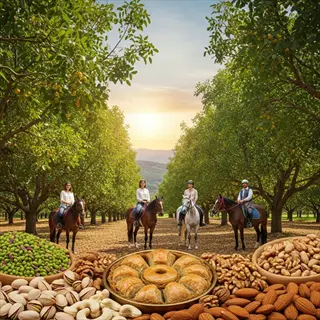
- USDA Zones: Pistachio trees thrive in USDA hardiness zones 7 through 11, requiring a specific combination of hot, dry summers and cold winters that most of the United States cannot provide.
- Chill Hours: Your location must deliver 900 to 1,000 accumulated hours at or below 45 degrees Fahrenheit (7 degrees Celsius) between November and February to break winter dormancy.
- Summer Heat: Ideal summer temperatures reach above 100 degrees Fahrenheit (38 degrees Celsius) during the nut-filling period from July through August, as insufficient heat produces empty shells.
- Elevation Limit: Do not plant pistachio trees above 4,500 feet (1,372 meters) elevation, where shorter growing seasons and cooler nights prevent proper nut development.
- Humidity Check: Low humidity is critical because pistachios are susceptible to fungal diseases like Alternaria late blight and Botryosphaeria panicle blight in humid conditions.
- Frost Awareness: While established pistachio trees tolerate winter temperatures down to negative 4 degrees Fahrenheit (negative 20 degrees Celsius), late spring frosts can destroy developing flower clusters.

Prepare Well-Drained Soil
- Soil Type: Sandy loam or loamy soil with excellent drainage is the foundation for healthy pistachio trees, because waterlogged roots lead to fatal Phytophthora root rot within a single growing season.
- pH Range: Target a soil pH between 7.0 and 8.0, as pistachios prefer alkaline conditions and struggle in acidic soils below 6.0 that limit nutrient absorption.
- Depth Matters: Pistachio root systems grow very deep, so prepare a planting site with at least 5 feet (1.5 meters) of well-drained soil free from hardpan or compacted clay layers.
- Salt Tolerance: Unlike most fruit and nut trees, pistachios tolerate saline water up to 3,000 to 4,000 parts per million soluble salts, making them suitable for areas with brackish irrigation water.
- Soil Testing: Test your soil before planting for both pH and drainage rate, aiming for water infiltration of at least 1 inch (2.5 centimeters) per hour to avoid standing water around roots.
- Site Prep: Remove existing vegetation and consider soil solarization if verticillium wilt is a concern in your area, as this treatment kills the pathogen to 48 inches (122 centimeters) deep.
Select the Right Rootstock
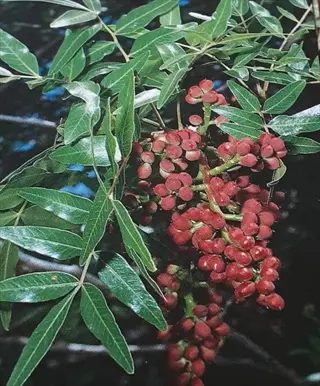
- Why Rootstock Matters: The rootstock you choose determines your tree's disease resistance, cold hardiness, growth rate, and ultimate productivity, making it the single most important purchasing decision for pistachio growers.
- UCB1 Rootstock: UCB1 is the most popular modern rootstock, offering excellent verticillium wilt resistance, strong vigor, and cold tolerance, making it ideal for most home growing situations across the Southwest.
- P. atlantica Option: Pistacia atlantica rootstock offers good drought tolerance and performs well in alkaline soils, and is preferred in New Mexico and other arid regions with low verticillium wilt pressure.
- P. integerrima Choice: Pistacia integerrima provides the strongest verticillium wilt resistance and fast growth, making it the recommended rootstock for California locations where this soil-borne disease has destroyed thousands of trees.
- Grafted Over Seedling: Always buy grafted nursery trees rather than growing from seed, because seedlings take longer to produce, show unpredictable genetics, and lack the disease resistance that grafted rootstock provides.
- Source Quality: Purchase trees from reputable nurseries that specialize in nut trees, and confirm the rootstock variety before buying because many garden centers sell unspecified rootstock that may lack disease resistance.
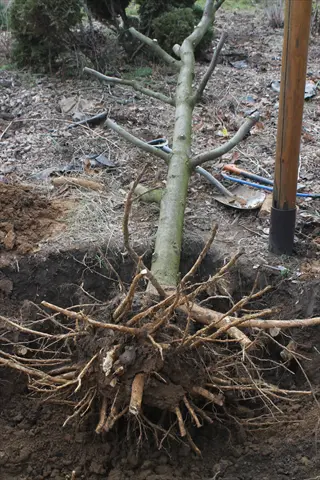
Plant at the Right Time
- Timing: Plant bare-root pistachio trees during late winter dormancy, often January through March, before new growth begins so roots can settle in before spring leaf-out.
- Hole Size: Dig a planting hole twice as wide and just as deep as the root ball, spreading roots outward without bending or circling them, and backfill with native soil rather than amended mixes.
- Graft Union: Position the graft union 2 to 4 inches (5 to 10 centimeters) above the soil line to prevent scion rooting, which would bypass the disease-resistant rootstock you picked out.
- Spacing: Space trees 20 feet (6 meters) apart in irrigated settings or 26 by 33 feet (8 by 10 meters) in arid regions to allow full canopy development and adequate air circulation.
- Initial Watering: Water deep right after planting to settle soil around roots and eliminate air pockets, then apply 3 to 4 inches (8 to 10 centimeters) of mulch in a ring around the trunk.
- Staking: Stake young trees with slack ties for the first year to protect against wind damage, using soft ties that allow some movement to encourage trunk strength development.
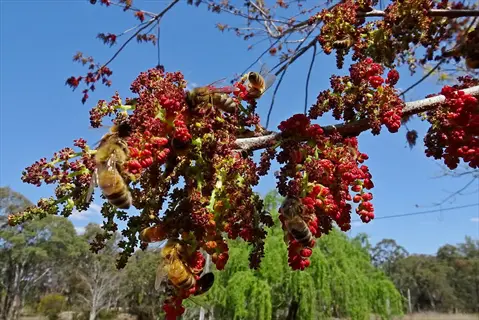
Plan for Pollination
- Dioecious Requirement: Pistachio trees are dioecious, meaning each tree is either male or female, and you must plant both sexes for any nut production to occur.
- Recommended Ratio: Plant one male pollinator tree for every 8 to 10 female trees in a home orchard, or at minimum plant one male and one female tree if space is limited.
- Variety Pairing: The most reliable combination is Kerman female trees with Peters male pollinators, as their bloom times align well and Kerman is the dominant commercial variety in the United States.
- Wind Pollination: Pistachios are wind-pollinated and do not need bees, so position male trees upwind of females based on your prevailing spring wind direction for maximum pollen distribution.
- Bloom Timing: Male and female bloom periods must overlap for successful pollination, which is why specific cultivar pairing matters more than just having any male tree nearby.
- Patience Required: You cannot determine a pistachio seedling's sex until it flowers, which can take 5 or more years, reinforcing why buying labeled grafted trees is far more practical than growing from seed.
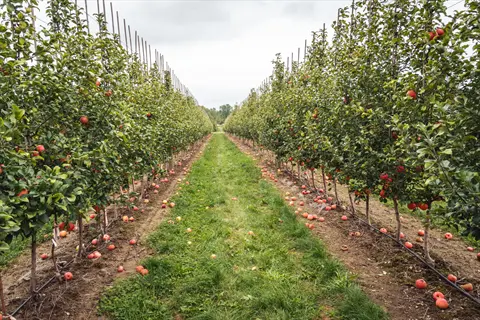
Water Deeply but Carefully
- Annual Requirement: Mature pistachio orchards need about 2 acre-feet of water each year, which means regular deep irrigation sessions rather than frequent light watering.
- Critical Period: The most important watering period is during nut fill from July through August, when water stress cuts nut size, increases blank shells, and lowers overall yield.
- Deep Irrigation: Water deep to encourage roots to grow downward rather than outward, targeting moisture penetration to 3 to 4 feet (0.9 to 1.2 meters) below the soil surface.
- Drought Tolerance: Once established, pistachio trees are very drought-tolerant compared to other nut trees, but consistent irrigation during production years is essential for commercial-quality nuts.
- Root Rot Risk: Avoid overwatering and never allow water to pool around the trunk, as pistachio trees are very susceptible to Phytophthora root rot in saturated soils.
- Winter Irrigation: Include one to two deep winter irrigations even during dormancy to maintain moisture in the root zone, which supports root health and prepares the tree for spring growth.
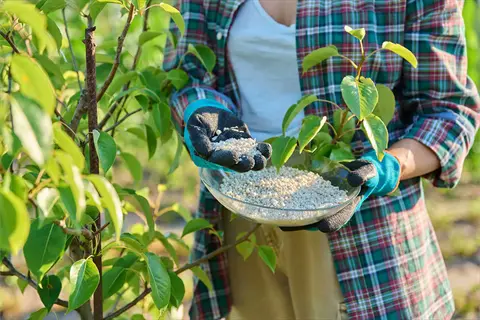
Fertilize on a Schedule
- First Year Rule: Apply no fertilizer during the first year after planting, as fresh transplanted pistachio trees need time to establish roots before handling concentrated nutrients.
- Nitrogen Scaling: Increase nitrogen bit by bit as trees grow: start with 0 to 0.1 pounds (0 to 45 grams) per tree in the first leaf year and increase to 1.1 to 1.3 pounds (499 to 590 grams) per tree by the seventh leaf year.
- Production Rate: For bearing trees, research shows 28 pounds (12.7 kilograms) of nitrogen are removed from the orchard per 1,000 pounds (453.6 kilograms) of marketable yield, which guides replacement fertilization rates.
- Potassium Importance: Apply 24 pounds (10.9 kilograms) of potassium per 1,000 pounds (453.6 kilograms) of yield, because potassium deficiency reduces nut quality and increases susceptibility to verticillium wilt.
- Timing Matters: Pistachio trees absorb 30% of their annual nitrogen during the spring flush and 70% during nut fill, so split applications between early spring and midsummer for maximum uptake.
- Leaf Analysis: Monitor nutrient levels through annual leaf tissue analysis, targeting nitrogen concentrations between 2.2% and 2.5% dry weight, with levels below 1.8% indicating deficiency.
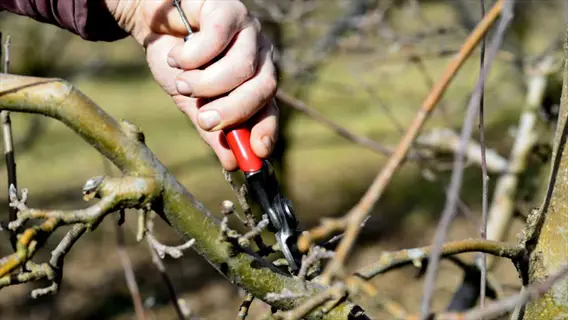
Prune for Structure
- Training System: Train young pistachio trees to a modified central leader or open vase shape during the first 3 to 4 years, setting up 3 to 5 strong scaffold branches spaced around the trunk.
- Dormant Pruning: Perform major pruning during winter dormancy before bud break, removing crossing branches, dead wood, and any shoots that grow inward toward the center of the canopy.
- Heading Back: Head back long shoots to force lateral branching, because pistachios produce fruit on lateral buds of 1-year-old wood and almost all growth occurs near the terminal tip without intervention.
- Sunburn Caution: In high-sunlight regions like New Mexico, limit thinning cuts on secondary branches to prevent sunburn damage, which differs from the standard open-vase pruning used in California orchards.
- Fruiting Migration: Understand that the fruiting zone on pistachio branches moves further outward over time, so periodic renewal pruning of older wood helps maintain production within manageable reach.
- Recovery Time: Avoid severe pruning cuts, as pistachio trees take about 4 years to recover from heavy pruning and have few vegetative buds per node compared to other fruit trees.
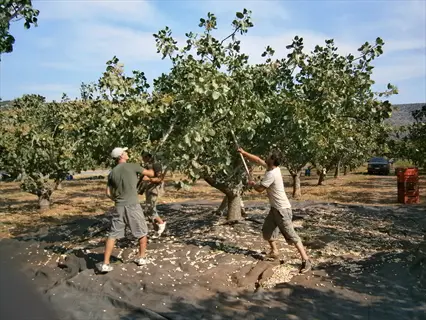
Harvest at Hull Split
- Harvest Indicator: The signal to harvest is when the outer hull (epicarp) separates from the inner shell and changes from green to yellowish-pink, a stage called hull split that happens in September.
- Timing Urgency: Harvest fast when hulls split because delayed removal causes the hull pigments (anthocyanins) to stain the shell purple or brown, reducing visual appeal and marketability.
- Shaking Method: For home orchards, spread a tarp or sheet beneath the tree and shake branches hard, or use a long pole to knock ripe clusters free, just like the mechanical shakers used on big farms.
- Same-Day Processing: Hull and dry pistachios the same day you harvest them, as delays beyond 12 to 24 hours increase the risk of shell staining and aflatoxin contamination from mold growth.
- Drying Method: Spread hulled pistachios in a single layer and dry them in the sun for 3 to 4 days or use an oven set at 150 degrees Fahrenheit (66 degrees Celsius) until they reach 5% moisture content.
- Yield Expectations: A healthy mature pistachio tree produces 20 to 50 pounds (9 to 23 kilograms) of nuts per year, but alternate bearing means you can expect a heavier crop every other year.
These 9 steps give you everything you need to grow pistachio tree success from the ground up. Get your climate check and rootstock choice right before you put anything in the soil. Rushing past those early decisions creates problems that take years to fix.
Best Pistachio Varieties
Your pistachio tree varieties and rootstock choice matters more than any other decision. I learned this when my first Kerman pistachio on a weak rootstock showed wilt signs after just 3 years. Your pistachio rootstock selection controls disease resistance and growth speed.
The best pistachio variety for home growers is still Kerman on UCB1 rootstock. UCB1 fights off verticillium wilt. That disease has killed thousands of trees in California since the late 1970s. A grafted pistachio tree on the right rootstock gives you the best shot at success.
Most home growers should stick with Kerman and Peters as their fruiting and pollinator pair. Ask your nursery which rootstock sits under the graft before you buy. That single detail matters more than the price tag on the tree.
Pistachio Fertilization Guide
Your pistachio tree fertilizer program shapes how well your trees produce. Most guides skip the hard numbers on pistachio nutrient requirements. CDFA research gives us exact rates that work. I've used these numbers on my own trees with great results.
Fertilizing pistachio trees starts slow and builds over time. Pistachio nitrogen requirements go up as the tree gets bigger. Potassium pistachio trees need helps fight verticillium wilt. Boron deficiency pistachio trees show by leaf curl.
Nitrogen (N) - Primary Growth Driver
- Removal Rate: Bearing pistachio trees remove 28 pounds (12.7 kilograms) of nitrogen per 1,000 pounds (453.6 kilograms) of marketable yield, making nitrogen the single largest nutrient demand for producing trees.
- Young Tree Schedule: Apply no nitrogen in the first leaf year, then build up from 0.1 pounds (45 grams) per tree in year two to 1.1 to 1.3 pounds (499 to 590 grams) per tree by the seventh leaf year.
- Uptake Timing: Pistachio trees absorb 30% of annual nitrogen during the spring growth flush and 70% during nut fill from July through August, so split applications between early spring and midsummer.
- Leaf Target: Monitor nitrogen levels with annual leaf tissue analysis aiming for 2.2% to 2.5% dry weight, as concentrations below the critical threshold of 1.8% indicate deficiency that needs fast correction.
Potassium (K) - Disease Shield
- Removal Rate: Trees remove about 24 pounds (10.9 kilograms) of potassium, equal to 29 pounds (13.2 kilograms) of K2O, per 1,000 pounds (453.6 kilograms) of marketable yield each harvest season.
- Disease Connection: Potassium deficiency raises pistachio tree susceptibility to verticillium wilt, the disease that has destroyed thousands of trees in California commercial orchards since the late 1970s.
- Quality Impact: Good potassium levels improve nut weight, increase the share of proper split shells, and reduce the number of blank or unfilled nuts in each harvest cycle.
- Application Method: Apply potassium as potassium sulfate or potassium chloride in early spring before bud break, banding it beneath the canopy drip line where active feeder roots concentrate.
Phosphorus (P) - Root and Yield Support
- Removal Rate: About 3 pounds (1.4 kilograms) of phosphorus, equal to 7 pounds (3.2 kilograms) of P2O5, leave the orchard per 1,000 pounds (453.6 kilograms) of marketable yield.
- Combined Benefit: Strong phosphorus levels alongside nitrogen and potassium increase overall yields and give added protection against verticillium wilt infection in the orchard.
- Root Development: Phosphorus plays a critical role in root growth and energy transfer within the tree. Deficiency during the first few years can stunt the root system for good.
- Soil Application: Work phosphorus into the soil before planting when you can, as it moves through soil at a slow pace and surface applications take longer to reach the deep pistachio root zone.
Micronutrients - Boron, Zinc, and Iron
- Boron Deficiency: Crinkle leaf in pistachios links to boron deficiency, causing distorted and puckered leaves that cut down on the tree's ability to grow strong during the season.
- Zinc Needs: Zinc deficiency causes small leaves, shortened internodes, and reduced nut set. This problem is common in alkaline soils where zinc drops as pH rises above 7.5.
- Iron Chlorosis: Iron deficiency shows as yellowing between leaf veins on young leaves and hits hardest in very alkaline or chalky soils, needing chelated iron or acid amendments to fix.
- Foliar Sprays: Micronutrient problems often respond better to foliar spray treatments than soil amendments. Zinc sulfate and boric acid sprays applied during early spring growth give the fastest results.
Pistachio Pests and Diseases
Pistachio tree diseases and pistachio tree pests can ruin years of work if you don't catch them early. I lost a tree to verticillium wilt pistachio growers dread because I missed the first signs of branch die back. The good news is that most problems are easy to beat with the right pistachio pest control plan.
Root rot pistachio trees get from wet soil kills fast. Alternaria late blight pistachio orchards face in humid years can wipe out a whole crop of nuts. The table below gives you a quick scan of every major threat plus how to stop each one.
Strong nutrition is your best defense against most of these threats. CDFA research shows that trees with good potassium levels resist verticillium wilt much better than trees running low on nutrients.
Where to Grow Pistachios
Where do pistachio trees grow best in the U.S.? This desert climate tree does well in more places than most people think. USDA hardiness zones pistachio trees thrive in cover 4 states. Pistachio growing zones run from California out to New Mexico and West Texas.
Pistachio tree sun requirements call for full sun and low humidity. As a drought tolerant pistachio, this tree handles dry heat better than most fruit or nut crops. I've seen growers in Arizona pull off great harvests that rival what California orchards produce.
California Central Valley
- Production Share: California produces about 99% of all United States pistachios, with 488,000 bearing acres packed into the San Joaquin Valley where conditions match pistachio needs.
- Climate Match: Long, hot, dry summers above 100 degrees Fahrenheit (38 degrees Celsius) combined with 900 to 1,000 chill hours make the Central Valley the top spot for pistachio farms.
- Key Challenge: Verticillium wilt is the main concern, having killed thousands of trees since the late 1970s. Resistant rootstocks like P. integerrima and UCB1 are a must for California plantings.
- Home Grower Note: Backyard growers in the Central Valley benefit from the same climate as big orchards, making this the easiest region to get consistent home pistachio production going.
New Mexico and Arizona
- Growing Potential: Southern New Mexico and central Arizona offer great pistachio growing conditions with reliable heat, low humidity, and enough winter chill hours in lower valleys.
- Elevation Rule: Do not plant pistachio trees above 4,500 feet (1,372 meters) elevation. Shorter growing seasons and low heat units at high altitudes prevent proper nut growth.
- Sunburn Warning: The intense sunlight in New Mexico may require different tree training than the open vase shape used in California. Limit thinning cuts on side branches to prevent bark sunburn.
- Regional Disease: Cotton root rot is a Southwest disease threat to pistachios. Test your soil before planting and avoid sites with a history of this pathogen in alkaline desert soils.
West Texas
- Climate Fit: The Trans-Pecos and High Plains regions of West Texas give pistachios the hot summers, cold winters, and low humidity they need. Several small orchards here produce on a commercial scale.
- Water Advantage: Limited water in West Texas makes drought tolerant pistachios a smart crop option. Their tolerance of saline water up to 3,000 to 4,000 parts per million is a big plus in this region.
- Soil Advantage: The alkaline, well-drained soils common across West Texas match what pistachios prefer without much amendment, cutting setup costs compared to areas with acidic or heavy clay.
- Wind Factor: High spring winds in West Texas can mess with pollination timing. Position male trees upwind and use windbreaks to improve nut set rates in open spots.
Southern Utah and Nevada
- Marginal but Possible: Lower valleys in southern Utah and southern Nevada can support pistachio growth. Shorter heat seasons and uneven chill hours make production less reliable than California or New Mexico.
- Microclimate Matters: Success in these regions depends on finding protected spots with south-facing slopes, wind cover, and reflected heat from buildings or rock faces that stretch the growing season.
- Rootstock Choice: Select UCB1 rootstock for its cold tolerance when planting in these edge zones. Winter temps can sometimes drop below the negative 4 degrees Fahrenheit (negative 20 degrees Celsius) safe limit.
- Test First: Treat pistachio growing in these regions as a trial. Plant just a few trees at first to test local conditions before putting money into larger plantings that might not produce well.
Harvesting and Processing
Harvesting pistachios at the right time makes or breaks your nut quality. In my experience you know when to harvest pistachios by watching for pistachio hull split. That's when the outer hull pulls away from the shell. I missed my window by just a week my first year and got brown stained shells.
Your pistachio yield per tree depends on age and whether it's an on year or off year. Alternate bearing pistachio trees produce a heavy crop one year and a lighter one the next. The 2024 U.S. crop came in 26% smaller than the 2023 record for this exact reason. Storing pistachios the right way after harvest locks in flavor and keeps mold away.
Hull and dry your pistachios the same day you pick them. Waiting more than 12 to 24 hours lets hull pigments stain the shell and raises mold risk. Sun dry them for 3 to 4 days or oven dry at 150 degrees Fahrenheit (66 degrees Celsius). Aim for 5% moisture to store them safe.
5 Common Myths
Pistachio trees can only grow in California and nowhere else in the United States, so backyard growing is impossible for most people.
Pistachios grow well in USDA zones 7 through 11, including New Mexico, Arizona, and parts of Texas. California dominates commercial production but is not the only viable region.
You can plant a single pistachio tree and still get a full harvest of nuts each year without needing any other trees nearby.
Pistachios are dioecious, meaning they have separate male and female trees. You need at least one male tree for every 8 to 10 female trees to ensure wind pollination and nut production.
Pistachio trees are extremely thirsty and need constant watering throughout the year to survive and produce any nuts at all.
Pistachios are actually drought-tolerant once established, and mature orchards need about 2 acre-feet of water annually. Overwatering causes root rot, which is a bigger threat than under-watering.
Growing pistachios from store-bought nuts is the easiest and cheapest way to start your own pistachio orchard at home.
Store-bought pistachios are roasted and cannot germinate. Even raw seeds produce unreliable seedlings. Grafted nursery trees on disease-resistant rootstock are the recommended approach for home growers.
Pistachio trees start producing heavy harvests within two to three years of planting, making them a quick-return investment for gardeners.
Pistachio trees take 5 to 6 years for a first small crop and 15 to 20 years to reach peak production. They are a long-term commitment that rewards patient growers with decades of harvests.
Conclusion
Now you know how to grow pistachios from start to finish using the 9 steps that matter most. The pistachio production timeline asks for patience since you'll wait 5 to 6 years for your first crop and 15 to 20 years for peak output. But these trees live for several hundred years, so one good planting decision pays off for generations.
Your two biggest wins come from picking the right rootstock and sticking to the CDFA fertilizer rates we covered. Those two choices shape everything about your tree's health and nut quality. Good pistachio tree care builds on a solid base. U.S. pistachio acreage grew fivefold in 20 years because this crop works so well in the right climate.
America now makes up 63% of global pistachio output. That proves the conditions here work for this tree. Disease resistant rootstocks cut the risk that growers faced decades ago. In my experience you can grow pistachio tree results at home that surprise you.
Start with just 2 trees and give them time to grow. The years of waiting go faster than you think. Cracking open your own fresh pistachios makes every bit of patience worth the effort.
External Sources
Frequently Asked Questions
What is the typical timeline for growing pistachios?
Pistachio trees produce their first small crop after 5 to 6 years, with good yields starting around 7 to 8 years and peak production at 15 to 20 years.
Can pistachios be difficult to grow?
Pistachios are not difficult if you live in the right climate with hot summers, cold winters, and well-drained soil, but they require patience and proper pollination planning.
Which states can you grow pistachios in?
California, Arizona, New Mexico, and parts of Texas are the primary states for growing pistachios, with California producing about 99 percent of the national crop.
Is it okay to grow pistachios at home?
Yes, you can grow pistachios at home in USDA zones 7 through 11 if you have enough space for at least two trees and a climate with hot summers and cold winters.
Can pistachio farmers make money?
Commercial pistachio farming can be profitable, with mature orchards yielding 2,000 to 3,000 pounds per acre, though the 5 to 8 year wait for first harvest requires significant upfront investment.
Is it possible to plant store-bought pistachios?
Store-bought pistachios are roasted and salted, making them unable to germinate. Only raw, unprocessed pistachio seeds have any chance of sprouting, and results are unreliable.
What makes pistachios expensive?
Pistachios are expensive because trees take 5 to 8 years before producing any nuts, require specific climate conditions, and exhibit alternate bearing cycles that reduce yields every other year.
What is the purple coating on pistachios?
The purple or reddish color on pistachio shells comes from anthocyanin pigments in the hull that can stain the shell during harvest, especially if hulling is delayed.
How much water should pistachios get?
Mature pistachio orchards need approximately 2 acre-feet of water per year, with the most critical watering period during nut fill from July through August.
Can pistachios be healthy to eat daily?
Pistachios are among the healthiest nuts, with the highest potassium, vitamin K, and phytosterol levels of any nut, plus 13 times more eye-protecting lutein than other nuts.