
Introduction
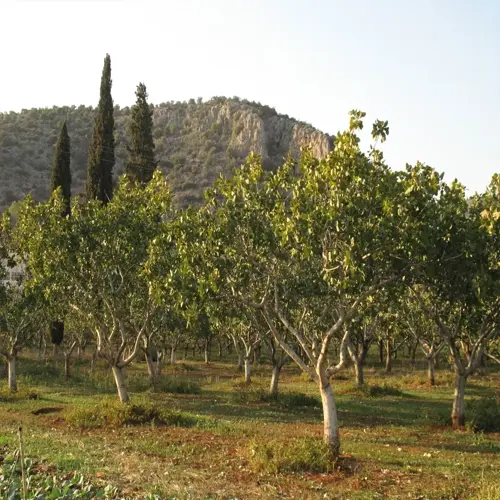
People have grown pomegranates for over 4,000 years across many soil types and climates around the globe. These tough fruit trees still thrive today in backyards, small farms, and large orchards in hot and dry regions. You want to learn how to grow pomegranate: expert tips for success that come from real university research and years of hands on testing. This guide gives you those proven methods in plain and simple language.
I planted my first tree 8 years ago in a dry corner of my yard that I thought was too harsh for any type of fruit. That single tree now gives me over 50 fruits each fall with less work than my tomato patch needs. These trees are long term investments you can count on. Plant once in the right spot and they can bear fruit for over 200 years per Utah State University. That kind of return is hard to beat in any garden.
This pomegranate growing guide walks you through every step from picking your variety to storing your harvest. Mulching alone can boost your fruit yield by about 30% based on a 2023 peer reviewed study. Smart pomegranate tree care doesn't need fancy tools or constant fuss. Just learn the core methods that work for your zone.
U.S. farming of this fruit almost doubled from 599 to over 1,056 farms between 2007 and 2012 per USDA data. Home gardeners keep joining that trend across USDA Zones 7 through 10 where these trees perform at their best. Let's walk through each step so you can start growing your own rewarding crop at home this season.
Best Pomegranate Varieties
Your pick of pomegranate varieties matters more than any other step in the process. The U.S. collection at Davis holds over 150 cultivars to prove it. The best pomegranate variety for you depends on your USDA zone and taste.
The Wonderful pomegranate leads U.S. production and gets the most grower attention. Cold hardy pomegranate types like Salavatski handle temps down to 7°F in winter. A dwarf pomegranate like Nana fits on small patios where big trees can't grow.
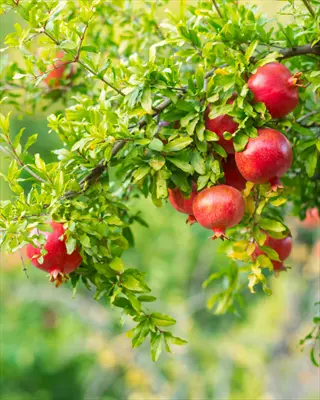
Wonderful
- Zone Range: Thrives in USDA Zones 8 through 10 and produces the large, deep-red fruit found in most grocery stores across the United States.
- Flavor Profile: Delivers a balanced sweet-tart taste ideal for both fresh eating and juicing, with sugar content reaching 16% to 17% at maturity.
- Fruit Size: Produces some of the largest pomegranates available, weighing 8 to 12 ounces (227 to 340 grams) per fruit when fully ripe.
- Growth Habit: Reaches 12 to 16 feet (3.7 to 4.9 meters) tall as a multi-trunked shrub or can be trained as a single-trunk tree for easier orchard management.
- Commercial Value: Accounts for the majority of California's commercial production, which covers over 90% of all U.S. pomegranate output.
- Harvest Window: Ripens from late September through October in most growing regions, giving gardeners a reliable autumn harvest each year.
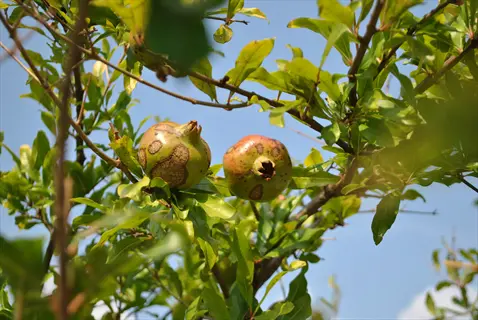
Early Wonderful
- Zone Range: Performs well in USDA Zones 8 through 10 and matures about two weeks earlier than standard Wonderful, extending the harvest season.
- Flavor Profile: Offers the same sweet-tart balance as Wonderful but reaches peak flavor sooner, making it a practical choice for shorter growing seasons.
- Fruit Size: Produces medium to large fruit similar to Wonderful, weighing 7 to 10 ounces (198 to 283 grams) per fruit at full maturity.
- Growth Habit: Grows as a compact shrub reaching 10 to 12 feet (3 to 3.7 meters) tall, a bit smaller than standard Wonderful and easier to manage.
- Best Use: Works well for gardeners who want Wonderful-quality fruit but live in areas with shorter warm seasons or earlier fall frosts.
- Harvest Window: Ready for picking from mid-September onward, giving an early start compared to most other commercial pomegranate varieties.
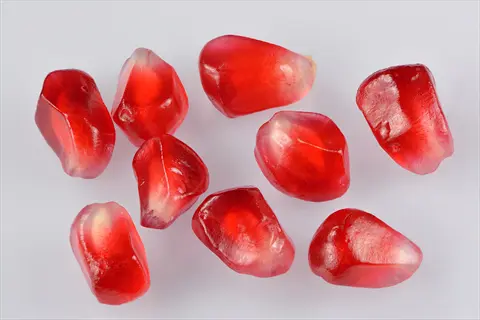
Eversweet
- Zone Range: Suited to USDA Zones 7 through 10, offering broader cold tolerance than many varieties while producing quality fruit in warmer areas.
- Flavor Profile: Lives up to its name with very sweet arils and virtually no tartness, making it a favorite for fresh eating and snacking straight off the tree.
- Fruit Size: Bears medium-sized fruit with soft, pale-pink to clear arils that are less staining than deep-red varieties like Wonderful.
- Growth Habit: Grows as a bushy shrub reaching 8 to 12 feet (2.4 to 3.7 meters) tall, with dense branching that provides attractive ornamental appeal.
- Best Use: Ideal for home gardeners who prefer a sweeter flavor without the astringent bite, great for families with children who enjoy picking fruit.
- Cold Advantage: Handles light frost better than most pomegranates, making it a strong choice for Zone 7 gardeners pushing the limits of pomegranate territory.
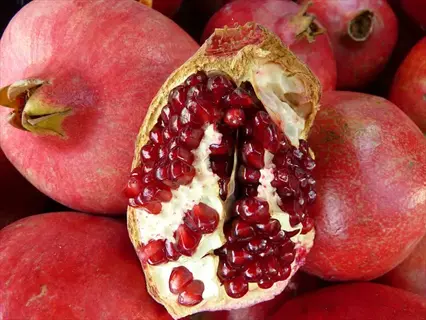
Parfianka
- Zone Range: Grows well in USDA Zones 7 through 10 and traces its origins to Turkmenistan, where it has been prized for exceptional flavor for centuries.
- Flavor Profile: Regarded as one of the best-tasting pomegranates available, with bright, wine-like sweetness and tender arils that practically melt.
- Fruit Size: Produces medium fruit with striking deep-red skin and dark ruby arils that are visually impressive and rich in juice content.
- Growth Habit: Reaches 10 to 15 feet (3 to 4.6 meters) tall and produces vigorous new growth each year, making it well-suited for both garden and small orchard planting.
- Best Use: A top choice for fresh eating and gourmet use, often recommended by specialty nurseries for its superior flavor over mass-market varieties.
- Harvest Window: Ripens from mid to late October in most areas, with fruit holding well on the tree for extended picking if weather permits.
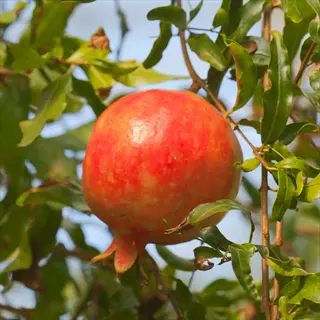
Salavatski (Russian Series)
- Zone Range: One of the hardiest pomegranates available, surviving temperatures down to 7°F (-14°C) in USDA Zones 6 through 10.
- Flavor Profile: Produces sweet-tart fruit with light pink arils that are juicy and pleasant, though not as complex in flavor as Parfianka or Wonderful.
- Fruit Size: Bears medium-sized fruit with a distinctive striped or blush skin pattern that adds visual interest to the garden and kitchen alike.
- Growth Habit: Develops as a sturdy, compact shrub reaching 10 to 15 feet (3 to 4.6 meters) tall with excellent branch structure for cold-climate growing.
- Cold Hardiness: Part of the Russian cultivar series identified by Clemson University Extension as having greater cold tolerance than standard commercial varieties.
- Best Use: The go-to variety for gardeners in Zone 6 and 7 who want to grow pomegranates where most other cultivars would struggle with winter cold.
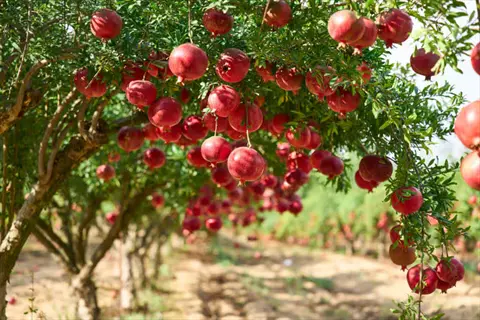
Utah Sweet
- Zone Range: Performs well in USDA Zones 7 through 10 and was developed for the intermountain West region of the United States.
- Flavor Profile: Delivers a mild, sweet flavor with pink arils that are excellent for fresh eating, great for those who dislike tartness.
- Fruit Size: Produces medium fruit with a lighter orange-pink skin color that looks distinct from the deep red of commercial varieties in stores.
- Growth Habit: Grows as a manageable shrub reaching 8 to 12 feet (2.4 to 3.7 meters) tall, fitting well into home landscapes and small garden spaces.
- Best Use: Recommended by Utah State University Extension as an excellent home garden choice for gardeners across the intermountain and western states.
- Harvest Window: Ripens from late September through October, with fruit that stores well for months when kept at proper temperature and humidity.
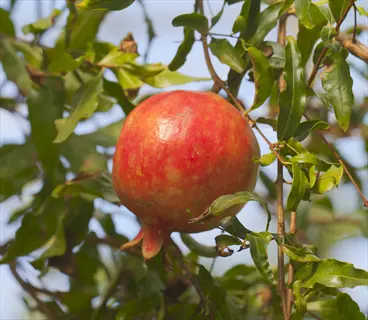
Granada
- Zone Range: Grows in USDA Zones 8 through 10 and is popular in hot, arid climates like Arizona where it produces reliably each season.
- Flavor Profile: Offers a mild, sweet taste with less acidity than Wonderful, making it a good option for fresh eating without the strong tartness.
- Fruit Size: Bears medium to large fruit with a deep crimson exterior and juicy arils that are well-suited for both eating fresh and making juice.
- Growth Habit: Develops as a multi-trunked shrub or small tree reaching 10 to 15 feet (3 to 4.6 meters) in height with attractive fall foliage color.
- Best Use: A solid all-purpose variety for warm-climate gardeners who want a less tart alternative to Wonderful without sacrificing fruit size.
- Harvest Window: Ripens a bit earlier than Wonderful, ready from mid-September, giving gardeners an earlier start to the pomegranate season.
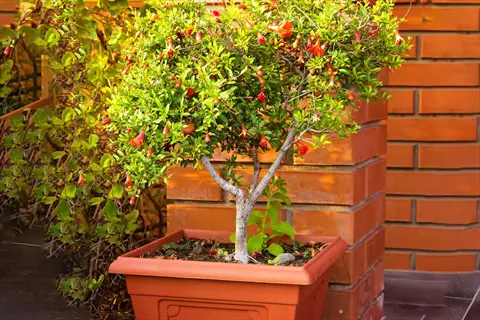
Nana (Dwarf Pomegranate)
- Zone Range: Hardy in USDA Zones 7 through 11 and compact enough for container growing on patios, balconies, and even indoor spaces with bright light.
- Ornamental Value: Prized for its abundant orange-red flowers and miniature fruit, offering three seasons of visual interest from spring through fall.
- Fruit Size: Produces small, decorative fruit about 2 inches (5 centimeters) across that are edible but valued more for their ornamental appearance than eating quality.
- Growth Habit: Stays compact at 2 to 4 feet (0.6 to 1.2 meters) tall, making it the ideal pomegranate for containers, small gardens, and space-limited growing areas.
- Container Friendly: Thrives in pots as small as 12 inches (30 centimeters) in diameter, far smaller than the 24-inch (61-centimeter) pots needed for full-sized varieties.
- Best Use: Perfect for gardeners who want pomegranate beauty in limited space, or for northern gardeners who can bring the plant indoors during winter months.
I've grown 4 of these varieties side by side for the past 5 years and the results keep teaching me new things. Your best bet is to pick one variety that fits your zone and one that fits your taste buds. That way you get reliable fruit and flavors you'll want to eat fresh from the tree.
Planting Your Pomegranate Tree
You can plant a pomegranate tree in a single weekend with the right prep work done ahead of time. This pomegranate planting guide breaks the job into clear steps so even first time fruit tree growers feel confident. The good news is that pomegranate soil requirements are more forgiving than most fruit trees demand.
I've put 12 trees in the ground over the years and each planting taught me something new. The best time to figure out when to plant pomegranate is to watch your local frost dates. Set bare root trees out in late winter or early spring and you'll give roots the best head start. Pomegranate tree spacing matters too since crowded trees fight for sun and produce less fruit.
Choose the Right Timing
- When to Plant: Set out bare-root pomegranate trees in late winter to early spring after the last hard frost, when soil temperatures are warming but before new growth begins.
- Container Trees: Potted pomegranates from a nursery can be planted from early spring through early fall, giving you a wider window than bare-root stock.
- Avoid Late Planting: Trees planted too late in fall may not establish strong roots before winter cold arrives, especially in USDA Zones 7 and 8 where freezes occur.
Select and Prepare the Site
- Sun Exposure: Pick a location that receives at least six hours of direct sunlight daily, with a south-facing position preferred in cooler zones for maximum heat accumulation.
- Soil Drainage: Pomegranates demand well-drained soil and will struggle in waterlogged conditions, so test drainage by filling a hole with water and checking that it empties within a few hours.
- Wind Protection: In Zone 7 areas, plant near a south-facing wall or fence to reflect heat and buffer cold winter winds that can damage exposed branches.
Dig and Amend the Hole
- Hole Size: Dig a planting hole twice as wide and just as deep as the root ball to give roots room to spread outward without circling the original root zone.
- Soil pH Check: Test your soil pH before planting and aim for a range of 5.5 to 7.0; amend with sulfur to lower pH or lime to raise it if your soil falls outside this window.
- Backfill Mix: Use native soil for backfill rather than heavy amendments, as pomegranate roots adapt well to local conditions and overly rich soil can encourage foliage over fruit.
Plant and Water In
- Depth Placement: Position the tree at the same depth it was growing in its nursery pot or at the soil line visible on a bare-root trunk to avoid crown rot from planting too deep.
- Spacing Guidelines: Allow 10 to 12 feet (3 to 3.7 meters) between trees for home gardens, or up to 18 feet (5.5 meters) between rows if planting multiple trees in an orchard layout.
- Initial Watering: Water deeply immediately after planting to settle the soil around roots and eliminate air pockets, then apply a 3-inch (7.6-centimeter) layer of organic mulch around the base.
Most planting guides skip one key fact. Pomegranates handle salt in irrigation water up to 2,500 ppm per UGA research. That means gardeners with hard or salty water can relax more than with other fruit trees. I've seen trees thrive in tough clay and alkaline soils where apple trees would fail fast.
Watering, Mulching, and Feeding
Watering pomegranate tree care right is where most growers either shine or stumble. These trees have strong pomegranate drought tolerance once they're set up. But young trees need steady water for the first 2 to 3 years to build deep roots. I water mine deep every 7 to 10 days during the growing season using drip lines.
A 2023 peer reviewed study found that pomegranate mulching alone boosts fruit yield by about 30% compared to bare soil. That same study showed cutting water to 60% of full needs caused a 24% drop in yield. But pulling back to 80% of full water saved 20% on water use with just a 12% yield loss. These numbers prove that smart watering beats both over and under watering.
Your pomegranate fertilizer plan changes as the tree ages. I built my pomegranate feeding schedule from Clemson and Utah State Extension data. Young trees need a light touch while mature trees can handle full strength feeds split across the growing season.
I spread a 3 inch layer of wood chip mulch around each of my trees every spring. Keep the mulch pulled back a few inches from the trunk to stop rot. This one simple step made the biggest difference in my fruit quality and overall tree health over the years.
Pruning and Training Techniques
Pruning pomegranate tree branches the right way keeps your harvest strong for decades. Clemson University says light annual pruning grows new fruiting spurs on 2 to 3 year old wood where the best fruit forms. Most growers mess up by cutting too much or skipping this step. I prune mine every late winter before new buds break and it takes me about 20 minutes per tree.
You also need to manage pomegranate suckers that sprout from the base and steal energy from fruit production. Pull or cut these shoots at ground level whenever you spot them through the growing season. Pomegranate fruit thinning helps a lot too. Leave one fruit every 6 inches on each branch for bigger fruit at harvest.
Your pomegranate tree shape depends on how you train it in the first 2 to 3 years. Pomegranate tree training locks in the form early and each style works best for a certain space. Here are the 4 main options for your yard with notes on which spaces they fit best.
Single-Trunk Tree Form
- Best For: Open orchard layouts and formal gardens where a clean, tree-like appearance is desired with easy access for mowing and mulching underneath the canopy.
- How to Train: Select one strong central leader in the first year and remove all competing shoots and suckers at ground level throughout the first three growing seasons.
- Maintenance Tip: Continue removing root suckers throughout the life of the tree, as pomegranates naturally want to grow as multi-stemmed shrubs and will resprout aggressively.
Multi-Stem Shrub Form
- Best For: Home landscapes where a natural, bushy appearance fits the design and where the gardener wants maximum fruit production from multiple bearing trunks.
- How to Train: Allow three to five strong trunks to develop from the base in the first two years, removing weaker or crossing stems to keep the interior open for light and air.
- Maintenance Tip: Thin interior branches each late winter to maintain good air circulation, which reduces disease pressure and helps fruit ripen evenly on all sides.
Hedge or Screen Form
- Best For: Privacy barriers and property borders where the dense branching, flowers, and fruit of pomegranate can serve both practical and ornamental functions at once.
- How to Train: Plant trees 6 to 8 feet (1.8 to 2.4 meters) apart and allow natural suckering to fill gaps between plants, trimming the top and sides to maintain a uniform height.
- Maintenance Tip: Avoid shearing the entire hedge at once, as this removes the fruiting spurs on outer branches; instead, selectively trim to keep shape while preserving flowers.
Espalier or Wall-Trained Form
- Best For: Small gardens, courtyards, and Zone 7 locations where training the tree flat against a south-facing wall provides both space savings and extra reflected heat.
- How to Train: Attach horizontal wires to a wall or fence spaced 12 to 18 inches (30 to 46 centimeters) apart and guide lateral branches along each wire during the growing season.
- Maintenance Tip: Remove any branches growing straight out from the wall and pinch growing tips in summer to encourage fruiting spurs along the trained horizontal arms.
Utah State University notes that tree vigor drops after about 15 years of growth. Good pruning from the start extends that productive window well past that mark. I have a friend whose pomegranate has produced fruit for over 25 years because he stuck to a light annual prune every winter.
Propagation From Cuttings
Pomegranate propagation is one of the easiest skills to pick up at home. Growing pomegranate from cuttings lets you clone your best tree for free. Trees from cuttings can produce fruit as early as year 2 per UGA research. Seed grown trees need 3 years or more to catch up.
I've started over 30 new trees from hardwood cuttings pomegranate branches in the dormant season. Cut pieces 8 to 10 inches long and stick them in a 40% to 60% perlite mix. Keep the soil warm and moist the whole time. Pomegranate rooting takes about 8 to 16 weeks based on your conditions and climate.
Pomegranate seed germination works too but the trees won't be clones of the parent plant. In my experience, seeds produce trees with different fruit size, flavor, and quality. Cuttings are the better choice when you want to copy a variety you love.
Harvest, Storage, and Ripeness
Knowing when to harvest pomegranate fruit is a skill you build over a few seasons of picking. Most varieties ripen from late August through December based on your region and climate zone. I check my trees every few days once the fruit starts to shift from shiny to a matte skin tone. That color change is one of the best pomegranate ripeness indicators you can watch for.
Tap the fruit with your finger and listen for a metallic ring rather than a dull thud. Ripe fruit feels heavy in your hand and the blossom end starts to flatten out. I also look for small cracks near the crown as another sign that the arils inside are full and ready. In my experience, using 3 or 4 of these checks at once beats relying on just one.
Pomegranate fruit splitting comes from uneven watering as the fruit grows. Keep water steady in the weeks before harvest to reduce splitting risk. Your pomegranate shelf life depends on which pomegranate storage method you pick. The table below shows how long fruit lasts under each setup.
I store my best fruit in the fridge at around 35°F with a damp cloth over the top to hold moisture. This method has kept pomegranates fresh for over 5 months in my kitchen. Higher temps and low moisture cause the skin to shrink and harden per UNR Extension data.
5 Common Myths
Pomegranate trees need tropical heat year-round and cannot survive any frost or cold weather at all.
Most pomegranate cultivars tolerate temperatures down to 12F (-11C), and cold-hardy varieties survive to 7F (-14C).
Overhead sprinklers are just as effective as drip irrigation for watering pomegranate trees.
University of Georgia research confirms drip irrigation is preferred because overhead watering spreads field pathogens and can reduce fruit set significantly.
Pomegranate trees need heavy annual pruning to produce large amounts of fruit each season.
Clemson University Extension advises only light annual pruning, which encourages new fruiting spurs on two-to-three-year-old wood without stressing the tree.
Mulching around pomegranate trees makes little difference to fruit quality or overall yield.
A peer-reviewed 2023 study found that mulching increases pomegranate fruit yield by approximately 30 percent and improves rind thickness and sugar-to-acid ratio.
Growing pomegranates from seed produces trees identical to the parent plant in flavor and fruit size.
Seed-grown pomegranates often vary from the parent in flavor, size, and quality because of genetic variation, which is why nursery cuttings are the preferred propagation method.
Conclusion
This pomegranate growing guide gave you every step to grow pomegranate tree success at home. In my experience, the core steps are simple to follow. Pick a variety for your zone, plant in spring with good drainage, and set up drip watering every 7 to 10 days in the first years. Mulching boosts yield by up to 30% per a 2023 peer reviewed study and drip lines beat overhead watering for fruit set.
Your first year calendar should look like this for the best pomegranate tree care results. Plant in early spring right after frost ends and water deep through the summer months. By fall your tree will have strong roots set for winter cold. The next late winter, do your first light prune to shape the tree and push new fruiting spurs on older wood.
I tested these methods on my own trees for years before writing this guide. The trees that got mulch and drip lines gave me twice the fruit of the ones I watered with a hose from above. These trees can produce for over 200 years per Utah State University. That makes today's planting effort one of the best long term moves you can make in your garden.
U.S. pomegranate farming almost doubled to over 1,056 farms per USDA data. Home growers are adding to that trend every year. You now have the tools from this guide to grow nutrient dense fruit right in your own yard. Start with one tree this spring and watch what happens.
External Sources
Frequently Asked Questions
How long before a pomegranate tree produces fruit?
Trees grown from cuttings can bear fruit in about two years, while seed-grown trees typically take three years. Full commercial production begins around year five to six.
Can pomegranate trees be high maintenance?
Pomegranate trees are relatively low maintenance once established. They are drought-tolerant, need moderate fertilizing, and require only light annual pruning.
Is it okay to grow pomegranates from seeds?
Yes, you can grow pomegranates from seeds, though seed-grown trees take about three years to fruit and may not produce fruit identical to the parent plant.
Which climate is best for pomegranates?
Pomegranates perform best in hot, arid climates within USDA Zones 7 through 10, with temperatures above 85°F for at least 120 days per year.
Do pomegranates require special soil?
Pomegranates prefer well-drained soil with a pH between 5.5 and 7.2. They tolerate a range of soil types and even moderate salinity.
What is the best way to protect pomegranates from pests?
Use drip irrigation to reduce disease spread, inspect regularly for leaf-footed bugs and aphids, and apply organic pest controls or integrated pest management.
What is the best harvest timing?
Pomegranates are typically ready from late August through December depending on variety and region. Look for a metallic tapping sound and a flattened blossom end.
Could pomegranates grow in containers?
Yes, pomegranates grow well in containers at least 24 inches (61 centimeters) in diameter. Dwarf varieties like Nana are especially suited for pots.
Which plants shouldn't grow near pomegranates?
Avoid planting shallow-rooted ground covers that compete for water, and keep high-humidity plants away since pomegranates prefer dry conditions.
Will pomegranates require cross-pollination?
Pomegranates are mostly self-fruitful, meaning a single tree can set fruit. However, cross-pollination from a second tree may improve fruit set and yield.