
Introduction
This guide on How to Grow Papaya: 8 Essential Steps for Success will change the way you think about fruit trees in your garden. Most trees make you wait 5 to 7 long years before they give you a single piece of fruit to eat. Papaya trees start flowering in just 4 to 6 months and produce ripe fruit in under a year from planting. That speed makes papaya the perfect choice for any gardener who wants fast results from their hard work in the yard.
I started growing papayas after years of waiting for other fruit trees to do something useful in my own backyard. The speed blew my mind when I had ripe fruit hanging on the tree while my orange tree was still just a tiny stick in the dirt. One good papaya tree can produce 60 to 80 pounds of fruit over a span of 12 months with the right care and feeding. That yield beats most other fruit trees I have grown by a wide margin and proves the value of this amazing tropical crop.
Papaya ranks as the third most popular tropical fruit on the planet today. It comes right after mango and pineapple in terms of global production and demand from buyers around the world. More home gardeners try growing this rewarding crop each year as they learn how fast it can produce fruit. Tropical fruit gardening with papaya rewards you in ways that slower growing trees will never be able to match.
This papaya cultivation guide shares regional tips that most other sources skip over. You'll learn what works best for home garden papaya trees in Florida and Texas. All of these steps draw from solid university research and real work with these tropical plants. The right approach can get you fruit faster than you ever thought was possible from a tree in your yard.
8 Essential Steps to Grow Papaya
This papaya planting guide breaks down the full growing process into 8 clear milestones from seed to harvest. Each step builds on the one before it, so you never have to guess what comes next. I tested this exact sequence in my own garden over several growing seasons before sharing it here.
You can grow papaya from seed using fruit from your local grocery store or with seeds from a nursery. The germination process takes about 2 weeks under warm conditions with good light. Your focus shifts to transplanting seedlings once they reach about 1 foot tall and show strong growth.
The papaya care routine laid out below will guide you from your first seed all the way to your first ripe fruit. More home gardeners have picked up tropical fruit growing since 2020. This step list gives new growers a solid path to follow without the confusion of vague advice.
Select and Prepare Your Seeds
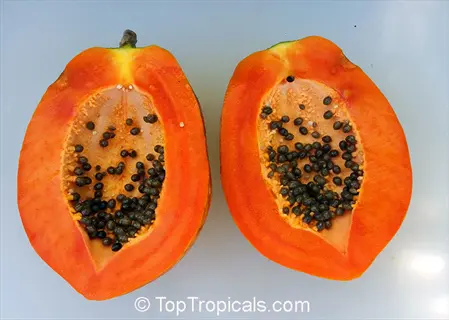
- Source: Choose seeds from a ripe papaya with orange flesh and black seeds, or purchase certified seeds from reputable nurseries for known variety characteristics.
- Preparation: Wash seeds thoroughly to remove the gelatinous coating, then spread on a paper towel and dry for 24 to 48 hours before planting.
- Quantity: Plant 3 to 5 seeds per pot since germination rates vary and you will thin seedlings later based on vigor and sex.
- Storage: Fresh seeds germinate best, but dried seeds can remain viable for up to 3 years when stored in a cool, dry location.
- Timing: Start seeds indoors 6 to 8 weeks before your last frost date if you plan to transplant outdoors in spring.
- Quality check: Healthy papaya seeds appear dark brown to black with a wrinkled texture, while white or soft seeds often lack viability.
Germinate in Warm Conditions
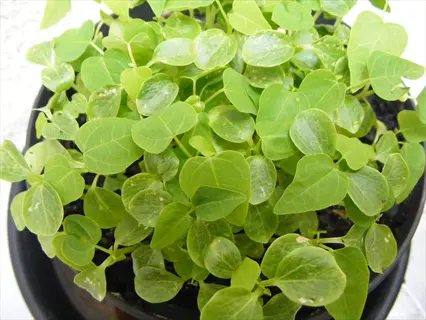
- Temperature: Maintain soil temperature between 75 and 85°F (24 and 29°C) for optimal germination within 2 to 4 weeks.
- Medium: Use a sterile seed starting mix with good drainage, or blend 50% potting soil with 50% perlite for ideal moisture control.
- Depth: Plant seeds 0.5 inch (1.3 centimeters) deep in moist soil, covering lightly and pressing gently to ensure seed-to-soil contact.
- Moisture: Keep soil consistently moist but never waterlogged, using a spray bottle to water gently and prevent seed displacement.
- Light: Place containers in bright indirect light or under grow lights for 12 to 14 hours daily to encourage strong germination.
- Patience: Germination can take anywhere from 10 days to 4 weeks depending on seed freshness and temperature consistency.
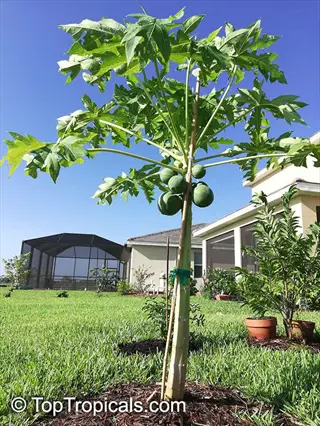
Choose the Perfect Planting Location
- Sunlight: Select a spot receiving at least 6 to 8 hours of direct sunlight daily, as papayas require full sun for optimal flowering and fruit production.
- Wind protection: Position plants near a south-facing wall or fence to block cold winds while maximizing heat reflection and sun exposure.
- Space: Allow 7 to 12 feet (2 to 3.6 meters) between plants for adequate air circulation and canopy development as trees mature.
- Drainage assessment: Test drainage by digging a hole 12 inches (30 centimeters) deep, filling with water, and confirming it drains within 4 hours.
- Frost consideration: In borderline climates (USDA zone 9), choose microclimates near heat-retaining structures that offer natural frost protection.
- Future access: Plan for easy access to the planting area since papaya trees require frequent fertilizing and eventual removal after 3 to 5 years.
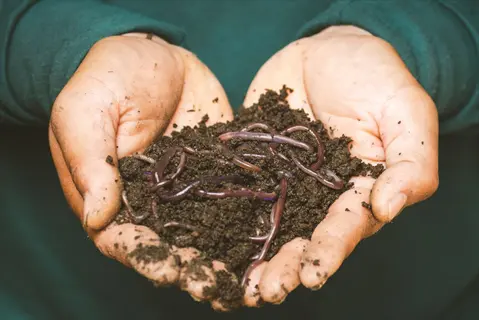
Prepare Nutrient-Rich Soil
- pH range: Test and adjust soil to pH 5.5 to 7.0, though papayas tolerate a wider range from 4.5 to 8.0 according to university research.
- Amendments: Mix 4 to 6 inches (10 to 15 centimeters) of compost into the planting area to improve both drainage and nutrient-holding capacity.
- Mounding: Create raised mounds 12 to 18 inches (30 to 46 centimeters) high in areas with heavy or clay soil to prevent water accumulation at roots.
- Organic matter: Incorporate well-rotted manure or leaf mold to support the heavy feeding requirements of fast-growing papaya plants.
- Drainage layer: In containers or poorly draining locations, add a 3-inch (7.6 centimeter) layer of gravel beneath the planting soil.
- Pre-planting nutrition: Work in a balanced slow-release fertilizer at half the recommended rate to give transplants an initial nutrient boost.
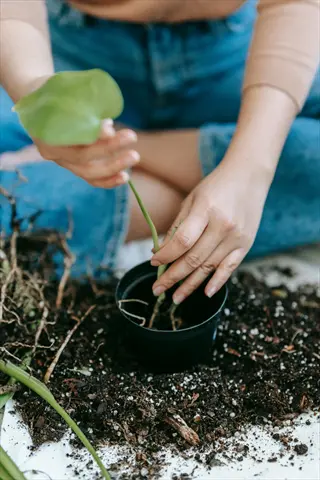
Transplant Seedlings Carefully
- Timing: Transplant when seedlings reach 6 to 12 inches (15 to 30 centimeters) tall and have developed 4 to 6 true leaves beyond the initial seed leaves.
- Root handling: Papaya roots are extremely sensitive to disturbance, so transplant with the entire root ball intact, avoiding any root breakage.
- Hole depth: Dig a hole twice the width and the same depth as the root ball, setting the plant at the same soil level it grew in the pot.
- Watering in: Thoroughly soak the transplant with 2 to 3 gallons (7.6 to 11.4 liters) of water immediately after planting to settle soil around roots.
- Spacing strategy: Plant 2 to 3 seedlings in a triangle pattern, then remove all but the strongest or most desirable plant after sex can be determined.
- Protection: Shade new transplants for 3 to 5 days if temperatures exceed 90°F (32°C) to reduce transplant shock.
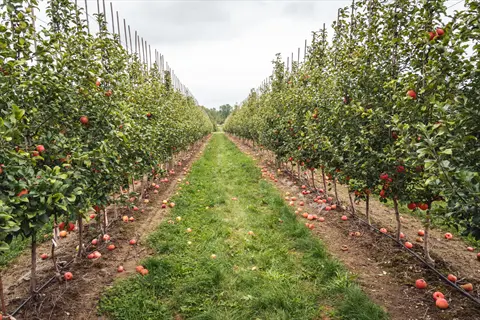
Establish a Watering Routine
- Frequency: Water deeply 2 to 3 times weekly during active growth, adjusting based on rainfall, temperature, and soil type to maintain consistent moisture.
- Amount: Provide 1 to 2 inches (2.5 to 5 centimeters) of water per week, increasing during flowering and fruiting stages when water demand peaks.
- Method: Use drip irrigation or soaker hoses at the base to keep foliage dry and reduce fungal disease risk on leaves and developing fruit.
- Drainage check: Never allow water to pool around the trunk for more than a few hours, as waterlogging can kill papaya trees rapidly.
- Mulching: Apply 3 to 4 inches (7.6 to 10 centimeters) of organic mulch in a ring around the plant, keeping it 6 inches (15 centimeters) from the trunk.
- Seasonal adjustment: Reduce watering frequency during cool months when growth slows and evaporation decreases significantly.
Feed Regularly for Maximum Production
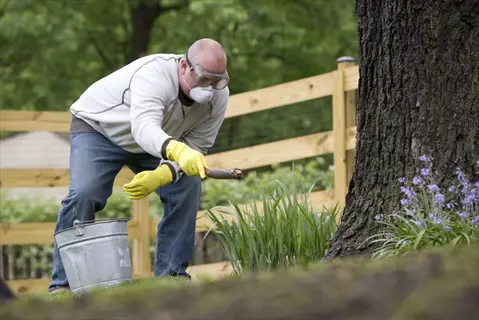
- Young plants: Apply 0.25 pounds (113 grams) of balanced fertilizer every 14 days for the first 4 to 6 months to support rapid vegetative growth.
- Mature trees: Increase to 1 to 2 pounds (0.45 to 0.9 kilograms) of fertilizer every 6 to 8 weeks once flowering begins and fruit production starts.
- NPK ratio: Use a balanced fertilizer like 10-10-10 or one slightly higher in nitrogen during early growth, switching to higher potassium during fruiting.
- Application method: Spread fertilizer in a ring around the drip line of the tree, not against the trunk, and water thoroughly after application.
- Organic options: Supplement with compost tea, fish emulsion, or well-rotted manure monthly to provide micronutrients and improve soil biology.
- Deficiency signs: Watch for yellowing older leaves indicating nitrogen deficiency or purple-tinged leaves suggesting phosphorus shortage.
Harvest at Peak Ripeness
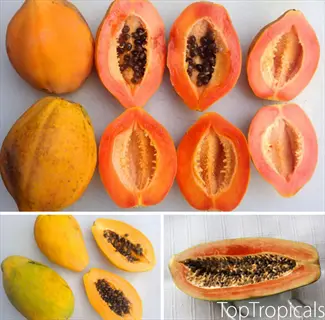
- Color indicator: Harvest when fruit shows 50% to 80% yellow color on the skin, showing good sugar development while still firm enough to handle.
- Touch test: Ripe papayas yield slightly to gentle thumb pressure, similar to a ripe avocado, while remaining firm enough to transport without bruising.
- Timing: Most varieties ripen 6 to 9 months after flowering, with fruit continuing to ripen off the tree within 4 to 7 days at room temperature.
- Cutting technique: Use a sharp knife or pruning shears to cut the stem 0.5 inch (1.3 centimeters) above the fruit, avoiding pulling which damages the tree.
- Yield expectation: Expect 60 to 200 pounds (27 to 91 kilograms) of fruit per tree annually depending on variety, climate, and care quality.
- Storage: Store unripe fruit at room temperature until fully yellow, then refrigerate for up to one week to extend freshness.
Best Papaya Varieties
Your choice of papaya varieties shapes the fruit size you can grow at home. The two main types are Hawaiian papaya and Mexican papaya with very different traits. Hawaiian types give you smaller sweeter fruit. Mexican types grow larger fruit better for cooking.
Red Lady papaya is a best papaya variety pick for home growers thanks to its disease resistance. Solo papaya types taste great but get hit harder by papaya ringspot virus. I lost my first Solo tree to that virus after just 8 months in the ground.
Each variety has its own flavor and texture that works best for different uses in the kitchen. In my experience, Maradol and Tainung No. 1 rank among the top picks for home gardens. The table below compares these popular options side by side for your garden.
Climate and Growing Zones
Papaya climate zones stick to the warmest parts of the country where frost is rare or absent. The USDA hardiness zones papaya grows best in fall between zones 9b and 11. I grow my trees in zone 9b and have to work harder than growers in Florida or Hawaii.
Papaya temperature requirements keep this plant in warm zones. Papaya hates the cold and will suffer if temps get too low. The optimal range sits between 70 and 90°F for best growth.
Papaya frost sensitivity makes this tree one of the first to die in a cold snap. Damage starts below 31°F and can kill even mature trees fast. In my experience, finding the right spot in your yard makes all the difference for tropical climate papaya growing.
Optimal Growth Range
- Temperature: Papayas thrive between 70 and 90°F (21 and 32°C), producing the fastest growth and highest fruit quality within this range.
- Daytime peaks: Brief exposure to temperatures up to 100°F (38°C) is tolerable with adequate water, though sustained heat reduces fruit set.
- Night temperatures: Ideal nighttime temperatures fall between 60 and 70°F (16 and 21°C) for continued metabolic activity and fruit development.
Flowering Temperature Limits
- Minimum threshold: Papaya trees struggle to produce flowers when temperatures drop below 59°F (15°C), delaying or preventing fruit set entirely.
- Pollination impact: Cool temperatures reduce pollinator activity and pollen viability, leading to poor fruit development even when flowers appear.
- Recovery time: Plants resume normal flowering within 2 to 3 weeks after temperatures consistently return above 65°F (18°C).
Root Growth Requirements
- Soil temperature: Root growth requires soil temperatures above 60°F (16°C), which is why spring planting after soil warms produces best results.
- Mulching benefit: Black plastic mulch or dark organic mulch can raise soil temperature by 5 to 10°F, extending the growing season in cooler zones.
- Container advantage: Potted plants warm faster than ground soil, giving container-grown papayas a head start in marginal climates.
Frost Damage Thresholds
- Critical point: Papaya trees experience significant damage when temperatures fall below 31°F (minus 0.5°C), with leaf and stem tissue dying rapidly.
- Recovery possibility: Young plants may recover from brief light frosts if the growing point survives, but mature fruiting trees often require complete replanting.
- Protection timing: Begin frost protection measures when forecasts predict temperatures below 35°F (2°C) to allow time for setup.
USDA Hardiness Zones
- Ideal zones: USDA zones 10 and 11 provide year-round growing conditions without frost protection requirements for sustained papaya production.
- Marginal zones: Zone 9B gardeners can succeed with careful site selection, frost protection plans, and fast-maturing varieties that fruit before winter.
- Northern strategies: Zones 8 and below require container growing with winter indoor protection or treating papaya as an annual warm-season crop.
Soil and Drainage Essentials
Papaya soil requirements focus on one thing above all else: drainage. A papaya tree can die in just a few hours if its roots sit in water. I learned this the hard way when I lost a tree after a heavy rain storm pooled water around its base.
Think of papaya roots like a person stuck in a cold bathtub. They can't breathe and they get weak fast. The well-draining soil papaya needs will let water pass through without pooling. Sandy soil papaya grows in drains well on its own.
Papaya soil pH can range from 4.5 to 8.0 based on university research. This wide range means most garden soils will work fine without major changes. Test your soil before planting to know where you stand.
Raised beds for papaya solve drainage problems in yards with heavy clay or low spots. Build mounds 12 to 18 inches high using a mix of garden soil and compost. This lifts the roots above any water that might collect after a rain.
Mix in 4 to 6 inches of compost to improve both drainage and nutrient content in your planting area. Add some perlite or coarse sand if your soil still holds water too long after watering. In my experience, the extra work on soil prep pays off with healthier trees that grow faster.
Check drainage before you plant by digging a hole 12 inches deep and filling it with water. Good soil drains that water in 4 hours or less. If water still sits there the next day, you need raised beds or a different spot in your yard.
Watering and Fertilizer Schedule
Your papaya watering schedule and food needs push the tree to grow fast. In my experience, papayas are heavy feeders that reward frequent small meals over large ones. I feed my trees every 2 weeks and they produce more fruit each year.
Feeding papaya plants with the right NPK ratio papaya needs will boost fruit set. Start with a balanced 10-10-10 fertilizer during early growth. Organic options like compost tea and fish emulsion work great for home growers.
The nitrogen fertilizer papaya needs is higher when young and lower at fruit time. Too much nitrogen late on pushes leaf growth over fruit. The papaya fertilizer requirements in the table below show what to use.
Pests, Diseases and Troubleshooting
Papaya pests and papaya diseases can take down a healthy tree in just a few weeks. Think of yourself as a plant detective who gathers clues from leaves and fruit. In my experience, catching problems early makes all the difference for saving your tree.
Papaya ringspot virus is the most serious threat to papaya growers in the US. This virus spreads through aphids on papaya plants and has no cure once it takes hold. Many growers must replant their trees every 18 to 24 months because of this pest.
Other common problems include papaya fruit fly damage and papaya root rot from poor drainage. The list below shows how to spot each problem and what steps to take. Regular checks will help you catch issues before they spread.
Papaya Ringspot Virus
- Symptoms: Yellow mosaic patterns on leaves, distorted leaf shapes, oily streaks on stems, and bumpy ring-shaped marks on fruit skin indicate infection.
- Cause: Aphids transmit this virus from infected plants, spreading rapidly through gardens and making control extremely difficult once established.
- Solution: Remove and destroy infected plants immediately, control aphid populations with insecticidal soap, and replant with virus-free seedlings in a new location.
Root Rot from Overwatering
- Symptoms: Wilting despite moist soil, yellowing leaves starting from the bottom, soft brown roots, and foul smell from the root zone indicate rot.
- Cause: Waterlogged soil deprives roots of oxygen and promotes fungal pathogens like Phytophthora and Pythium that attack weakened root tissue.
- Solution: Improve drainage immediately by creating raised beds or mounds, reduce watering frequency, and apply fungicide drench to remaining healthy roots.
Aphid and Spider Mite Infestation
- Symptoms: Curled or distorted new growth, sticky honeydew residue on leaves, tiny green or black insects clustered on undersides, or fine webbing on foliage.
- Cause: These sap-sucking pests thrive in warm dry conditions and can explode in population during summer, weakening plants and spreading viruses.
- Solution: Spray with strong water jets to dislodge pests, apply insecticidal soap or neem oil weekly, and introduce beneficial insects like ladybugs.
Fruit Fly Damage
- Symptoms: Small puncture marks on fruit skin, soft watery spots that turn brown, and presence of maggots inside damaged fruit indicate fruit fly activity.
- Cause: Female fruit flies lay eggs beneath the fruit skin, and hatching larvae feed on flesh, causing rapid decay and making fruit unmarketable.
- Solution: Harvest fruit at first color change before full ripening, use fruit fly traps and baits, bag developing fruit with paper or mesh covers.
Nutrient Deficiency Signs
- Nitrogen lack: Older lower leaves turn uniformly yellow while newer growth remains green but appears stunted and pale compared to healthy plants.
- Potassium shortage: Leaf edges turn brown and crispy, fruit develops unevenly with poor sugar content, and overall plant vigor declines noticeably.
- Solution: Apply balanced fertilizer for general deficiency, or targeted supplements like blood meal for nitrogen or wood ash for potassium deficiency.
5 Common Myths
Papaya trees need constant watering because they are tropical plants that thrive in rainforest conditions with heavy moisture.
Papaya trees actually require well-drained soil and moderate watering because waterlogged roots can kill the plant within hours, making proper drainage more important than frequent watering.
You must purchase special papaya seeds from nurseries because grocery store papaya seeds will not germinate or produce quality fruit.
Seeds from ripe store-bought papayas germinate readily within 2 to 4 weeks and can produce excellent fruit, though the resulting plants may differ from the parent due to cross-pollination.
All papaya trees produce fruit, so you only need one plant to harvest papayas from your garden.
Papaya plants are either male, female, or bisexual, and male plants produce only pollen without fruit, which is why experienced growers plant multiple seedlings and thin after flowering reveals plant sex.
Papaya trees require years of growth before producing any fruit, similar to other fruit trees like apple or citrus.
Papayas are remarkably fast producers, flowering within 4 to 6 months of planting and bearing ripe fruit in just 7 to 14 months, making them one of the quickest fruit crops to harvest.
Once established, papaya trees will produce fruit reliably for decades like other fruit trees in your landscape.
Papaya trees are relatively short-lived, with optimal production lasting only 3 to 5 years before decline, and most growers recommend replanting every 18 to 24 months for best results.
Conclusion
You now know how to grow papaya from seed all the way to harvest in your own yard. Bookmark or print these 8 steps as a quick checklist for your garden planning. Papaya cultivation rewards you with fruit faster than almost any other tree.
Papaya fruit production rewards gardeners with fresh fruit within 9 to 14 months when you follow these steps with proper care. No other tree gives you this kind of speed from just a seed. The effort is worth it for that first sweet bite.
Start with multiple seedlings this season to boost your odds of success in home garden papaya. Some plants turn out male and some may not make it through the first weeks. The survivors give you the satisfaction of homegrown tropical fruit.
Pot growing makes papaya work even in cooler zones. Move your pots inside when frost comes for winter protection. In my experience, tropical fruit gardening is now possible for anyone willing to try.
External Sources
Frequently Asked Questions
What is the best way to grow papaya successfully in home gardens?
Growing papaya successfully requires warm temperatures between 70 and 90°F, well-drained soil, full sun exposure, and consistent moisture without waterlogging. Plant multiple seedlings to ensure fruiting varieties and provide regular fertilizer applications.
Will papaya trees require cross-pollination to bear fruit?
Most papaya trees do not require cross-pollination because bisexual (hermaphrodite) varieties self-pollinate. Female trees need a nearby male for pollination, while male trees produce pollen but no fruit.
Could papaya trees survive in containers indoors?
Papaya trees can grow in large containers indoors with adequate light, warmth, and humidity. Use containers at least 15 gallons with excellent drainage, provide 6 to 8 hours of bright light, and maintain temperatures above 60°F.
What causes papaya trees to drop flowers without fruiting?
Flower drop typically results from:
- Temperature stress below 59°F or above 90°F
- Inconsistent watering causing drought stress
- Nutrient deficiencies especially nitrogen or potassium
- Presence of only male flowers that cannot produce fruit
- Poor pollination from lack of pollinators or wind
Which soil conditions prevent papaya root rot?
Preventing papaya root rot requires well-drained sandy or loamy soil, elevated planting on mounds or raised beds, proper watering practices that avoid saturation, and maintaining soil pH between 5.5 and 7.0.
What is the best way to protect papaya trees from frost damage?
Protect papaya trees from frost by covering with blankets or frost cloth when temperatures approach 32°F, using heat lamps or string lights for radiant warmth, mulching heavily around the base, and growing in containers that can be moved indoors.
Can papaya trees be short-lived?
Yes, papaya trees are relatively short-lived, typically producing well for 3 to 5 years before declining. Most commercial growers replant every 18 to 24 months for optimal production, and trees rarely live past 10 years.
Why do papaya leaves turn yellow?
Yellowing papaya leaves can indicate:
- Nitrogen deficiency causing older leaves to yellow first
- Overwatering leading to root stress
- Iron or magnesium deficiency
- Spider mite or aphid infestation
- Papaya ringspot virus infection
Could store-bought papaya seeds produce viable plants?
Yes, store-bought papaya seeds can germinate and produce plants. Remove seeds from a ripe fruit, wash off the gelatinous coating, dry for a day, and plant in warm soil. Germination takes 2 to 4 weeks with soil temperatures above 70°F.
What is the best way to maximize papaya fruit sweetness?
Maximize papaya sweetness by allowing fruit to ripen fully on the tree until 50 to 80 percent yellow, providing adequate potassium fertilizer during fruiting, maintaining consistent watering, and harvesting during warm weather when sugar development peaks.