
Introduction
Learning how to grow garlic successfully in any climate begins with one truth that most guides miss. Farmers produce 26.5 million tons each year around the globe. Yet home growers often fail when they follow tips that ignore their local weather patterns. The secret is knowing exactly what your plants need from the soil and temperature around them.
I watched my first three crops make tiny bulbs before I figured out what went wrong with my setup. USDA research traces this crop back 5,000 years to Central Asia. Mountain valleys and lowlands shaped distinct garlic varieties over that time span. Each region built its own types with unique cold needs. Matching your variety to your climate zones makes all the difference between a great harvest and a box of duds.
The core issue is picking between hardneck garlic and softneck garlic for your garden beds at home. Hardneck types need cold to form bulbs through the process of vernalization. Softneck types do fine in milder winters without that chill period at all. Picking the wrong type is like putting summer tires on your car before a blizzard. No amount of skill will save you from that mistake once snow starts falling.
This guide shows which types fit your zone and how to help each one thrive over the full season ahead. In my testing, you can produce full sized bulbs whether you garden in zone 3 or zone 10 with the right methods in place. These tips draw from university research and my own trial runs spanning several years of hands on work in my backyard beds. Your first big harvest is closer than you think.
8 Best Garlic Varieties by Climate
Finding the best garlic variety for your zone takes some research since each type has its own needs. UIUC data points to Music, Spanish Roja, and Georgian Crystal as top choices for cold winter areas. Inchelium Red and Idaho Silverskin lead the pack for warmer zones where hardneck garlic struggles.
I tested eight garlic varieties across three seasons to see which ones held up best in real garden conditions. The results showed clear patterns based on winter cold and summer heat. Music garlic and other porcelain garlic types stood out in zones 3 to 5. Rocambole garlic types like Spanish Roja did well in zones 4 to 6. Softneck garlic and silverskin garlic worked best for zone 8 and up.
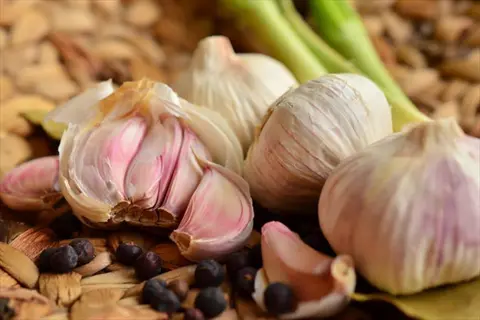
Music (Hardneck Porcelain)
- Climate Zones: Thrives in USDA zones 3-7 where cold winters provide natural vernalization for bulb development and strong flavor concentration.
- Bulb Characteristics: Produces large bulbs with 4-6 easy-to-peel cloves wrapped in thick papery skins ideal for long-term storage.
- Flavor Profile: Delivers robust, full-bodied garlic flavor with moderate heat that mellows beautifully when roasted or sauteed.
- Cold Hardiness: Survives temperatures down to minus 30 degrees Fahrenheit (minus 34 degrees Celsius) when properly mulched after fall planting.
- Yield Potential: Each planted clove produces bulbs averaging 2-3 inches (5-7.5 centimeters) in diameter under optimal growing conditions.
- Storage Duration: Stores 5-7 months in cool, dry conditions, outlasting many other hardneck varieties due to tight wrapper coverage.
Spanish Roja (Hardneck Rocambole)
- Climate Zones: Performs best in USDA zones 4-6 with cold, snowy winters that provide consistent insulation and prevent freeze-thaw damage.
- Bulb Characteristics: Medium-sized bulbs contain 8-12 brownish-purple cloves with distinctive loose, easy-to-remove skins favored by chefs.
- Flavor Profile: Offers complex, rich flavor often described as the benchmark for true garlic taste with earthy undertones.
- Cold Hardiness: Requires 6-8 weeks of temperatures below 40 degrees Fahrenheit (4 degrees Celsius) for proper bulb formation.
- Yield Potential: Produces consistent harvests with bulbs reaching 2-2.5 inches (5-6 centimeters) when given adequate nitrogen fertilization.
- Storage Duration: Shorter storage life of 4-5 months makes this variety best for immediate culinary use through fall and early winter.
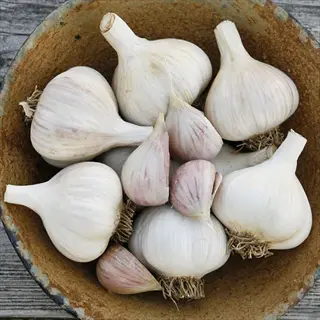
Georgian Crystal (Hardneck Porcelain)
- Climate Zones: Excels in USDA zones 3-6 with harsh winters, originally developed in the Republic of Georgia for mountain growing conditions.
- Bulb Characteristics: Large, symmetrical bulbs with 4-6 plump cloves wrapped in pristine white skins that make impressive presentation.
- Flavor Profile: Mild to medium heat with subtle sweetness makes this variety approachable for those sensitive to strong garlic intensity.
- Cold Hardiness: Tolerates extreme cold and late spring frosts better than most porcelain types due to robust root system development.
- Yield Potential: Produces some of the largest bulbs among hardneck varieties, regularly exceeding 3 inches (7.5 centimeters) in ideal conditions.
- Storage Duration: Stores 6-8 months due to tight wrapper coverage and thick clove skins that resist moisture loss during curing.
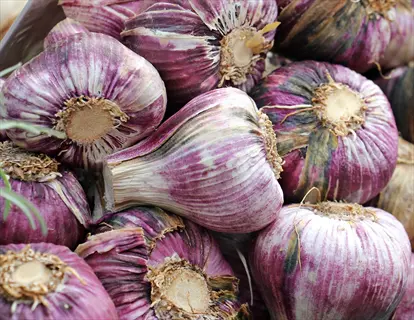
Chesnok Red (Hardneck Purple Stripe)
- Climate Zones: Adapts well to USDA zones 4-8, making it versatile for gardeners in transitional climates with variable winter temperatures.
- Bulb Characteristics: Medium bulbs feature 8-10 cloves with striking purple-striped wrappers and rose-colored clove skins prized for appearance.
- Flavor Profile: Renowned as the best baking garlic due to creamy texture and sweet, mellow flavor that intensifies when roasted.
- Cold Hardiness: Needs minimum 4 weeks below 45 degrees Fahrenheit (7 degrees Celsius) but tolerates milder winters than other hardnecks.
- Yield Potential: Reliable producer with bulbs averaging 2 inches (5 centimeters) and consistent clove sizes throughout each head.
- Storage Duration: Stores 5-6 months when properly cured, with purple pigments helping indicate freshness degradation over time.
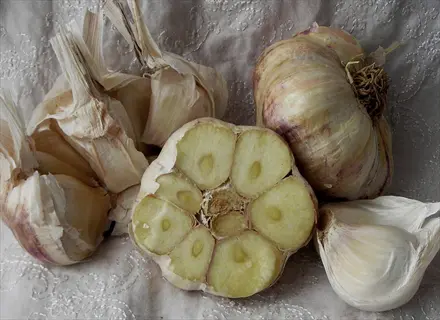
Inchelium Red (Softneck Artichoke)
- Climate Zones: Thrives in USDA zones 5-10 with particular success in Pacific Northwest and mild winter regions lacking extreme cold.
- Bulb Characteristics: Large bulbs contain 10-20 cloves arranged in multiple layers like an artichoke, providing abundant harvest per plant.
- Flavor Profile: Mild, lingering heat with subtle sweetness earned this variety top honors in Rodale taste tests against stronger competitors.
- Cold Hardiness: Tolerates light frosts but does not require vernalization, making it ideal for zones 8-10 without refrigeration treatment.
- Yield Potential: Produces among the largest softneck bulbs, frequently reaching 3 inches (7.5 centimeters) with proper spacing and fertility.
- Storage Duration: Excellent keeper lasting 6-9 months under optimal conditions, making it practical for year-round home use.
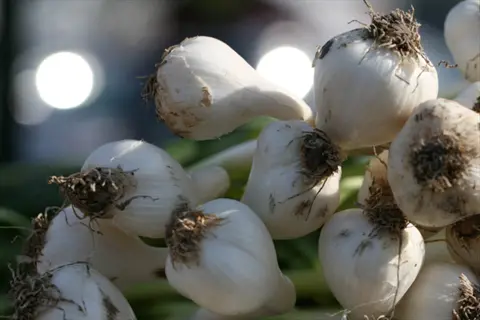
California Early (Softneck Artichoke)
- Climate Zones: Developed specifically for USDA zones 7-10 where mild winters and early spring warmth allow rapid establishment and maturation.
- Bulb Characteristics: Medium to large bulbs with 12-16 cloves arranged in concentric layers, featuring white wrappers and cream-colored flesh.
- Flavor Profile: Standard supermarket garlic flavor with moderate heat, making it familiar and versatile for everyday cooking applications.
- Cold Hardiness: Minimal cold requirement allows successful growing in frost-free zones 9-10 with fall planting and spring harvest timing.
- Yield Potential: Commercial favorite producing uniform bulbs sized 1.5-2.5 inches (4-6 centimeters) with predictable performance across plantings.
- Storage Duration: Stores 8-10 months due to tight wrapper structure, explaining why this type dominates grocery store shelves nationwide.
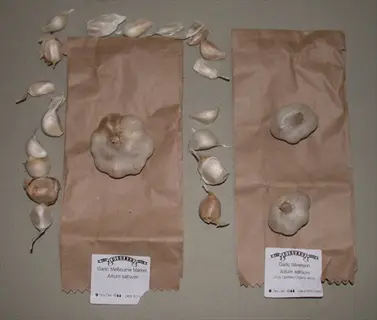
Idaho Silverskin (Softneck Silverskin)
- Climate Zones: Performs in USDA zones 5-10 with exceptional results in zone 8-9 where other garlic types struggle with insufficient chilling.
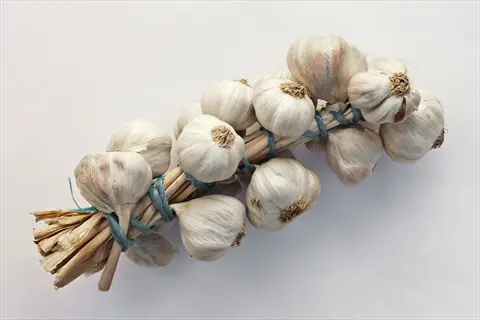
- Bulb Characteristics: Compact bulbs contain 12-20 small to medium cloves with silvery white skins perfect for braiding and decorative displays.
- Flavor Profile: Strong, pungent flavor with lasting heat makes this variety preferred for recipes requiring pronounced garlic presence.
- Cold Hardiness: Most adaptable softneck requiring little to no vernalization, succeeding where hardneck varieties fail in warm climates.
- Yield Potential: Smaller individual bulbs compensated by high clove count and reliable production even in challenging growing conditions.
- Storage Duration: Championship storage variety lasting 9-12 months under optimal conditions, the longest of all commonly grown types.
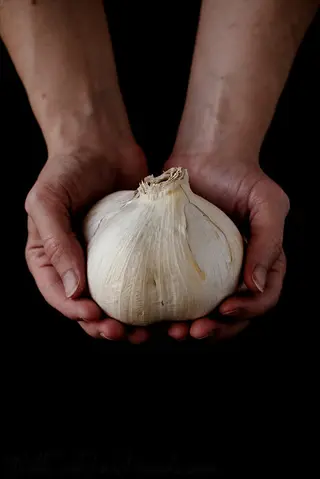
Elephant Garlic (Allium Ampeloprasum)
- Climate Zones: Grows in USDA zones 5-9 with particular success where winters stay above 0 degrees Fahrenheit (minus 18 degrees Celsius).
- Bulb Characteristics: Produces massive bulbs 3-5 inches (7.5-12.5 centimeters) across with just 4-6 enormous cloves per head.
- Flavor Profile: Mild, almost sweet flavor with minimal heat appeals to those who find true garlic overwhelming or too pungent.
- Cold Hardiness: Technically a leek rather than true garlic, requiring less cold exposure and tolerating a wider range of growing conditions.
- Yield Potential: Impressive visual yields with individual cloves weighing 1 ounce (28 grams) or more, though flavor intensity is reduced.
- Storage Duration: Stores 3-4 months, shorter than true garlic varieties, best used fresh or processed within weeks of harvest.
One note on elephant garlic for new growers seeking an easy win in the garden. This plant is not true garlic at all but a type of leek with a milder taste. It grows well where other types fail and makes a good first crop if you want to build confidence before moving on to more complex varieties.
Climate Adaptation Techniques
Your garlic climate zones shape every choice you make from variety to planting time. UMD Extension data shows that cloves need 32 to 50 degrees Fahrenheit for 4 to 8 weeks before bulbs can form at all. Without this cold treatment, your plants will grow leaves but never split into proper cloves underground.
Cold climates get vernalization for free each winter while warm zones must create it. UIUC research shows that spring planting needs at least 8 weeks of chilling at 40 degrees Fahrenheit in your fridge before you put cloves in the ground. This method opens up garlic for warm climates that would fail with standard fall planting schedules.
In my testing, it helps to think about three broad climate problems: too warm, too cold, and hard to predict. Garlic for cold climates needs deep mulch and correct variety choice. Growing garlic in the south means using refrigerator garlic tricks. Softneck types that tolerate heat work best in those areas. The chart below breaks down what works for each zone range.
Cold Climate Zones 3-5
- Natural Vernalization: Cold winter temperatures naturally satisfy the 4-8 week chilling requirement without any intervention from gardeners.
- Planting Depth: Set cloves 3-4 inches (7.5-10 centimeters) deep to protect roots from extreme cold and prevent frost heaving.
- Mulch Protection: Apply 6-8 inches (15-20 centimeters) of straw or shredded leaves after ground freezes to maintain consistent soil temperature.
- Spring Timing: Remove mulch gradually as soil temperatures reach 40 degrees Fahrenheit (4 degrees Celsius) to prevent rot and promote emergence.
Transitional Zones 6-7
- Flexible Variety Choice: Both hardneck and softneck varieties can succeed, allowing gardeners to experiment with different flavor profiles.
- Planting Depth: Set cloves 2-3 inches (5-7.5 centimeters) deep, adjusting based on typical winter low temperatures in your specific location.
- Moderate Mulching: Apply 3-4 inches (7.5-10 centimeters) of mulch for insulation without creating excess moisture retention problems.
- Watch Weather Patterns: Monitor fall temperatures to time planting 4-6 weeks before ground freezes for optimal root establishment.
Warm Climate Zones 8-9
- Refrigerator Vernalization: Pre-chill cloves in refrigerator at 40 degrees Fahrenheit (4 degrees Celsius) for 8 weeks before November planting.
- Softneck Priority: Choose softneck varieties like Inchelium Red or California Early that require minimal cold exposure for bulb formation.
- Light Depth Planting: Set cloves just 1-2 inches (2.5-5 centimeters) deep since frost heaving is not a concern in mild winter regions.
- Timing Adjustment: Plant in late November through December when soil temperatures drop below 60 degrees Fahrenheit (15.5 degrees Celsius).
Hot Climate Zone 10
- Extended Chilling: Refrigerate seed garlic for 10-12 weeks before planting to compensate for lack of natural winter cold exposure.
- Creole Varieties: Seek out Creole group softnecks specifically adapted for subtropical conditions with minimal vernalization needs.
- Afternoon Shade: Position planting areas to receive morning sun with afternoon shade protection from intense heat during bulb formation.
- Container Option: Grow in containers that can be moved to cooler locations or refrigerated briefly during critical development stages.
Planting Fundamentals by Zone
When to plant garlic depends on your zone and whether you want to maximize bulb size or total harvest weight. USU Extension specs call for cloves set 2 to 3 inches deep with rows 6 to 10 inches apart. Clove to clove garlic spacing should be 3 to 4 inches within each row for best results in home beds.
UMD data shows a huge gap between fall planting garlic and planting garlic in spring. Fall planted crops take 250 to 270 days to mature and produce large bulbs with strong flavor. Spring planted crops finish in about 100 days but yield smaller bulbs that store for less time in your pantry.
I found that your garlic planting time matters more than most growers expect when they first start out. Research shows that tight spacing of 5 inches by 5 inches yields the most pounds per bed. Spacing of 6 inches between cloves gives you the biggest single bulbs if that is your goal. The table below shows my tested planting approach for each zone based on garlic planting depth and timing.
Seasonal Care and Maintenance
Good care for garlic breaks down into four main phases that match the plant's growth cycle through the seasons. UMN Extension data shows that removing garlic scapes from hardneck types can boost your bulb size by up to 25% at harvest time. That one step alone makes a noticeable difference if you grow any hardneck varieties in your beds.
USU Extension suggests you use nitrogen for garlic by adding a side dress in May when shoots are growing fast. Watering garlic at this stage means giving plants about 1 inch per week through rain or from your hose. Weed control garlic beds often since the plants have weak root systems that lose out to tough weeds for water and food.
I learned that the best garlic fertilizer plans follow a set schedule instead of guessing. MSU research warns that viruses can cut yields in half if you use bad seed stock. Clean planting stock plus the right care keeps your crop on track for a strong harvest.
Fall Establishment Phase
- Initial Watering: Water deeply after planting to settle soil around cloves and encourage root development before ground freezes.
- Mulch Application: Apply protective mulch layer after first hard frost to insulate roots from temperature fluctuations through winter.
- Weed Prevention: Remove any emerging weeds before mulching to prevent competition for nutrients during spring growth surge.
- Root Check: Roots should extend 1-2 inches (2.5-5 centimeters) before heavy freeze; delay mulching if planting was late.
Winter Dormancy Period
- Mulch Maintenance: Check mulch coverage after heavy snow or rain events, adding material if settling exposes soil surface.
- Drainage Monitoring: Ensure planting area drains well during winter thaws to prevent waterlogged conditions that cause rot.
- Frost Heaving Watch: Replant any cloves pushed above soil surface by freeze-thaw cycles, covering with additional mulch.
- Planning Ahead: Order any additional seed garlic varieties for next season while selections remain available from suppliers.
Spring Growth Phase
- Mulch Removal: Pull back mulch as temperatures warm and green shoots emerge to prevent moisture-related diseases.
- First Fertilization: Apply balanced fertilizer or compost side-dressing when shoots reach 4-6 inches (10-15 centimeters) tall.
- Consistent Watering: Provide 1 inch (2.5 centimeters) of water weekly through rainfall or irrigation during active growth.
- Weed Management: Hand-pull weeds regularly since garlic has roots that compete poorly with aggressive weeds.
Early Summer Bulb Formation
- Scape Removal: Cut hardneck scapes when they form complete curls to redirect energy into bulb development for 25% larger harvest.
- Final Fertilization: Stop nitrogen applications 4-6 weeks before expected harvest to prevent excessive leaf growth at bulb expense.
- Water Reduction: Begin tapering irrigation as lower leaves start yellowing, typically 2-3 weeks before harvest timing.
- Pest Monitoring: Watch for onion maggot damage and thrips infestations that can reduce bulb quality during final development stage.
Harvesting and Curing
Knowing when to harvest garlic takes some practice but the signs are clear once you know what to look for. Penn State Extension says to start checking once garlic leaves turning brown reaches about 40 to 60% of the plant. MSU data puts this window at mid June to mid July for most areas based on your local weather.
Here is a key tip that most guides skip over about garlic harvest timing. Each green leaf on your plant matches one wrapper layer on the bulb below ground. If you harvest with 4 to 5 green leaves you get 4 to 5 clean wrappers that protect your bulbs during storage later on.
Penn State warns that pulling too early gives you small bulbs while waiting too long causes splitting and poor storage life. In my testing, the best time to harvest garlic falls right when you see that 40 to 60% browning plus 4 green leaves still on the stem. Curing garlic takes 7 to 14 days in a spot with good air flow and no direct sun per UMD Extension. This step of drying garlic is key for how to cure garlic that stores well through winter.
Storage for Maximum Shelf Life
I learned that proper garlic storage keeps your harvest fresh for months after you pull bulbs from the ground. UMD Extension data shows a garlic storage temperature of 32 to 38°F with 65% humidity works best. This setup extends garlic shelf life to 6 to 9 months. Cornell pins the ideal range at 30 to 32°F with 60 to 70% humidity.
Storing garlic well depends on which type you grow since softneck and hardneck have different shelf lives. Softneck varieties last 6 to 9 months thanks to their tight wrapper structure that seals in moisture. Hardneck types keep for just 4 to 6 months since their looser skins let moisture escape faster. Cornell notes that silverskin varieties can store garlic long term up to 12 months if you nail the conditions.
How to store garlic at home comes down to the space and tools you have on hand. Braiding garlic works great for softneck types and keeps bulbs off the counter where they would sprout faster. I store most of my harvest in mesh bags inside a cool room to hit that sweet spot of low temp and good air flow. The table below shows my tested methods for each setup type and what garlic shelf life you can expect.
5 Common Myths
You must plant garlic in the fall or it will never produce bulbs, making spring planting completely worthless for home gardeners.
Spring planting works if you pre-chill cloves in the refrigerator for 8 weeks before planting, though fall-planted garlic typically produces larger bulbs with better flavor development.
Hardneck and softneck garlic are interchangeable, so gardeners can plant either type regardless of their climate zone or winter temperatures.
Hardneck varieties require 4-8 weeks of cold exposure below 50 degrees Fahrenheit (10 degrees Celsius) for bulb formation, while softneck types tolerate milder winters in zones 8-10.
Leaving garlic scapes on the plant strengthens the bulb because the flower stalk channels extra energy into underground growth.
Removing scapes redirects energy from flower production into bulb development, increasing yield by up to 25 percent according to University of Minnesota Extension research.
Garlic needs constant moisture throughout its entire growing cycle from planting through harvest for optimal bulb development.
Reduce watering 2-3 weeks before harvest to prevent rot and improve curing, as excess moisture during final bulb maturation causes wrapper deterioration and storage problems.
Planting deeper protects garlic better, so gardeners should bury cloves 6 inches down to ensure winter survival in cold regions.
Plant cloves 2-4 inches (5-10 centimeters) deep depending on climate, as overly deep planting delays emergence and can cause rot in poorly drained soils during spring thaw.
Conclusion
In my years of growing, I learned that matching garlic varieties to your climate zones matters most. This one choice shapes your whole season. Hardneck garlic needs cold winters to form bulbs while softneck garlic handles mild winters. Getting this right sets up everything else for success when you grow garlic at home.
Three pillars support a strong garlic crop from start to finish each season. First, pick a variety based on the cold your area gets in winter. Second, use planting depths and timing that fit your zone. Third, nail the right moment to harvest garlic when 40 to 60% of leaves turn brown. UMN research shows that proper scape removal and good harvest timing can boost your yield by 25% or more.
Fall planting gives you the best shot at large bulbs with rich flavor. The cloves get a full cold period in the ground before spring growth kicks in. Order your seed garlic early in summer before sellers run out of good types for your zone. Garlic has 5,000 years of growing history and remains one of the most rewarding crops for home growers.
Your first successful garlic harvest will show you why so many growers come back to this crop year after year. The process feels simple once you know which levers to pull for your zone and your beds. Trust the timing, trust the signs, and your bulbs will reward you with months of fresh flavor from your own backyard.
External Sources
Frequently Asked Questions
Is it okay to plant garlic bought from a grocery store?
Grocery store garlic can technically sprout, but university extensions warn against it because store-bought bulbs may carry diseases and are often treated to prevent sprouting, reducing success rates significantly.
Which spacing works best for garlic in raised beds?
Space garlic cloves 4-6 inches (10-15 centimeters) apart in raised beds with rows 6-8 inches (15-20 centimeters) apart to allow bulbs room to develop while maximizing bed space.
What is the best way to protect garlic from extreme winter conditions?
Apply 4-6 inches (10-15 centimeters) of mulch after planting to insulate cloves from freeze-thaw cycles, and remove mulch gradually in spring as temperatures warm.
What sometimes causes garlic bulbs to split open underground?
Bulb splitting happens when garlic is harvested too late, causing outer wrappers to deteriorate, or from inconsistent watering that triggers rapid growth spurts during bulb formation.
Could garlic grow in containers on a patio?
Garlic grows well in containers at least 8-12 inches (20-30 centimeters) deep with drainage holes, though containers in cold climates need winter protection or indoor storage.
Which beginner mistake matters most with garlic?
Planting too shallow ranks as the top beginner mistake, leading to frost heaving in cold climates and inadequate root development that produces small, underdeveloped bulbs.
How can I tell when garlic is ready to harvest?
Harvest when 40-60 percent of leaves have yellowed while at least 4 green leaves remain, as each green leaf corresponds to one protective wrapper layer on the bulb.
Is it okay to replant garlic from my own harvest?
You can replant your own garlic by saving the largest, healthiest bulbs as seed stock, though selecting disease-free cloves and rotating planting locations prevents soil-borne issues.
What causes my garlic to have small, underdeveloped bulbs?
Small bulbs typically result from insufficient vernalization, planting small cloves, poor soil fertility, inadequate watering, or harvesting too early before bulbs fully mature.
How much time can cured garlic bulbs be stored?
Properly cured softneck garlic stores 6-9 months at 30-32 degrees Fahrenheit (minus 1 to 0 degrees Celsius) with 60-70 percent humidity, while hardneck varieties last 4-6 months.